
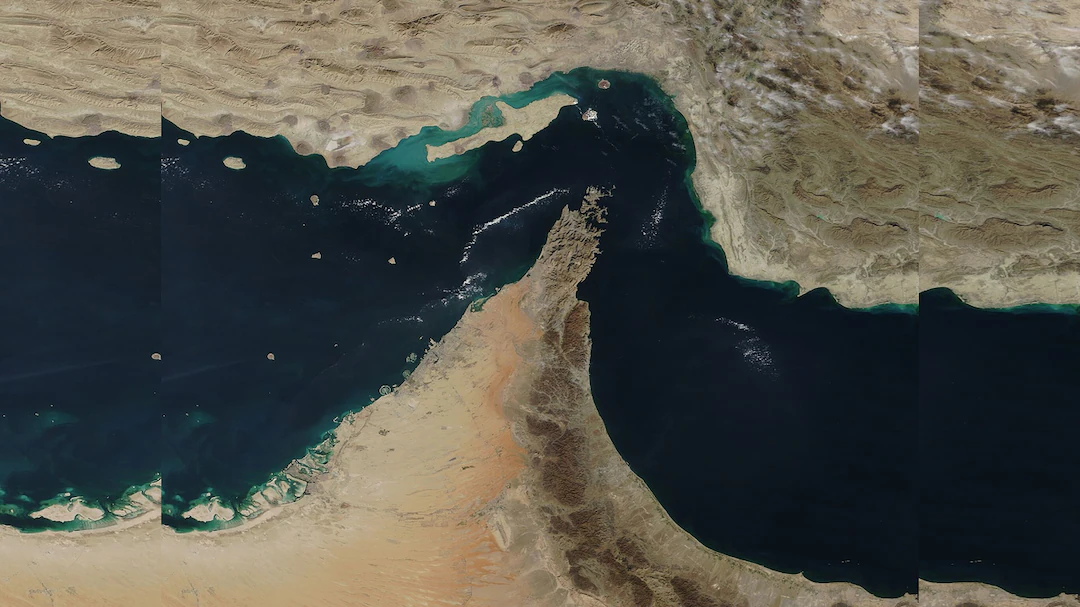
A total of 26 commercial vessels, including oil tankers and container ships, safely transited through the strategically important Strait of Hormuz over a 24-hour period, according to the Islamic Revolutionary Guard Corps (IRGC) Navy.
The development has raised hopes that shipping activity through one of the world’s most critical energy chokepoints may gradually return to normal amid heightened regional tensions.
In a statement posted on X, the IRGC Navy said the vessels passed through the strait in coordination with Iranian naval authorities.
ALSO READ | Trump Confirms Iran Talks In ‘Final Stages’; Saudi Media Says Next Round After Hajj Season
The update was also shared by the Tehran Times on its official X handle, which reported that the ships had crossed the waterway under coordination with the IRGC Navy.
“The Command of the IRGC Navy: In the past 24 hours, 26 ships, including oil tankers, container ships, and other commercial vessels, have passed through the Strait of Hormuz with the coordination and security provided by the Islamic Revolutionary Guard Corps Navy,” reported Tehran Times.
Islamic Revolutionary Guard Corps Navy: 26 Ships passed through in coordination with the IRGC Navy pic.twitter.com/d5fUhW42EM
— Tehran Times (@TehranTimes79) May 20, 2026
According to the IRGC, these transits were only permitted under the “coordination and security provided by the IRGC Navy” following the acquisition of the required authorisations.
South Korea announced that one of its oil tankers safely crossed the strait for the first time since the start of the war, despite Iran not publishing a complete registry of authorised boats.
The ongoing geopolitical confrontations in the Middle East are directly responsible for the current toll and permit regime.
ALSO READ | India Prepares to Send Oil Tankers Through Hormuz for New Supply
Since the start of its air conflict with the United States and Israel on Feb. 28, Iran has severely limited and blocked transportation through the Strait of Hormuz.
Tehran formally formed the Persian Gulf Strait Authority to supervise and enforce its stringent authorisation requirements for all passing commercial traffic in order to institutionalise its control over the waterway.
An average of 138 ships passed through the strait every day before the conflict. Even while it is better than a total shutdown, the current statistic of 26 vessels shows a significant decline in typical energy trading volumes.
Essential Business Intelligence,
Continuous LIVE TV,
Sharp Market Insights,
Practical Personal Finance Advice and
Latest Stories — On NDTV Profit.

