
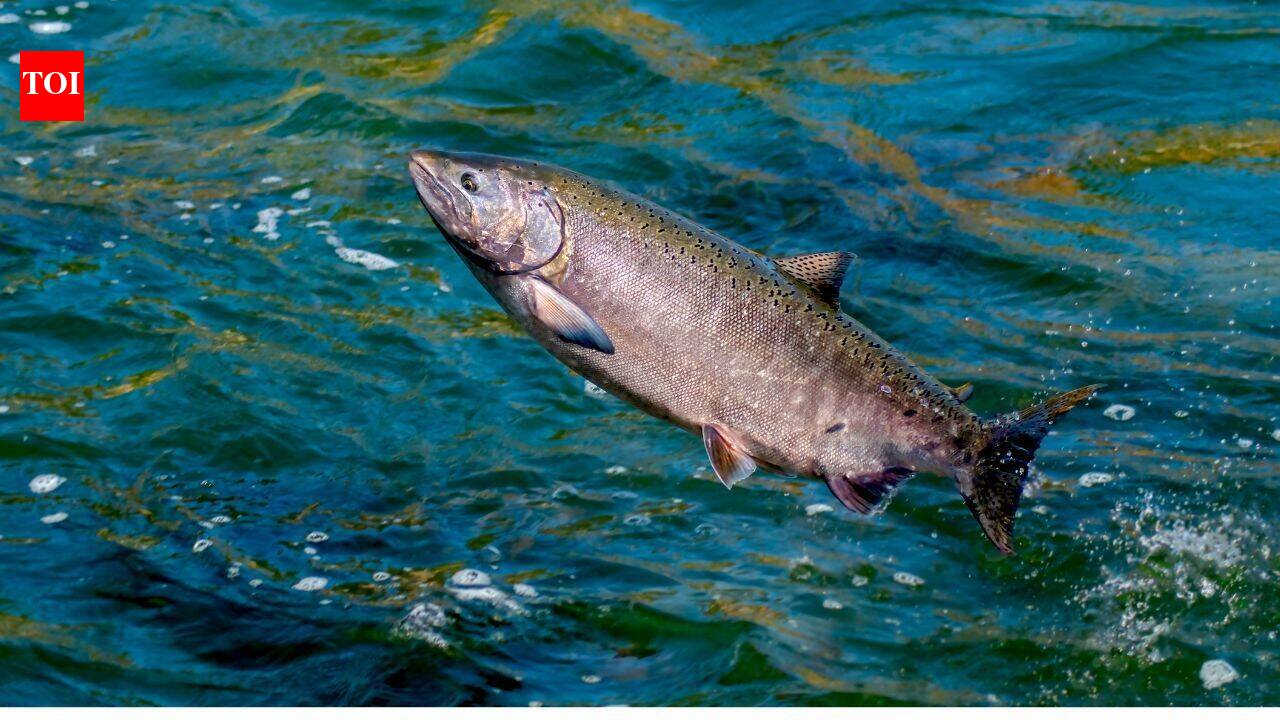
Conservation efforts have to be carefully chosen based on the geography and its history. The salmon habitat on the Tuolumne River disappeared years ago when the plains were dug through for the precious gold. A century later restoration efforts for 20 acres of this floodplain have been provided with a $3.39 million grant.In the 1900s, Chinook salmon and Central Valley steelhead used to lay their eggs at the Tuolumne River which lies just downstream from the town of La Grange, in Stanislaus County. In the early 1900s, the machines were put to dig through the riverbed and floodplain here. When the gold ran out, the ecosystem did not automatically recover, it was just bare ridges of rock with barely any soil left. The environment did not remain suitable for the salmon and steelhead to spawn. The Yosemite Rivers Alliance, the Sonora-based nonprofit working on the river, put it plainly: almost none of it works for fish.On November 19, the state’s Wildlife Conservation Board (WCB) approved $99.7 million for 24 projects in 17 counties. One of them is a $3.39 million grant to the Yosemite Rivers Alliance for 20 acres of habitat at La Grange.Under the project, the California Department of Fish and Wildlife along with the Yosemite Rivers Alliance will carve out four acres of new side channels and reconnect another sixteen acres of historic floodplain to the river. Crews will also spread fresh spawning gravel along the riverbed and place logs and boulders in the water, giving young fish spots to hide and rest. Native plants will go in along the banks to hold the new ground in place.This is the second and final part of Phase 2, following restoration work of WCB that was funded in February 2026.
What “reconnecting” means for a baby salmon
The project will focus on lowering the riverbanks and rebuilding them with porous material that wetland plants can take root in. Thereafter, when the river rises, water will spread across those banks, and baby salmon can swim up onto them.Once there, the young fish feed on small insects and find cover from predators. Non-native bass are common in the river and readily prey on small salmon in open water, so a shallow, planted floodplain gives the baby fishes a safer place to grow larger and stronger before they move downstream. In this way, the restored banks and side channels bring back the kind of nursery habitat that was removed historically.
Not the first efforts
The project is not starting from scratch, a part of the project is already finished. On Sept. 4, project managers, partners and neighbors watched the river flow into a newly built meander. Five days later, crews finished a berm across the old main channel, and the river now runs entirely through the new bend. That adds about a quarter-mile of river channel at La Grange. The fish were due back in October.
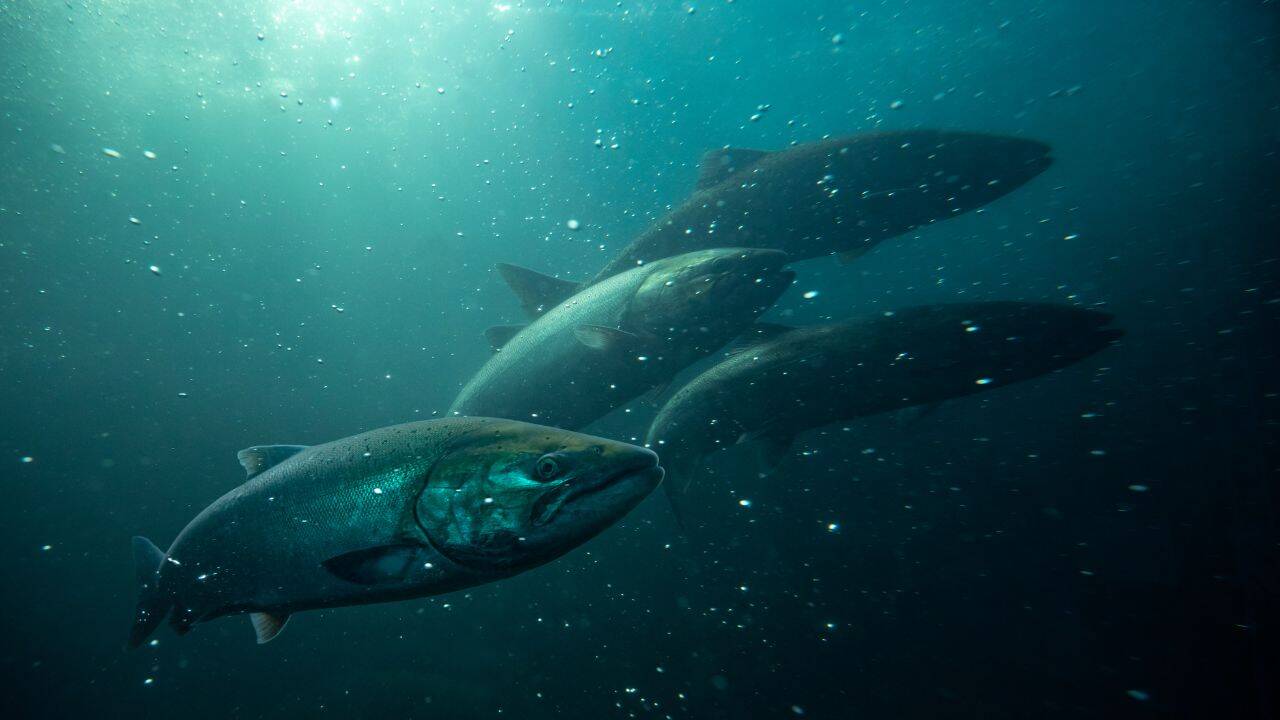
Salmon fish underwater (Image Credit: Canva)
The old landscape had an odd history of its own. An aerial photo the nonprofit shared, estimated at 60 to 75 years old, shows mining tailings piled along the banks and the river shoved north into a narrow path. Those tailings were later scraped up and hauled off as material for New Don Pedro Dam, which left the banks barren and armored with cobble.
The funding and the organisations involved
Since 2020, about $8.5 million has gone into planning, designing, permitting and building the first two phases of the La Grange Salmon Habitat Restoration Project. About 85% of that came from two state grants, one from the Department of Water Resources and one from WCB. The rest came from the National Fish and Wildlife Foundation, the Department of Fish and Wildlife’s Office of Spill Prevention and Response, the Bonneville Environmental Foundation and nonprofit members.There are various organisations involved in the project. They include the engineering firms FlowWest and Applied River Sciences, Triangle Land Restoration, the Chicken Ranch Rancheria of Me-Wuk Indians of California, Stanislaus Fly Fishers, the Merced-Tuolumne Salmon Alliance, the Upper Merced Watershed Council, Stanislaus County Parks and Recreation, and several landowners who gave up ground to make room for the river.


