










Milk is one of the most widely consumed dairy products worldwide and serves as an important source of calcium, protein, vitamins, and other essential nutrients. (Image: X)
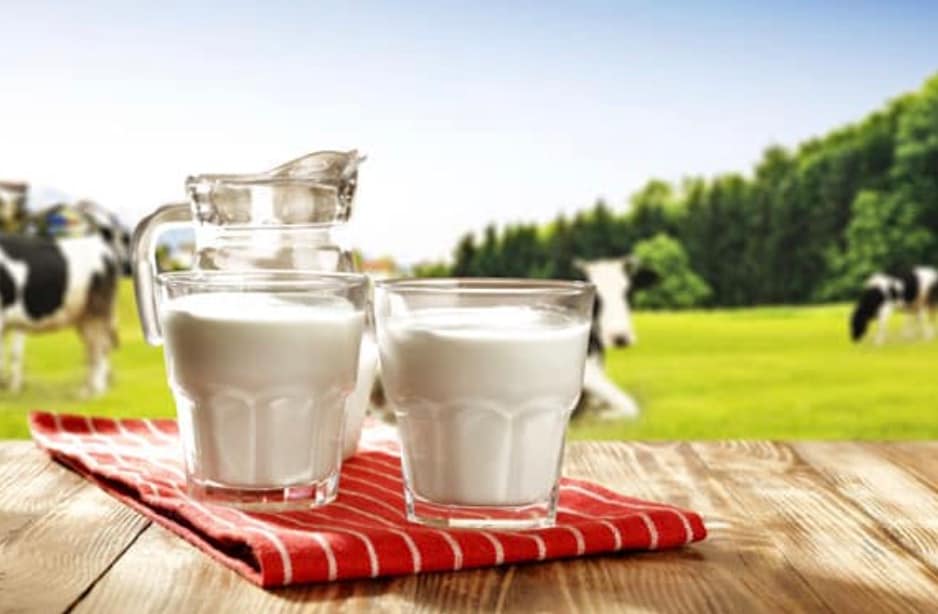
However, dairy consumption differs greatly between countries due to variations in dietary habits, agricultural production, and the availability of dairy products. In many regions, milk and dairy foods play a central role in daily nutrition and traditional diets. (Image: X)

Denmark ranks among the countries with the highest milk consumption per person in the world. On average, people in Denmark consume about 395 kilograms of milk per person each year, placing the country at the top globally. Dairy products form a key part of the Danish diet and are widely enjoyed as milk, cheese, butter, yogurt, and other dairy foods. (Image: X)

Denmark has a long-standing tradition of dairy farming and milk consumption. Its agricultural sector places a strong emphasis on dairy production, and milk-based products are a regular part of daily meals. Danish cuisine often features cheese, butter, yogurt, and milk, which helps explain the country’s high levels of dairy consumption. (Image: X)

People in Denmark consume nearly 395 kilograms of milk per person each year, making it the highest in the world. This figure far exceeds the global average and highlights Denmark’s deep-rooted dairy culture and its highly developed dairy industry. (Image: X)
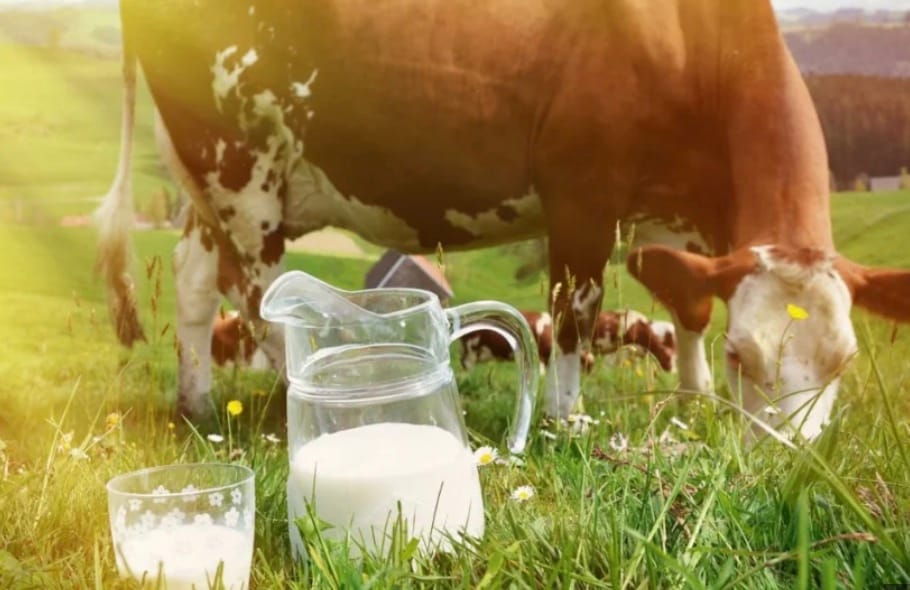
Several European nations also rank among the world’s top milk consumers. Countries like Montenegro, Estonia, Ireland, and Switzerland have high per-capita milk consumption, driven by long-standing dairy farming traditions and the frequent inclusion of milk products in daily diets. (Image: X)