
Want to bookmark your favourite articles and stories to read or reference later? Start your Independent Membership today.
Already a member?
Log in
As winter brings shorter days, discussions frequently turn towards vitamin D, raising questions about the actual role this crucial nutrient plays in maintaining our health.
“Vitamin D helps support calcium and phosphorus absorption, so is really important for bone and muscle health,” explains Katie Sanders, Doctify-rated dietitian and nutritionist. “It does seem to have a role in immune function as well.”
Direct sunlight provides our primary source of vitamin D, which explains its popular moniker as the “sunshine vitamin”.
“During the spring and summer, if we go outside regularly, our bodies can usually make enough vitamin D. However, due to the reduced exposure of UV rays and sunlight in the winter months our levels tend to dip,” says Sanders.
According to information published on the NHS website, a deficiency in the nutrient can result in bone deformities like rickets among children, as well as bone pain from a condition called osteomalacia in adults.
A range of dietary items are heavily marketed as excellent sources of vitamin D, but can food intake alone raise our sunshine vitamin levels throughout the darker, colder months of the year? Here is Sanders’ perspective…
How much vitamin D do we need on a daily basis?
“For children from the age of one and adults, the official NHS recommendation is 10 micrograms of vitamin D a day,” says Sanders.

This includes pregnant and breastfeeding women, and people at risk of vitamin D deficiency, according to the NHS website.
“However, for infants under one, the recommendation is eight-and-a-half-to-10 micrograms.”
What foods are good sources of vitamin D?
Salmon
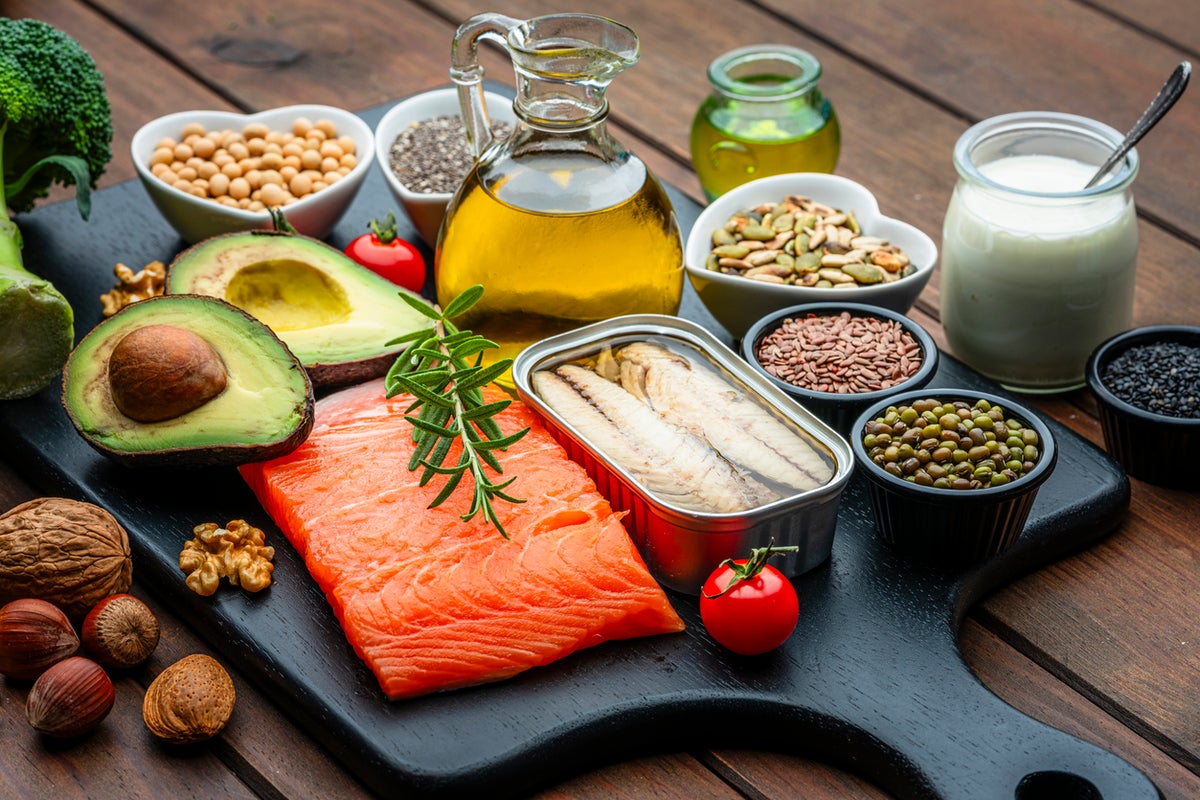
A succulent fillet of salmon is one of the highest natural food sources of vitamin D.
Per 100g of steamed salmon there is around 9.3 micrograms of vitamin D, according to the British Heart Foundation‘s website.
“Having oily fish like salmon a couple of times a week is really great for heart health,” says Sanders.
There are many different ways to cook a salmon fillet, ranging from quick high-heat methods to gentle, low-temperature techniques.

“Personally, I like to poach salmon because it’s really quick and easy, but you could also roast or pan fry it,” says the dietitian.
Cooking salmon in an air fryer is also super quick, and gives you a crispy, golden exterior and a tender, flaky interior.
“Sometimes I just stick salmon fillets in the air fryer with a tiny drizzle of olive oil. You don’t have to do very much with it,” says Sanders.
Serve with new potatoes or over rice with an assortment of vegetables to add colour.
Mackerel
Another oily fish bursting with vitamin D that Sanders recommends is mackerel.
According to the British Heart Foundation, 100g of grilled mackerel provides an average of 8.5 micrograms of vitamin D.
“A simple, easy way to cook mackerel would be to grill it or pan fry it,” advises Sanders. “You could drizzle a little bit of olive oil over it or squeeze some lemon onto it.”
Tinned mackerel can be a great, and much cheaper, alternative to salmon.

When serving mackerel, or any other protein, Sanders recommends splitting up your plate into thirds to help create a balanced meal.
“One third of your plate could be mackerel for lean protein, then another third is your starchy carbohydrate, which could be new potatoes, and the last third could be vegetables or salad,” suggests Sanders.
“If you always have those three things categories in mind and choose something that you like from each of the options, you’ll always have quite a good balanced meal.”
Eggs
One egg contains around 1.7 micrograms of vitamin D, according to the British Heart Foundation.
Eggs are incredibly versatile, and can be cooked and incorporated into many different meals.
“There are lots of simple ways to include more eggs into your diet,” says Sanders. “Some people like boiled eggs or scrambled eggs in the morning, or like a boiled egg as an easy snack during the day.”
She recommends using eggs to make a healthy omelette for lunch.

“I personally just do eggs, a little splash of milk, and some vegetables such as tomatoes or mushrooms with it too to make it more balanced,” says the dietitian. “You could also add a bit of cheese to it, too.”
Sanders says the more colour that you can add to your plate, the better.
“Get a bit of colour and variety into your meals because the different colours of vegetables represent different nutrients, vitamins and minerals,” she explains.
Fortified foods
While browsing the dairy and cereal supermarket aisles, you may have noticed that lots of products are marketed with “added vitamin D” labels.
“There are lots of food products that are fortified with vitamin D such as plant-based milk alternatives, breakfast cereals, yoghurts and spreads,” says Sanders.
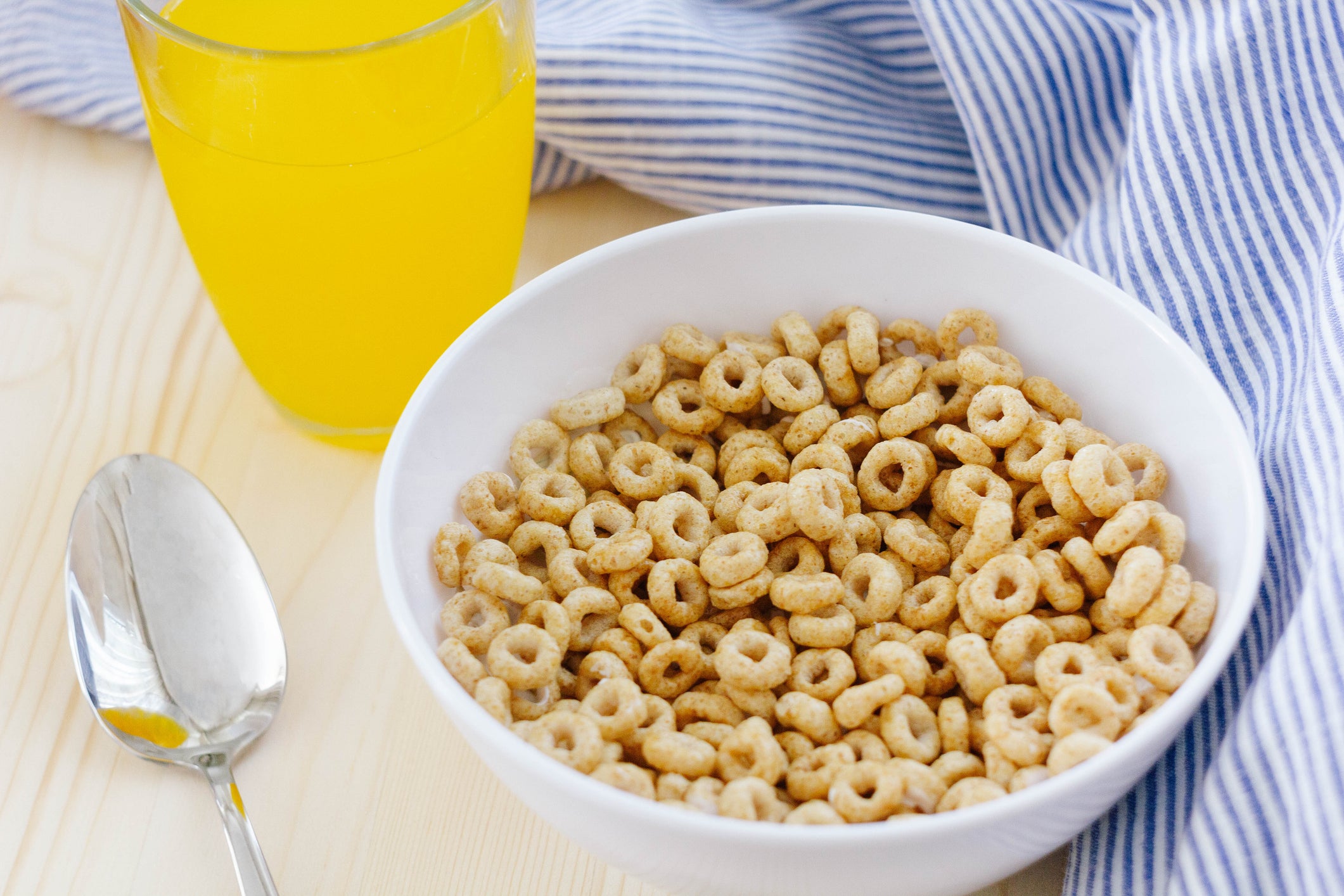
While vitamin D isn’t naturally found in these fortified foods, adding it to everyday items helps boost your intake.
Is it possible to get enough vitamin D through diet alone?
“Although we can get vitamin D from food, we don’t get very much of it from food,” says Sanders. “Most of the vitamin D that our bodies make is from the sunlight, but because there is a lack of the UV and sunlight in the winter months, a lot of us would need to probably consider taking a vitamin D supplement this time of year.”
The NHS website states that the government advises everyone to consider taking a daily supplement containing 10 micrograms of vitamin D during the autumn and winter.
Some people will not make enough vitamin D from sunlight because they have very little or no sunshine exposure.
“If somebody is at more risk of a vitamin D deficiency, for example somebody in a nursing home who doesn’t spend much time outside, they might need to take a vitamin D supplement all year round,” says Sanders.
“People with dark skin are also advised to take a supplement all year round.”
If you suspect that you have a vitamin D deficiency, you should speak with a GP or healthcare provider to discuss getting a simple blood test.
“There are cut-off levels for vitamin D insufficient and deficient,” explains Sanders. “If somebody is clinically deficient and has a very low vitamin D, a GP might prescribe a high dose to bring levels back up to a normal range.”


