
Top U.S. oil and gas executives have sold hundreds of millions of dollars’ worth of stock in their own companies since the Iran war triggered a supply crunch that sent energy prices soaring, according to a new analysis shared with The New York Times.
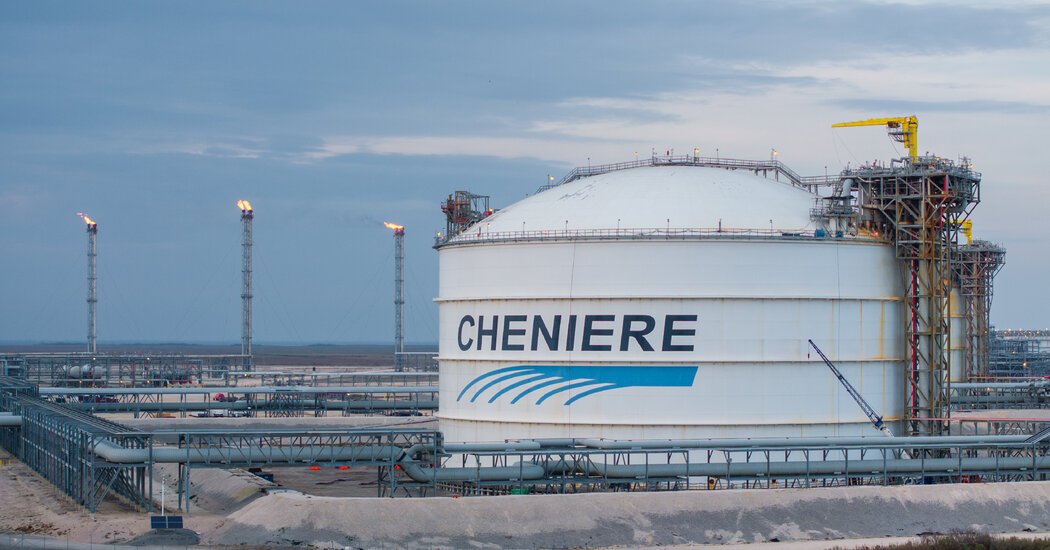
Insiders have sold almost $400 million in fossil fuel company stocks in the months since the start of the war, researchers at the environmental nonprofit group Friends of the Earth found. Share prices in the companies rose after the United States and Israel first attacked Iran. Executives at ConocoPhillips reported the highest sales, totaling $96 million. Senior leaders at the natural gas exporters Cheniere Energy and Venture Global came in second and third.
For all three companies, the value of executives’ total stock sales in the months since the start of the war is already higher than it was for all of 2025. (Diamondback Energy also reported high insider sales, but the analysis determined they were largely unrelated to the war.)
The figures were compiled from documents filed with the Securities and Exchange Commission when insiders like executives, board members or major shareholders at public companies buy or sell stakes in their firms.
It’s not illegal for corporate leaders to trade company stock, and perhaps it’s obvious that a shareholder would sell stocks when they are trading at a relatively high price. But critics argue that oil and gas companies’ robust profits since the start of the war have come at the expense of people who are stuck paying more for electricity and gasoline. Some Democratic policymakers have called for windfall taxes that reclaim a portion of those big profits. Such a policy would not directly affect executives selling shares, but it could restrain stock price increases, which might lead to less insider sales activity.
“Fossil gas exporters like Cheniere and Venture are putting upward pressure on consumer costs for the entire country,” said Lukas Shankar-Ross, a deputy program director at Friends of the Earth who led the research. “Their executives are also using Trump’s war to mint dynastic wealth for themselves.”
In the coming weeks, several oil and gas companies will report their second-quarter earnings, and we’ll have a fuller picture of how they’ve fared since the Strait of Hormuz was shut down, choking off oil and gas exports from the Middle East. TotalEnergies, a French company that has already announced its results, just reported its best quarter in nearly three years.
Big swings, big sales
In March, as ConocoPhillips’s stock price marched steadily upward, Ryan Lance, the chief executive, sold stocks in two transactions totaling nearly $80 million. (One transaction involved buying shares at a discount and then immediately selling them, so his net profits were lower than $80 million.)
The $15 million worth of shares sold from his family trust on March 31 fetched an average price that was 43 percent higher than the last time he reported selling shares, in December. The next day, the company’s stock closed almost $4 lower, a decline of roughly 3 percent.
The Cheniere Energy executive vice president and chief commercial officer, Anatol Feygin, also sold stock at a particularly good time, liquidating $11.7 million in shares in late March just one day before the company’s stock closed at a new high. The executive vice president, Sean Markowitz, sold $6.4 million in shares on the same day.
ConocoPhillips declined to comment. Cheniere Energy and Venture Global did not respond to requests for comment.
Sehwa Kim, an associate professor of accounting at Columbia Business School, said it made sense that rising oil and gas prices would lead to rising stock prices for oil and gas companies, which would in turn prompt executives to liquidate their shares.
“In terms of incentives, I think this is perfectly aligned from what we expect,” Dr. Kim said.
On the other hand, the sales spike could be read as a tacit acknowledgment that recent stock price increases are tied more to specific geopolitical circumstances than a company’s business strategy. In other words, the stock price is expected to fall when the war is over.
“If you expect that it’s going to go on forever, then you’re not going to sell,” Dr. Kim said.
Proponents of windfall taxes have argued that corporate profits from recent increases in oil and gas prices should be taxed at a higher rate because they are the result of war, not exceptional business performance. Windfall taxes could be used to build renewable energy or offer refunds to consumers affected by inflation, the idea goes.
Right now, windfall taxes on the energy sector do not have Republican support.
France and Spain race to contain fires before another heat wave hits
Firefighters in Spain and France were racing against the clock on Tuesday to keep ferocious wildfires near Madrid and Bordeaux in check before a scorching heat wave hits the area, which could worsen the largest blazes the countries have faced in their modern history.
Temperatures in some areas are expected to reach 104 degrees Fahrenheit, or 40 degrees Celsius, later this week.
The fires have consumed scores of houses and burned hundreds of thousands of acres of land in both countries, highlighting the challenge faced by Europe as summers grow increasingly hot and wildfires become more widespread. Read more.

