
Want to bookmark your favourite articles and stories to read or reference later? Start your Independent Membership today.
Already a member?
Log in
An e-reader styled in a rich ube purple, a sofa upholstered in a shade echoing dill pickles, and a handheld cooling fan taking cues from a coffee shop menu illustrate a growing shift in modern design.
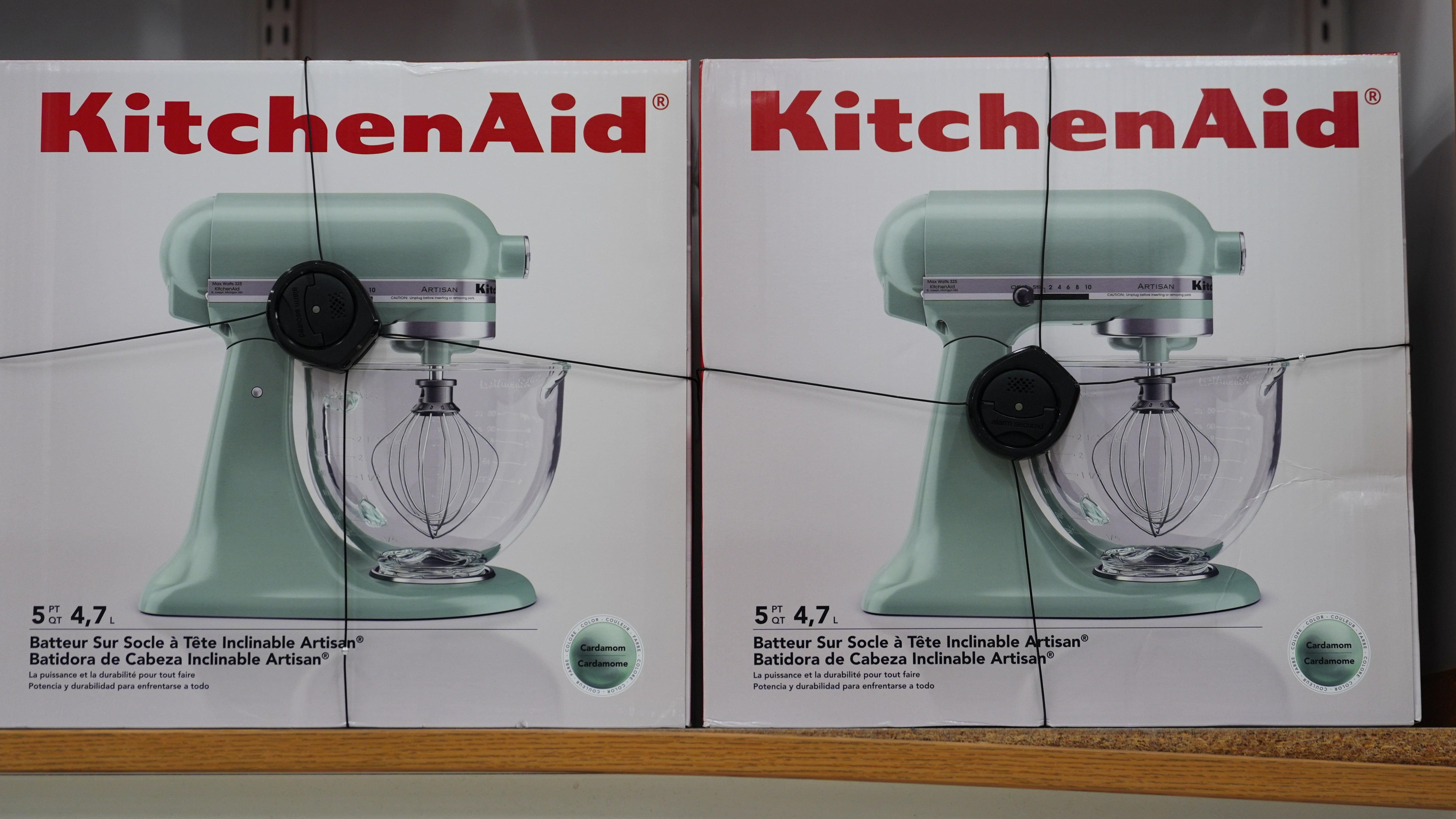
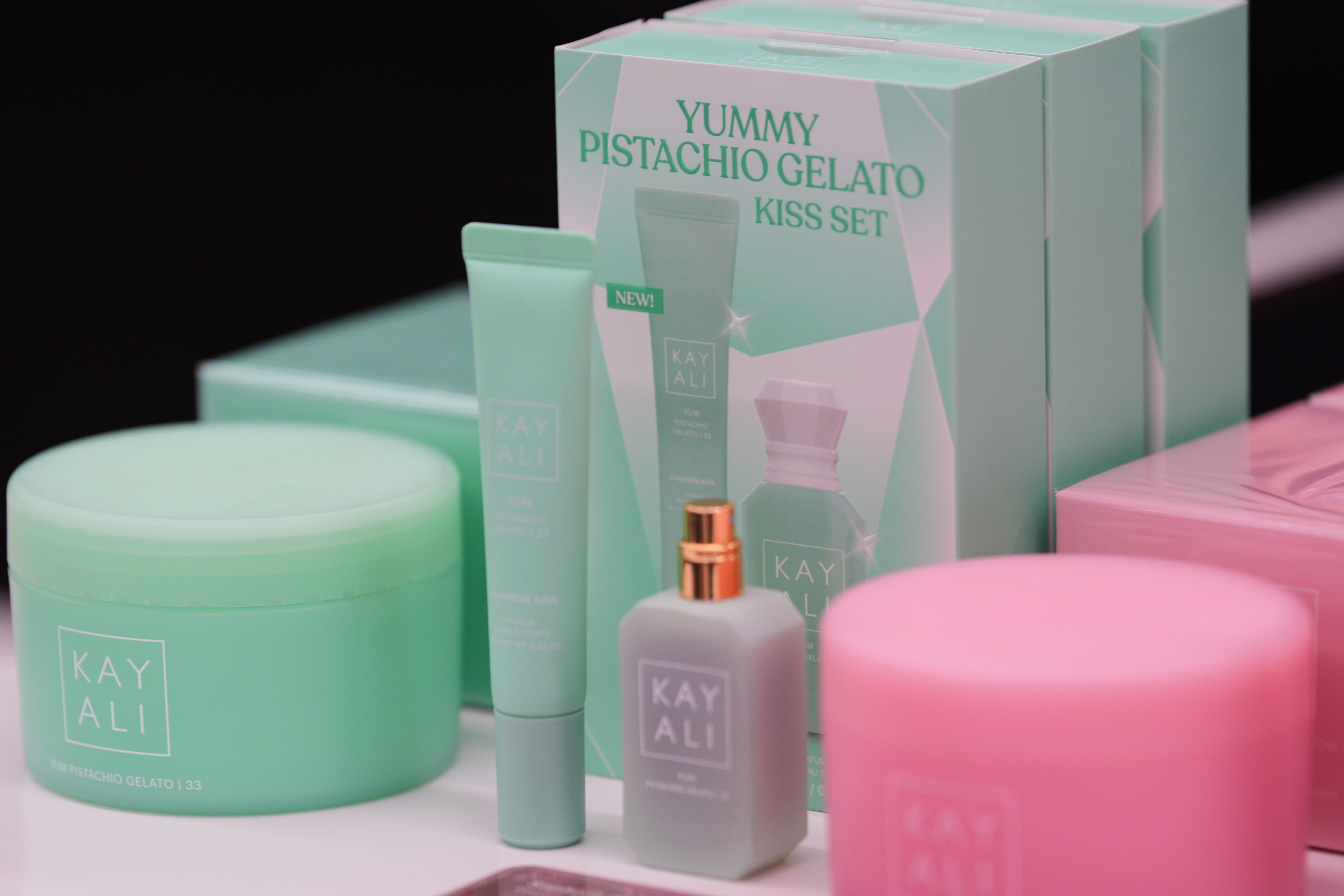
Culinary trends are moving far past the kitchen, with terms such as matcha green, butter yellow, cherry red, and dragon fruit pink becoming staple vocabulary in advertising for technology, furniture, and everyday consumer items.
Retail analysts and industry leaders note that shades tied to food and drink can stir up memories, textures, and flavors, offering products a deeper sensory appeal than basic visual aesthetics. The widespread prevalence of culinary content across social media platforms has further reinforced these connections for shoppers, experts note.
Amazon launched a new range of Kindle e-readers in five distinct shades last month, featuring a vivid lavender called Ube, named after the purple yam commonly used in Filipino sweets and specialty beverages. The collection also included a Fig shade, which multiple reviewers compared to plum, eggplant, or wine.
“This is about helping make technology feel more human,” Chris Green, vice president of industrial design at Amazon Lab126, said. “Food-inspired colorways and artisanal finishes signal that a product belongs in your life, not just on your desk.”
Green remarked that culinary developments offer designers “strong cultural baselines before physical products reach retail shelves.” He explained that a matcha-colored Kindle released in 2024 emerged after the design team identified a “clear overlap between cozy reading and cafe culture aesthetics.” It subsequently became the company’s top-selling Kindle in a non-neutral shade.
Food-inspired colors appear across product categories
These culinary-themed hues are spreading across various consumer categories. Appliance maker SharkNinja reported that it now features 30 food-inspired shades across its American product lines, more than double its offering from the previous year.
The lineup includes air fryers in Butter Yellow and Ginger Snap, a blender offered in Lavender Lemonade and Watermelon Bubblegum, hair styling tools in Strawberry Matcha and Black Cherry, and a personal fan in Dragon Fruit, Iced Latte, and Matcha.
Drawing visual inspiration from edibles is not entirely new. In the late 1920s, an Iowa seed firm included apple green among 20 house paint shades in its catalog, while an Illinois manufacturer promoted butter yellow steel kitchen units in the mid-1950s. Decades later, avocado green fixtures and appliances defined American domestic interiors throughout the 1960s and 1970s.
Laurie Pressman, vice president of the Pantone Color Institute, attributes part of the current fascination with culinary shades to the COVID-19 pandemic, during which many individuals spent extended time cooking and baking at home. Imagery shared on TikTok and Instagram has continued to broaden food’s cultural reach, Pressman observed.
People “got used to seeing these more healthful hues and started bringing them into their homes,” she said. Food has become “one more place for inspiration for, ‘What colors do I want to wear?’”
For college freshman Samantha Shepherd, 18, who attends Texas Christian University in Fort Worth, Texas, a fondness for matcha beverages led her to decorate her dorm room with matcha-toned pillows, matching bedspread accents, and green stationery.
“The matcha color in my room specifically brings a lot of peaceful feelings,” Shepherd said. “It’s light-hearted, soft, just comforting tones.”
Butter yellow eclipses light yellow in eBay searches for clothing
Online searches reflect this growing interest. E-commerce giant eBay reported that worldwide searches for apparel and accessories in carrot cake, cinnamon brown, and merlot red rose over the first nine months of the year. During that same window, butter yellow generated 50% more queries than light yellow across those categories. On Pinterest, queries for butter yellow bedroom concepts surged by 1,200% in September 2026 compared to September 2025, while searches for matcha-toned clothing grew by 500%.
Users are looking for and saving visuals of shades that “feel delicious, nostalgic, and expressive, with rich plums, creamy matchas, cherry reds and espresso browns influencing everything from home decor to fashion and beauty,” Pinterest spokesperson Mike DelMoro said in an email to The Associated Press.
Meanwhile, online furniture platform Wayfair created curated product lines featuring rugs, chairs, sofas, and tables in dill green, cherry, butter yellow, and chocolate brown, including a feature focused on “Spiced Latte Neutrals.”
London-headquartered trend forecasting firm WGSN has been tracking food-adjacent palettes to anticipate shifts in interior design and clothing.
Interior designer recommends moderation
“Food continues to be a much bigger part of consumers’ lifestyles, and the convergence of food with interiors, fashion and homewares is evolving,” Jennifer Creevy, the firm’s director of food and drink, said. “What we are now seeing is that food or drink names carry more depth than pure color chart names.”
Paint manufacturers have long used evocative naming strategies to market shades of beige and white. Sherwin-Williams reported that Latte ranked among its top choices during the Tuscan decor movement of the 2000s, while contemporary brand Clare sells paint titled Matcha Latte, Avocado Toast, Dirty Chai, and Sriracha.
Portland, Oregon-based interior designer Eric Goranson, who hosts the radio program and podcast “Around the House,” noticed tangerine sinks at an industry expo in Florida in February and intends to use a matcha shade for a wall in his own powder room.
However, Goranson cautions against overusing intense or trending shades on permanent features, pointing out that an accent wall or citrus bath towels require far less commitment than installing fixtures reminiscent of 1970s avocado green bathrooms.
“These trends can easily become obsolete in a few years,” he said.

