
Want to bookmark your favourite articles and stories to read or reference later? Start your Independent Membership today.
Already a member?
Log in
If your stomach is growling and your energy is low, a smoothie might not be the first thing that you reach for in the kitchen.
However, nutrition experts say shakes can be an efficient and healthy option to help fill in the gaps of your diet, although most of your nourishment should ideally be coming from a well-balanced diet.
The option is only becoming more and more popular amid “protein-maxxing” trends — with Circana’s recent Eating Patterns in America study reporting that more than 48 percent of American adults are seeking out more protein in their diets — and a weight loss craze fueled by GLP-1s sweeping the country.
But while protein drinks and meal replacement shakes can provide substance in between meals, dietitians have a lot to say about whether they could replace breakfast, lunch and dinner entirely.
Below, we spoke with an expert nutritionist to gain more insight on the pros and cons of drinking shakes instead of eating meals.
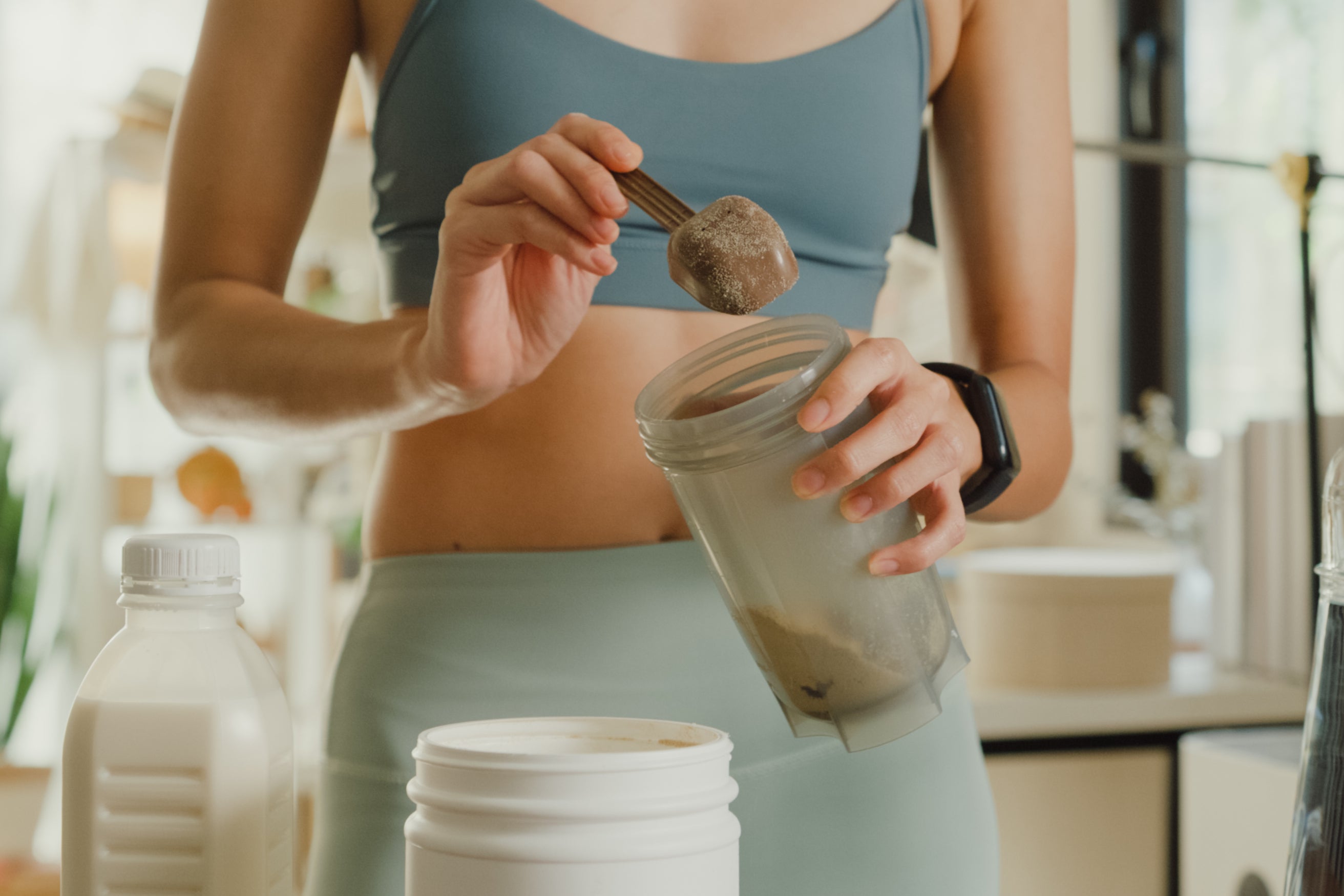
Kylie King, a registered dietitian who has specialized in behavioral weight loss for more than 15 years, told The Independent that in the best case scenario, meal replacement shakes are full of calories, protein, carbohydrates and a mix of vitamins and materials to mimic a real meal.
“They’re substantial enough to provide you with the energy you need until your next meal,” she said. “I often recommend them to clients who skip breakfast if they’re not hungry enough to eat.”
King added, “I advise thinking of meal replacements as a convenient supplement to, not a substitute for, a balanced diet.”
She said the definitive calorie count of a shake can help to minimize the calculating that often discourages people who are trying to watch their weight, according to a 2019 University of Oxford review of clinical trials. The study showed that adding meal replacements to a weight-loss plan added to more weight lost at the end of one year.
“Convenience is the other major advantage,” she said. “A shake takes no cooking or planning, travels easily, and covers the lunch that would otherwise get skipped on a busy day.”
However, she warned that shakes can only keep you full for so long.
“The main disadvantage is that liquid calories tend to be less filling than the same calories eaten as solid food,” King explained. “Drinking takes less time than chewing, and that shorter time in the mouth gives your body less opportunity to register fullness. This is why some people are hungry an hour after a shake that technically covered the meal.”
She said that if people feel satisfied and full after shakes, then there is no more harm to supplementing with shakes than any other weight loss approach. King noted that the American Diabetes Association recognizes meal replacement plans as a beneficial option for the disease — as long as there is professional monitoring.
“Where I’d be cautious is very low-calorie, shake-only plans, which belong under medical supervision and only for a short period,” she said.
The big concern that King has is with the behavior that comes with shakes.
“A shake manages one meal, but it doesn’t teach you how to manage the meals it isn’t replacing,” she explained. “Shakes work best as a short-term tool while someone builds the habits that keep weight off. People with diabetes or kidney disease, or anyone taking medications affected by changes in diet, should check with their care team before starting.”
So yes, a shake can replace a meal, but it has to function as one. “Many shakes are formulated as protein supplements and come up short on total calories, fiber, carbohydrates and fats, the things that make a meal sustaining,” she said. “If a shake is too low in calories for your personal needs, it tends to backfire. And the hunger usually catches up with you later in the day.”
King recommends pairing a shake with something crunchy, like fruit, so that body can register the chewing as a sign of having eaten.
When choosing a smoothie, look beyond protein and start by picking a drink that has calories that match the meal you are replacing and the energy that you need. King recommends a fiber boost with no more than 10 grams of added sugar.
“Finally, choose one that you enjoy,” she said. “If it’s not truly satisfying, you won’t stick with it. Flavor and texture matter, and research suggests thicker shakes tend to be more filling.”


