Want to bookmark your favourite articles and stories to read or reference later? Start your Independent Membership today.
Already a member?
Log in
If you want to increase your plant collection, now is a great time to collect seeds from your garden to give you more colour and wildlife interest for years to come.
“You can collect seeds from late summer through to the end of autumn,” says conservation scientist Dr Ana Attlee, co-founder of native wildflower seedball company Seedball.
“If you look outside now, there are still things flowering. Cosmos is still going strong, the cornflowers are going mad. I have a second flush of poppies, so you just need to wait until the flowers stop flowering and when they go brown.”
Which seeds are easiest to collect?
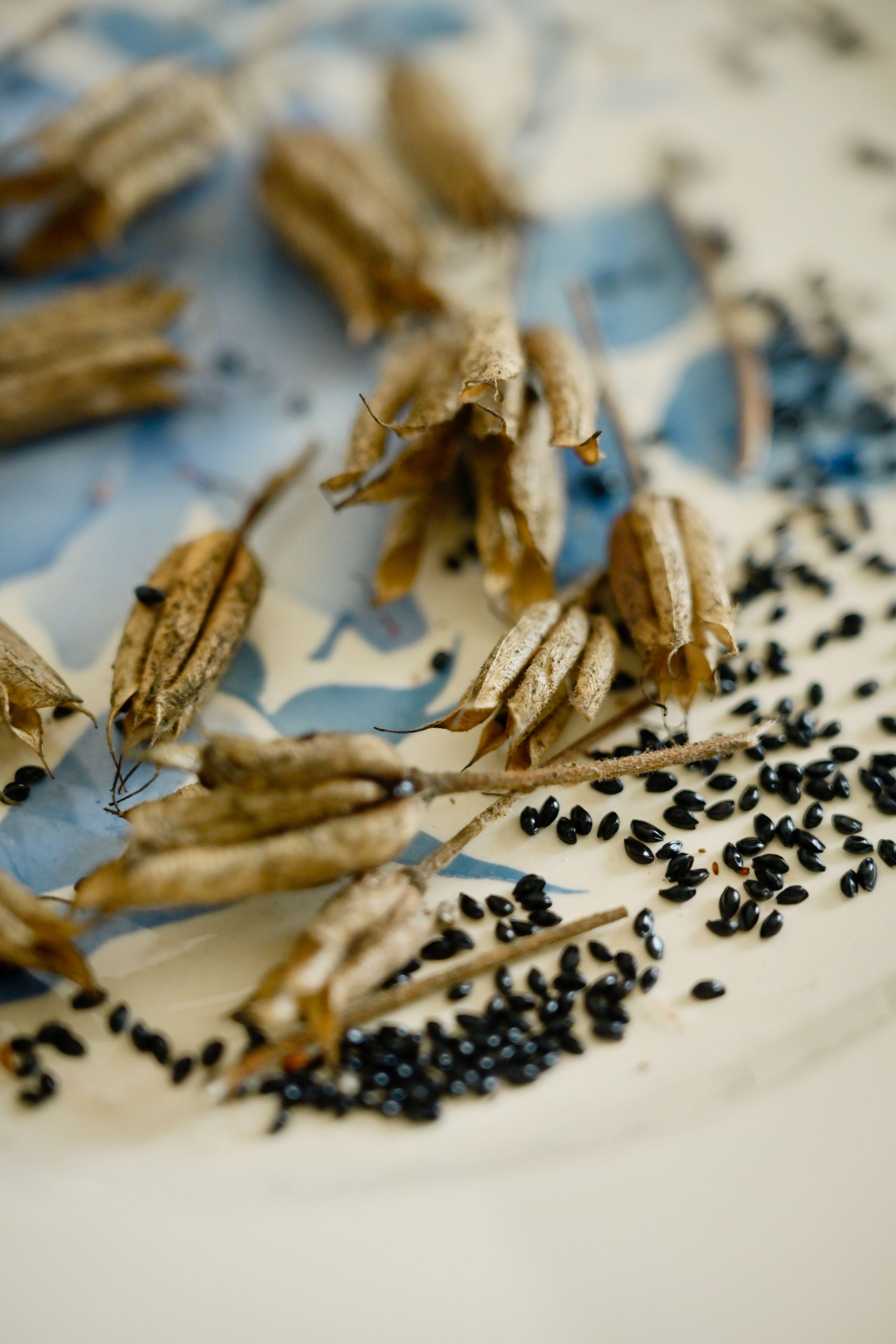
Many popular cottage garden flowers and annuals produce seeds that are easy to harvest, including cornflowers, calendula, cosmos, poppies, nigella (love-in-a-mist), sunflowers and marigolds.
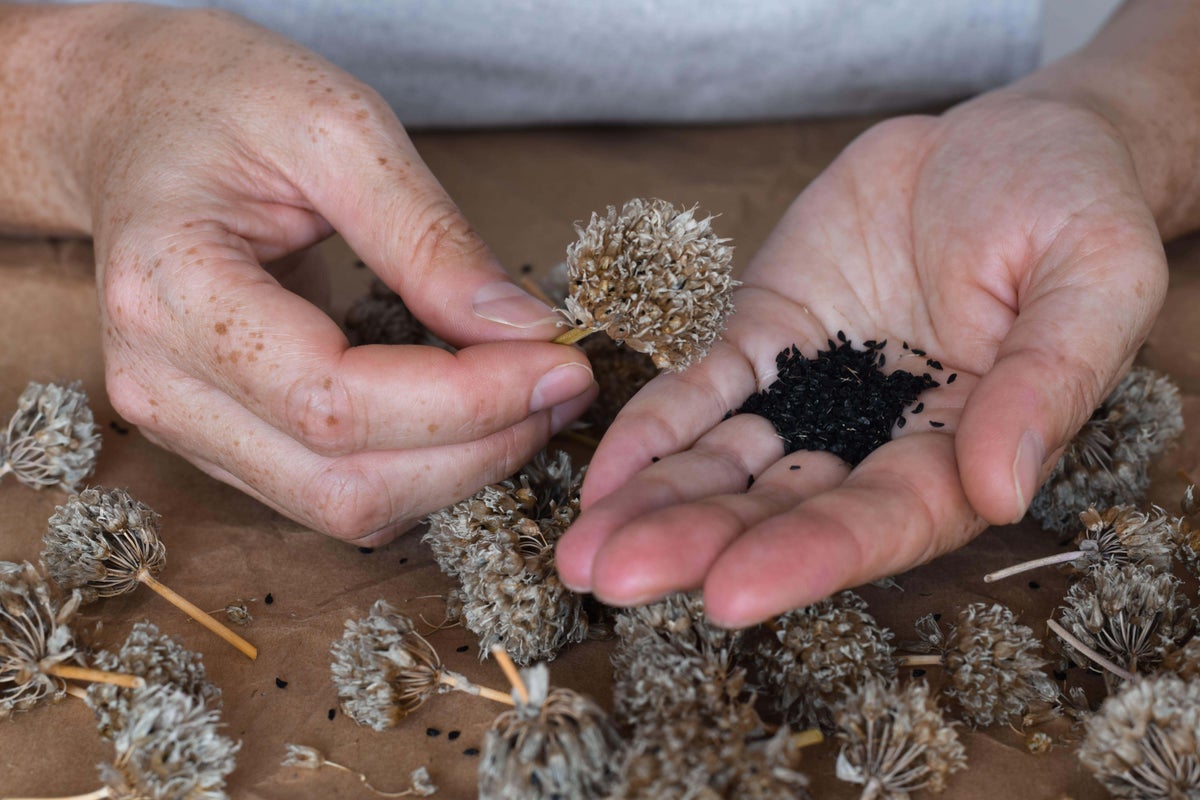
“Wildflowers are all really easy. The ox-eye daisy is super-simple, if you pinch off the flower and just give it a squeeze when it’s dry and a brown colour, the seeds come whizzing off,” says Attlee.
How to collect and store seeds
Timing is everything. Wait until flower heads have faded and the seed heads have turned brown and dry before collecting.
Choose a dry day to collect seeds, gently remove the mature seedheads or shake seeds into a paper bag or envelope, Attlee advises. Allow them to dry completely before storing.
“Even if people are not sure, they can just pick off the whole dried flower, save that and scatter it as a whole, even without squeezing out the individual seeds,” she continues.
“I just pop them into a paper envelope when I’m on a walk and take the kids with me. It’s a really nice activity to go on a ramble and collect some flowers or just walk around the garden and pop some seedheads in an envelope,” she says.
“They will further dry out in the envelope and then just scatter from that little casing. Let them dry out a little bit more on, say, a windowsill before you store them in the envelope.”
With poppies, you can shake them out into an ice cube tray, fill it with water, put it in the freezer and that helps germination, she adds.
Store your seeds in a cool, dry place until sowing next season. Avoid storing seeds in plastic bags, as trapped moisture can encourage mould and reduce germination.
When to sow
“Traditionally, you can save them till spring, but given the really dry conditions we’ve had this year, people need to be scattering their seeds in autumn,” Attlee advises.
“They grow deeper roots and that means they are not at surface level waiting for rain. By the time spring and summer come, they are not desperate for rain.”
So, technically, you could collect seed from a plant and scatter it around your garden on the same day.
If you are scattering seeds on to an exposed area, you may have to use netting to protect them from birds, but if you are doing it in little gaps in an existing bed, the seeds shouldn’t need any protection, she says.
“If you scatter seeds in autumn, they will just germinate when the time is right, depending on the weather. Often, you’ll see a little head start sprouting above the ground, but really the plant is putting all its energy into its roots at that time.”
Alternatively, seeds can be started off indoors in spring, or outside when all risk of frost has passed.
Remember to leave some for wildlife
While collecting seed can be hugely rewarding, Attlee encourages gardeners to think about the wider ecosystem too.
“Seed heads continue to provide value long after flowers have faded,” she explains.
“They provide an important food source for birds throughout autumn and winter, while many insects use hollow stems and seed heads as shelter. Leaving some plants standing until spring can make a real difference to local wildlife.”