

NEWYou can now listen to Fox News articles!
When news broke that Presley Gerber, the 27-year-old son of Cindy Crawford, died Sunday at a California rehab facility, it raised questions about how someone with access to extensive treatment resources could still lose his life to addiction.
According to addiction specialist Dr. Drew Pinsky, Gerber’s case highlights the deadly, progressive nature of substance use disorder — and what he says is a dangerous trend in modern treatment: allowing patients to dictate their own care.
“When I listened to [Gerber’s] video, what struck me and concerned me was that the patient seemed to be determining some of the care,” Pinsky said on his podcast, “Ask Dr. Drew.” “That’s never good.”
PRESLEY GERBER’S DEATH SPARKS QUESTIONS ABOUT OVERDOSE, WITHDRAWAL AND REHAB SAFETY
Pinsky discussed Gerber’s self-reported trip to Mexico for an “ibogaine flood,” referring to a high-dose treatment involving ibogaine, a psychoactive compound derived from an African shrub that has been studied as a potential treatment for substance use disorders but is not approved by the FDA.
Presley Gerber was pronounced dead at a Santa Monica recovery facility on Sept. 20, with an autopsy completed and final toxicology results currently pending. (Getty Images)
“I’ve had patients using ibogaine or ayahuasca for decades, and there’s nothing magic about it, I assure you,” Pinsky warned, noting that almost every patient he’s seen try the alternative drug eventually relapsed on opioids, often suffering personality changes in the process.
Ibogaine remains an unapproved Schedule I substance in the U.S. due to documented risks of fatal heart arrhythmias, according to federal health agencies.
BRAD PITT SAYS HE CAN DRINK IN ‘RESTRAINED MANNER’ AFTER 7 SOBER YEARS, BUT EXPERT RAISES RED FLAG
Pinsky argued that Gerber’s case highlights how patients struggling with severe substance use disorder are often allowed to bypass proven medical protocols in favor of risky alternative therapies.
CLICK HERE TO SIGN UP FOR OUR HEALTH NEWSLETTER
Addressing public shock that the young model died inside a treatment center, Pinsky emphasized that high-end rehab centers cannot magically halt severe opioid dependence.
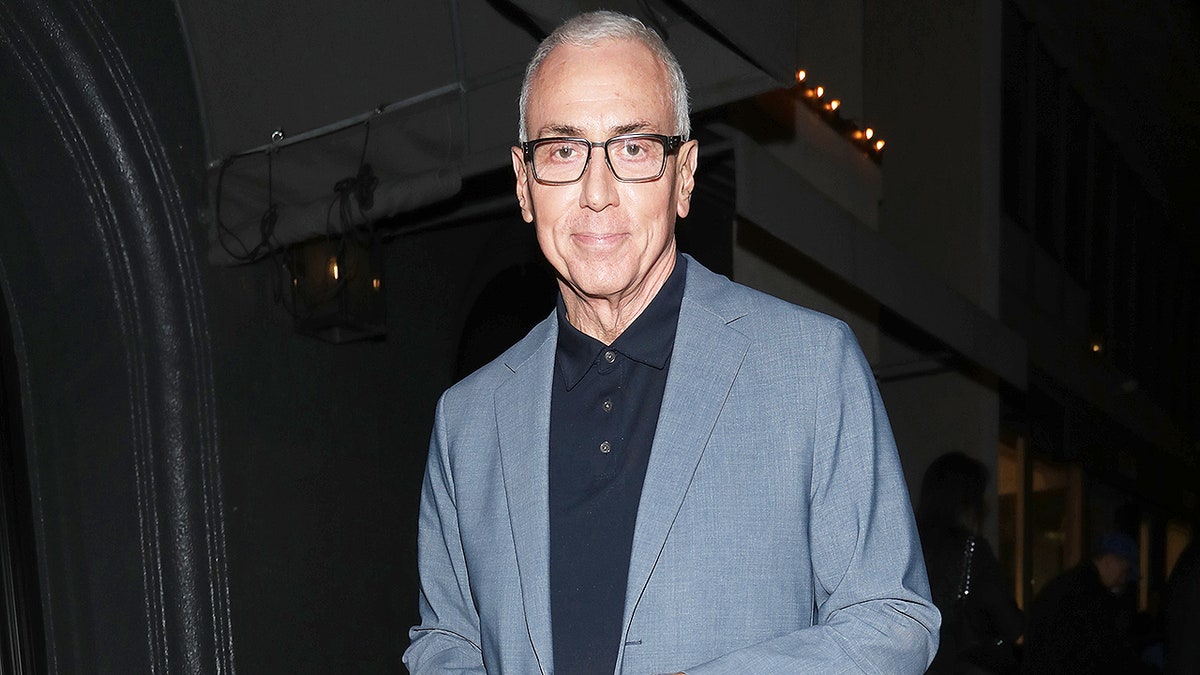
Pinsky and other health experts maintain that families must seek fully licensed facilities that rely on evidence-based, FDA-approved medications for opioid use disorder. (jfizzy/Star Max/GC Images/Getty Images)
“Opioid addiction is progressive and it ends in death,” Pinsky said. “Even with good treatment, it has a worse prognosis than most cancers … If they are not moving toward recovery, they are moving toward demise.”
TEST YOURSELF WITH OUR LATEST LIFESTYLE QUIZ
While official toxicology results from the Los Angeles County Medical Examiner’s Office are still pending, emergency dispatch logs indicate that 911 was called to Gerber’s facility for a suspected overdose and cardiac arrest.
CLICK HERE FOR MORE HEALTH STORIES
Dr. Nicholas Kardaris, an addiction expert and CEO of the New York Center for Living, noted that the period inside or immediately following rehab is often the most dangerous window a patient faces.
Pinsky warned that allowing patients struggling with addiction to dictate their own clinical treatments often undermines recovery and leads to poor outcomes. (iStock)
“People are in rehab because they’re struggling with addiction. It doesn’t mean they’re cured,” Kardaris told Fox News Digital, pointing out that when patients relapse in treatment, their lowered tolerance can turn their usual dose into a fatal one.
CLICK HERE TO DOWNLOAD THE FOX NEWS APP
Medical experts maintain that families needing help for loved ones should seek evidence-based treatment from qualified providers, including FDA-approved medications for opioid use disorders, such as buprenorphine, methadone and naltrexone, when appropriate.

