

Fall and winter mark the peak season for common respiratory infections such as COVID-19; respiratory syncytial virus, or RSV; influenza, better known as the flu; and the common cold. These illnesses often begin with symptoms that look very similar, so telling them apart can be tricky – especially when the beginning of cold and flu season in the fall can be the tail end of summer seasonal allergies.
So if your child comes down with symptoms like a cough, runny nose or sore throat, should you keep them home?
As a primary care pediatric nurse practitioner, I help families make informed decisions about this question and other aspects of their child’s health.
Sending your child to school when they are sick can make recovery longer and spread illness to classmates and school staff. And all of these common infections can have serious consequences for some members of the school community – or their families – who have underlying health conditions that raise the risk of complications.
Parsing symptoms of common bugs
Figuring out whether your child has COVID-19, the flu, RSV or the common cold is important because some of these illnesses can cause serious complications in certain children.
COVID-19 has a higher risk of severe or long-term health effects. The others are not harmless, however. The flu can cause significant illness and hospitalization, and RSV can be especially serious for infants, young children and those with chronic health conditions.
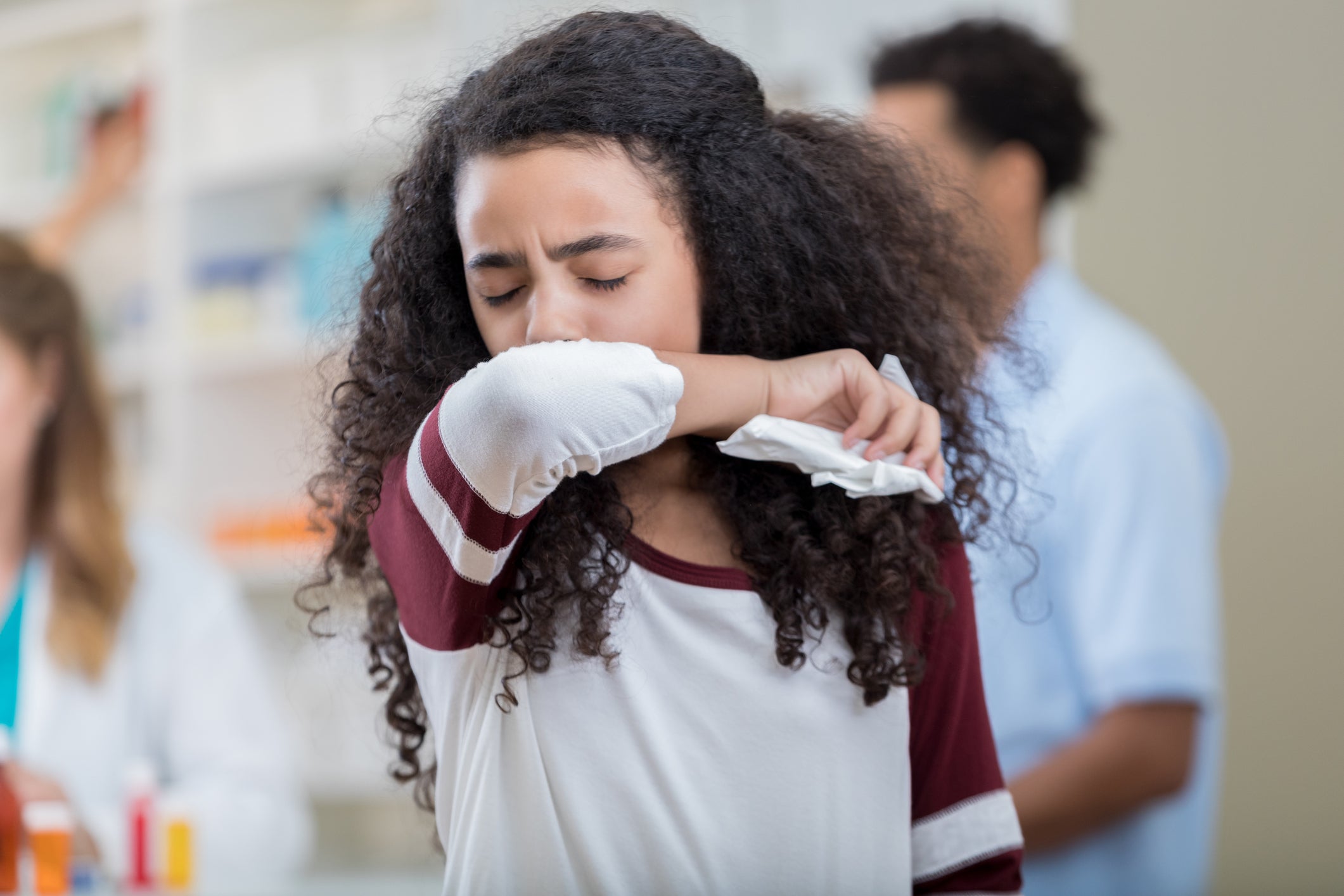
All four of these illnesses spread easily. Keeping children home when they are sick helps reduce that spread, protecting vulnerable children and school staff.
Colds are caused by a variety of viruses – which is why they are so common. Frequent cold symptoms include coughing, sneezing, sore throat and a runny nose. These symptoms are generally mild and usually improve on their own within about 7-10 days.
COVID-19, on the other hand, is caused by a single virus called “severe acute respiratory syndrome coronavirus 2, or SARS-CoV-2.
The symptoms of COVID-19 tend to last longer – 7-14 days, with some lingering for three to four weeks. Beyond common cold symptoms like a cough, sore throat and runny nose, people sick with COVID-19 often have body aches, shortness of breath and difficulty breathing, headache, fatigue, fever and loss of taste and/or smell.
Probably the biggest telltale sign of COVID-19 is stomach symptoms such as abdominal pain, vomiting and diarrhea. Not all children experience these symptoms, but they are not associated with the common cold.
The symptoms of the flu, caused by the influenza A or B virus, tend to come on very quickly, unlike the gradual onset of a cold or COVID-19. Symptoms last about 3-7 days, and they’re very similar to those of COVID-19 – except they don’t include loss of taste or smell.
RSV symptoms align with those of a cold, but include a decreased appetite. Also, RSV affects the lungs and can lead to serious lung infections and hospitalization, especially for infants and toddlers. The symptoms can last three to four weeks.
Ann Sheehan is Assistant Dean for Practice, Innovation, and Professional Education and Associate Professor of Nursing, Michigan State University. This article is republished from The Conversation under a Creative Commons license. Read the original article .
Go to school or stay home?
If your child has symptoms that could be one of these viruses, keeping them home from school is a good idea. It helps protect other children and school staff from becoming ill.
A general rule of thumb for making the call is to consider whether your child can comfortably participate in classroom activities. If the answer is yes, then it’s likely fine to send them to school. But if they’ve had a fever in the past 24 hours, or have diarrhea, nausea or vomiting, it’s best that they stay home and rest.
The American Academy of Pediatrics notes that children with certain medical conditions, including obesity and diabetes, immune system deficiencies and complex medical conditions, may be more likely to become seriously ill if they contract COVID-19, RSV or the flu.
Should my child take a COVID-19 test?
Figuring out from symptoms alone whether your child has COVID-19 is often impossible. A home COVID-19 test can be a useful tool if you suspect COVID-19 – for example, if your child has some of the symptoms or was exposed to someone with COVID-19 – or if your child has a chronic medical condition that puts them at high risk of complications.
A positive result is reliable, but a negative result does not completely rule out a COVID-19 infection. That could be because you made an error in following the testing instructions, or because there’s not enough virus present to turn the test positive.
If the test is negative and symptoms remain, the Centers for Disease Control and Prevention recommends retesting in 48 hours or having your healthcare provider order a PCR test.
What about vaccines?
The American Academy of Pediatrics recommends vaccinations for COVID-19 and the flu for all children over the age of 6 months, unless a child has a medical reason not to receive it. A study published in December 2025 supports this recommendation.
The American Academy of Pediatrics and the CDC also recommend vaccinating infants against RSV based on certain criteria.
It’s important to know that children can still become infected with these viruses after getting the shot. However, once a child is vaccinated, their immune system recognizes the virus and responds more effectively.
Not only does the vaccine reduce your child’s risk of getting severely ill and being hospitalized if they get one of these viruses, but it also reduces the number of school days your child is likely to miss if they catch the virus.
When to seek healthcare
Whichever respiratory infection your child has, symptoms can usually be managed at home. There’s no need to seek medical care for every cough and runny nose, even if their COVID-19 test is positive. Most children recover from these viruses without complications.
However, some symptoms may indicate a more serious illness and should not be ignored. You know your child best – if their fever does not come down with medication, they are having trouble eating and drinking, or if they are having difficulty breathing, seek medical care.

