

What comes to mind when you think about the dirtiest item in your home?
Many may think of their toilet seat – but experts say that’s a long-held misconception.
“Because toilet seats are made of smooth, non-porous materials and are wiped down often, they do not hold onto bacteria easily,” Arizona healthcare non-profit Banner Health explained last month. “Most bathroom germs cannot survive long on these hard surfaces anyway, and intact skin provides an excellent natural barrier against infection.”
In fact, there are plenty of household items carrying hidden risks to your health you might not be aware of. Millions of invisible bacteria are lurking in our pillow cases and even more are hiding in our kitchen sponges.
That’s why it’s important to know where the danger lies for real – and not just where people believe it might.

Past research reveals many of the worst offenders come from the kitchen and not the bathroom.
Researchers believed that the bathroom door knob and toilet handle would be among the top 10 dirtiest items in the house, a 2011 National Science Foundation study found. However, other than the toothbrush holder ranked third, only the bathroom faucet handle was on the list.
The number one source was actually the kitchen towel you dry your dishes with.
Of 100 kitchen towels tested in 2018, around half had bacteria normally found in or on the human body, such as the foodborne pathogen E. coli and S. aureus, which is also known as Staph.
“Staph is found on the hands and can cause foodborne infection by producing a toxin outside the body. Then you can ingest the toxin and get sick,” Paul Dawson, a food scientist at Clemson University in the United States, told CNN.
Up next wasn’t the toilet bowl or oven; it was the kitchen sink.
The kitchen sink was the most contaminated surface after preparing a meal, a federal study published in 2023 showed.
“Kitchen sinks are full of germs,” Dr. Charles Gerba, a microbiologist and professor at University of Arizona, told TODAY.com in 2020. “Think about it, everything is slopped into it. You cut raw meat then rinse off the cutting board in the sink. There’s more fecal bacteria in a sink than there is in a flushed toilet!”
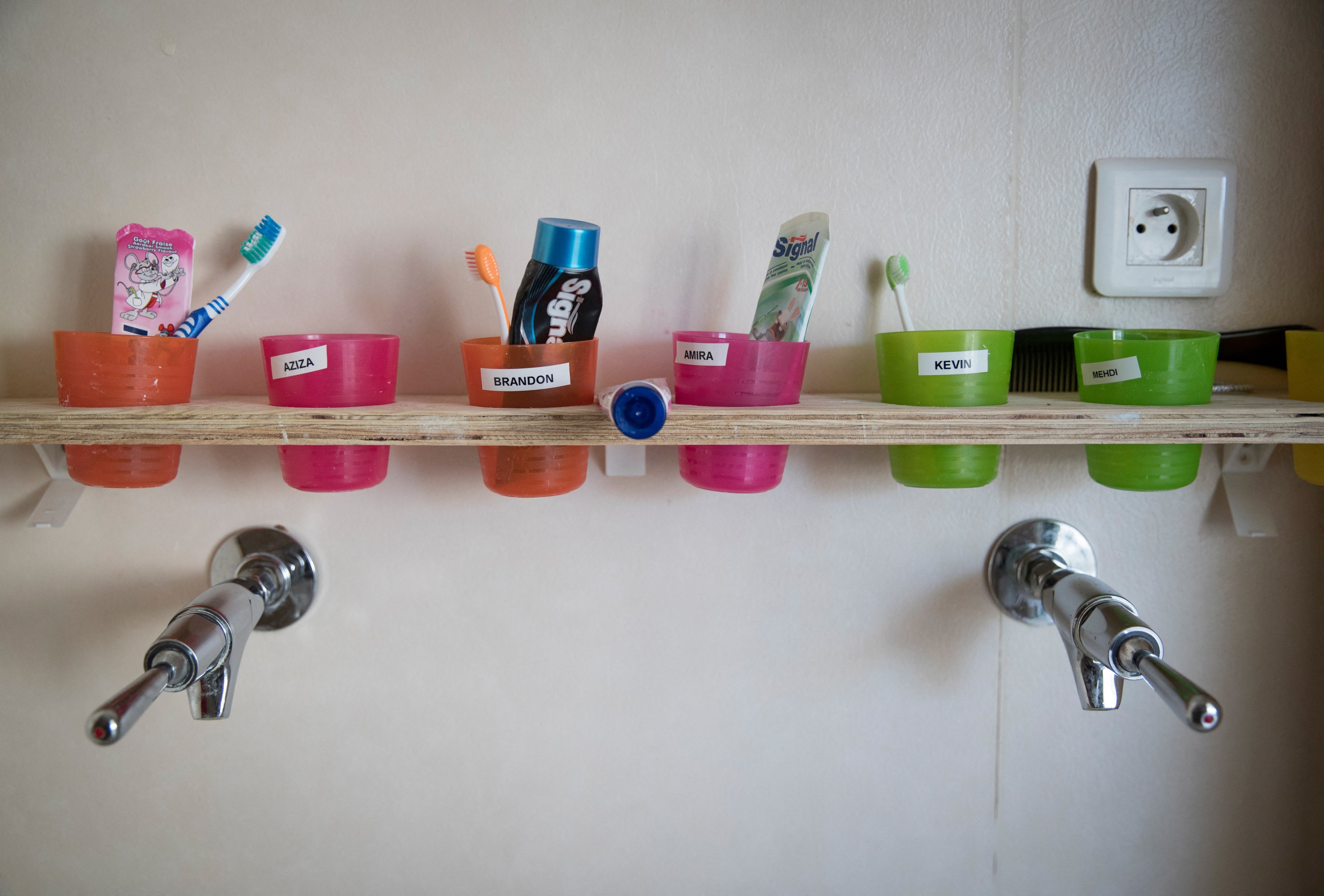
And toothbrush holders came in third place, beating out counter tops and even cutting boards. Just because the bristles don’t touch the inside, doesn’t mean it’s not accumulating germs.
“The third germiest place in homes wasn’t in the kitchen, but the bathroom. And while many people would suspect faucet handles or light switches to be a germy place, the toothbrush holders in our test homes revealed more germs,” the National Science Foundation said in a statement accompanying the study.
So, how do we stay safe from these threats that can make us sick?
Wash towels on the washer’s sanitizing cycle or with bleach and regularly replace linens, for one, the foundation notes.
“Dish cloths can be full of bacteria, and when they smell, that is a sign that it is time to throw it in the wash,” Michigan State University Extension says.
Make sure to wash and disinfect the side and bottom of the sink 1-2 times each week with a disinfecting cleaner, too.
Lastly, either put your toothbrush holder in the dishwasher or hand wash with hot soapy water and wipe with a disinfecting wipe for the same number of times.
“To keep it clean, close the lid on the toilet when you flush and put the holder into a dishwasher on the sanitizing cycle once or twice a week (if it’s dishwasher safe) to kill any germs,” AARP notes.

