

Fermented foods have become a staple in conversations around gut health, from kombucha and kefir to kimchi and sauerkraut. But another ingredient is quietly attracting attention: fermented chickpea water. Whether it is the liquid left behind after cooking chickpeas (known as aquafaba) or chickpea water intentionally fermented with beneficial bacteria, some people believe it could support a healthier gut. But is there enough evidence to justify the hype? Here’s what current research suggests.
What exactly is fermented chickpea water?
Chickpea water, commonly known as aquafaba, is the thick liquid left behind after cooking or canning chickpeas. It naturally contains small amounts of proteins, starches, soluble fibre, minerals and plant compounds that leach out during cooking. While it is best known as an egg substitute in vegan recipes, researchers have recently begun exploring its nutritional potential. A 2024 systematic review published in the National Library of Medicine found that aquafaba contains measurable amounts of protein and carbohydrates, although its exact composition varies depending on the type of chickpeas and cooking method.
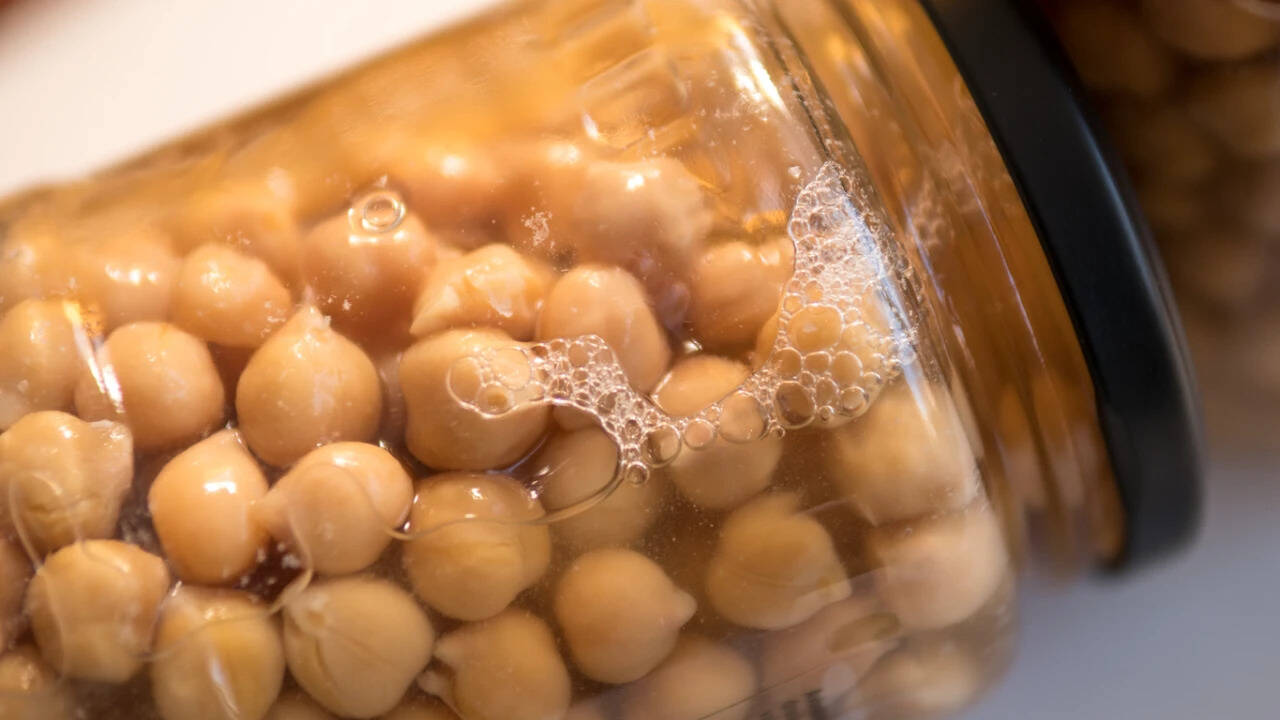
When this liquid is fermented using lactic acid bacteria, the same group of microbes used to make yogurt and many fermented vegetables, its nutritional profile changes, potentially increasing certain beneficial compounds.
What does the research say about gut health?
While research on fermented chickpea water is still in its early stages, the findings so far are encouraging. Laboratory studies suggest that fermentation may enhance its nutritional profile and create compounds that could support gut health, paving the way for more research in humans.A 2025 study published on Wiley Online Libraryfound that fermenting aquafaba with Lacticaseibacillus paracasei significantly increased its antioxidant activity while supporting the growth of probiotic bacteria. Researchers also reported improved functional properties of the liquid after fermentation, suggesting it could potentially serve as a probiotic food ingredient in the future.

Another study published in Food Chemistry and available on ScienceDirect found that fermenting chickpea proteins with lactic acid bacteria improved how easily they could be broken down during digestion. The fermentation process reduced protein clumping, increased the release of beneficial peptides and enhanced overall protein digestibility, suggesting that fermented chickpea-based foods may help the body absorb nutrients more efficiently.
Could it support your gut microbiome?
Possibly, but not in the way many social media posts claim. If properly fermented with beneficial bacterial cultures, chickpea water may contain live microorganisms similar to those found in other fermented foods. These microbes may temporarily contribute to microbial diversity in the gut. In addition, chickpeas themselves are rich in fermentable fibres and resistant starch that nourish beneficial gut bacteria, although much of that fibre remains in the chickpeas rather than the cooking liquid. Scientists believe any gut benefits from fermented chickpea water are likely to come from the fermentation process itself rather than from the liquid alone. At the moment, there is insufficient human evidence to conclude that it performs as well as established probiotic foods such as yogurt, kefir or fermented vegetables.
Should you make it at home?
Experts advise caution. Simply leaving chickpea soaking or cooking water at room temperature does not guarantee safe fermentation. Without a controlled starter culture and proper hygiene, unwanted bacteria can grow alongside beneficial microbes, increasing the risk of foodborne illness. Fermentation should ideally follow tested food-safe methods rather than relying on spontaneous fermentation.

Fermented chickpea water is an intriguing area of food science, but it is not yet a proven gut-health drink. Early research suggests that fermentation can improve the digestibility of chickpea proteins, enhance antioxidant activity and support the growth of beneficial bacteria under laboratory conditions. However, human clinical trials are still lacking, making it too early to recommend it as a reliable probiotic food.If you’re looking to support your gut today, experts continue to recommend a diet rich in fibre from legumes, fruits, vegetables and whole grains, alongside well-studied fermented foods such as yogurt, kefir, kimchi and sauerkraut. Fermented chickpea water may one day join that list, but for now, the science is promising rather than conclusive.

