

Want to bookmark your favourite articles and stories to read or reference later? Start your Independent Membership today.
Already a member?
Log in
From rising food prices to the temptation of supermarket deals, keeping grocery bills under control can be a challenge. One method promising to bring a little more structure to your spending is the viral 6-to-1 shopping method, devised by chef Will Coleman.
The approach involves buying six vegetables, five fruits, four sources of protein, three carbohydrates, two sauces, spreads or dips and one treat. The aim is to simplify meal planning, encourage more considered choices and help shoppers make the most of their budget.
But can following a set formula really make your weekly food shop cheaper? We asked personal finance experts to weigh up the potential savings and the pitfalls to watch out for.
Why do you think budgeting methods like this are gaining popularity in the current economic climate?
“The cost of living is hitting everyone and there are certain things people won’t be able to cut down their costs in, such as the cost of housing or the cost of transport. So, one of the only things that people can control is their shopping habits,” says Nouran Moustafa, financial and mortgage adviser at Roxton Wealth.

Kevin Mountford, personal finance expert and co-founder of Raisin UK, agrees and adds: “I do think that the cost-of-living crisis has made people more conscious and mindful of how they shop.”
Raisin UK’s latest Great British Savings Report research, conducted by Opinion Matters, surveyed 2,000 nationally representative UK adults and found that more than two in five (42%) people who dipped into savings used the money for everyday living expenses such as groceries and bills.
“When day-to-day costs are already eating into savings, even small improvements to how regularly you shop and how much food you waste can help make the weekly budget go further,” says Mountford.
What are the main benefits of this food shopping method?
One of the main benefits of the 6-to-1 shopping method is that it gives people structure and direction before they walk into a supermarket.
“Following a structured shopping method like this does help prevent impulsive spending and stops you from buying things that you don’t need,” says Moustafa.

Invest at least £100 in Stocks or ETFs of your choice. Get fractional shares worth £50!
Terms and conditions apply.
ADVERTISEMENT
Invest at least £100 in Stocks or ETFs of your choice. Get fractional shares worth £50!
Terms and conditions apply.
ADVERTISEMENT

Mountford adds that keeping to a structured shopping framework like this also drives mindful spending and financial discipline, which can boost overall money confidence.
“Building discipline around everyday spending can help people feel more confident managing money in general, because it encourages habits like planning ahead, setting limits and making more deliberate choices before spending,” says Mountford.
“With all the challenges that we currently face, I think that being more conscious of the way that we approach these things and having some structure is the right thing to do.
“If nothing else, psychologically it can help you feel like you’ve got a little bit of control, in a time where a lot of things feel out of our control.”
Are there any potential drawbacks of this shopping method?
That quantities advised in the 6-to-1 method won’t work for all households, so may need to be adapted.
For example, a family of five will have very different needs from someone shopping for one.
“Some shopping and budgeting methods tend to be overly rigid. For example, with this 6-to-1 method, you might not want or need six different types of vegetables, especially of there’s only one or two of you in your household,” says Mountford.

So, you may need to adapt the quantities to better reflect the needs of your particular household and circumstances.
Mountford advises shoppers to constantly review their budget, and to be flexible.
“Personal circumstances might change and cost-of-living might change, so it is always good to review your budget and shopping habits on a regular basis,” advises Mountford.
This shopping method also doesn’t take into account shelf lives of products.
“The danger is that one of the items on the list that you buy doesn’t last. For example, something like sourdough bread doesn’t last very long and a household of two, for example, might not get through it fast enough,” says Mountford.
“So, if you do use this methodology, makes sure that your food shop is structured in the way that is most suitable for your situation and that you are minimising food wastage as well.”
Furthermore, costs can vary drastically depending on the exact items you choose, especially if you buy expensive branded products.
“We are all victims of marketing, and might go for certain brand or packaging that costs much more,” says Mountford.
What other habits could people implement to help save money on their food shops?
Check the bottom shelves for the best bargains.
“In from my experience, when you go into supermarket the expensive, better-known brands tend to be on a high level. Whereas, if you look on the lower shelves or at the end of aisle, that’s often where you will find the better bargains,” says Mountford.
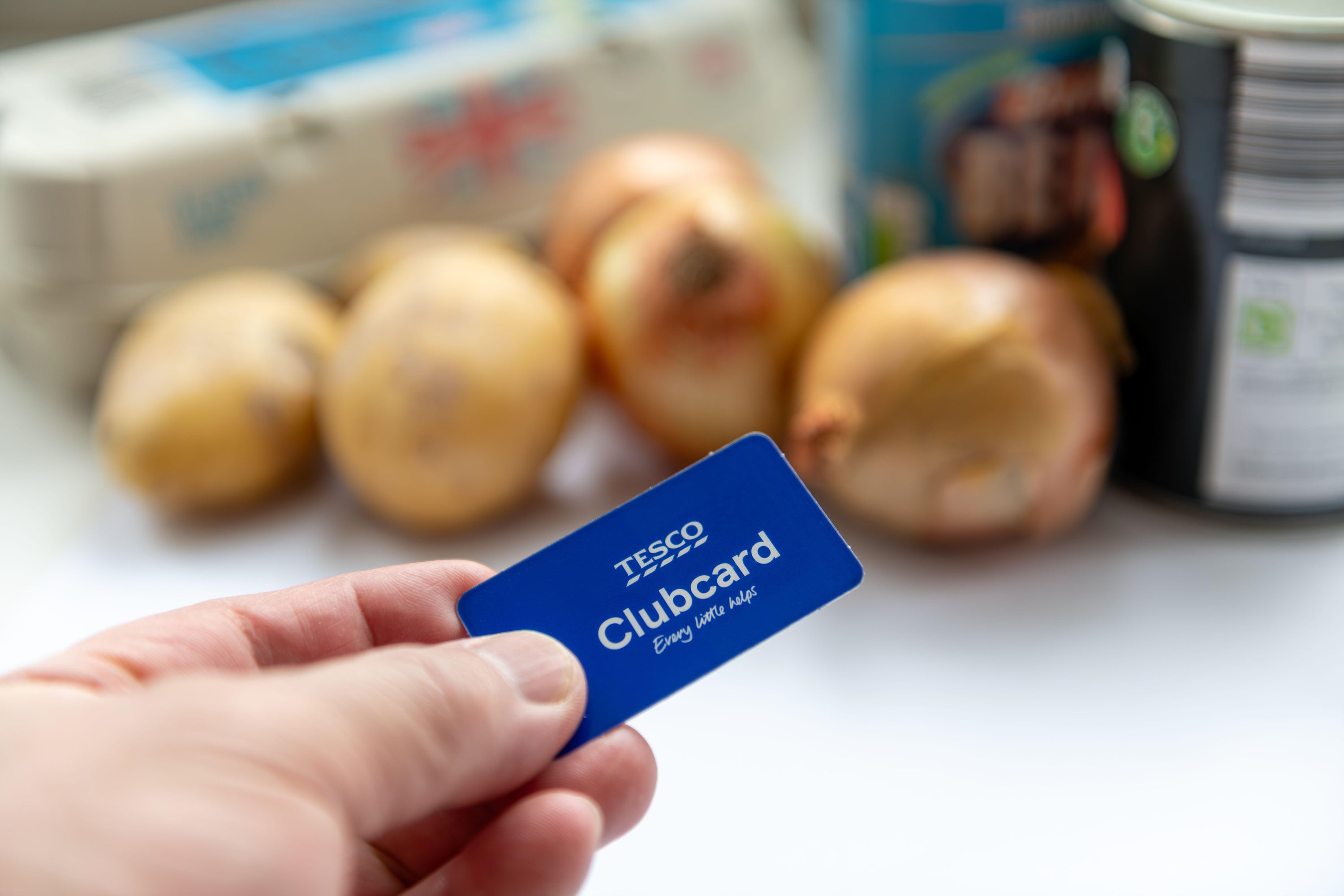
Opting into your favourite supermarket’s loyalty scheme might also help you save some precious pennies.
“Loyalty programmes like the Sainsbury’s Nectar card and Tesco’s Clubcard help incentivise loyalty with discounts and can make quite a difference,” says Mountford.
If you have more than one supermarket nearby and have the time, it might be worth comparing the prices of products between the two.
“My wife will often go to different supermarkets for different items if the price or deals for a particular item are better at one place,” says Mountford.
In conclusion:
“If the aim is to save money, I would pair the method with three simple habits: set a spending limit before you go, compare the price per unit rather than just the shelf price, and plan how each item will be used across the week,” advises Mountford.
“That way, the method is helping reduce both overspending and waste rather than simply changing the shape of the shopping list.”


