
Want to bookmark your favourite articles and stories to read or reference later? Start your Independent Membership today.
Already a member?
Log in
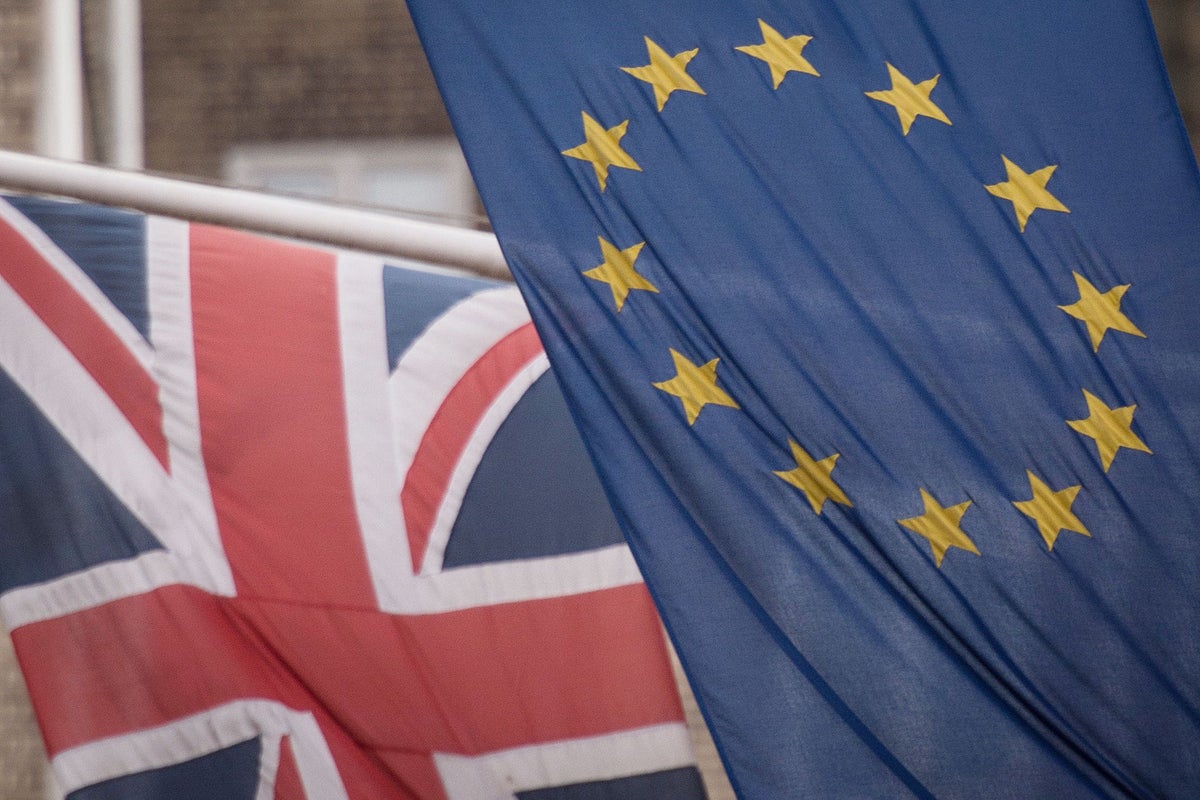
Many businesses are still grappling with Brexit red tape which is stifling their ability to grow in Europe, according to research by the British Chambers of Commerce (BCC).
The influential organisation said it was calling on businesses to “seize the moment” to reassess Britain’s relationship with the EU.
Later this month, Prime Minister Andy Burnham will attend a summit in Brussels where he pledged to set out the next steps for considering “the UK’s long-term relationship with the EU”.
Mr Burnham wants to lock in deals on food and drink, emissions trading and a youth mobility scheme at the summit on November 20, but told ministers that the period beyond that would be to “explore options” for the long-term relationship.
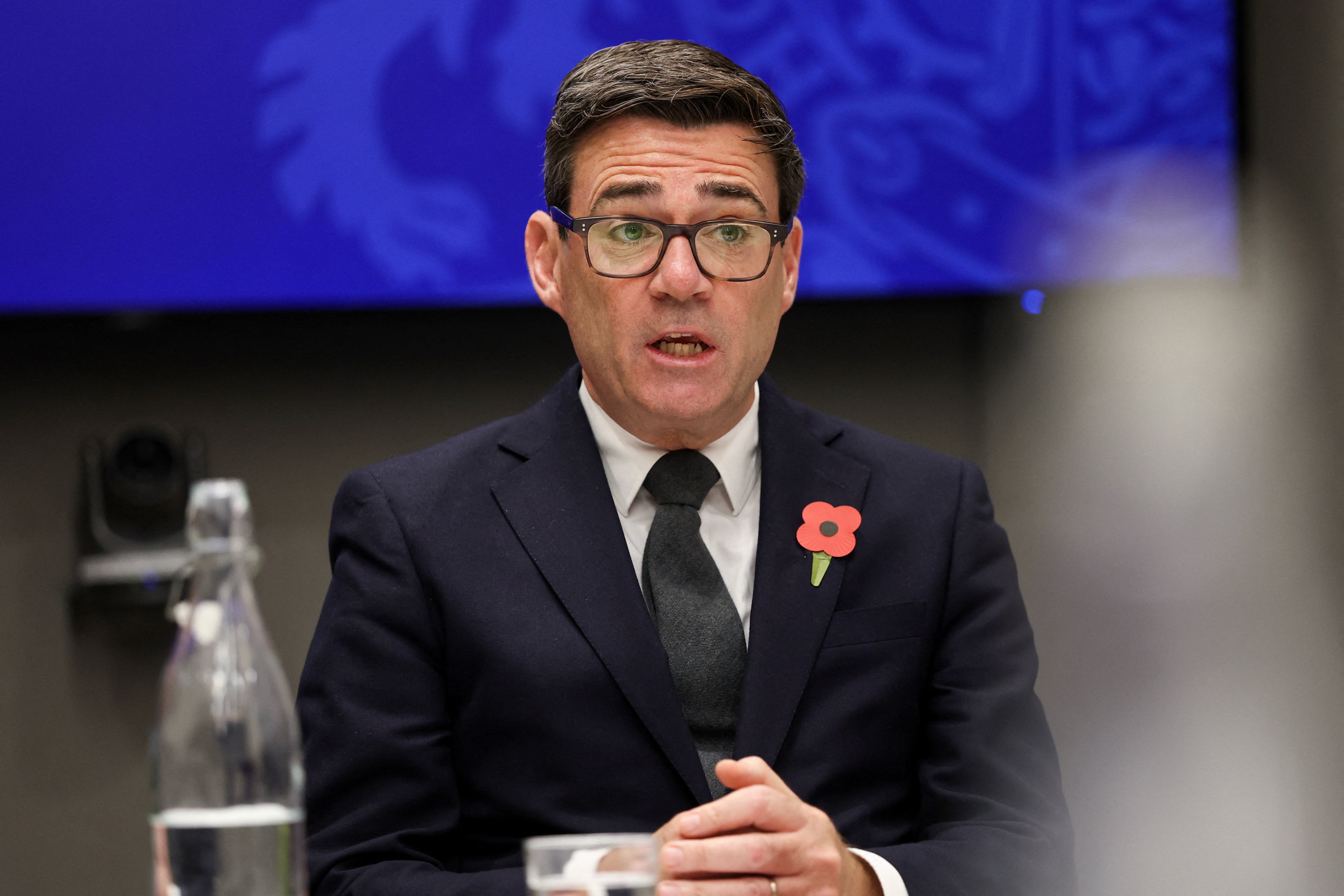
He has said the Brexit deal negotiated by the former Conservative government was “not good enough for Britain” and was “harder” than what was promised at the referendum.
The BCC, which represents thousands of firms across a network of chambers, said businesses want trade with the bloc to be easier.
More than a third said customs paperwork and delays need to be removed in order to grow, its survey found.
This rises to 58% of manufacturers and 56% of exporters.
Furthermore, the survey of around 1,500 firms showed that 42% of exporters identified tariffs, quotas or rules of origin as barriers to growth in the EU.
A separate survey by S&P Global on Monday found that manufacturing firms were also grappling with longer delivery times because of shipping being rerouted, congestion at ports, and ongoing disruption to key transport routes caused by global conflict.
Shevaun Haviland, director general of the BCC, said: “Firms have shown great resilience in adapting to Brexit, but that adaptation has not removed the costs of paperwork, delays and needless duplication of bureaucracy that is has brought.
“The world has moved on too. Protectionism is rising and the EU is reshaping its industrial policy in response, so standing still is not a choice without repercussions.
“This is not a binary case of being in or out, there are many different routes we can take.
“We need to follow the evidence and seek a future relationship which gives UK firms the strongest platform to trade, invest and grow.”
She said the BCC had begun consulting with tens of thousands of businesses in the network over their views on the future of trade with the EU.


