
Case adds to growing number of legal challenges by Indian actors seeking protection against AI use of their identities
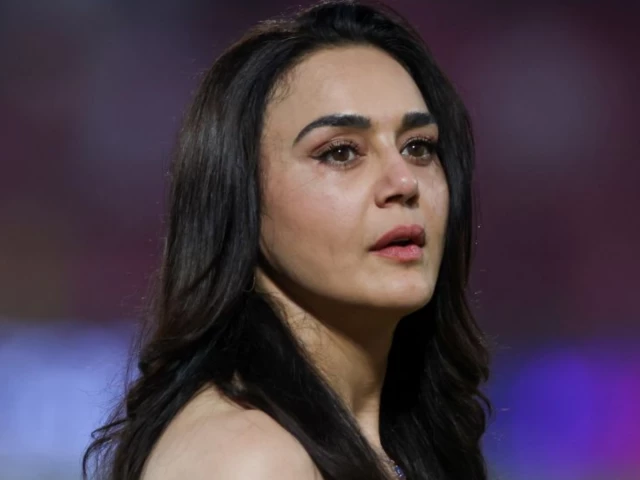
Actor Preity Zinta has been given the go-ahead by the Bombay High Court to pursue legal action against Google LLC, Meta Platforms Inc and other unidentified entities over the alleged misuse of her identity in AI-generated deepfake content circulating online.
Justice Abhay Ahuja, hearing the matter on Tuesday, permitted Zinta to proceed with her suit should she choose to do so, marking an important procedural step in one of the growing number of Indian cases involving artificial intelligence-generated impersonation and personality rights.
In her petition, Zinta alleged that multiple defendants had created, uploaded and disseminated AI-generated content using her face and voice without her consent. According to the actor, the material was circulated across platforms operated by Google and Meta, raising concerns about reputational damage and the unauthorised commercial exploitation of her identity.
The petition argued that the content falsely represented Zinta and had the potential to harm both her public image and professional standing, particularly in Mumbai, where she primarily works.
Zinta further contended that the alleged misuse of her likeness infringes upon her moral rights under Section 62 of India’s Copyright Act, 1957.
The case comes amid increasing concerns over the use of artificial intelligence to create realistic deepfake images, videos and audio recordings of public figures without their permission.
Indian courts have already granted protection to several prominent celebrities, including Anil Kapoor, Amitabh Bachchan, Jackie Shroff and Shilpa Shetty, in cases involving the AI-driven misuse of their identities.
As concerns over deepfakes continue to grow, Zinta’s case adds to the broader debate surrounding digital consent, personality rights and the adequacy of existing legal frameworks to address rapidly evolving AI technologies.

