
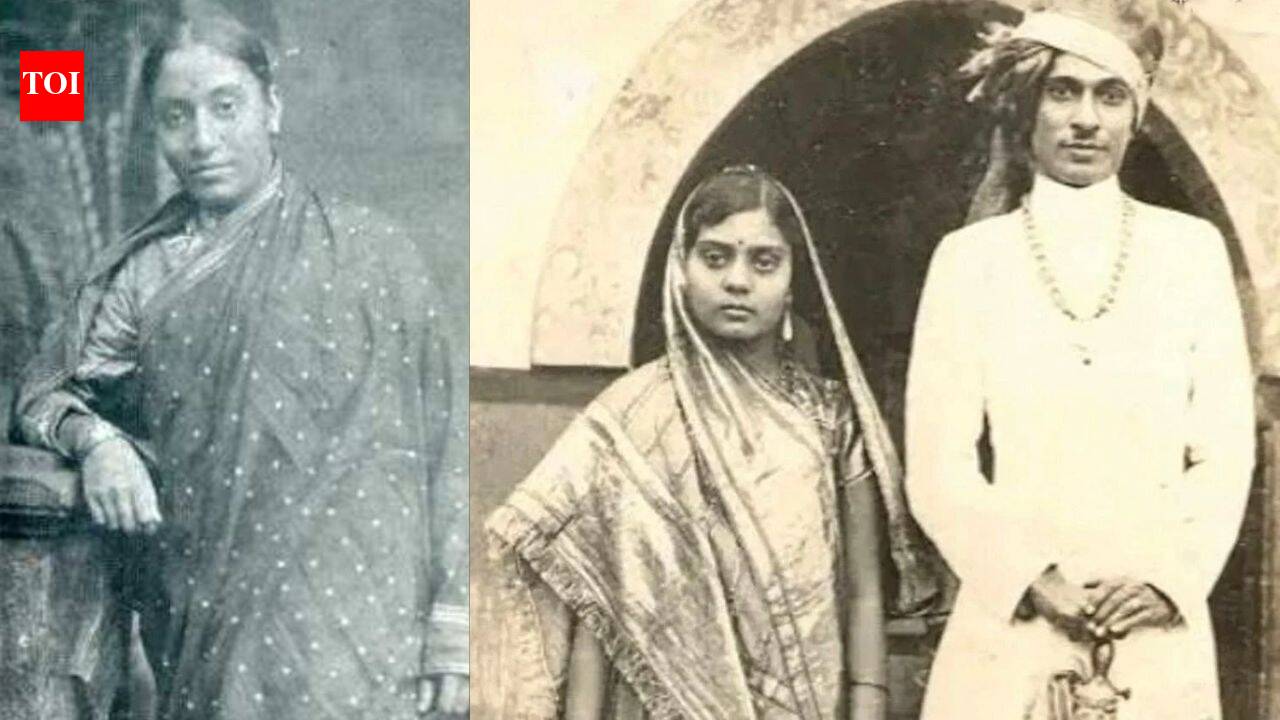
There was a time when child marriage was a wide practiced thing in India. But not all young girls were ready to accept this and some even challenged the practice and paid ‘alimony’ to get out of this. This is the story of Rukhmabai Raut who became the first documented woman who paid her husband to walk away from their marriage.Rukhmabai was married as a child. But she refused to live with her husband and agreed to pay him Rs 2,000 to end a prolonged legal battle. While the settlement is sometimes described as India’s first example of a woman paying alimony to a man, it was technically a payment made in exchange for her husband relinquishing his claim to conjugal rights.Meet Rukhmabai who was married at 11Rukhmabai was born in Bombay (now Mumbai) on November 22, 1864. After she lost her biological father, her mother, Jayantibai, got married to Dr Sakharam Arjun. He was a physician and social reformer who encouraged Rukhmabai to study.However, like many girls of her time, she was married at the age of 11 to Dadaji Bhikaji, a 19-year-old man. She was married but continued living with her parents rather than moving into her husband’s household.But as she grew, she was determined to pursue her education and build a life of her own. She did not want to begin married life with Bhikaji, and her stepfather supported her decision.A landmark legal battleShe didn’t know at that time that her decision would become one of the landmark legal battles in history. In 1884, Bhikaji filed a case seeking the restitution of conjugal rights, asking the court to order his wife to live with him. Now it was a deeply uncomfortable question into public discussion: could a woman be compelled to share her life with a man simply because a marriage ceremony had taken place when she was only a child?A legal battle that brought women’s consent into focus
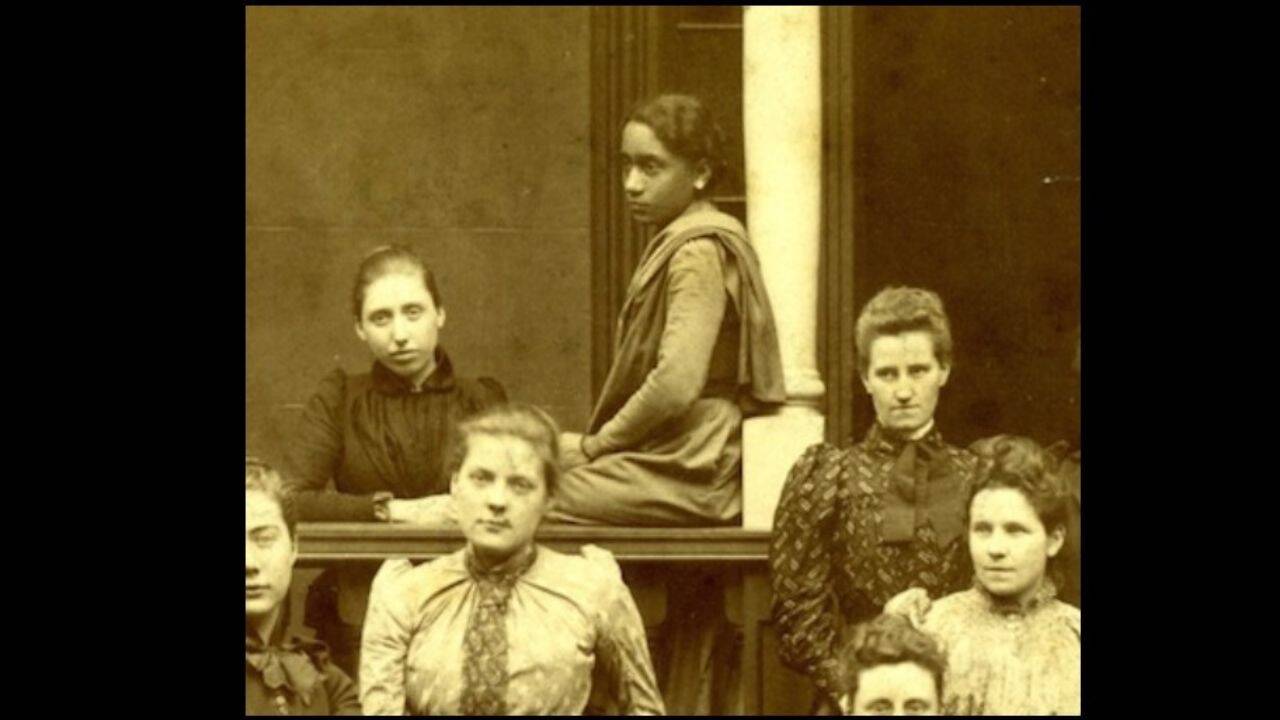
Rukhmabai Raut became India’s first practising female doctor (Wikimedia)
Rukhmabai’s refusal attracted wide attention in India and Britain and her case exposed the conflict between traditional marriage practices, colonial law and women’s individual rights.In September 1885, Justice Robert Hill Pinhey of the Bombay High Court ruled in her favour. He questioned whether the husband could seek the restitution of conjugal rights when the couple had never lived together as husband and wife.But sadly, in 1886, the decision was subsequently reversed by the appellate court and the legal proceedings continued. In 1887, the court ruled in Bhikaji’s favour and she was ordered to live with him or face six months’ imprisonment.Rukhmabai refused to surrender her independence and she soon became a subject of discussion. Then she started writing under the pseudonym ‘A Hindu Lady’. She published letters in The Times of India, discussing the injustice of child marriage and the denial of women’s choices.Her campaign got support from British women reformers, including Katherine Lyttelton. She also helped establish the Rukhmabai Defence Committee which was aimed at raising awareness of her case.The Rs 2,000 settlementBy 1888, after years of legal proceedings, a compromise was reached. Rukhmabai’s legal representatives proposed that she pay Bhikaji Rs 2,000 in exchange for his agreement not to enforce the court’s decree or make further claims over her person or property.Bhikaji accepted the arrangement and agreed to relinquish his conjugal rights. Finally Rukhmabai was finally free to live her life the way she had wanted. The payment was not alimony in the conventional sense but was a negotiated settlement.The case contributed to the social and political climate that preceded the Age of Consent Act of 1891, which raised the age of consent for girls from 10 to 12 years.From a child bride to one of India’s pioneering women doctors
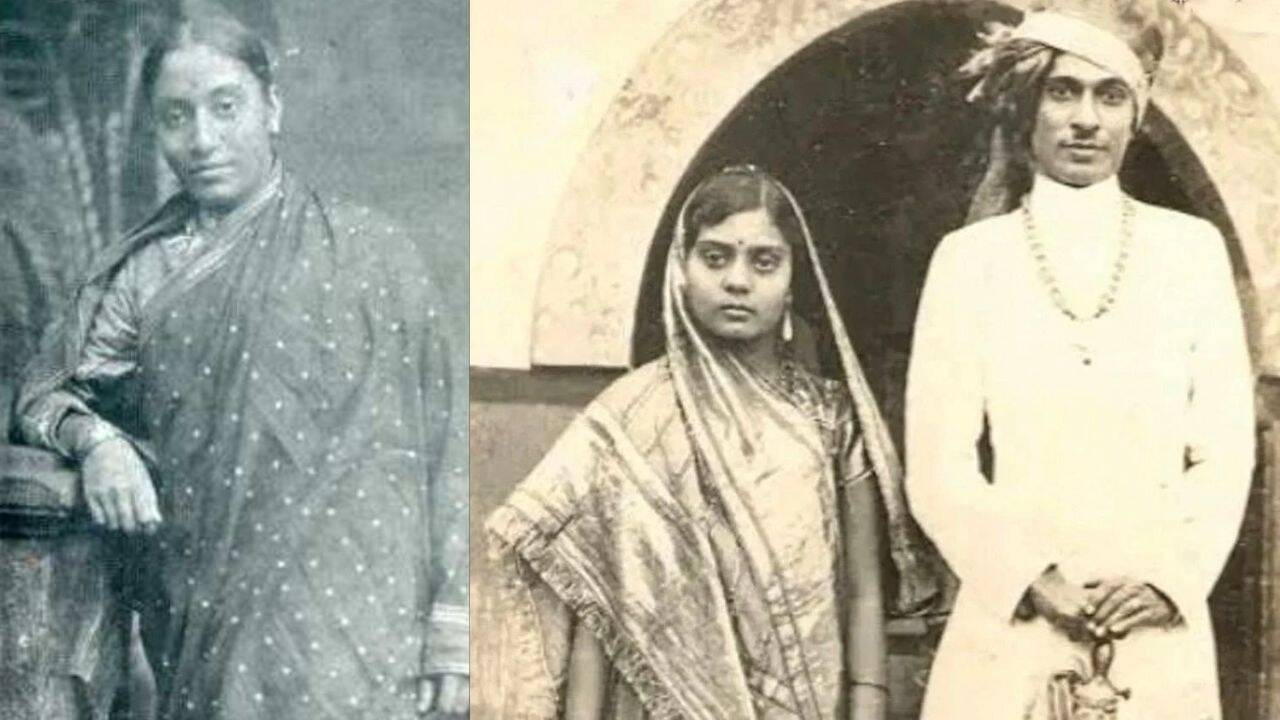
Rukhmabai Raut was married to a man she never wanted to live with (Wikimedia)
Now that she was free of legal battle, she pursued her long ambition of becoming a doctor. Rukhmabai travelled to England and studied at the London School of Medicine for Women. She also trained at medical institutions in London and Dublin.In 1895, she came back to India and began working at the Women’s Hospital in Surat and subsequently became the Chief Medical Officer at the Zenana State Hospital in Rajkot.She went on receiving the Kaiser-i-Hind medal for her exceptional work during public health emergencies and retired in 1929. The incredible woman died in Bombay on September 25, 1955, at the age of 90.Rukhmabai’s story remains relevant to conversations around feminism, women’s rights, consent and patriarchy. She spoke during the time when women were not supposed to get out of their houses. She fought, she won and became a forever inspiring example for women.


