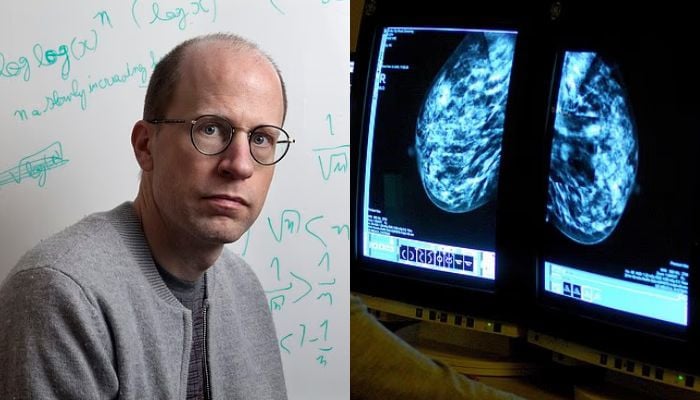
A former Oxford University professor has claimed that artificial intelligence (AI) could help humans live for 1,400 years and according to him, this is just a conservative estimate.
The Swedish philosopher and founding director of Oxford’s Future of Humanity Institute, Nick Bostrom, believes that the development of superintelligence AI could lead to medical breakthroughs that would eventually put an end to biological ageing.
During his appearance at 16z podcast, the 53-year-old academic said humans could have a life expectancy of between 1,200 to 1,400 years if they stopped aging.
How did he arrive at this figure?
A healthy young adult has a relatively low risk of dying in any given year. If medical advances could keep that annual risk at around 0.07% throughout a person’s life, their remaining life expectancy would exceed 1,400 years.
The Swedish philosopher believes that humans could live much longer than 1,400 years if AI medical breakthroughs help prevent deaths from accidents and other causes.
To put this into perspective, the oldest person in recorded history, Frenchwoman Jeanne Calment, died in 1997 at the age of 122 and 164 days.
AI is already helping scientists make medical discoveries. Google DeepMind’s AlphaFold, for instance, has predicted the structures of more than 200 million proteins, helping researchers develop new medicines.
However, stopping ageing altogether is another matter.
A 2024 study published in Nature Aging found that a dramatic increase in human life expectancy was unlikely this century unless scientists found ways to significantly slow biological ageing.
For now, Bostrom’s estimate remains a theoretical possibility rather than a medical breakthrough.