
When we speak about poverty, we often focus on income. Yet poverty is also about insecurity, exclusion and vulnerability. It is the absence of the conditions that allow people to live with dignity, access opportunities and build a better future for their families.
This year’s International Day for the Eradication of Poverty, observed under the theme ‘Safe Homes for All’, highlights a fundamental but often overlooked truth: adequate housing is not only a human right, but it is also a foundation for inclusive development.
A safe home provides far more than shelter. It creates the stability that lets children attend school, families access healthcare, communities participate in economic life and people withstand shocks that can push them deeper into poverty. Without safe and secure housing, many other development gains become difficult to sustain.
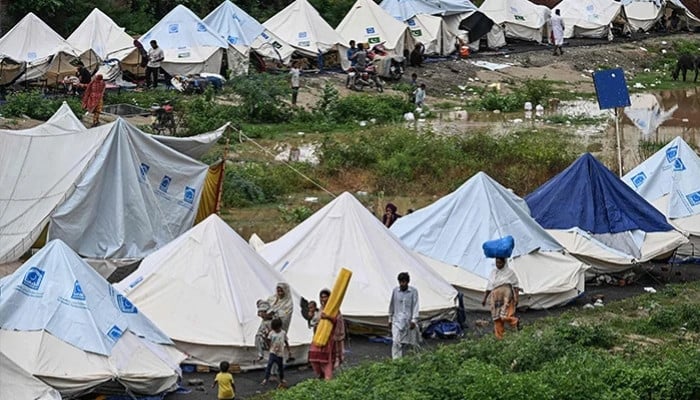
In Sindh, the connection between housing, vulnerability and poverty became painfully clear during the devastating floods of 2022. The province accounted for 88% of the 2.1 million houses destroyed nationwide. Nearly half of Sindh’s 44,000 government schools were affected, more than 500 health facilities were damaged or destroyed, and millions of people saw their livelihoods disrupted.
This understanding is reflected in the European Union-funded Poverty Alleviation and Inclusive Development Across Rural Sindh (PAIDAR) programme, implemented by the United Nations Industrial Development Organization has partnered with the Sindh People’s Housing for Flood Affectees (SPHF) programme to support recovery in flood-affected communities.
While the SPHF is reconstructing climate-resilient homes for thousands of families, PAIDAR is helping ensure that these homes are embedded within safe, resilient and thriving settlements.
Through Climate Resilient Settlement Development Plans (CRSDPs), housing reconstruction is complemented by investments in infrastructure, public services and livelihood opportunities, recognising that a truly safe home extends beyond four walls and a roof.
Importantly, CRSDPs reflect all three priorities highlighted in this year’s global call to action. First, the observance calls on governments and development partners to make safe housing a human-rights priority. For vulnerable communities, the difference between secure and inadequate housing can determine whether climate shocks become temporary setbacks or long-term drivers of poverty. CRSDPs seek to reduce that vulnerability by supporting safer, more resilient living environments that protect lives, assets and livelihoods.
Second, the observance calls for designing policies with people experiencing poverty. This principle is at the core of the CRSDP process. Village residents are not passive beneficiaries; they actively participate in identifying priorities, shaping investments, and overseeing implementation. The plans are developed through extensive community consultations, with women playing a central role in decision-making.
Third, the observance calls for greater efforts to mobilise resources for safe homes for all. PAIDAR demonstrates how partnerships can translate this ambition into action. Through the programme, UNIDO has invested five million euros in communal infrastructure across flood-affected settlements, complementing seven million euros in climate-resilient housing reconstruction delivered through SPHF.
The impact of this approach is already visible in Lakho Bhambhro, a village in Thatta district inaugurated earlier this year as Sindh’s first climate-resilient settlement. In many ways, the settlement brings to life the ambitions behind this year’s International Day for the Eradication of Poverty and its call for safe homes, community participation and greater investment in resilient communities.
The significance of this work extends beyond Sindh. In 2025, world leaders adopted the Doha Political Declaration at the Second World Summit for Social Development, reaffirming the right to an adequate standard of living, including safe, accessible and affordable housing, water, sanitation and other essential services. During the summit, PAIDAR’s Climate Resilient Settlement Development Planning approach was showcased to global audiences as an example of how integrated, community-led development can help translate these commitments into action on the ground.
Today, detailed CRSDPs have been prepared for 215 villages across Sindh, covering nearly 17,000 households, while implementation is advancing in 75 villages across Badin, Sujawal, Thatta, Larkana and Tharparkar. These investments represent more than physical infrastructure. They are investments in dignity, resilience, social inclusion and long-term prosperity.
As we mark this year’s International Day for the Eradication of Poverty, the message is clear: ending poverty requires more than addressing immediate needs. It requires creating the conditions that enable people and communities to withstand shocks, seize opportunities and build secure futures.
For rural communities across Sindh, that vision is already taking shape through CRSDPs. The challenge now is to scale it, sustain it and ensure that no one is left behind.
The author is the national technical adviser at the United Nations Industrial Development Organisation (UNIDO).
Disclaimer: The viewpoints expressed in this piece are the writer’s own and don’t necessarily reflect Geo.tv’s editorial policy.
Originally published in The News


