
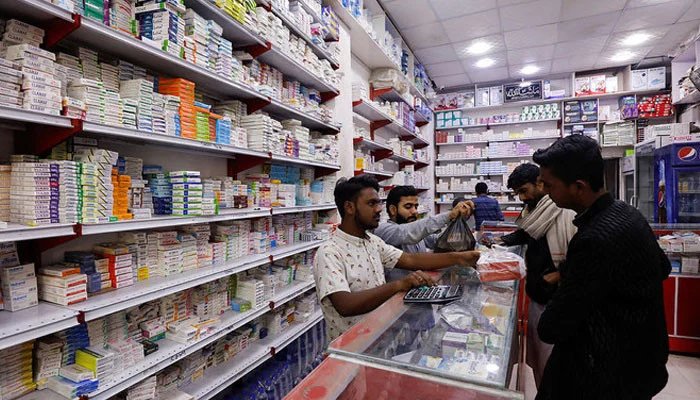
ISLAMABAD: A cabinet committee, headed by Finance Minister Muhammad Aurangzeb, has approved the prices of newly listed 52 life-saving medicines, paving the way for their availability after final approval by the federal cabinet.
The medicines included cancer drugs, insulin, vaccines, and others.
The decision was taken at the eighth meeting of the Cabinet Committee on Drug Pricing, constituted by the prime minister to consider recommendations of the Drug Pricing Committee and the Policy Board of the Drug Regulatory Authority of Pakistan (Drap).
Officials said the committee approved the prices of all 52 medicines whose cases had been recommended by the Drug Pricing Committee and endorsed by the Drap Policy Board. The recommendations will now be placed before the federal cabinet for final approval, after which Drap will notify their maximum retail prices, allowing the medicines to be legally marketed in Pakistan.
The Ministry of National Health Services, led by Health Minister Mustafa Kamal, strongly pleaded the case for immediate price approval, arguing that thousands of patients had been suffering because dozens of newly registered medicines could not be sold legally until their prices were notified by the government. The ministry maintained that prolonged delays had forced many patients to rely on smuggled, unregistered and potentially spurious medicines or expensive personal imports, exposing them to serious health risks.
During the meeting, Drap gave a detailed presentation on new drug price fixation cases, hardship applications, pricing matters and the availability of essential medicines. The regulator also briefed the committee on progress made since its previous meeting and presented proposals requiring the committee’s approval.
Addressing the meeting, Finance Minister Muhammad Aurangzeb stressed that drug pricing decisions should remain transparent, evidence-based and consultative while serving the broader public interest. He said the government must strike a careful balance between ensuring patients’ access to essential medicines, maintaining a sustainable pharmaceutical supply chain and keeping medicines affordable. He also underscored the need for effective public communication to explain the rationale behind decisions relating to critical medicines.
The approved medicines include several high-cost and innovative therapies that had remained unavailable despite being registered by Drap because their prices awaited government approval. These include Pembrolizumab, one of the world’s leading immunotherapy medicines used to treat more than 20 cancers, including lung, breast, cervical, kidney, bladder, stomach and skin cancers.
Other important medicines include Nivolumab, Irinotecan, Dasatinib and Leucovorin for cancer treatment; Humador insulin for diabetes management; Adalimumab for autoimmune diseases; Recombinant Factor VIII for haemophilia A; Carbidopa-Levodopa for Parkinson’s disease; Dabigatran and Heparin for the prevention of blood clots; Methyldopa for hypertension during pregnancy; broad-spectrum antibiotics including Meropenem and Fosfomycin; Ketamine for anaesthesia; besides vaccines, radiology contrast agents and several medicines used in intensive care units and emergency departments.
The meeting was attended by Federal Minister for National Health Services Mustafa Kamal, Federal Minister for Defence Production Muhammad Raza Hayat Harraj, Secretary Health Muhammad Aslam Ghauri, Drap Chief Executive Officer Dr Obaidullah, and senior officials from the finance, commerce and health ministries. Health officials said the approval would significantly improve access to quality-assured medicines through licensed pharmacies and reduce patients’ dependence on informal supply channels, where product quality, storage conditions and authenticity cannot always be verified.
Officials from the pharmaceutical sector welcomed the committee’s decision, saying pharmaceutical companies cannot legally market newly registered medicines until official prices are notified. They expressed hope that the federal cabinet would approve the recommendations at the earliest so patients suffering from cancer, diabetes, haemophilia, Parkinson’s disease and other serious illnesses could finally access these medicines through the regulated healthcare system.

