
When you’re hungry, it’s normal to find yourself thinking about what you’re going to eat next.
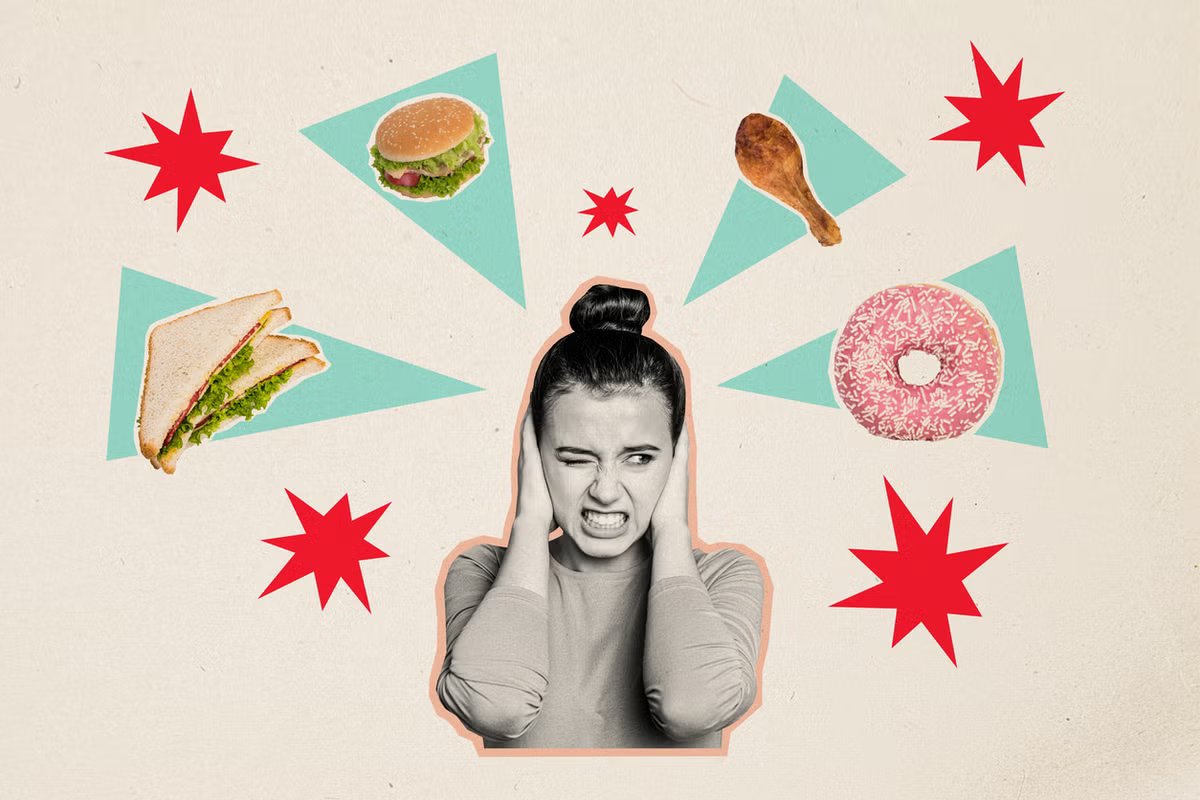
But for some people, thoughts of food and eating can feel constant – even when they’re not physically hungry. This experience has been termed “food noise”.
For someone who struggles with food noise, this might mean thinking repeatedly about the next meal, feeling distracted by snacks in the house or finding it hard to ignore food cues such as adverts or supermarket displays. The experience can be exhausting.
But food noise should not be taken to mean that every thought or craving for food is a problem. Hunger, fullness, cravings, anticipation of eating and pleasure from food are all normal parts of our appetite system.
The goal for people who struggle with food noise should not be to eliminate all food-related chatter from their lives. Rather, it’s about reducing the harmful thoughts about food that are persistent, intrusive, distressing and disruptive.

Understanding food noise
In appetite science, “food noise” encompasses a mix of mechanisms and processes. This includes hunger and satiety, cravings, food reward, emotional eating, control over eating and cue-reactivity (a heightened, automatic reaction to seeing or smelling food).
So, food noise is not one single thing. Two people may both report experiencing “food noise”, but the underlying causes may be different.
For one person, food noise may reflect an internal hunger signal after skipping a meal. For someone else, it might be food cravings triggered by stress or tiredness. And for yet another, it may feel closer to distressing, intrusive thoughts or a fear of losing control over eating.
While it’s common to experience food noise, it becomes concerning if it starts to interfere with daily life. It may make it harder to concentrate, increase anxiety or shame around eating and leave people feeling as if they are constantly battling food thoughts.
Although research on the effects of food noise is limited as the concept is quite new, research on food cravings, cue reactivity and food thought suppression suggests these experiences can make it harder for some people to avoid overeating. In more serious cases, they may be linked with loss of control, binge eating or wider eating-related distress.
Reducing food noise
GLP-1 medications, such as semaglutide (Wegovy) and tirzepatide (Mounjaro), have become linked with the concept of food noise.
Scientifically, these drugs are shown to reduce hunger, increase fullness, reduce cravings, alter food reward and improve control over eating.
Anecdotally, many people taking these drugs report that they help reduce food noise. Food feels less demanding, less urgent and less mentally intrusive. For those taking these medications, a reduction in food noise may feel like a major improvement in their quality of life.
Food cravings can also intensify when dieting – at least in the short term. Cravings may be especially strong if someone skips meals, eats too little, cuts out favourite foods completely or uses very rigid food rules.
Trying not to think about certain foods can also sometimes make them more mentally prominent. This is one reason very strict diets can make appetite feel harder to manage.
But experiencing hunger or food-related thoughts doesn’t automatically have to be something negative. Hunger is not a defect. It’s one of the body’s normal biological cues, helping us recognise when we need energy.
This is also why the return of some food noise is not necessarily something to fear when GLP-1 medications are reduced or stopped.
The aim then, shouldn’t be to silence appetite or food noise completely. Most people don’t want a life in which they never feel hungry or fully enjoy their food. Eating is part of culture, identity and daily life.
A better goal is for appetite to feel manageable, so food can be enjoyed without taking up too much mental space. So if you’re someone who finds food noise feels too loud, here are some things you can do:
1. Identify the signal before reacting to it. Are you physically hungry, craving something specific or reacting to food cues around you? Hunger usually builds gradually and can be satisfied by a range of foods. A craving is often more sudden, specific and tied to a particular food. Different causes need different responses.
2. Reduce unnecessary food cues. If having snacks in your house makes food thoughts more intrusive, keeping those tempting foods out of sight or planning your meals before shopping may reduce avoidable triggers.
About the authors
Graham Finlayson is a Professor of Biological Psychology, University of Leeds. Catherine Gibbons is an Associate Professor, School of Psychology, University of Leeds. This article was first published by The Conversation and is republished under a Creative Commons licence. Read the original article.
3. Pay attention to your emotions. Food noise can be linked with stress, anxiety, tiredness, loneliness or needing comfort. In such instances, what the body and mind might really need may not be food. Other coping strategies, such as rest or taking a short walk, may be more useful.
4. Physical activity may help reduce craving for unhealthy foods, reduce stress and improve mood. Being active may also make your hunger and fullness signals easier to interpret. This means that exercise can not only help you manage food noise in the short-term, it may also gradually improve your appetite system’s function over time.
5. Seek support if food thoughts become distressing or disruptive. If they’re linked with binge eating, shame, anxiety, loss of control or major disruption to daily life, speaking with a GP, dietitian, psychologist or eating disorder specialist can help you understand your eating patterns and develop safer coping strategies.
Food-related thoughts are part of a healthy, normal appetite system. Learning to detect, interpret and respond in tune with internal appetite signals is key for sustainable weight management.

