
While no single food can prevent or cure cancer, maintaining a healthy diet rich in plant-based foods may help lower the overall risk of developing the disease.
Vegetables are a vital part of a healthy diet, providing fibre, vitamins and special plant compounds called phytochemicals, and helping to keep your weight under control.
About 30% to 40% of cancers may be preventable by a combination of healthy food choices, consistent physical activity and maintaining an appropriate body weight, according to a study published in Nutrition Journal.
Also Read | Layoffs Are Rising In Tech, But These Skills Are Helping People Unlock Better Pay
ALSO READ: How Cancer Survivor Built Organic Kitchen That Serves 1,000 People Daily
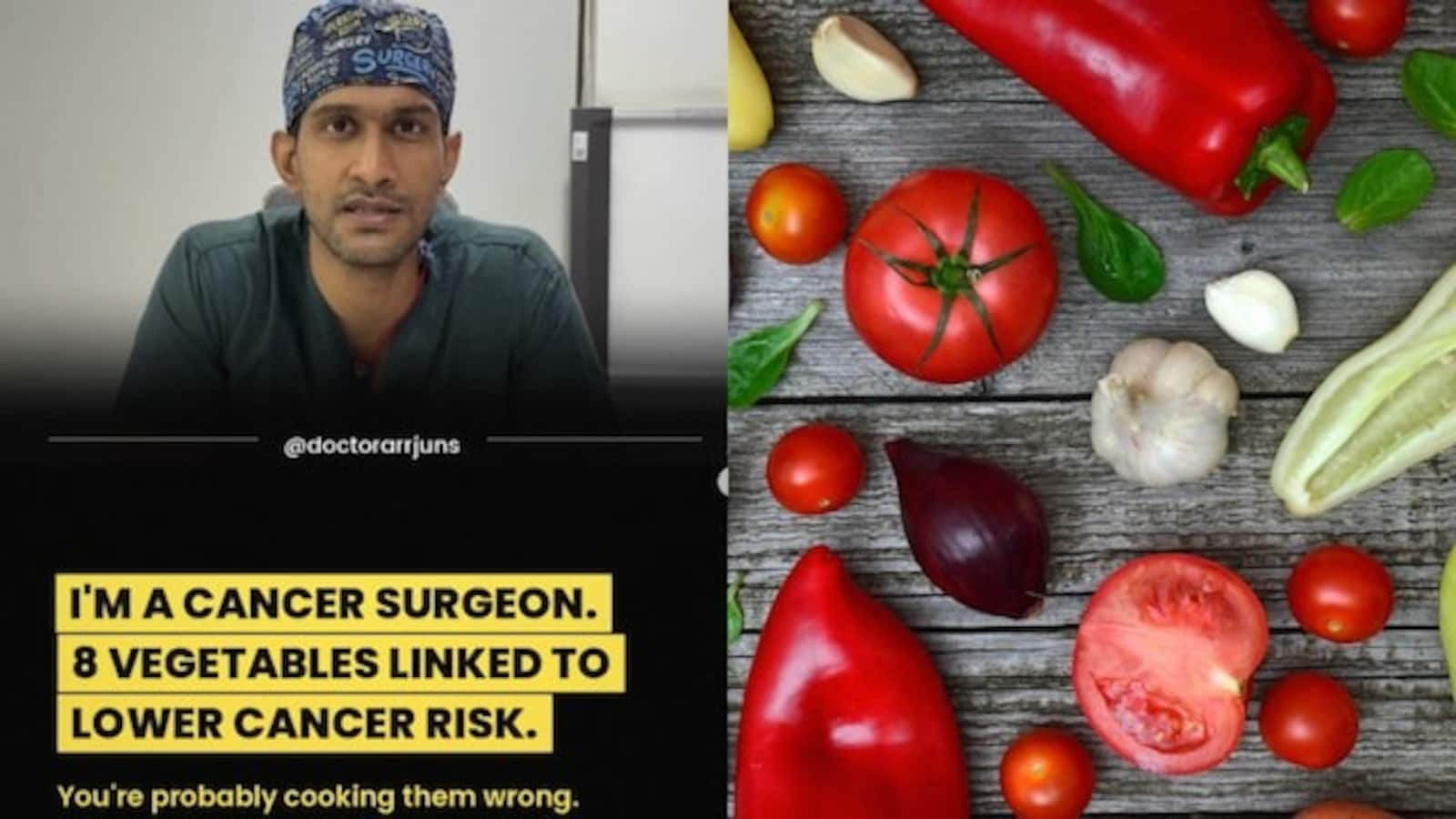
Vegetables, in particular, offer several health benefits and can contribute to a healthier lifestyle. In an Instagram post, Dr Arrjun Sankaran, a Hyderabad-based cancer surgeon, shared a list of eight vegetables that people can include in their diets to support their overall health and potentially lower cancer risk.
“I am a cancer surgeon, and here are 8 vegetables linked to lower cancer risk. You are probably cooking them wrong,” he wrote in the post.
8 Vegetables That May Help Reduce Cancer Risk
1. Garlic
Garlic has been associated with a lower risk of stomach cancer. However, the way it is prepared can also make a difference. Dr Sankaran recommends crushing or chopping garlic and allowing it to rest for around 10 minutes before cooking to help preserve its beneficial compounds.
Adding garlic towards the end of the cooking process can also help retain its nutritional properties. Another way to include it in your diet is by adding raw, crushed garlic to raita. Avoid cooking garlic for more than 10 minutes, as prolonged cooking may reduce some of its beneficial compounds.
2. Onion
Onions are packed with nutrients, particularly in their outer layers. Including raw onions in your daily diet through salads or raita is one way to make the most of their nutritional benefits.
You can also prepare onion-tomato chutney to enjoy a combination of raw and cooked ingredients. Light cooking is another option, as it helps preserve most of the nutrients. Avoid overcooking onions to retain their nutritional value.
3. Tomato
Cooking tomatoes can improve the availability of lycopene, the natural red pigment associated with several health benefits, including a potentially lower cancer risk.
“Oil helps you absorb lycopene, its red pigment,” Dr Sankaran wrote in his Instagram post. Adding a little oil while preparing tomatoes can therefore help the body absorb lycopene more effectively.
However, it is important to be mindful of store-bought tomato ketchup, which often contains high amounts of added sugar and salt.
4. Carrot
Carrots are another vegetable associated with potential cancer risk reduction. They are rich in beta-carotene, which the body converts into vitamin A.
According to Dr Sankaran, lightly cooking carrots with a little oil can improve the availability of vitamin A. He notes that cooked carrots can provide three to six times more available vitamin A than raw carrots.
Carrots can be included in everyday meals through sabzis, soups and other preparations.
5. Cauliflower
Cauliflower belongs to the cruciferous vegetable family and contains beneficial plant compounds that may support overall health.
Dr Sankaran recommends steaming or quickly stir-frying cauliflower to retain most of its nutrients. Boiling it can cause some valuable compounds to leach into the cooking water.
You can include cauliflower in your regular diet by adding it to dal or preparing gobhi matar sabzi. As Dr Sankaran points out, gobhi manchurian does not offer the same nutritional benefits as a simple vegetable preparation.
6. Cabbage
Like cauliflower, cabbage belongs to the cruciferous vegetable family and contains beneficial plant compounds. It should be washed thoroughly before cooking.
Steaming and quick stir-frying are among the preferred ways to prepare cabbage while retaining its nutritional content. You can include it in dishes such as cabbage poriyal or thoran.
Avoid boiling cabbage until it becomes too soft and then draining the water, as this can cause some of its valuable nutrients to be lost.
7. Broccoli
Broccoli is another cruciferous vegetable that may help support the body’s natural defence mechanisms.
Dr Sankaran recommends lightly steaming broccoli for around three to four minutes, until it turns bright green. He also suggests adding a pinch of crushed raw mustard seeds (rai) on top.
This combination may help increase the availability of sulforaphane, a plant compound that has been studied for its potential cancer-protective properties. However, cooking broccoli at excessively high temperatures can destroy some of the beneficial enzymes involved in the formation of this compound.
8. Mushrooms
Mushrooms have also been associated with a potentially lower risk of breast cancer. Dr Sankaran recommends cooking mushrooms before consuming them.
Sautéing or grilling mushrooms for around five to seven minutes is one way to prepare them. They can also be included in everyday dishes such as mushroom matar or an omelette.
It is important to avoid eating wild mushrooms picked from the surroundings, as some varieties can be poisonous and potentially dangerous.
How Much Fruits And Vegetables Should You Eat Daily?
Including all eight vegetables in your diet every day is not necessary. Instead, focus on eating a balanced variety of fruits and vegetables to benefit from their different nutrients and plant compounds.
ALSO READ: Manipal Health Wins Street’s Confidence As Brokerages Raise Targets On Growth, Expansion
Dr Sankaran recommends aiming for around 400 grams of fruits and vegetables daily, equivalent to approximately five handfuls.
“No vegetable cures cancer, your whole plate counts,” Dr. Sankaran concluded.
Ultimately, no single vegetable can prevent or cure cancer. However, regularly consuming a variety of vegetables as part of a balanced, plant-focused diet, alongside regular physical activity and maintaining a healthy weight, can contribute to better overall health and potentially lower the risk of certain cancers.
Disclaimer: This content including advice provides generic information only. It is in no way a substitute for a qualified medical opinion. Always consult a specialist or your own doctor for more information. NDTV Profit does not claim responsibility for this information.
Essential Business Intelligence,
Sharp Market Insights,
Practical Personal Finance Advice, Daily Fuel, Gold and Silver Prices, Watch Business News Live and Latest Stories — On NDTV Profit.


