
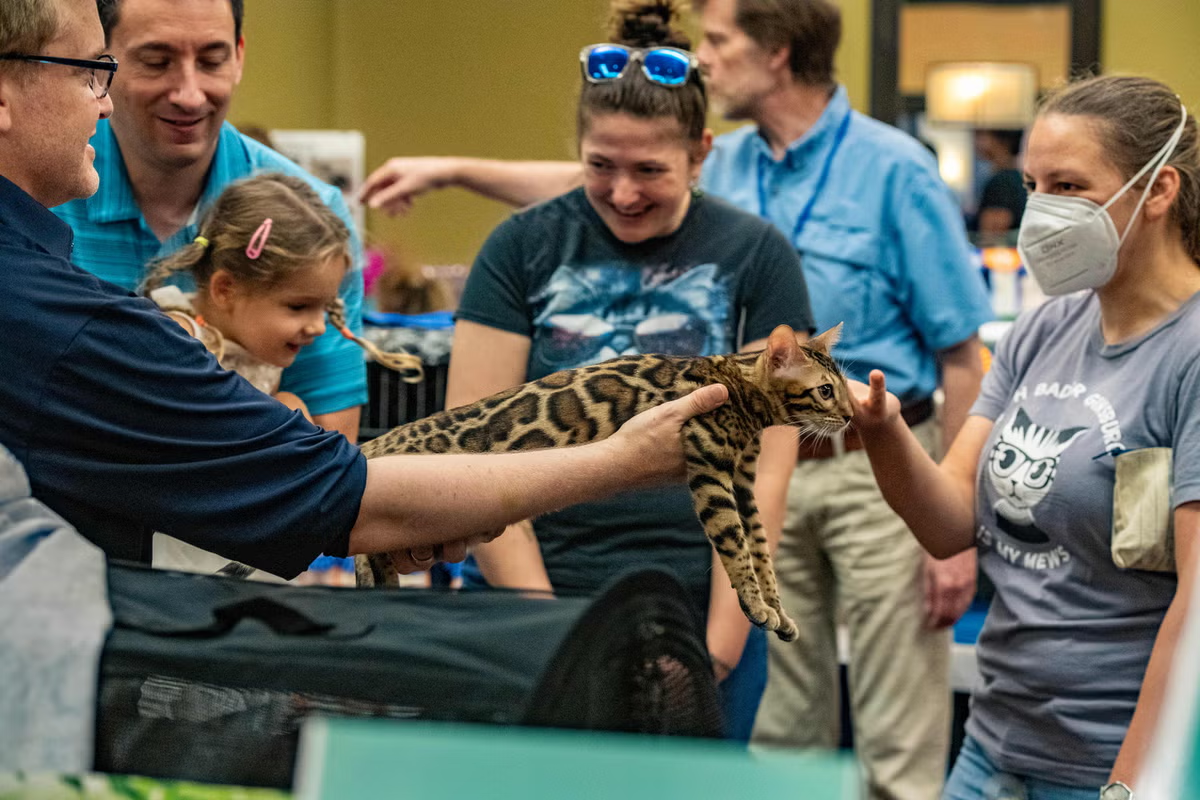
Deadly “bobcat fever” is spreading across the eastern U.S. this summer, and experts are sounding the alarm on the condition that could kill your pet in just a matter of days.
The tickborne illness has been detected in cats in Oklahoma, Arkansas and Tennessee, amid a record season for tick-related ER visits.
Bobcat fever, also known as Cytauxzoonosis, is often transmitted to cats through the bite of parasite-infected Lone Star and American Dog Ticks, which are found from Texas to Maine.
Untreated infections can lead to seizures, hypothermia, coma and death within days and 97 percent of untreated cats die, North Carolina State University says.
There are between hundreds and thousands of bobcat fever deaths in America each year – although there is no precise death toll.
At least five cats have died in Green Country, Oklahoma, in just two weeks, according to Skiatook Paws and Claws Animal Rescue.
“In areas like Oklahoma, tick populations thrive in warm months, especially in grassy, wooded, and rural environments,” the organization wrote in a post on Facebook. “Outdoor cats – and even indoor/outdoor cats – are at high risk of exposure.”
That’s why prevention is key, including efforts to address ticks near your home.
Cats should be kept indoors and people should give cats yearly flea and tick prevention medications prescribed by their veterinarian. Owners should regularly check their cats for ticks. Even just a few hours of exposure can transmit bobcat fever.
Knowing the symptoms of bobcat fever is also crucial to ensuring cats get life-saving care.
Signs of bobcat fever include lethargy, decreased appetite, pale gums, yellow gums and eyes, difficulty breathing, rapid breathing and fever.
Cats are diagnosed with bobcat fever after blood work that looks for the infection in red blood cells.
Most cases will require hospitalization and even cats that survive infection can get it again. They can also become carriers for the disease. Cats have a 60 percent chance of surviving infections when given antibiotics or other medication, according to VCA Animal Hospitals.
Researchers are still working on a vaccine for bobcat fever that improves survival rates.
“If you’re noticing any sort of concerning clinical signs of your kitty not feeling well, getting them to a vet ASAP to get them checked out,” Dr. Carley Allen of All Cats Clinic in Fayetteville, Arkansas, told KFSM.
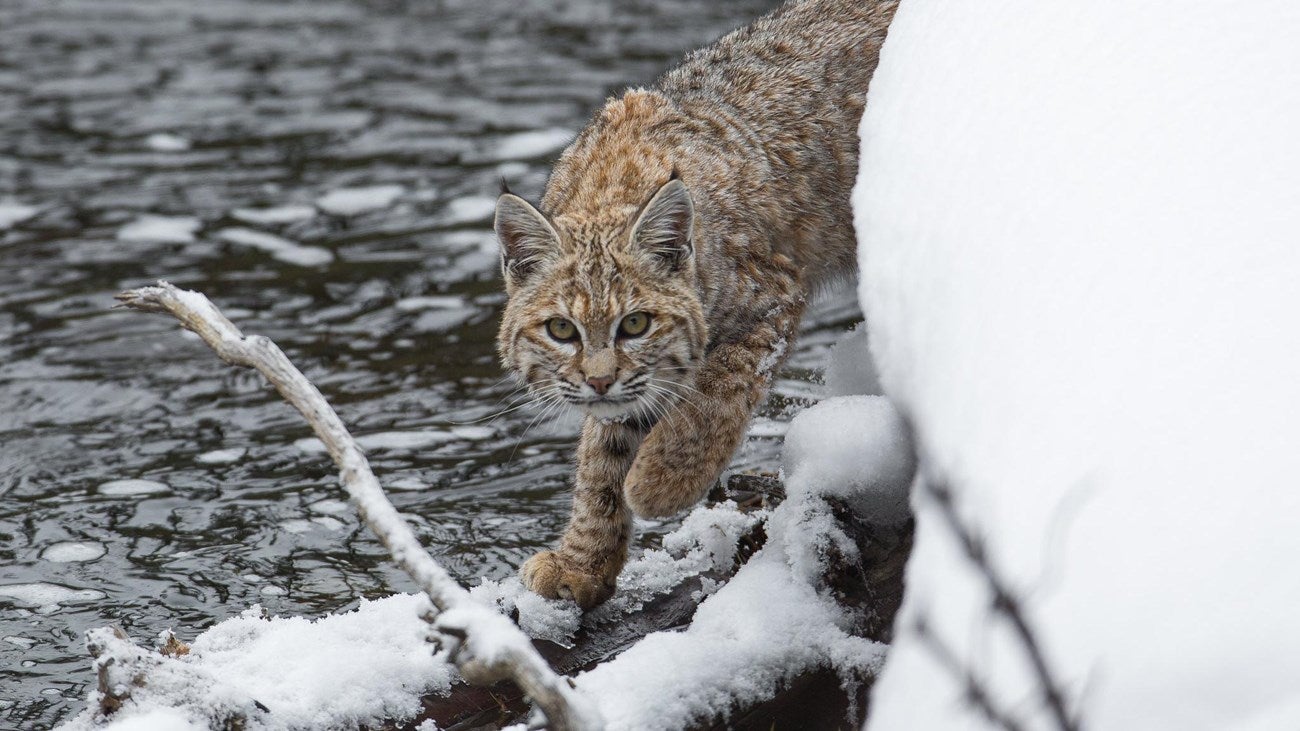
Bobcat fever was first reported in Missouri, with initial cases in bobcats in the 1970s.
For years, the disease was only documented in the south-central region of the U.S.
But the northward spread of ticks – largely thanks to a warmer and more humid climate – has led to infections documented in 35 states.
“Between 1998 and 2004 we saw a series of 34 cases from North and South Carolina and Virginia,” Dr. Adam Birkenheuer, an associate professor of internal medicine at the university’s College of Veterinary Medicine, recalled.
“We reported this surge in cases in the Journal of the American Veterinary Medical Association as we went from having never seen this deadly disease to times where we saw several cases a week.”

