

Want to bookmark your favourite articles and stories to read or reference later? Start your Independent Membership today.
Already a member?
Log in
Chef Calum Franklin is on a mission to bring back Britain’s historical pie recipes to “make people proud about British food again”.
Franklin, who has been dubbed “The Pie King” by fellow chef Jamie Oliver, says Britain has this “incredible” food culture and history but “we’ve never really shouted about it much before”.
He wants to prove it’s not just “fish and chips and roast dinners”.
Franklin spent hours studying the history, reading “extremely valuable manuscripts” in The British Library and has tweaked original recipes to suit modern audiences for his second cookbook, The Modern Pie Maker.
“I want to celebrate this incredible history. I don’t think we talk about it enough,” Franklin says. “Over the years of running restaurants, and with my first book, it taught me that there is a massive international interest in our pie culture because we’ve never really shouted about it much before.
“People are fascinated and they say, ‘Oh, we didn’t realise that Britain has this incredible food culture, this history. We just thought it was fish and chips and roast dinners’.”
Franklin grew up in southeast London and says his childhood memories of pies originate from his mother’s cooking. “My dad often worked out of the country, so she was trying to juggle three difficult children and make a lovely dinner,” he says.
“She was able to put a beautiful shepherd’s pie, chicken pies, on the table, so it reminds me of a really nice time. It reminds me of being together with my family, and I think that is the same for a lot of people in the UK.”
The 42-year-old, who still lives in London, says his love for pies was reignited years later when he had a hot pork pie in a pub for the first time. They are usually eaten cold, but he says this one was served with gravy and this was a “game-changer”.
He even created his own version later on, saying he wanted to make it the “ultimate expression of a very simple dish”.
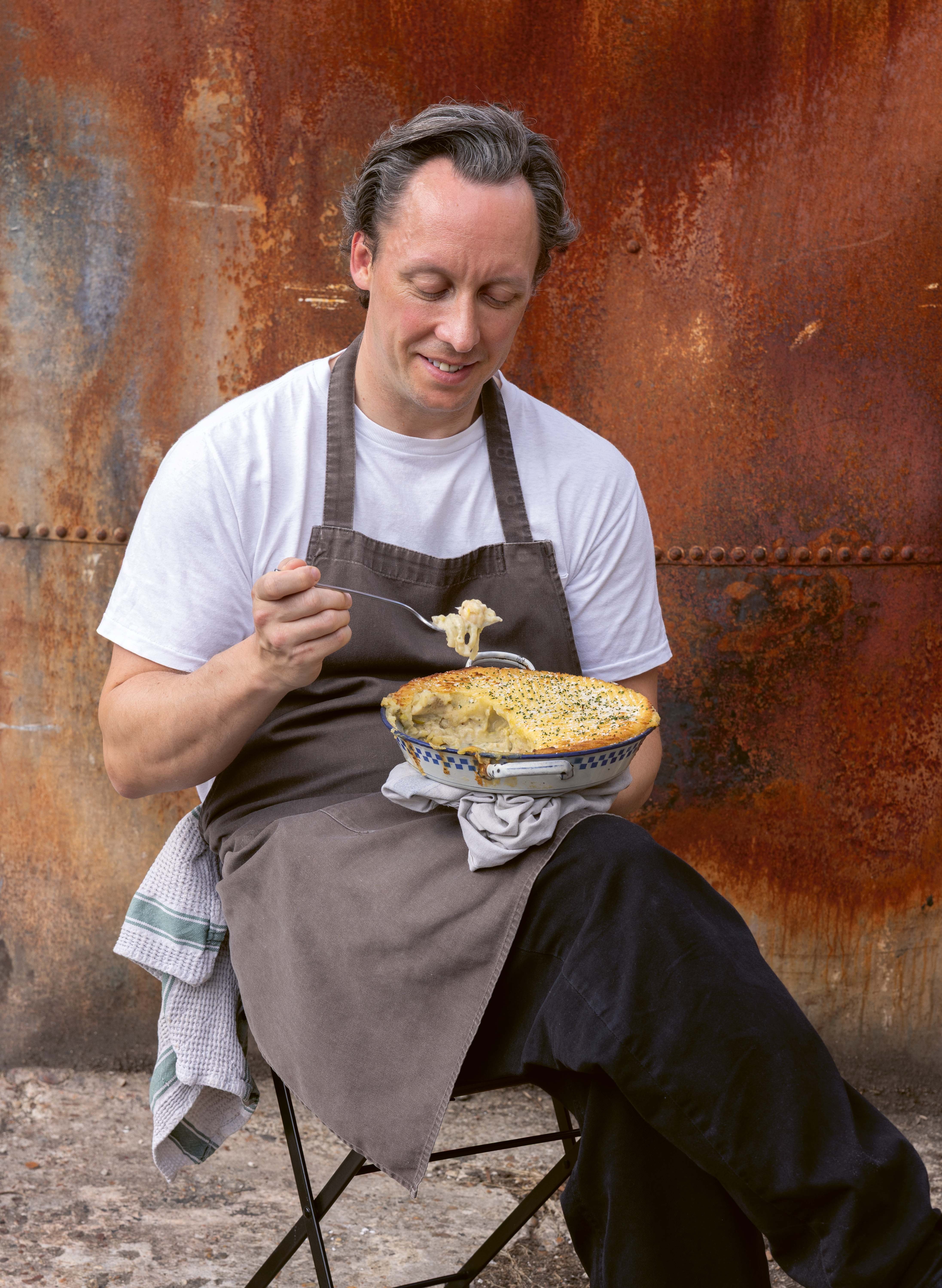
He says: “I just thought, ‘Oh my goodness, this is how it should always be. It’s incredible. All the fats that are inside it just become unctuous and soft, and the pastry becomes velvety because all the fats come out of it. I love it. I always encourage people to have hot pork pies now.”
Franklin opened the Holborn Dining Room in 2014, alongside renowned restaurateur Des McDonald, serving classical British brasserie food – and the pies were “very popular”.
One day, while looking through the basement in the building, which was full of antiques, he says he discovered a pie tin called a corset mould, which has different sections and keys to lock it together.
With none of his team knowing how to use it, Franklin says he knew he needed to learn the technique and “pass this down to (his) kitchen”.
He says: “I set upon that journey, and that then turned into a deeper journey into British pie-making.”
This led to Franklin’s first book, called The Pie Room, and a “very deep appreciation for British pie-making”.
However, he did not stop there, continuing his research and working with experts, including food historian Polly Russell, spending hours in The British Library.
“Polly would tell me, ‘I’ve found this incredible recipe. You should have a look at that. Come in and visit’,” Franklin says. “A lot of these books, you can’t take them out of the British Library – a security guard has to be there. You have to wear special gloves because these are extremely valuable manuscripts.”
Franklin says Russell flagged one recipe for a Norfolk Plough Pudding, and, after his own research, he made his own version and posted it online.
He says this created “chaos overnight”, as there were debates over the pie’s origins.
“I realised how tribal and passionate people are about regional pies, so I thought, ‘Well, wouldn’t it be lovely to try and capture all of our regional pies in a book?’ I thought, ‘This would be my service to pie-making’,” he says, to “capture the history, stories and etymology of these pies”.
However, he needed to make some tweaks to make the recipes more suitable to modern audiences and to ensure they do not die out.
“Tradition does change and a lot of people nowadays don’t like that, they don’t like the concept of that,” Franklin says. “They don’t understand that, actually, if you look back historically, tradition always changes because of politics, because of economics, because of religion.
“So, if we make some adjustments nowadays for contemporary tastes, as long as you pay respect to the original recipe, I think that is tradition.”
Focusing on pastries across the British Isles, the book takes readers through the history of each pie, its origins and nuances, and it includes recipes for a homity pie, macaroni pie, balti pie, Cornish pasty and Manchester tart.
There are tips and tricks, too, such as putting a chopping board in the fridge before working with pastry to keep the dough supple and workable.
Another tip is using solely egg yolk, rather than a whole egg, with a splash of water as a glaze for a pastry to achieve a “gorgeous shine”.
His apple pie includes grated cheddar in the dough, which he notes as “an absolute game-changer”.
Franklin loves that pie-making can be an “an outlet for creativity”, both with the fillings and designs, and he hopes others experience the same enjoyment and “pride” while making these recipes.
“It has been a lovely part of my professional career, spending months in the library, just being a pie weirdo,” he says. “I always feel like our pie history is so deep that there’s still so much more to tell.”
“My main hope is getting more people pie-making. My second hope is that it makes people proud about British food again because I think we’ve taken a beating over the years about British cooking.”
Balti pie
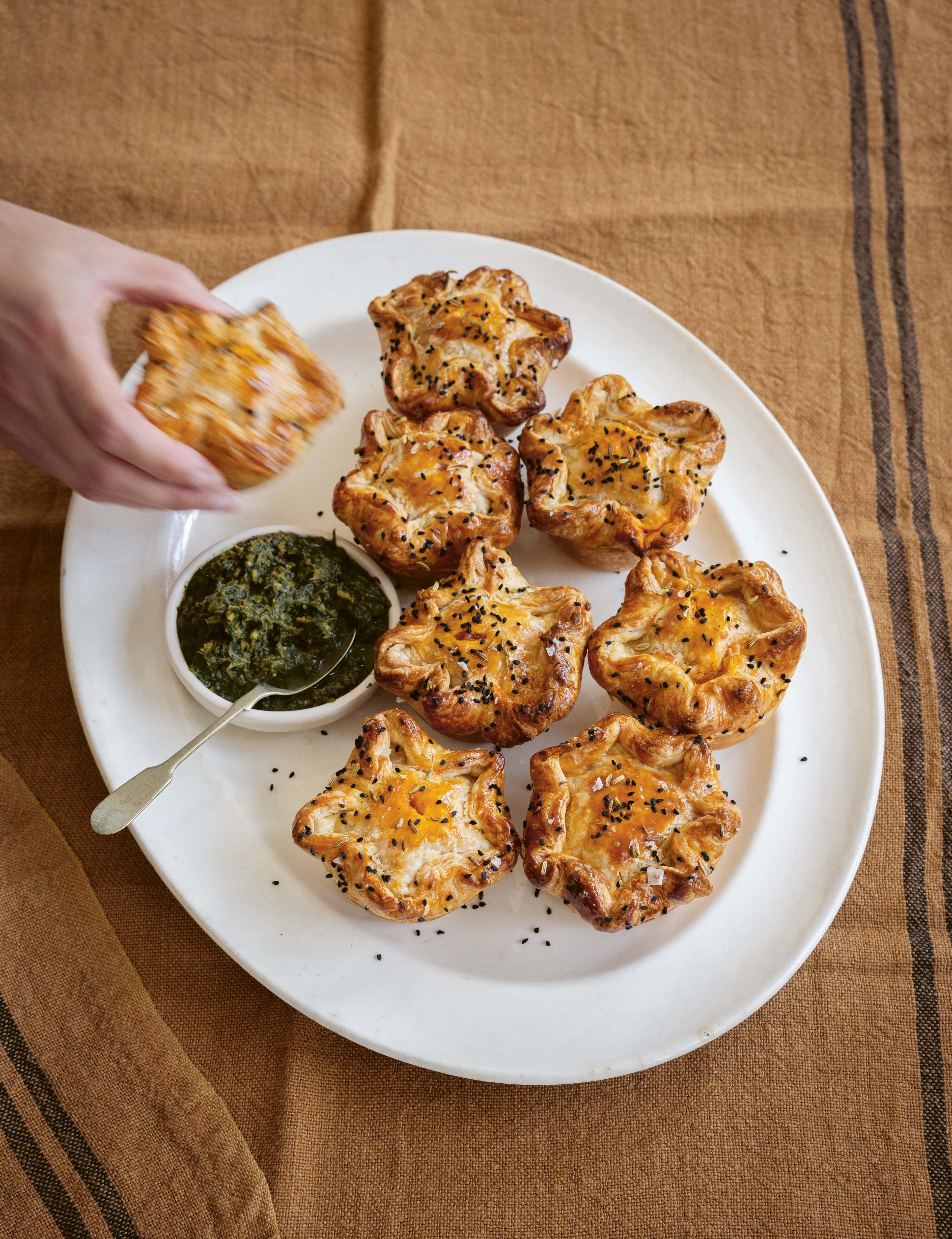
“A pie born out of the Midlands, this is one of my all-time favourites,” says Franklin.
“Its roots are in Pakistani-Kashmiri cooking and the base of the curry always has to contain tomatoes, onions, peppers and chillies, although variations can be built on those foundations. It’s a wonderful celebration of multicultural Britain. Enjoyed on football terraces across the nation, the first balti pie is thought to have been served at Walsall Football Club in 1977. They are now sold at over 60 football grounds throughout the UK.”
Serves: 4
Ingredients:
6 chicken thighs on the bone
1 tsp medium curry powder
1 tsp garam masala
½ tsp ground turmeric
½ tsp chilli powder
½ tsp ground cumin
½ tsp ground cinnamon
70g butter
1 red onion, finely chopped
1 green pepper, deseeded and cut into small cubes
1 garlic clove, peeled and chopped
2cm piece of ginger, peeled and chopped
400g tin chopped tomatoes
1 tsp tomato purée
200ml chicken stock
1 heaped tbsp cornflour
Zest and juice of 1 lime
10g fresh coriander, roughly chopped
16 frozen roti paratha
1 egg yolk, strained and beaten with 1 tsp water, for egg washing
Pinch each of nigella seeds and fennel seeds, for topping
Fine table salt
To serve:
Spicy green chutney
Equipment:
Non-stick 12-hole muffin tray
Method:
1. Preheat the oven to 190C fan/210C/gas mark 6½. Place the chicken thighs in a roasting tray and season with a pinch of salt. Place the tray in the oven and roast the chicken for 25 minutes and cooked through, then set aside to cool. Lower the oven temperature to 185C fan/205C/gas mark 6. Scatter all the ground spices over a sheet of foil. Place the foil in the oven and toast the spices for 10 minutes. (Turn the oven off.)
2. Meanwhile, melt 50g of the butter in a wide-based pan. Add the red onion, green pepper, garlic and ginger and cook over a low heat until softened. Add the toasted spices to the pan with the vegetables and cook for a minute, then add the chopped tomatoes, tomato purée and chicken stock. Bring everything to a simmer over a medium heat and reduce the sauce by half. Turn off the heat.
3. When cool enough to handle, strip all the meat off the chicken bones and chop into small nuggets. In a small bowl, mix a tablespoon of cold water into the cornflour to make a slurry, then stir that into the sauce. Stirring continuously, bring the sauce gently back up to a simmer. Add the chopped chicken, mixing it well, then add the lime zest and juice. Taste to check the seasoning, adding a little salt if needed. Finally, fold through the chopped coriander. Set aside to cool to room temperature, then chill in the fridge
4. Grease eight of the holes in the muffin tin with the remaining butter. Take the paratha out of the freezer. Working swiftly as the paratha defrost quickly, roll out eight of the paratha to about 11cm. Line each hole in the muffin tin with a rolled-out paratha and fill them about three-quarters of the way with the balti mixture. Lightly brush the exposed paratha with a little water. Use the remaining paratha to close off the pies, gently crimping the edges together but don’t worry about being too neat – I like to give them a rustic look. Chill the pies in the fridge for 15 minutes.
5. Preheat the oven to 200C fan/220C/gas mark 7. Using a sharp knife, make a small hole in the top of each pie. Lightly brush the top of each pie with a thin coating of egg wash and scatter the nigella and fennel seeds across the tops of the pies. Place the muffin tray in the oven and bake the pies for 30 minutes. Serve immediately while hot, with some green chutney for dipping.
Herb pie
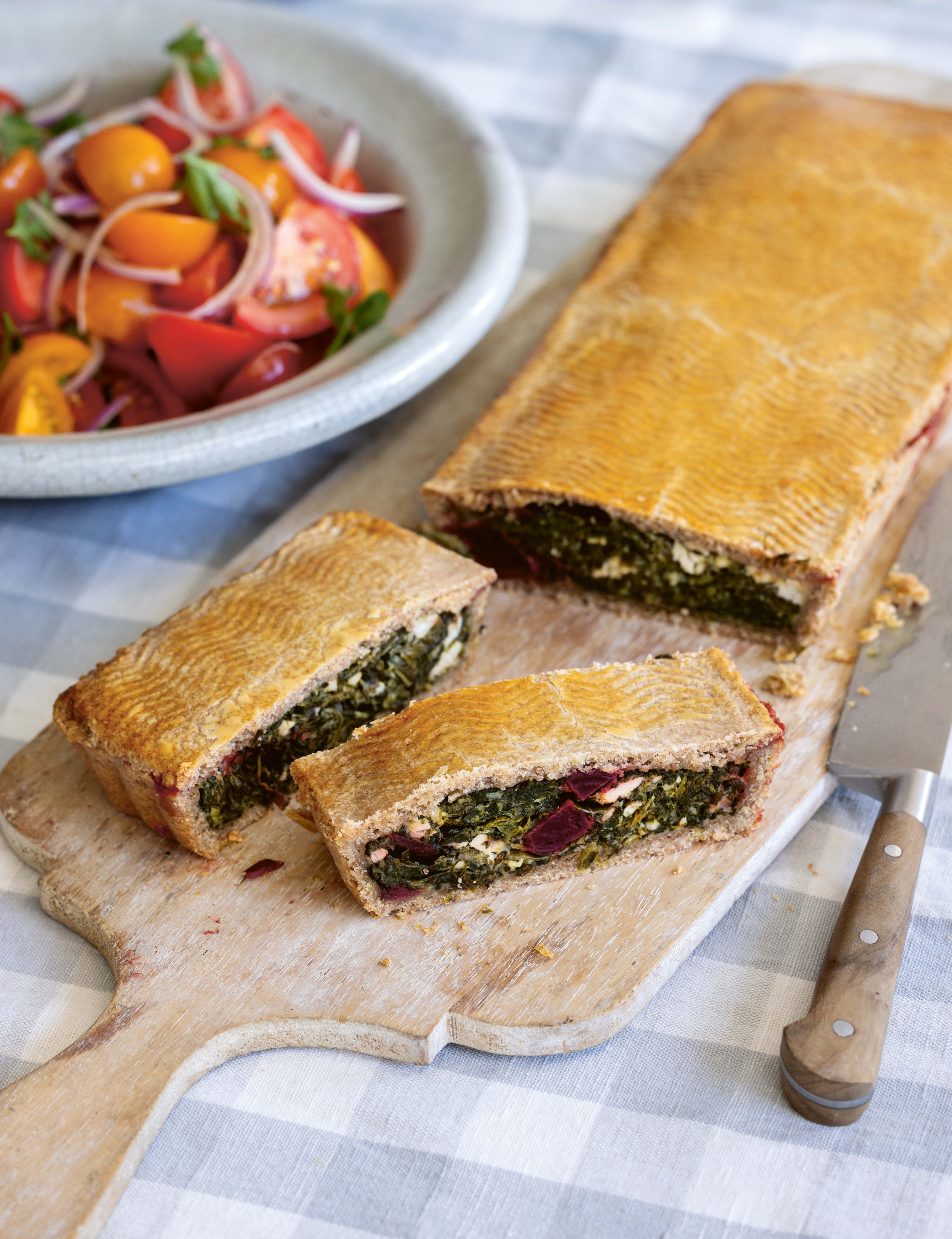
“There is a recipe for herb pie in Elizabeth Raffald’s 1769 book, The Experienced English Housekeeper. It was created for Lent and as such was devised to use up a multitude of green leafy vegetables, including beet leaves, spring greens, spinach and parsley, that would have been thickened with oats and butter,” explains Franklin.
“In my version, I have created a much lighter pie crust using wholewheat flour that relies on rapeseed oil for its structure. If you prefer, you can replace the rapeseed oil directly with olive oil. And feel free to experiment with the herbs that go into the filling; different herbs will alter the flavour profile of the pie depending on how they complement each other. For the cheese, I have used Graceburn, which is similar to feta but made with raw cow’s milk. If you cannot source Graceburn, regular feta made with sheep’s milk is a good swap.”
Serves: 4
Ingredients:
15g softened butter, for greasing
1 egg yolk, strained and beaten with 1 tsp water, for egg washing
For the wholewheat and rapeseed oil pastry (800g):
5g fine table salt
190g water
130g cold-pressed rapeseed oil
280g wholewheat flour
200g plain flour
For the filling:
750g spinach, washed
20ml vegetable oil
1 brown onion, peeled and thinly sliced
3 eggs, beaten
1 bunch flat-leaf parsley, leaves picked and roughly chopped
1 bunch basil, leaves picked and roughly torn
½ bunch dill, leaves picked and roughly chopped
½ bunch mint, leaves picked and roughly chopped
100g cooked red beetroot, cut into 1cm cubes and patted dry
250g Graceburn or feta cheese, crumbled
Fine table salt and freshly ground black pepper
Equipment:
36x12cm rectangular loose-bottomed tart tin
Textured wooden rolling pin with the design of your choice (optional)
Method:
1. To make the pastry: Dissolve the salt in the water and then mix with the oil. Sift both the flours into the bowl of a stand mixer and whisk to combine. Gradually pour the oil mixture into the flour and beat with a paddle attachment on a medium speed to incorporate the oil into the flour. Continue mixing until a rough dough forms and there is no flour left at the bottom of the bowl. Alternatively, if you don’t have a stand mixer and are making the pastry by hand, combine both flours in a large mixing bowl.
2. Create a well in the middle of the flour and gradually pour in the oil mixture, mixing with a wooden spoon to gently nudge the flour into the centre from the outside edges. Continue to bring everything together until a rough dough forms and all the loose flour is off the bottom of the bowl. Finish kneading the dough very lightly on your work surface just until smooth. Flatten the dough into a rectangle, wrap it tightly in clingfilm and chill in the fridge for at least 1 hour before using as directed in the recipe.
3. Line a baking tray with parchment paper. Divide the dough into two pieces, one weighing 500g and the other weighing 300g. On a lightly floured surface, roll out the larger piece to a 45 x 20cm rectangle, about 5mm thick. Roll out the remaining dough to a smaller 40 x 15cm rectangle, also 5mm thick. Slide the rolled-out dough onto the lined tray and chill in the fridge for 30 minutes.
4. In a wide-based pan with a lid, bring a few tablespoons of water to a simmer over a medium heat. Add the spinach to the pan, pop the lid on and cook for 2 minutes. Take the lid off, sprinkle in a few pinches of salt, then quickly stir the spinach with a wooden spoon to finish steaming. Transfer to a bowl.
5. In the same pan, warm the oil over a medium heat. Add the onion to the pan and cook for a few minutes until just softened. Add the wilted spinach, then drain in a colander. Using the back of a large spoon, press the spinach against the colander to expel any excess water. Spread the spinach out in the colander to cool slightly.
6. Wrap the onion and spinach in a clean dish cloth or kitchen towel, then squeeze out any remaining moisture. Transfer the mixture to a chopping board and roughly chop.
7. In a large mixing bowl, combine the onion and spinach with the beaten eggs and chopped and torn herbs. Season with 1 teaspoon each of salt and pepper. Finally, fold in the diced beetroot and crumbled Graceburn or feta cheese.
8. Preheat the oven to 200C fan/220C/gas mark 7 and grease the tart tin with the butter.
9. Line the greased tart tin with the larger rectangle of dough. Prick the bottom all over with a fork. Fill the tart case with the filling mixture. If you are using a patterned rolling pin, you can decorate the smaller rectangle of dough for the lid now – I used a wooden rolling pin etched with wavy lines to create a decorative pattern before adding the lid to the pie. Lay the smaller rectangle of dough on the top and seal the edges together. Trim off any excess pastry overhanging the lip of the tin with a sharp knife, then lightly brush the pastry lid with a thin coating of the egg wash. Place the pastry-lined tin in the fridge to chill for 30 minutes.
10. Lightly brush the pastry lid with a final thin coating of the egg wash. If you are using the tip of a sharp knife to score a decorative design into the top of the lid, you can do that now.
11. Place the tin in the centre of the oven and bake the pie for 45 minutes, turning the pie 180 degrees in the oven halfway through the cooking time. Remove from the oven and leave the pie to rest in the tin for 30 minutes before lifting it out and slicing.
Figgy pudding
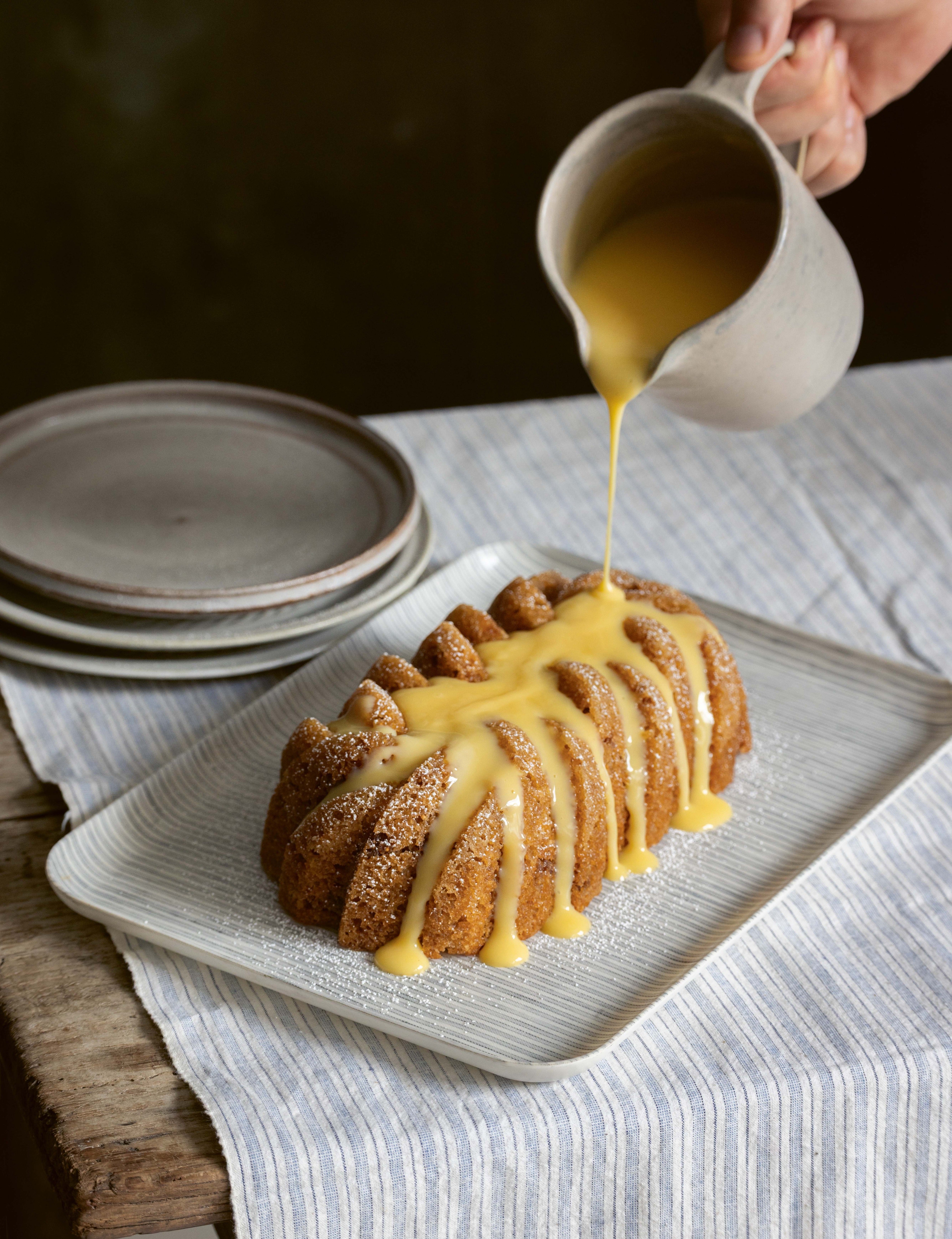
“Often considered a precursor to the classic Christmas plum pudding, there were recipes for Figgy Pudding in Mrs Beeton’s Book of Household Management, her cookbook of 1861. Classically made from preserved figs, suet, spices and brown sugar, and then soaked in rum, it would have been a dense, sleep-inducing affair of a dessert,” says Franklin.
“My version here makes use of the magical properties of baking powder to lighten the sponge whilst retaining the robust flavours of the original. This was probably the recipe I tested the most times for this book. There were many, many failed attempts – some of which I inflicted upon my family (I am so sorry) – before perfecting this pudding, which I think is a joy to eat. Pass the custard, please! ”
Serves: 4-6
Ingredients:
15g softened butter, for greasing
100g self-raising flour
2 tsp baking powder
80g vegetarian shredded suet
40g ground almonds
50g panko breadcrumbs
Zest of 1 unwaxed lemon
1 tsp ground cinnamon
½ tsp fine table salt
2 eggs
140g golden caster sugar
150g whole milk
30ml Amaretto liqueur
100g dried figs, stalks removed and cut into small pieces
To serve:
Custard
10g flaked almonds, toasted
Equipment:
20cm savarin ring mould or 6-cup fluted bundt tin
Method:
1. Preheat the oven to 165C fan/185C/gas mark 6½ and lightly grease the savarin mould or bundt tin with the butter.
2. In a large bowl, combine the flour, baking powder, suet, ground almonds, panko breadcrumbs, lemon zest, ground cinnamon and salt. In a separate bowl, beat the eggs with the sugar until well combined, then whisk in the milk and Amaretto.
3. Pour the wet ingredients (the egg mixture) into the bowl with the dry ingredients (the flour mixture) and beat together to form a smooth batter. Fold the chopped figs through the batter so they are evenly distributed.
4. Carefully scrape the batter into the greased mould or tin; the batter should come no more than three-quarters of the way up the sides. Cut out a piece of parchment paper that matches the shape of the mould or tin and sit it over the top. Next, tear off a sheet of foil measuring 50cm square and fold a 2cm pleat in the centre (this allows for the pudding to expand during steaming). Fit the pleated foil to the top of the mould or tin; it should sit loosely over the surface but fit tightly around the sides. Take a length of string and tightly tie it around the sides of the mould or tin to secure the foil lid in place.
5. Place the mould or tin in a deep roasting tray. Fill the tray with boiling water so it reaches halfway up the sides of the mould or tin. Tear off another large sheet of foil and use it to seal the roasting tray. Place the tray in the preheated oven and steam the pudding for 2½ hours.
6. Once cooked, remove the tray from the oven and the pudding from the tray, and rest the pudding for 15 minutes before discarding the foil and parchment paper. Check the pudding is loose around the sides of the mould or tin. If necessary, gently prise the pudding away from the sides with a small knife. Turn out the pudding into a wide, shallow bowl.
7. To serve, pour the custard over the pudding. If you have used a savarin ring mould, fill the cavity at the centre of the pudding and allow a little custard to drizzle down the sides. If you have used a fluted bundt tin, pour the custard over the top of the pudding and allow it to cascade down the grooves. Finish with a scattering of toasted almonds before serving.
‘The Modern Pie Maker: A Mouth-Watering Journey Around Britain in Eighty Recipes’ by Calum Franklin (Bloomsbury, £26).


