

Want to bookmark your favourite articles and stories to read or reference later? Start your Independent Membership today.
Already a member?
Log in
When Alice Vaughan went into labour on 19 July 2022, Britain was recording its hottest day in history, with temperatures breaching 40°C.
“We got to the hospital at midnight and went to the midwifery-led unit as I’d wanted a water birth,” recalls Vaughan, who lives in Norwich. “There was no aircon, and it was in the mid-30s in the room. It felt like a sauna. It was oppressive. My legs were severely swollen, I was retaining so much water, and the heat caused a huge amount of anxiety. It was really hard.”
Alice’s experience points to a reality that Britain’s health infrastructure is only just beginning to confront: extreme heat is relative. What counts as dangerous heat in the UK is very different from hotter climates around the globe. Our bodies adapt to baseline regional temperatures, meaning that in a temperate nation unaccustomed to prolonged hot spells, even 30°C can trigger significant strain – particularly during pregnancy.
The scale of Britain’s warming climate is stark: 2025 was the UK’s warmest year on record, the last decade has seen four times as many days over 30°C, and the June 2026 heatwave alone was linked to 2,124 excess deaths. Yet the health harms from heat extend far beyond headline mortality figures – and the distinct danger facing pregnant women, postpartum mothers, and newborns remains dangerously overlooked.
The stakes are critical: heat exposure during pregnancy increases the risks of low birth weight, early-onset pre-eclampsia, and premature delivery. These are not distant projections; they are unfolding right now. In a global survey of 1,000 healthcare professionals across the UK, Australia, Brazil, India, and Zimbabwe, 73 per cent reported seeing a rise in heat-related pregnancy complications over the past five years.
Actionable, positive solutions
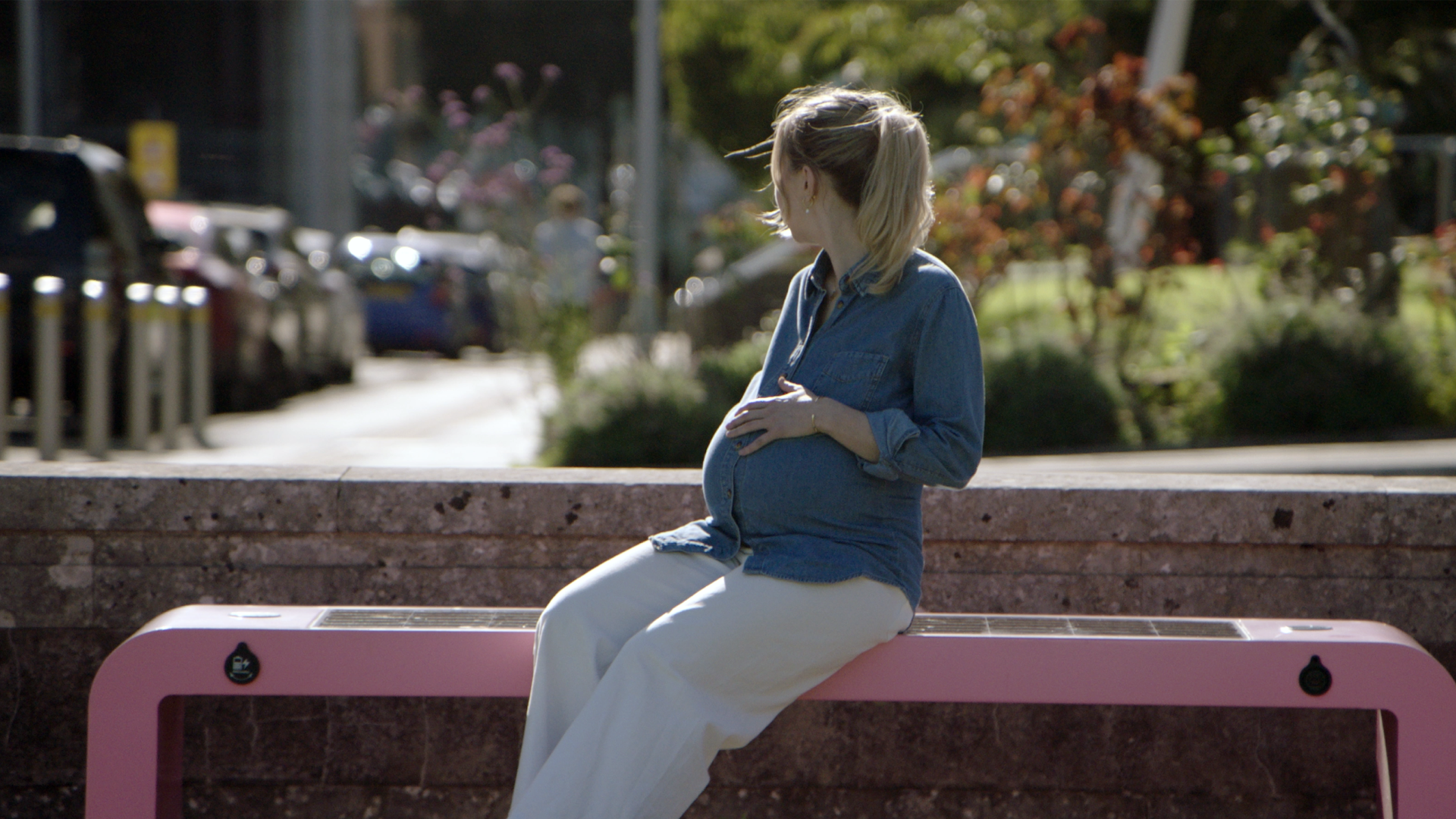
Tackling this requires understanding where heat hits hardest. In the UK, the pioneering Wellcome-funded MAGENTA research project is already tracking how excess heat impacts pregnancy outcomes across London and Wales, with a direct focus on health inequalities. As co-principal investigator Professor Lucy Griffiths notes: “We have found so far that women living in more deprived communities or areas may be experiencing more extreme heat during pregnancy.”
Closing this gap is by no means insurmountable. Many pregnant women naturally put heat fatigue down to everyday summer discomfort, unaware of the deeper strain on their body or simple ways to ease it. Practical fixes – like basic ward cooling, staff training and clear advice on newborn care – are straightforward to deliver. Frontline staff overwhelmingly agree: 92 per cent of surveyed healthcare professionals want dedicated resources to support expectant mothers through hot spells.
Yet isolated workplace adjustments cannot solve this alone. Without a systemic approach that embeds pregnant women in heat preparedness and adaptation planning, consistent guidance for maternal health professionals, and maternity services equipped for rising temperatures, vital protections will remain fragmented.
A global call to action
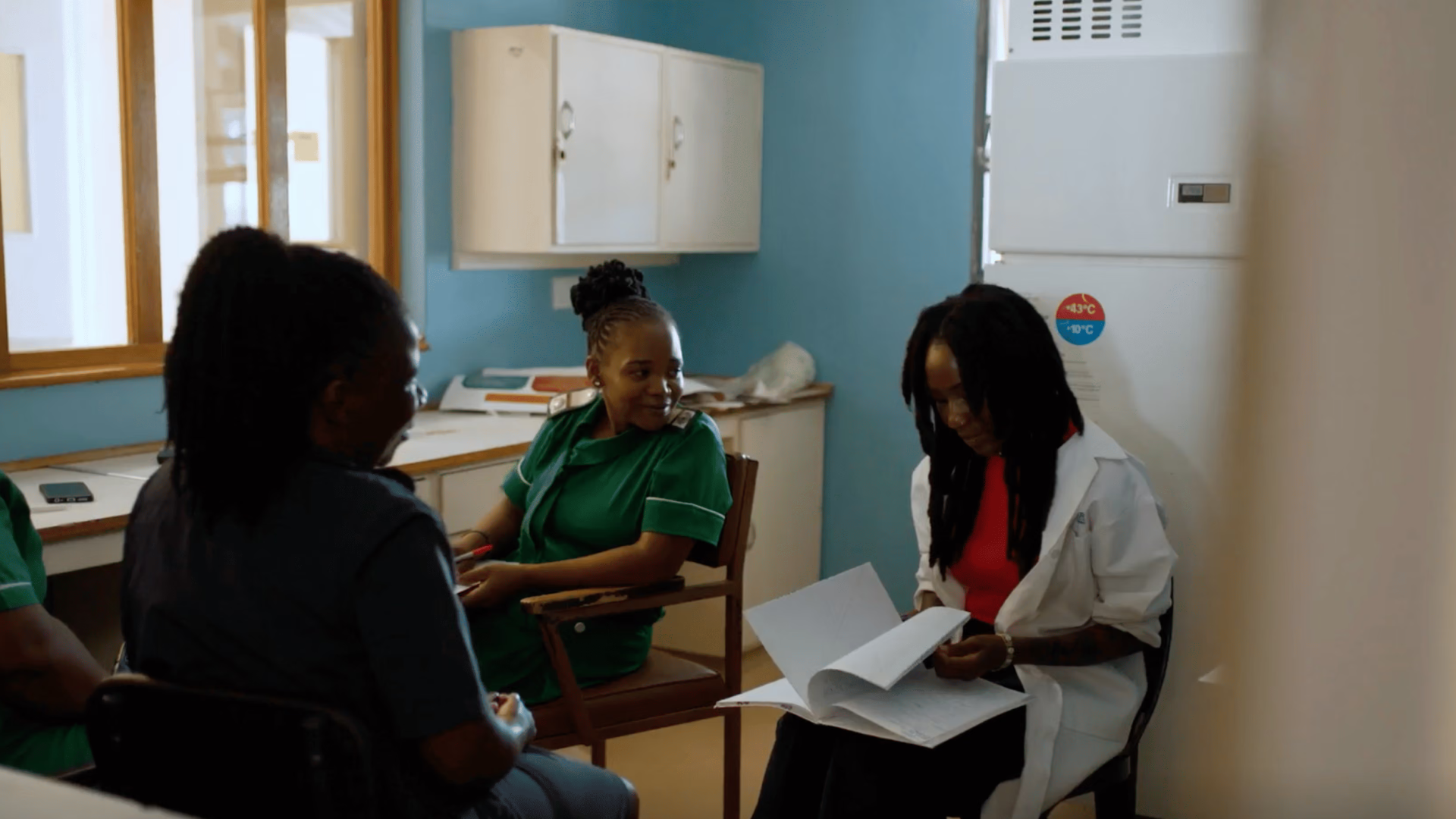
Yet despite clear evidence linking extreme heat to pregnancy complications, maternal and newborn care remains a major blind spot in climate adaptation, with many heat-health plans failing to classify pregnancy as a specific risk group. To address this gap, Wellcome has launched a global call to action.
For Dr Madeleine Thomson, Head of Climate Impacts and Adaptation at Wellcome, there is no time to waste: “The Global Call to Action on Heat and Women’s Health brings together partners working across research, frontline care, and community adaptation. It was launched at Pre-COP in Fiji to build momentum ahead of COP31 and drive greater action to protect pregnant women and newborns from extreme heat.”
Since the global call to action was launched, the World Health Organization has announced an initial framework to monitor the health impacts of heat on pregnant women and newborns. Wellcome’s campaign now aims to build on this vital first step – strengthening healthcare preparedness and pushing for dedicated global clinical guidelines to turn evidence into direct, frontline protection.
Turning research into national policy

Ultimately, real-world protection rests with national governments and global health leaders. Wellcome’s campaign sets out two clear priorities:
In the UK: The DHSC, UKHSA, and NHS England must include measures to protect pregnant women and newborns into heat-health planning, embedding extreme heat resilience directly into maternity reforms and adapt maternity services to be resilient to extreme heat.
Globally: The WHO must establish the first dedicated clinical guidelines on heat and pregnancy – covering training for midwives and obstetricians, the use of heat-index data in frontline care, and setting safe temperature limits for pregnant workers.
For Alice Vaughan, the time to act is now. “I’ve got two girls and in 20 or 30 years’ time, they might want to have a family. We don’t know what the world will be like or how hot it’s going to be in our country, and I want there to be safeguards in place for them. Having this conversation now is vital if we want to protect them in the future.”
Explore the evidence and discover how global health systems can adapt: Read the Wellcome Heat and Pregnancy Report and read about the Global Call to Action


