

Want to bookmark your favourite articles and stories to read or reference later? Start your Independent Membership today.
Already a member?
Log in
Daylight saving time ends this Sunday with clocks falling back an hour as America approaches the start of winter.
It’s a practice that’s been around for decades, aimed at allowing Americans to better use natural daylight. But it’s also sparked heated debate. Though President Donald Trump and Republicans have recently pushed to make daylight saving permanent, citing hassle and cost, medical experts say ditching it could be better for our health.
The House of Representatives passed a bill over the summer – now stalled in the Senate – to make daylight saving time permanent, and 19 states have pre-approved the change. The bill has faced opposition from some who fear the change could raise the risk for fatal accidents.
Now, new research sheds light on the impact of such a shift. Researchers at the University of Washington estimated there could be at least 2 billion more dark commutes to school, if permanent daylight saving time is implemented nationally, leading to “serious safety consequences for millions of schoolchildren.”
Analyzing traffic collision data also revealed it is roughly twice as likely for a fatal crash involving a school-aged pedestrian to occur during dark mornings than after sunrise.
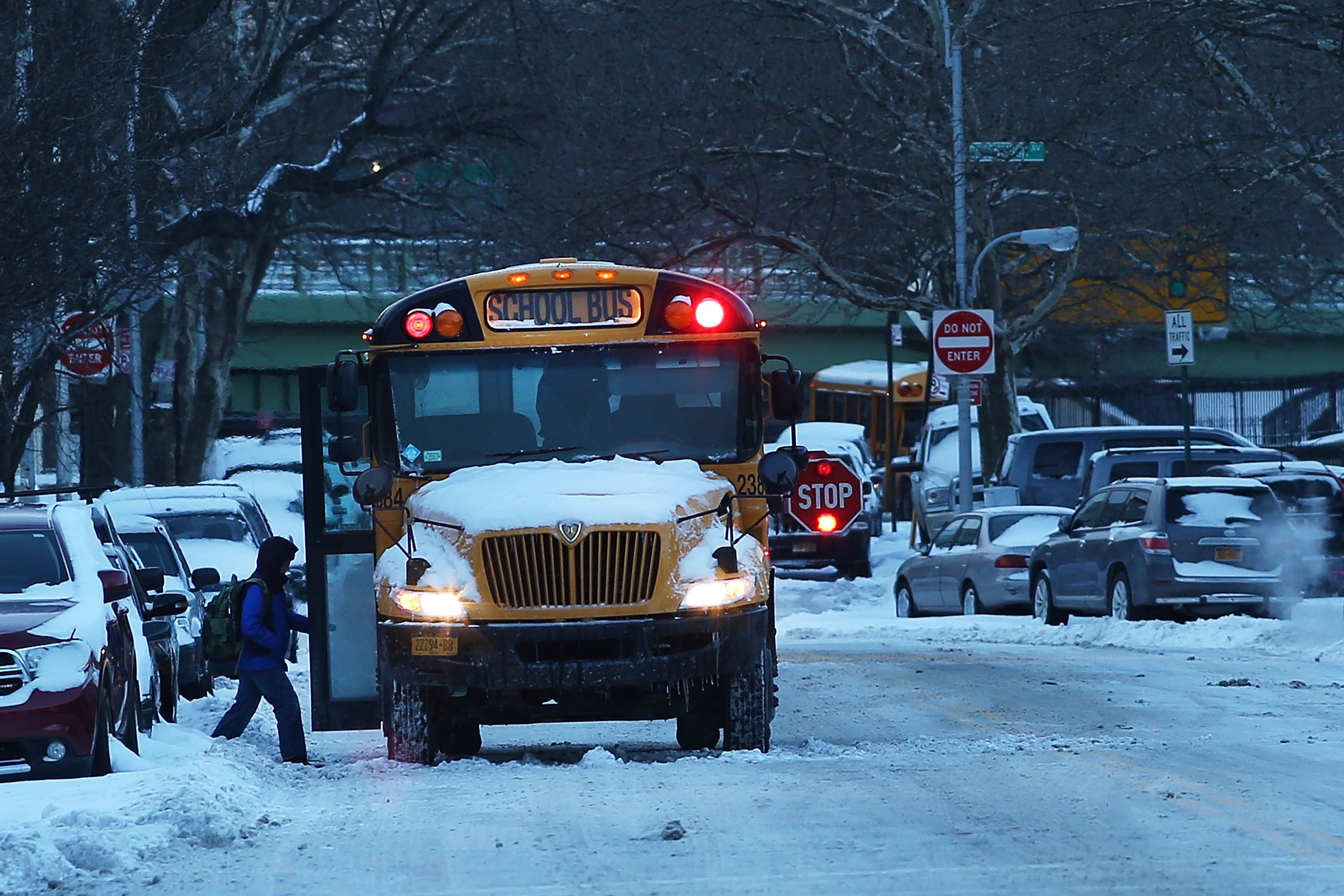
“These dark mornings will inequitably affect children who have to go to school at a certain time,” senior author Horacio de la Iglesia, a professor of biology at the university, said in a statement. “…Nobody wants their kids to go to school in the dark.”
In addition to it being dark, another part of the problem is that morning daylight is crucial for our natural sleep-wake cycle.
It tells the brain to stop producing the sleep hormone melatonin, boosts the energy-producing hormone cortisol to kickstart our day and even helps us to fall asleep faster and longer at night.
Without morning light, the body can struggle to regulate mood, sleep and appetite, leading to an increased risk for crashes and potentially harming a child’s academic performance, as well.
Not all kids would feel these changes equally, too.
The effect was the strongest for high school students, who tend to start school the earliest already.
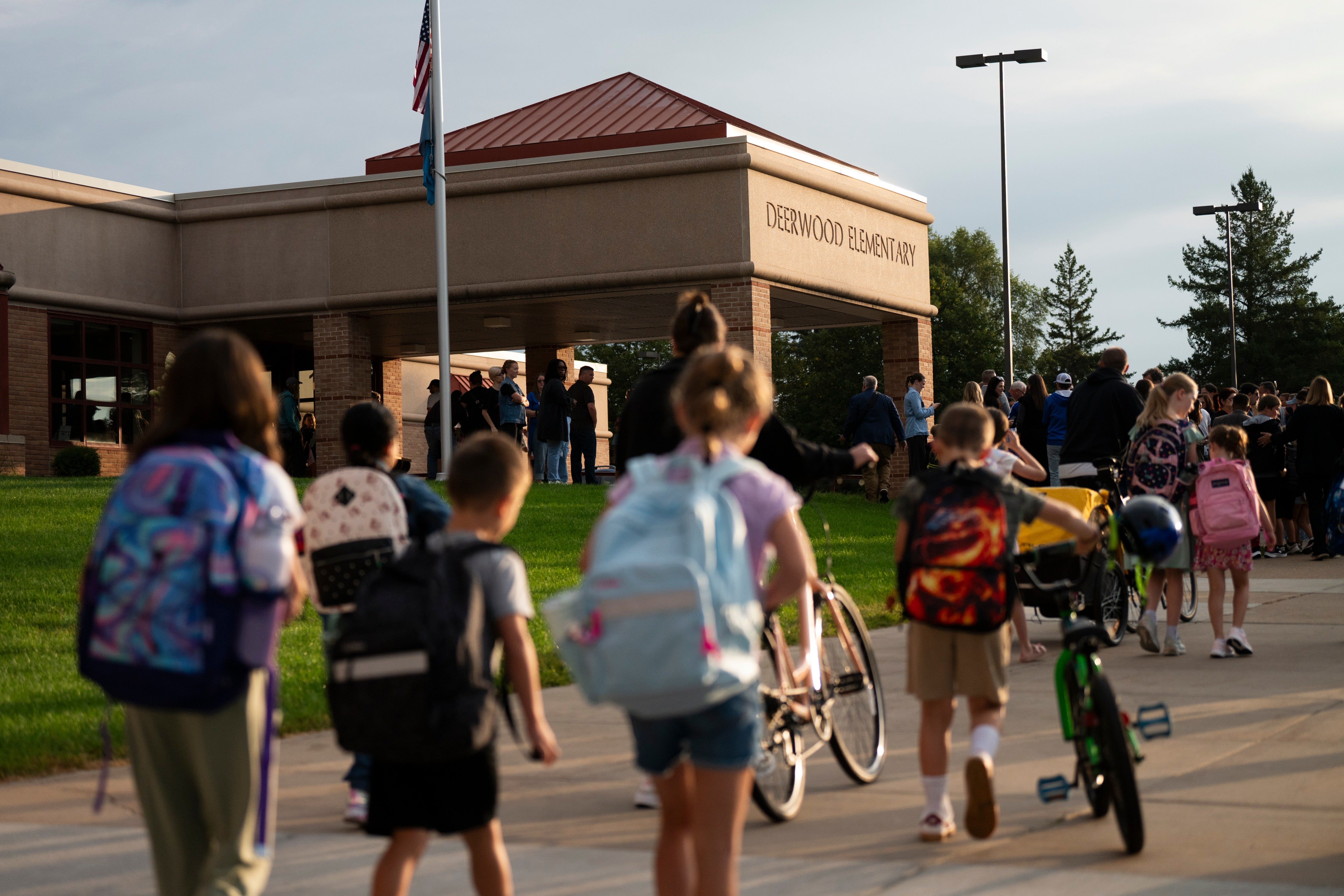
Those who live on the western edge of their time zones – where sunrises occur later – and schools with early school starts would also be disproportionately impacted, the researchers said.
“Some districts probably never experience a dark commute under the current system, and, if this passes, suddenly they will wake up to this new reality that their kids are going to school in the dark,” lead author Guadalupe Rodríguez Ferrante, a postdoctoral scholar in biology, explained.
The researchers analyzed the start times of more than 16,000 schools in 14 of the 19 states, calculating day commuting to school in the dark using listed start times, enrollment data and latitude and longitude measurements.
“For the estimation, we assumed students would be leaving home around 8 a.m.,” Rodríguez Ferrante said. “That’s pretty late, so our calculation is likely an underestimation of the real number.”


