

Want to bookmark your favourite articles and stories to read or reference later? Start your Independent Membership today.
Already a member?
Log in
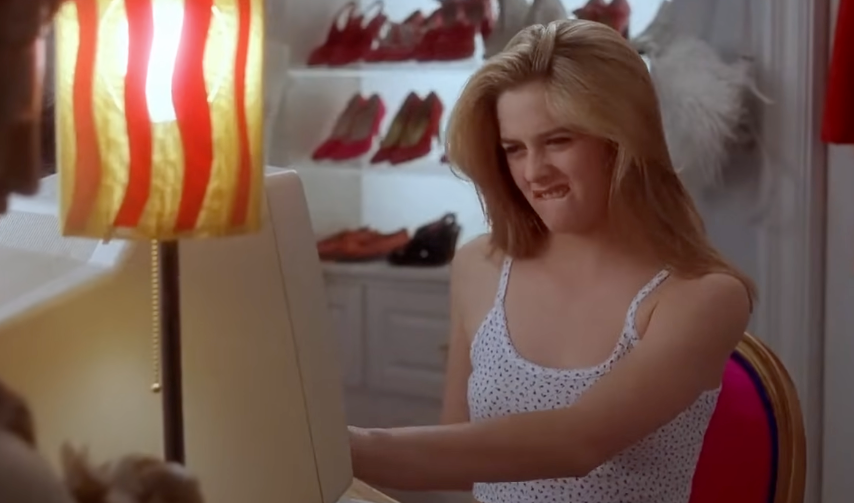
I’ve always fantasized about the infamous closet scene in the 1995 movie Clueless. You know the one: Alicia Silverstone’s spoiled schoolgirl Cher Horowitz picks out her iconic yellow plaid two-piece while scrolling on her computerized wardrobe. I’ve always thought that if I had that magical software, my mornings as someone with extreme decision-making paralysis would be much easier. Choosing what to wear often makes me late to work or social events. And if I have an event coming up, I often decide I need to buy something new because nothing in my wardrobe will work (this is always untrue). It was getting expensive and exhausting.
I reached a breaking point with my closet earlier this year. I was moving from London to New York, and I needed to seriously cut down on what I owned. I ended up donating or selling around 70 percent of my closet. But the biggest change came when I stumbled across a video recommending a digital wardrobe app – an in-pocket version of Cher’s dreamy closet software.
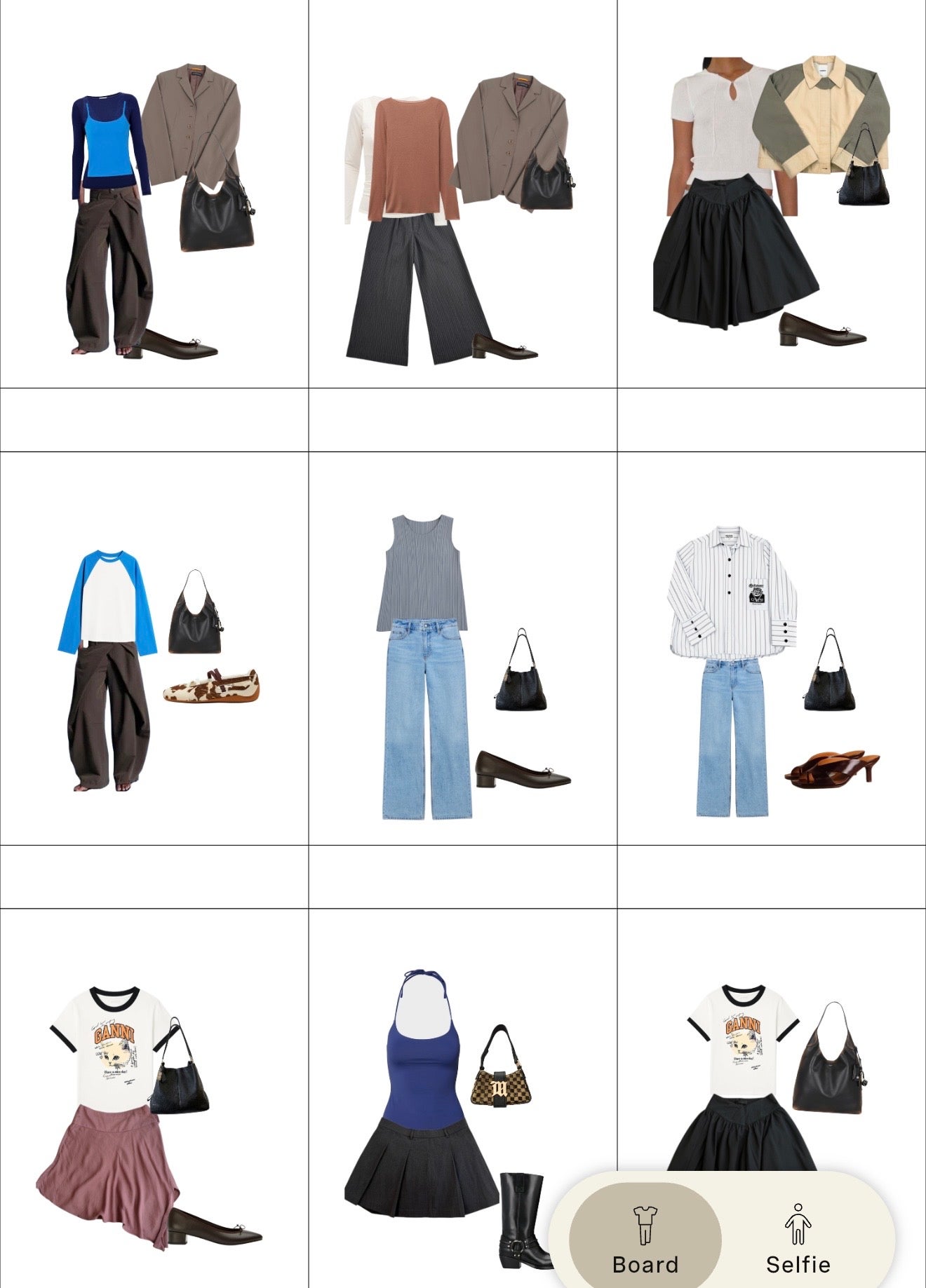
I downloaded Indyx, just one of many apps like it, which allows you to upload your clothes, shoes and accessories in one place and create outfits that you can save and come back to. It took a bit of work at first. I committed an afternoon to photographing everything I now own – 13 T-shirts, six pairs of shoes, five pairs of trousers, four skirts, four sweaters, three handbags and two pairs of jeans to be precise – and uploading them onto the app. Taking inventory of worldly possessions felt extremely satisfying. The most gratifying part of the process is a sneaky “enhance” button, which makes it look like a professional photo. When you add an item, you can also include the brand name, the size, and even the retail value so you can calculate the cost-per-wear down the line. From there, I started building out a fleet of outfits to choose from each morning, decision paralysis be damned.
Digitizing my wardrobe has completely changed my consumption habits. Seeing all of my clothes in one place has allowed me to create more outfits than I thought possible. It’s also enabled more creativity with my wardrobe – pairing things together that I wouldn’t otherwise. But the best part? I’ve stopped buying new clothes and started appreciating what I already have.
My relationship with clothes has always been complicated. I have an addiction to the sweet dopamine boost that comes with retail therapy, and yet I’m still one of those people who never feels like they’ve got anything to wear. As a Gen Z shopper, it’s so easy to fall into the trap of needing more. Influencers are constantly selling us new trends that only last for a moment, and outfit repeating is frowned upon. If you’re like me, fighting this noise is genuinely difficult.
The root of my shopping problem (and the existential feeling that I have nothing to wear) is that I’ve always thought buying mundane everyday items, or “basics,” is a waste of money. I was only drawn to buying loud statement items, meaning that my outfits would be pretty garish, flashy and impractical. As I’ve gotten older, I’ve realized that high-quality basics are the foundation of a wardrobe, and they are definitely not boring.
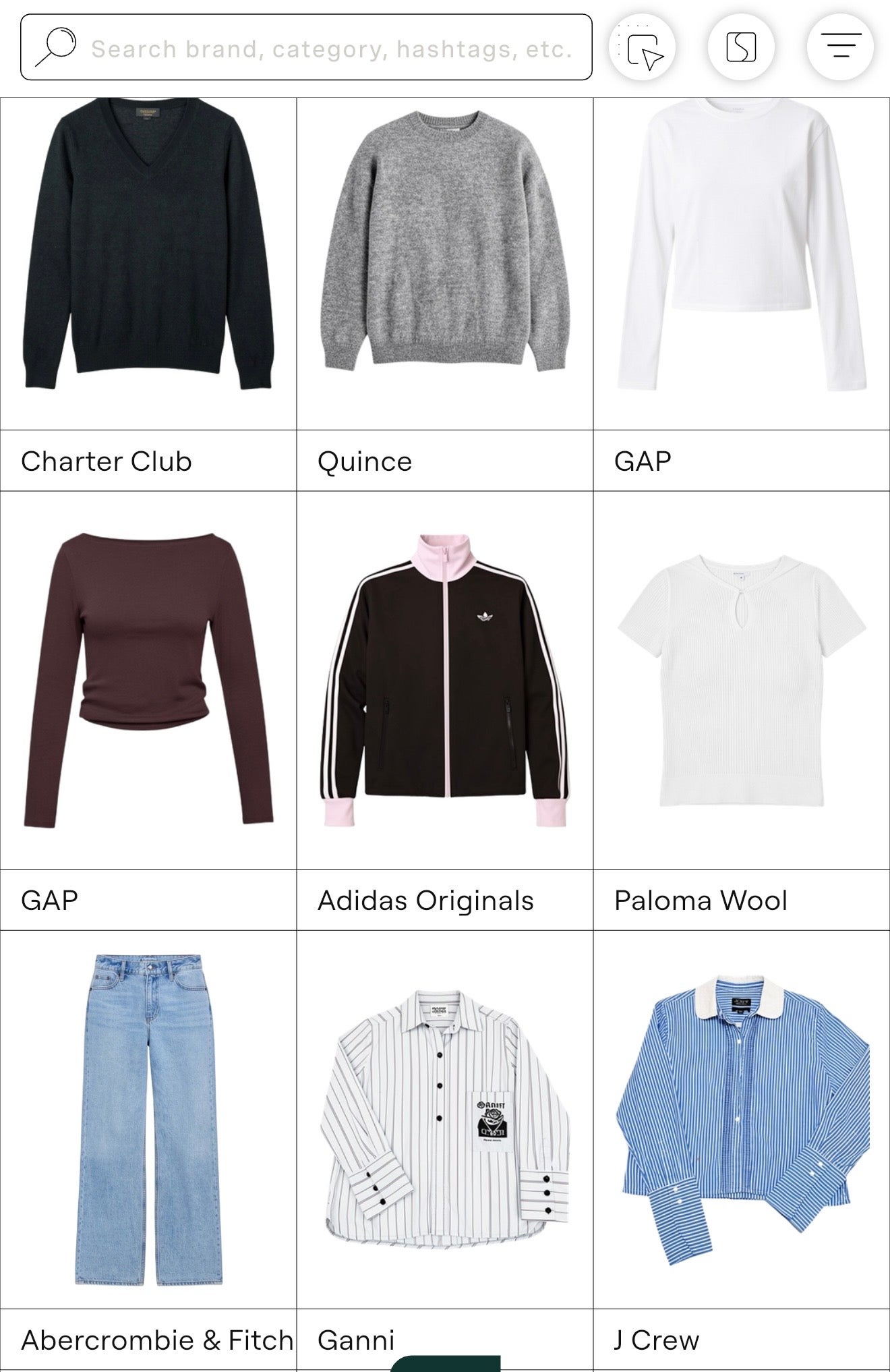
When it comes to shopping, I am now much more intentional. When I go to purchase something new, I take a picture of the item and upload it to my digital wardrobe to see how many outfits I can pair it with. If the item can feature in five or more outfits from things I already own, then I will buy it if I am still thinking about it one month later.
This so-called “underconsumption core” has completely infiltrated my algorithm. In this corner of the internet, influencers teach you to buy less while still subtly recommending products, like a wardrobe digitization app (I am aware of the irony). Some of these videos are hit-or-miss, but I recently took away a good piece of advice that I think about often: when you buy something and bring it into your space, it is your responsibility to look after it and maintain its quality. That means getting an alteration if the fit isn’t quite right, or getting it mended if there’s wear and tear rather than throwing it away. Taking this one step further, I’m making sure to buy only 100 percent wool or cotton items, rather than anything made from polyester, which will eventually lose its shape or quality. I’m learning to be more purposeful.
Having a mini closet in my pocket also means that I can organize my clothes on-the-go. When I’m on my morning commute, I’ll create new outfits for fun or just take stock of what I’ve already got. It may sound silly, but sometimes I open the app to gaze at the clothes I already own, just to appreciate them. It’s a simple change with a big impact. And if I feel like a Clueless character in the process, then I’m totally sold.


