
Want to bookmark your favourite articles and stories to read or reference later? Start your Independent Membership today.
Already a member?
Log in
You’ve picked the perfect itinerary. The custom “Family Cruise 2026” t-shirts are packed. The shore excursions are booked, special dining reservations made, and drink packages purchased. After spending years saving, months planning, and weeks anticipating your international cruise, you finally get onboard — only for your itinerary to be changed at the last minute. Now what?
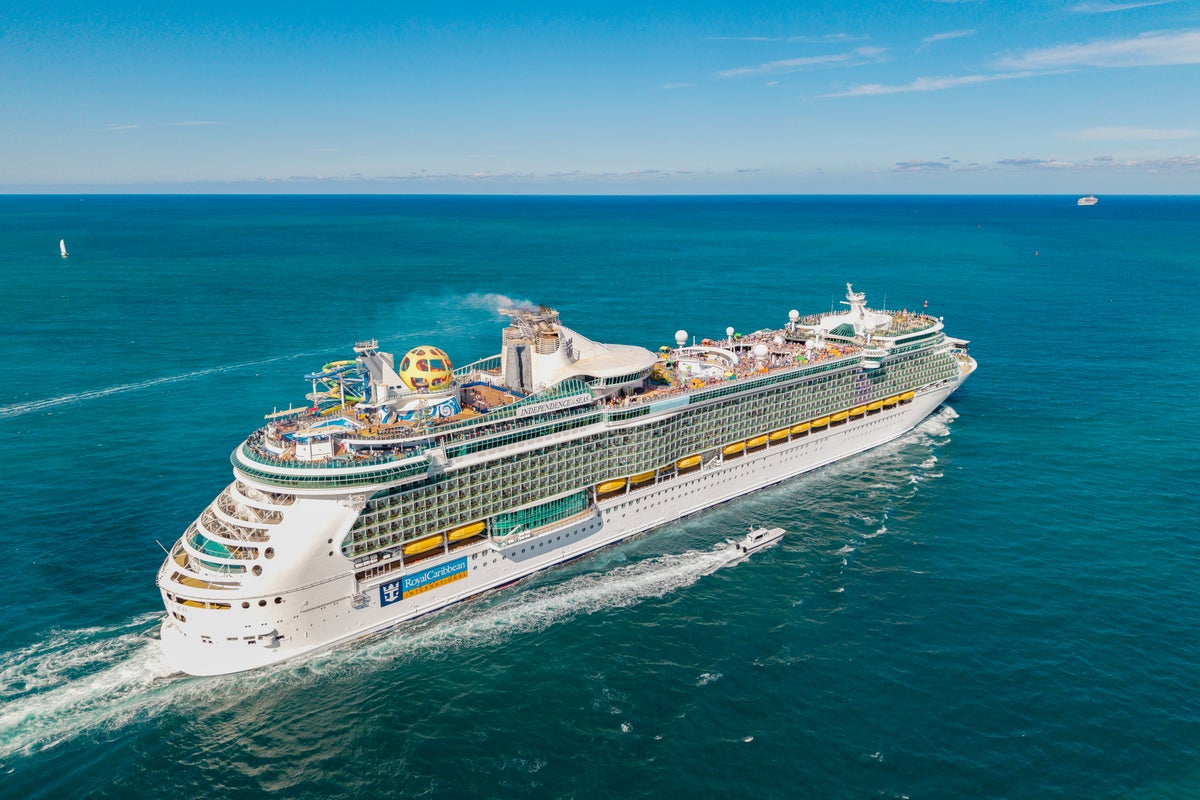
Cruise ship itinerary changes, while uncommon, can occur for a variety of reasons, usually due to weather conditions (especially during hurricane season) and medical emergencies. Just this week, a Royal Caribbean ship was diverted from its planned route around the Caribbean because of a storm developing on the East Coast. Instead of visiting beautiful, sunny islands, the ship was rerouted north to Canada. Passengers, who were notified shortly before the Oasis of the Seas departed from New Jersey on October 18, began sharing their complaints on social media.
To offset the disappointment accompanying the itinerary change, Royal Caribbean offered passengers a refundable onboard credit and a 50 percent future cruise credit, according to the Royal Caribbean Blog. Refunds for shore excursions purchased through the cruise line were also given.
Decisions on itinerary reroutes are not made lightly. One cruise line source with direct knowledge of how these changes are made tells The Independent that weather is “actively monitored well in advance of each sailing and continuously throughout the voyage.” They add that teams both onboard and shoreside “track weather systems using multiple forecasting sources.” So while it may have seemed like a last-minute change for those sailing on that Royal Caribbean ship, chances are there was an entire team dedicated to monitoring the storm and considering all alternatives until the last possible second. Cruise lines want as little disruption as possible to planned itineraries; as a former cruise ship employee who has been on the receiving end of angry passengers over a canceled port day, I can attest to that.

Still, it’s disappointing when you’ve planned for one trip and are suddenly going in the opposite direction — and without the right wardrobe. A complete reroute like the Royal Caribbean one that upends the entirety of the itinerary is very rare. More often (though still uncommon) are single port cancelations.
This happened to me when I was on a Disney Cruise Line vacation earlier this year, when wind conditions prevented the ship from being able to dock at the private island, Castaway Cay. We instead spent the day at sea, and the ship docked in Nassau, Bahamas the next day — a port that wasn’t on our original itinerary. Though not always ideal (especially when paying premium prices), it’s an example of how cruise lines try their best to accommodate passengers in the unlikely event of a reroute.
“Ships are designed to be flexible,” the cruise line expert tells The Independent, adding that crew members “are trained to pivot quickly when plans change.” Behind the scenes, they say, all onboard teams — ranging from entertainment to operations to food and beverage — work together to provide additional programming and resources for passengers.
But what, if anything, are passengers entitled to compensation-wise in the event of an itinerary change? As it turns out, not much.
Passengers sign what is known as a cruise contract before sailing, which outlines that an itinerary can be altered for a variety of reasons.

Mike Vitria, founder of Expeditioner Travel, tells The Independent: “In the booking terms I receive and read for my clients, every cruise line keeps the right to skip or swap ports for weather or safety, and they generally say they owe passengers nothing when that happens. The captain has the final say.”
Chip Wilson, owner of the Texas-based travel agent MCW Travel, says that customers should be reimbursed for port taxes and fees for missed stops and that tours booked independently of the cruise line are subject to that company’s cancelation policy.
“Some lines will add onboard credit or a future cruise credit as a goodwill gesture,” Wilson says, “but it varies a lot by brand.”
To try to recoup costs when a port is missed or an itinerary rerouted, Vitria and Wilson both encourage passengers to purchase travel insurance ahead of time. Just as cruise lines won’t always reimburse you for itinerary changes, travel insurance may not either, depending on the circumstances. But it’s better to have it than not. Passengers can take additional steps as well, Vitria says, like asking “politely but in writing for goodwill credit. Some lines will give it even when they don’t have to.”
Protecting yourself and your investment is the wisest decision you can make. But at the end of the day, you’ve already paid for your vacation.
The best thing you can do is sit back, kick up your feet, and watch the waves go by — regardless of where you’re headed.


