

Want to bookmark your favourite articles and stories to read or reference later? Start your Independent Membership today.
Already a member?
Log in
If you are feeling stressed about the spiralling costs energy bills in the lead-up to winter, you’re not alone.
More than nine million homes are heading into winter in debt to their energy supplier or with no credit, according to a new poll for price comparison and switching website Uswitch.
The survey also found that 43% of bill payers plan to wear extra layers rather than turn the heating on, and one in 12 (8%) plans to spend less on food to pay for their energy.
Ofgem’s energy price cap rose by 3.6% to £1,723 for a typical household on October 1, and forecasters are currently predicting a further rise of around 22% in January.
However, there are several proactive steps you can take ahead of winter to lower your tariff and here are seven things to do now if you are worried about energy bills…
1. Compare tariffs and consider a fixed rate
There are millions of households in the UK on standard variable tariffs (SVT) right now who could save themselves money by switching to a fixed-rate tariff.
“The SVT is an energy supplier’s default tariff, and is subject to the whims of the market,” explains Gareth Kloet, energy expert at Go.Compare. “So if you’ve just moved house, or come off a fixed rate, you’ll be on an SVT.

“The other choices are a tracker tariff, which is a bit like a variable tariff. It might offer you a saving, for example, £50 off compared to the current price cap. Or you can opt for a fixed-rate tariff, which locks in unit prices and standing charges for a set period, typically 12 to 24 months.”

Invest at least £100 in Stocks or ETFs of your choice. Get fractional shares worth £50!
Terms and conditions apply.
ADVERTISEMENT
Invest at least £100 in Stocks or ETFs of your choice. Get fractional shares worth £50!
Terms and conditions apply.
ADVERTISEMENT
Price comparison sites can also help customers identify better rates by comparing their current tariff against available options.
“Switching to a fixed rate won’t always be the cheapest option as it depends on what you think is going to happen to gas and electricity prices, but the expectation is that it’ll be rising for at least the next quarter, so fixing for 12 months may be sensible,” advise Kloet.
2. Take a meter reading and switch to direct debit
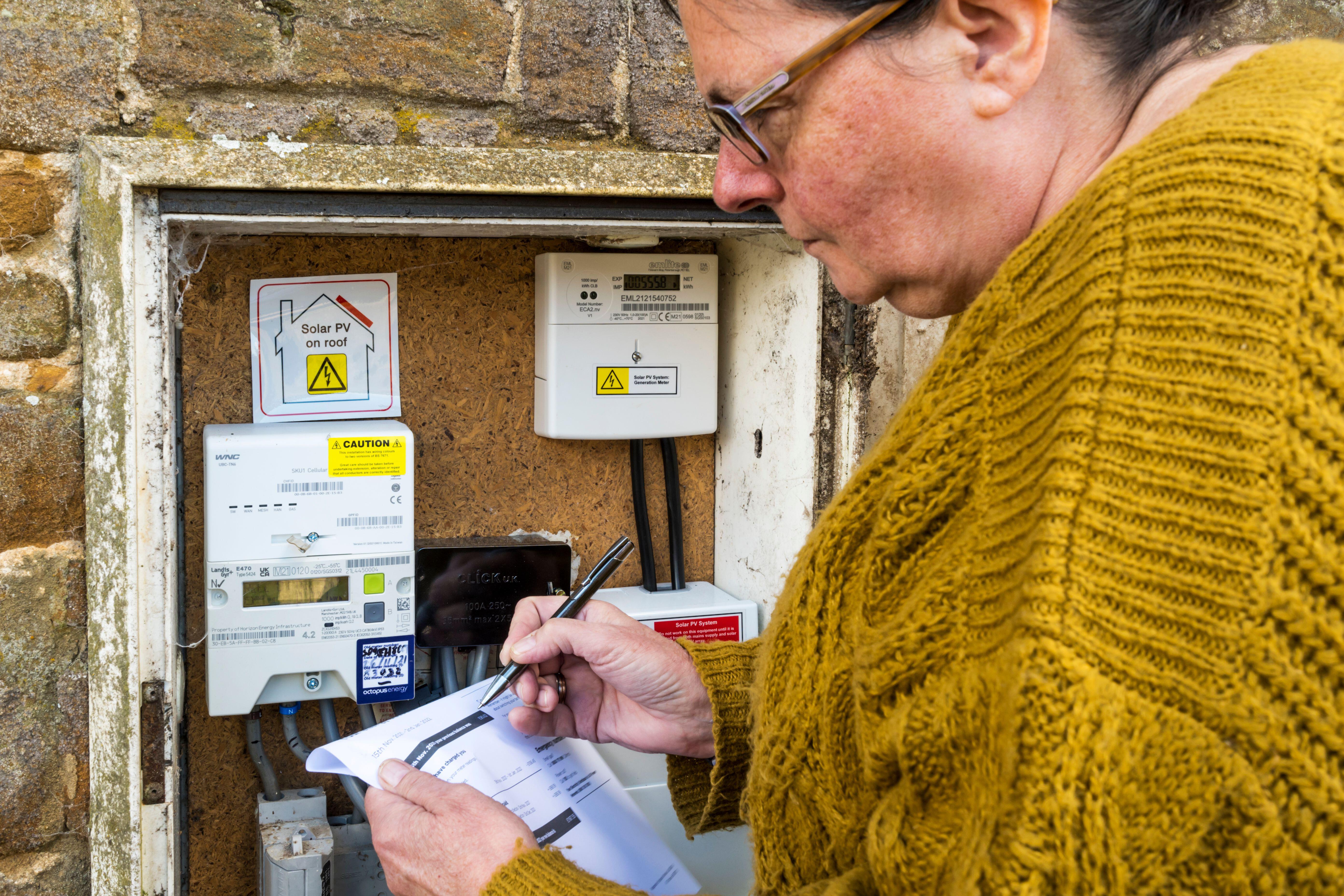
Whether you’re on a smart meter or not, taking regular meter readings will make sure you’re not paying estimated bills and you’ll avoid inaccurate billing when price caps change.
“Submitting a gas meter reading will also stop your supplier from over or under-billing you,” explains Kloet. “You definitely want to submit a meter reading before the next price cap, particularly if you’re not on a fixed-rate tariff.”
He adds that regularly sending readings can help with budgeting.
“You might increase your direct debit to pay off future rising bills, or you might be in credit, and want to reduce it,” says Kloet.
In addition, paying your energy bill by direct debit could save you a significant amount of cash a year.
“If you are paying on receipt of a paper bill you will be paying a premium and you should just switch to direct debit to save cash,” advises Kloet.
3. Use smart technology to manage energy use
Smart meters help you save money by providing real-time data and removing guesswork from your energy bills.
“You can check if you have a smart meter by looking for a digital display, otherwise it will have dials,” says Kloet.
“If you do have a smart meter, many energy firms have an app to help you track usage where you can log in, and it will show how much you’re using in a simple graph format.
“A smart energy monitor can also help you track real-time consumption and identify specific appliances that are wasting energy.”
The vast majority of energy customers are on flat-rate tariffs, which means they pay the same unit price regardless of time of day. However, some households can still access the two-rate meter, known as Economy 7.
“Check your energy bill and if it has two meter readings on it, that means you can use the cheaper off-peak rate,” advises Kloet.
4. Optimise boiler and thermostat settings
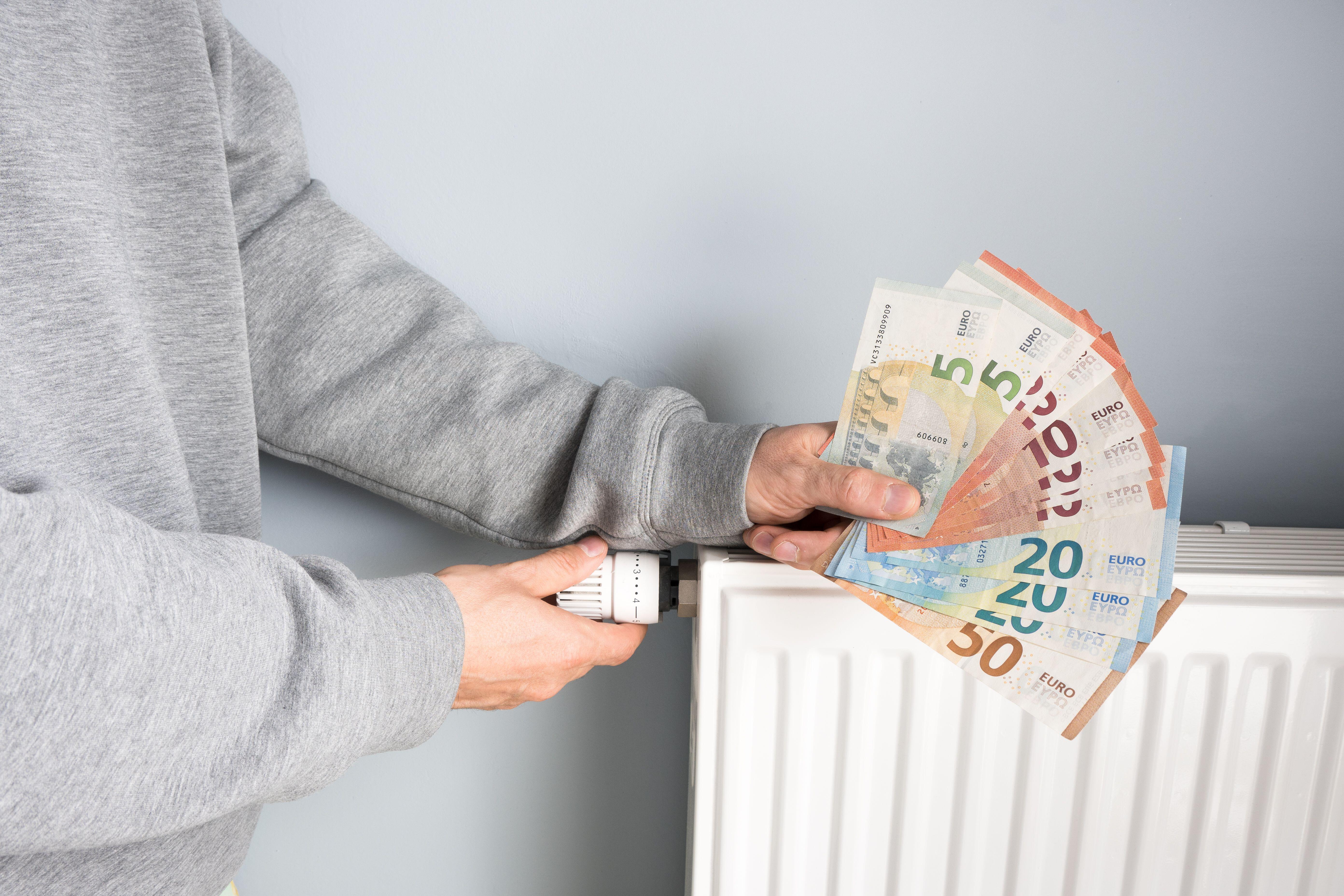
Central heating is the most significant household energy expense in most households.
“Keeping your thermostat between the recommended range of 18-21C, turning off heating in unused rooms, setting working radiators between 2-3 on the dials, and adjusting boiler flow temperatures on the boiler can all significantly reduce costs,” says Kloet.
After heating, cooking is the next most expensive.
“Using air fryers or microwaves instead of ovens, switching to LED bulbs, not forgetting your Christmas lights, and avoiding standby power can save money,” highlights Kloet. “Even boiling just the amount of water needed in a kettle can save cash.”
He also recommends closing the curtains as soon as it’s dark.
“If you’ve got a radiator under your window, and most people do, and you have Venetian blinds, point the blinds upwards so the heat that’s rising is reflected into the room,” recommends Kloet. “Also reflectors behind radiators direct heat back into the room instead of being absorbed into the wall.”
5. Check if you’re eligible for financial support
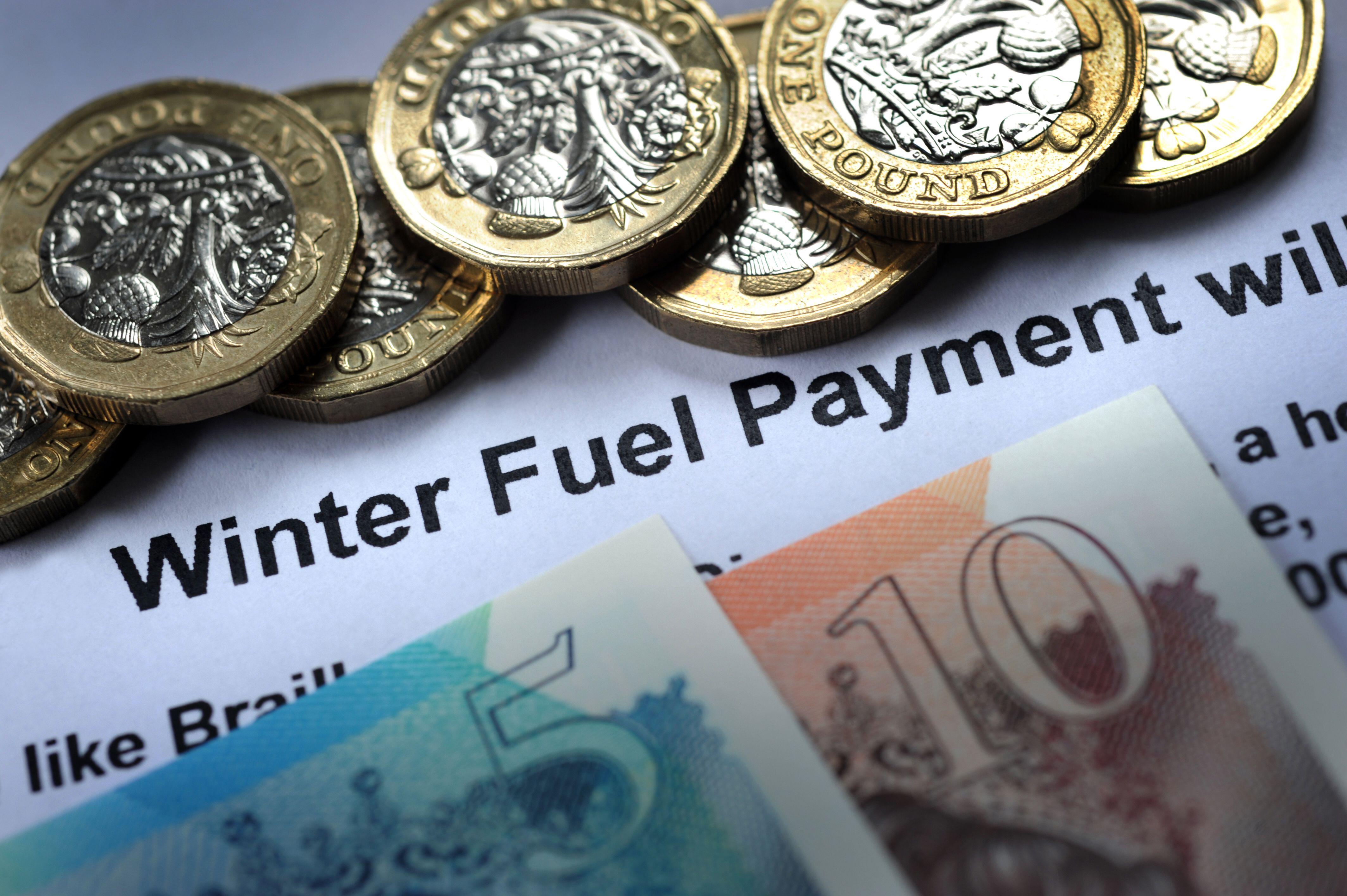
The Winter Fuel Payment is worth between £100 and £300, and most eligible people receive it automatically. Cold Weather Payments provide £25 for each qualifying seven-day period of freezing weather.
The Warm Home Discount gives a £150 discount on the electricity bill. Again payments are automatic if you meet the benefit and household criteria.
In England, customers can access the Crisis and Resilience Fund for emergency cash and fuel vouchers. In Wales, emergency grants are available from the Welsh Government Discretionary Assistance Fund, and the Scottish Welfare Fund in Scotland.
You can check what benefits you’re entitled to on MoneyHelper or on Turn2us benefits calculator.
6. Contact your energy supplier for help

Many people worry about getting into debt with their energy bill, but it’s important nobody puts themselves at risk by turning their heating off, or ignores mounting bills.
“If you’re worried about your energy bill, I can’t over-stress how important it is to speak to your energy supplier. They will do their absolute utmost to help you get back up to date – they don’t just cut people off,” says Kloet.
“Normally they give you a repayment plan that would allow you to recover the debt over the period in which it accrued. And some energy suppliers also have crisis and hardship funds.”
7. Register for extra support if you’re vulnerable
The free nationwide priority services register provides extra support for vulnerable individuals who are of state pension age, with a disability or chronic illness, mental health condition, pregnant or has children under five.
“If there’s any vulnerability in your property, sign up to the priority services register with the utility supplier,” advises Kloet. “While it doesn’t directly lower bills, it means that if anything happens to their supply or help is needed with meter readings, they will be prioritised over somebody who is fit and able.”


