

As we enter the summer season, it’s the perfect time to give your heart a little extra care and attention.
Prioritising your heart health doesn’t require a huge lifestyle overhaul, as small consistent changes often make the biggest difference.
The longer days, blue skies and abundance of fresh seasonal produce that this warmer time of year provides makes it easier than ever to embrace healthy habits that support your cardiovascular health and overall wellbeing.
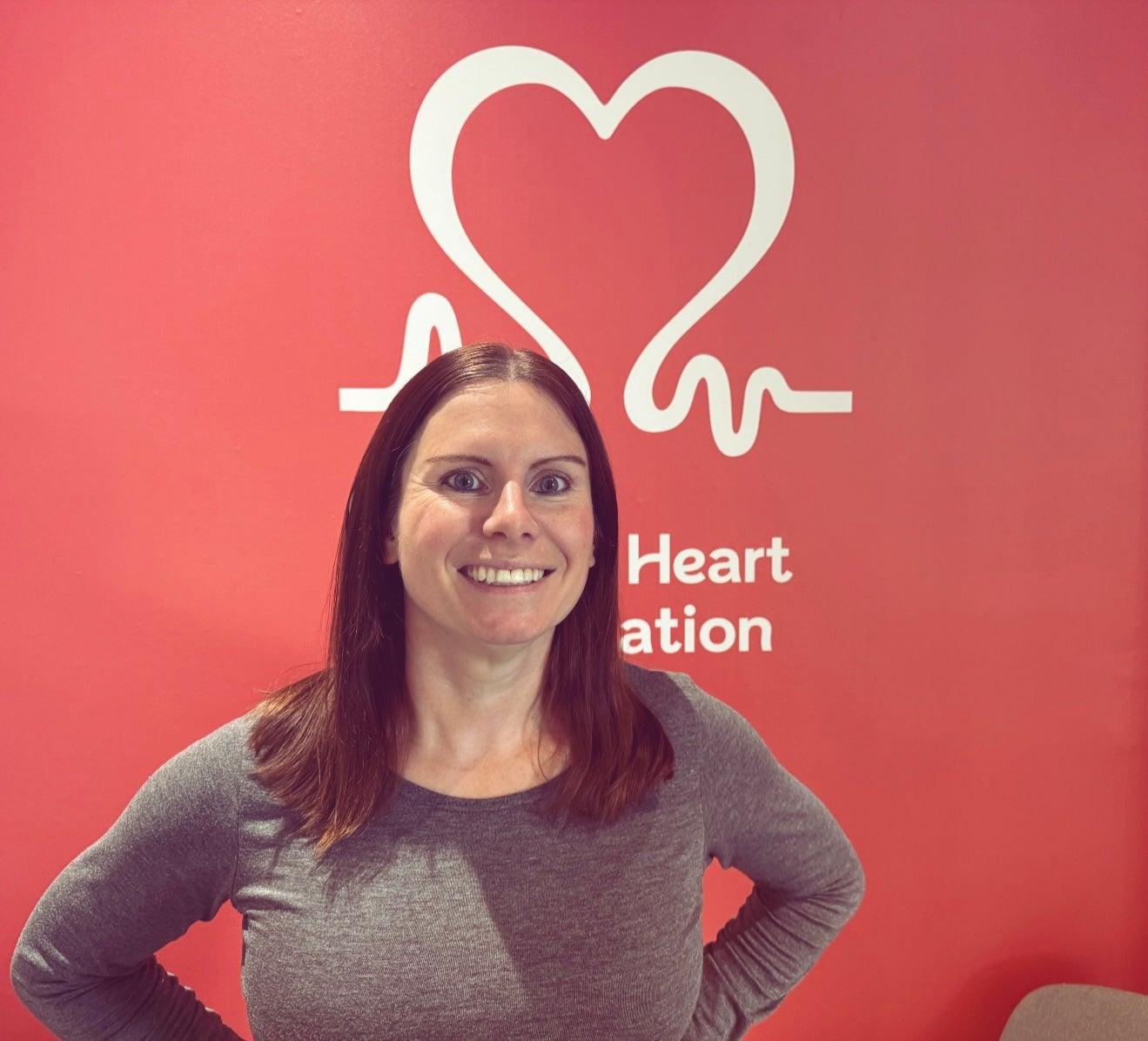
We spoke to Emily McGrath, senior cardiac nurse at British Heart Foundation (BHF), who shared six easy ways to boost your heart health this summer.
1. Find an activity that you enjoy
Summer is a great time to get active.
“Exercise is really important because it helps lower cholesterol and blood pressure levels which are risk factors of cardiovascular disease,” explains McGrath.
“Additionally, your heart is a muscle, so you want it to be working and being active helps increases your heart rate and helps make your heart stronger.
“Exercise also helps people control their weight which is good as excess weight is another risk factor.”

The NHS physical activity guidelines recommend aiming for 150 minutes of moderate-intensity exercise a week, but the cardiac nurse stresses the importance of picking an activity that you enjoy.
“Our recent survey found that focusing on having fun and enjoying yourself could be the motivation so many of us need to fall in love with exercise and movement,” says McGrath. “With the gloom of winter finally over, now is the perfect time to seek some joy and make movement something you love and look forward to.
“You could go for a bike ride or a enjoy a walk with friends.”
2. Make healthy food swaps
Eating a balanced diet is one of the most effective ways to protect and boost your heart health.
“It’s important to make sure that you don’t have too much sugar, salt or fat, because these things contribute to high cholesterol levels, high blood pressure, weight gain and diabetes, which all contribute to cardiovascular risk,” explains the cardiac nurse.
“Eating a balanced diet instead helps you get all the nutrients, vitamins, minerals and positive stuff that your body needs to function properly, which includes your heart as well.”
Making small adjustments can go a long way.
“Think about the little changes that you could make on a day-to-day basis,” recommends McGrath. “For example, it could be swapping out sandwiches for a salad that contains healthy things like nuts, chickpeas and lentils, or instead of eating ice cream you could have an ice lolly that is made from fruit juice.”
There’s some great summer heart-healthy recipe ideas on the BHF website if you are looking for more inspiration.
3. Stay hydrated

“Make sure that you are drinking enough water because it’s so easy to forget to do that,” says McGrath. “When temperatures go up, it’s really important to drink more water, especially when you exercise because you’re sweating more and losing more water.”
Heat and dehydration can also affect your blood pressure.
“In the heat your blood vessels dilate which lowers your blood pressure, and dehydration can also lead to a drop in blood pressure,” highlights the cardiac nurse.
“This can cause people to feel very faint and dizzy, and can hit people quite suddenly. Therefore, it’s really important for your body to have lots of water on board.”
You can stay hydrated through a mix of drinks and water-rich foods.
“Water is great, but even squash and milk are good too,” says McGrath.
4. Check your blood pressure
“We always encourage people to check their blood pressure because we know that so many people are living with undiagnosed high blood pressure. It often displays with no symptoms but puts more strain on the heart and increases the risk of cardiovascular disease, heart attacks and stroke,” says McGrath.
You can check your blood pressure at home with an approved monitor, or at your local pharmacy or GP.
According to the NHS website, you’re usually considered to have high blood pressure if your reading is 140/90 or higher when checked by a healthcare professional or 135/85 or higher when checked at home.
“I would always encourage people to know what their levels are, so that if they are high you can have a conversation with your doctor about what changes you can make to lower it,” recommends the cardiac nurse.
5. Keep cool

“It’s really important for people who have existing cardiovascular disease, as well as the elderly and children, to stay cool because they are less able to moderate their blood pressure are slightly more vulnerable to the the risk of heat stroke,” says McGrath.
There are several things you can do to keep cool in the summer months.
“Make sure you’re wearing loose fitting clothing and try to avoid the peak hours of sun in the middle of the day,” recommends McGrath. “Also, make sure your home stays cool by keeping the curtains shut.”
6. Take part in a BHF fundraising event
“We have a whole range of different fundraising events on our website,” says McGrath. “There’s big walks, treks, bike rides and even pier-to-pier swimming challenges.
“It’s a really good thing for people to do because taking part helps raise funds for life-saving research, but is also a great way to have fun and enjoy exercise.”
Find out more about British Heart Foundation’s fundraising challenges and sign up here.

