
Want to bookmark your favourite articles and stories to read or reference later? Start your Independent Membership today.
Already a member?
Log in
There is much fiction in folklore, yet so many of our historic remedies to alleviate ailments have come from plants, from the tiniest snowdrop to the largest horse chestnut tree.
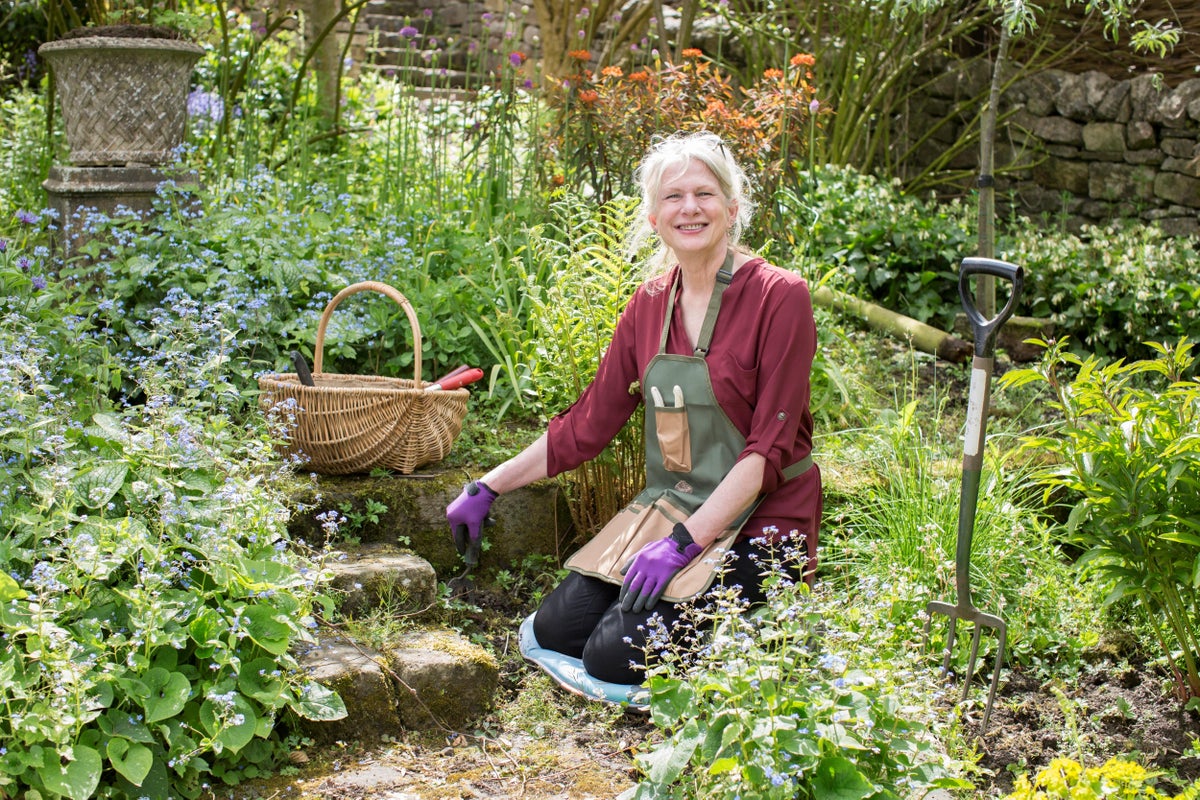
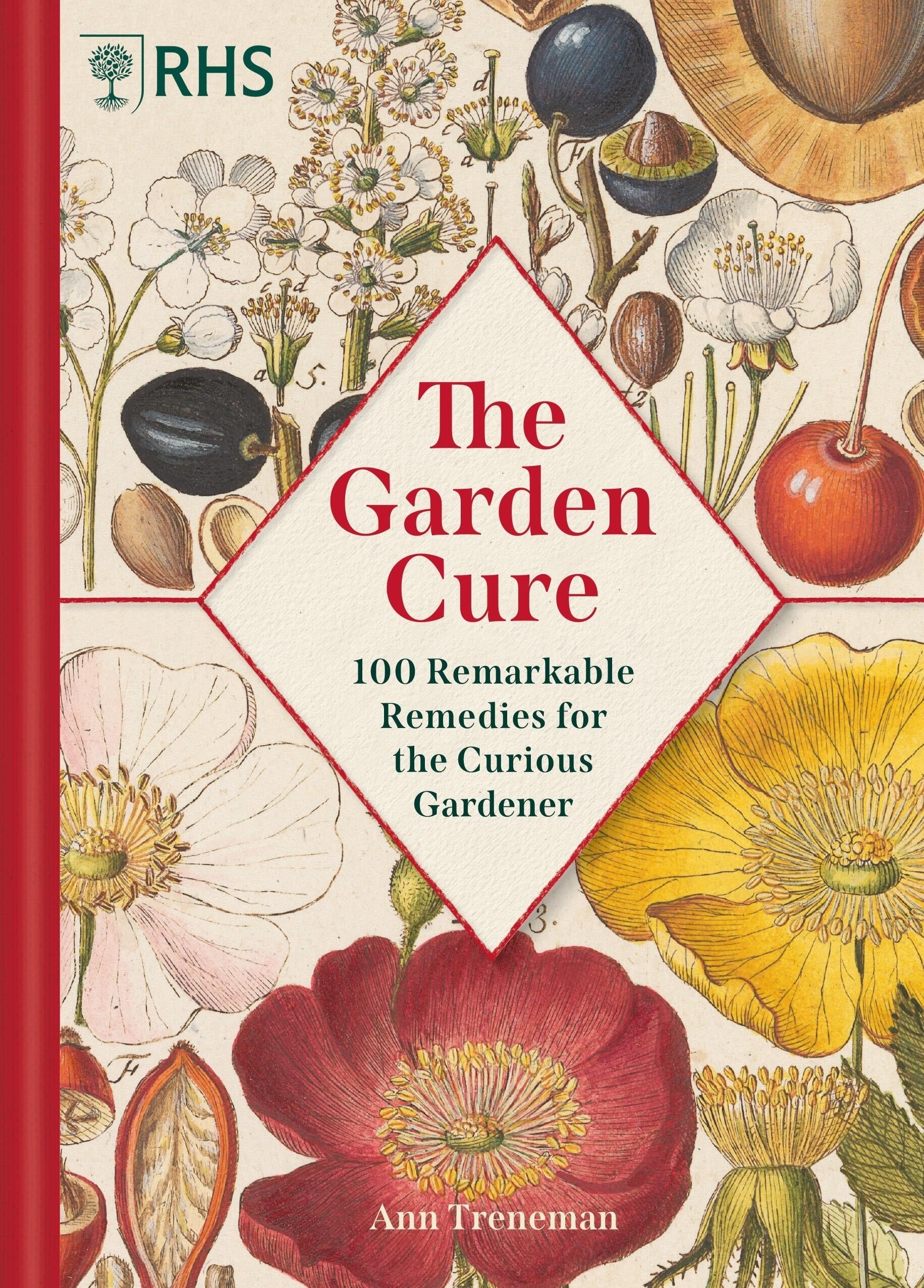
Now, author, journalist and garden designer Ann Treneman has written The Garden Cure, an apothecary’s cabinet of a book, featuring everything from sweet peas and foxgloves to valerian and all the healing properties associated with them.
“Some plants provide actual cures, like the foxglove, which regulates the heart. Digitalis has saved millions of lives over the years, while the yew tree has proved phenomenally successful at combating cancers, particularly breast cancer, but also other cancers,” she explains.
What began as folkloric cures have been frequently investigated, some with more conclusive evidence of their efficacy than others, she agrees.
“The autumn crocus, for instance, has been used for centuries for gout. Some of the folkloric cures have turned out to be actual cures. Arnica is widely used to help with bruising, but (its efficacy) has not been (scientifically) proven.”
“It’s important to say that before you go self-medicating with things, anything more difficult than mint leaves, it’s helpful to talk to a herbalist or someone who is an expert on these things because you really don’t want to go wrong,” she warns.
She offers five historic solutions to modern-day maladies, as featured in her book.
1. For sleep
There are many plants which folklore has claimed alleviate sleep problems, including lavender, St John’s wort, chamomile and red Korean ginseng.
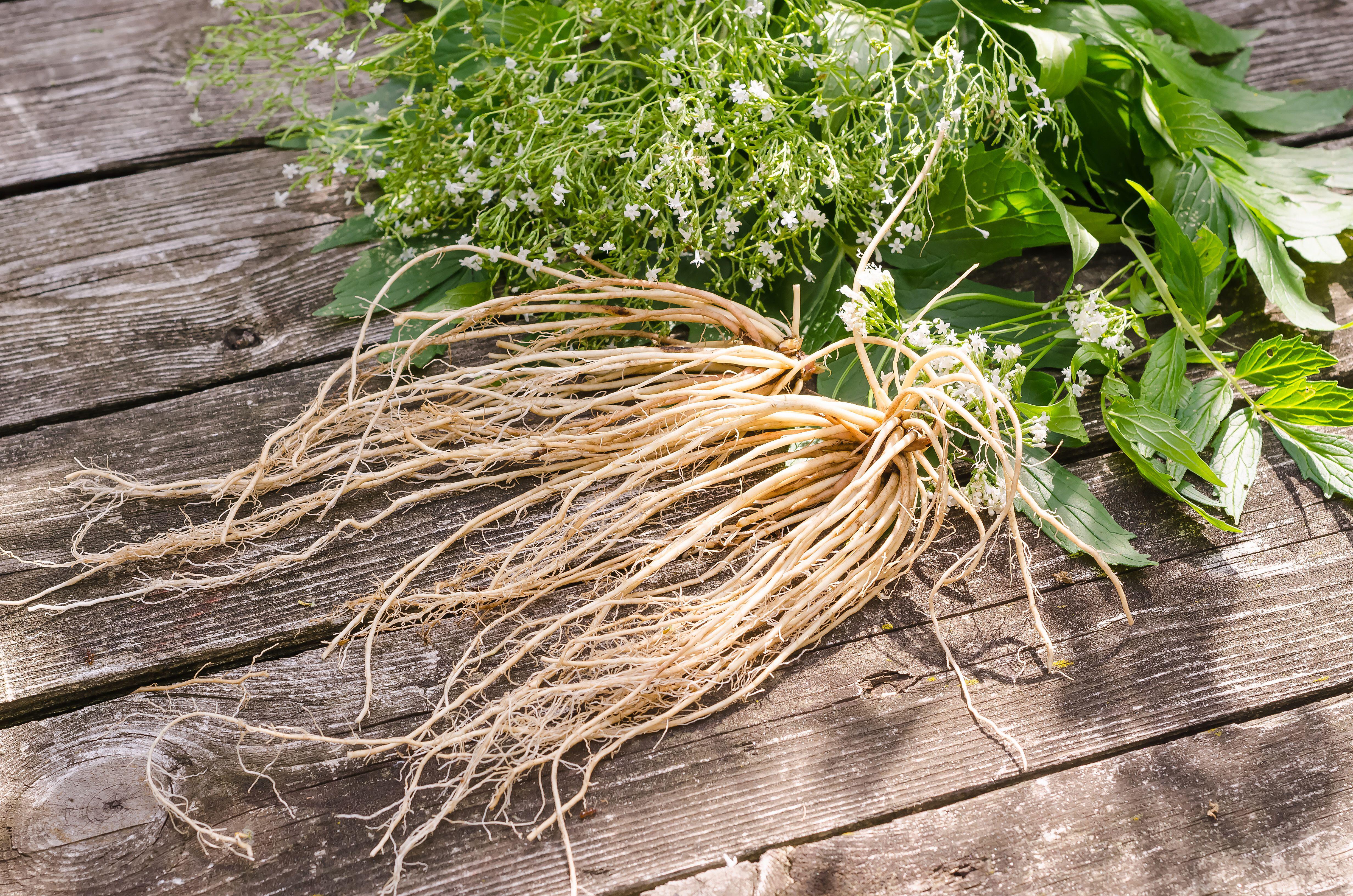
Valerian, with its tall stems and white flowerheads, which are a magnet for bees, is up there with the best of them.
“Valerian has been believed to have really helped with sleep for a long time. They’ve done quite a few studies on it, but they’ve all involved different settings and different groups of people,” rendering the research inconclusive, she says.
However, the European Medicines Agency recognises that the efficacy of specific preparations of valerian root in aiding sleep is scientifically proven, she adds.
Typically consumed as a tea, capsule, or tablet, but it’s important to take professional advice before using it.
2. The stressbuster
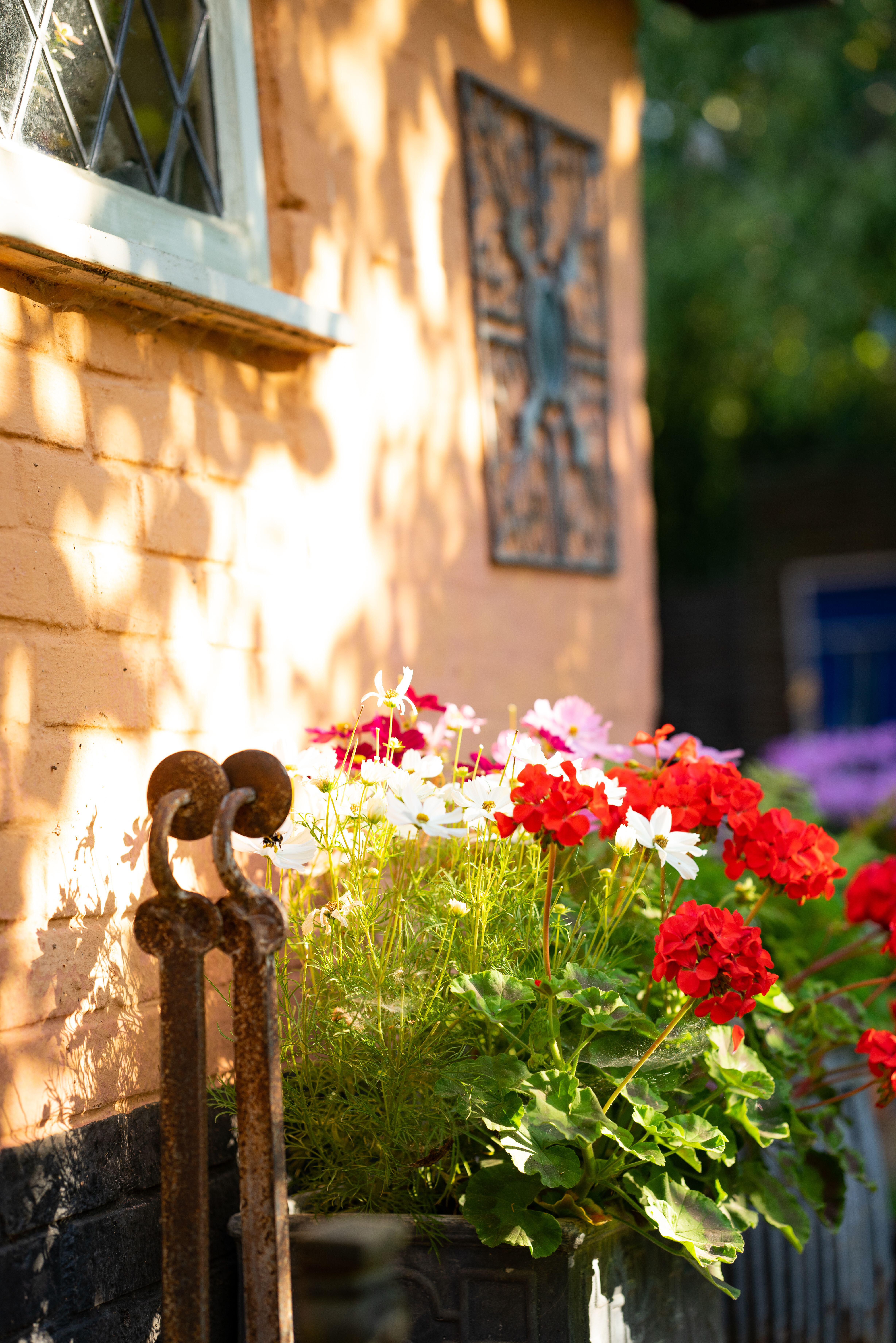
Treneman says that studies have shown that cortisol – the key stress response hormone – levels go down just by putting a plant by your front door and looking after it.
One study by the Royal Horticultural Society and the universities of Sheffield, Westminster and Virginia in the United States measured stress levels in deprived streets of Salford, Greater Manchester, before and after introducing ornamental plants into small bare front yards.
“The study showed that just by having a plant or a group of plants in the front garden, the healthy cortisol patterns increased from 24% to 53% over two years, but also people did anecdotally say that they felt less stressed, happier and more relaxed,” Treneman explains.
3. Tech burnout
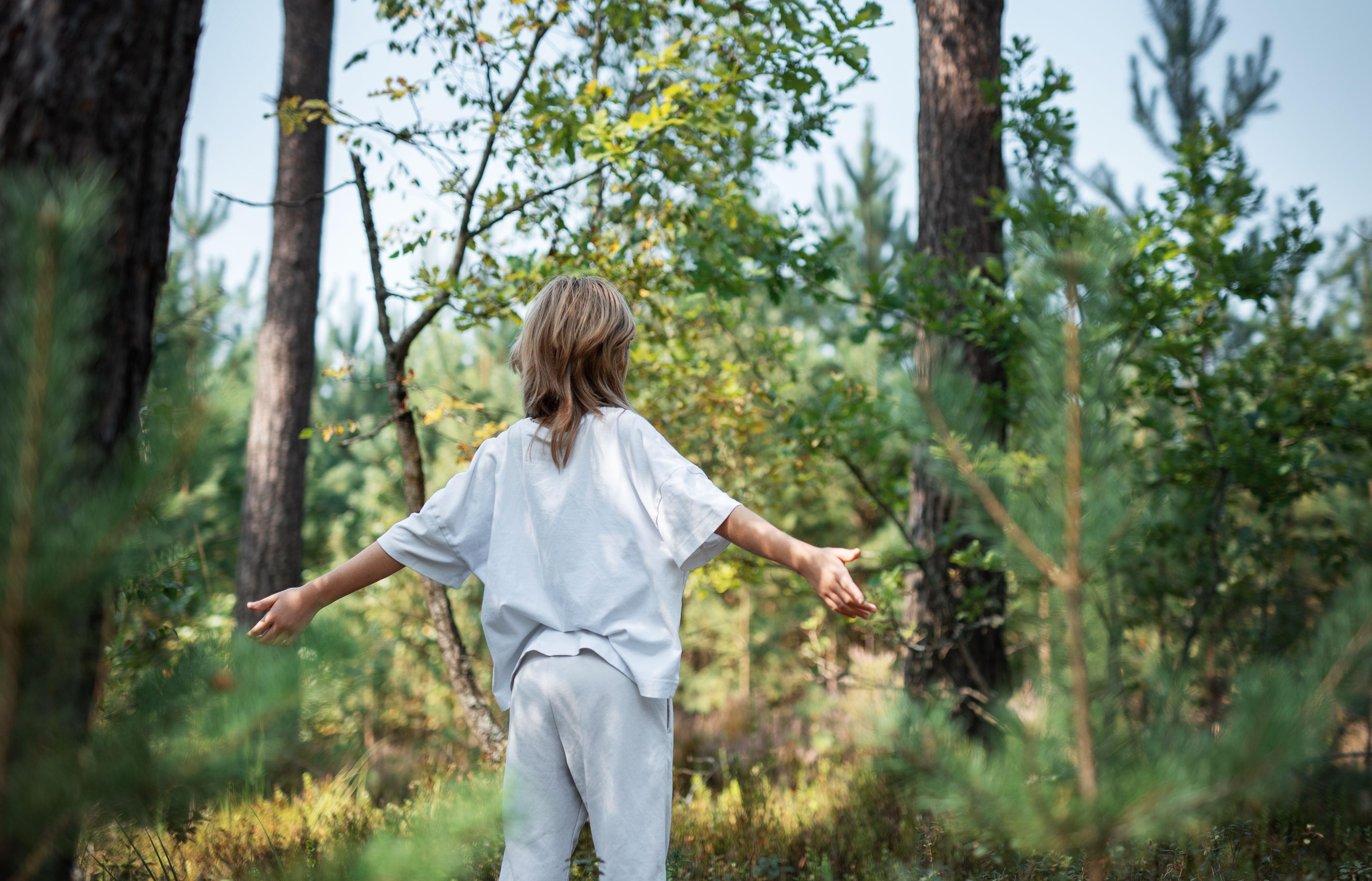
“We see tech burnout as a relatively new thing, but the phrase was coined in the early 1980s and the Japanese have taken it very seriously for a long period of time and they’ve done a lot of work on the effects of what we now call forest bathing, but what we could also just call walking in the woods.
“The basic rule of forest bathing is that you don’t have your phone on you. You have no screens, you aren’t taking pictures, you aren’t calling anyone. No podcasting. You are just walking and looking at things.
“Studies have shown that doing this relatively simple thing has an amazing effect on us. Anxiety goes down, blood pressure and heart rate get more relaxed, the immune system is boosted and sleep patterns are improved.”
4. Hangover cure

“As we know, all alcohol involves a plant, so it is only right that the garden also provides some of the cures. There is no absolute hangover cure, but there are plants that can help you recover,” says Treneman.
“Coconut water contains electrolytes which help you recharge, tomato juice (without the vodka) has vitamins A and C, beta carotene and anti-oxidants. Bananas and ginger are really good. Milk thistle is supposed to boost the liver, as is globe artichoke.”
5. The magical plant
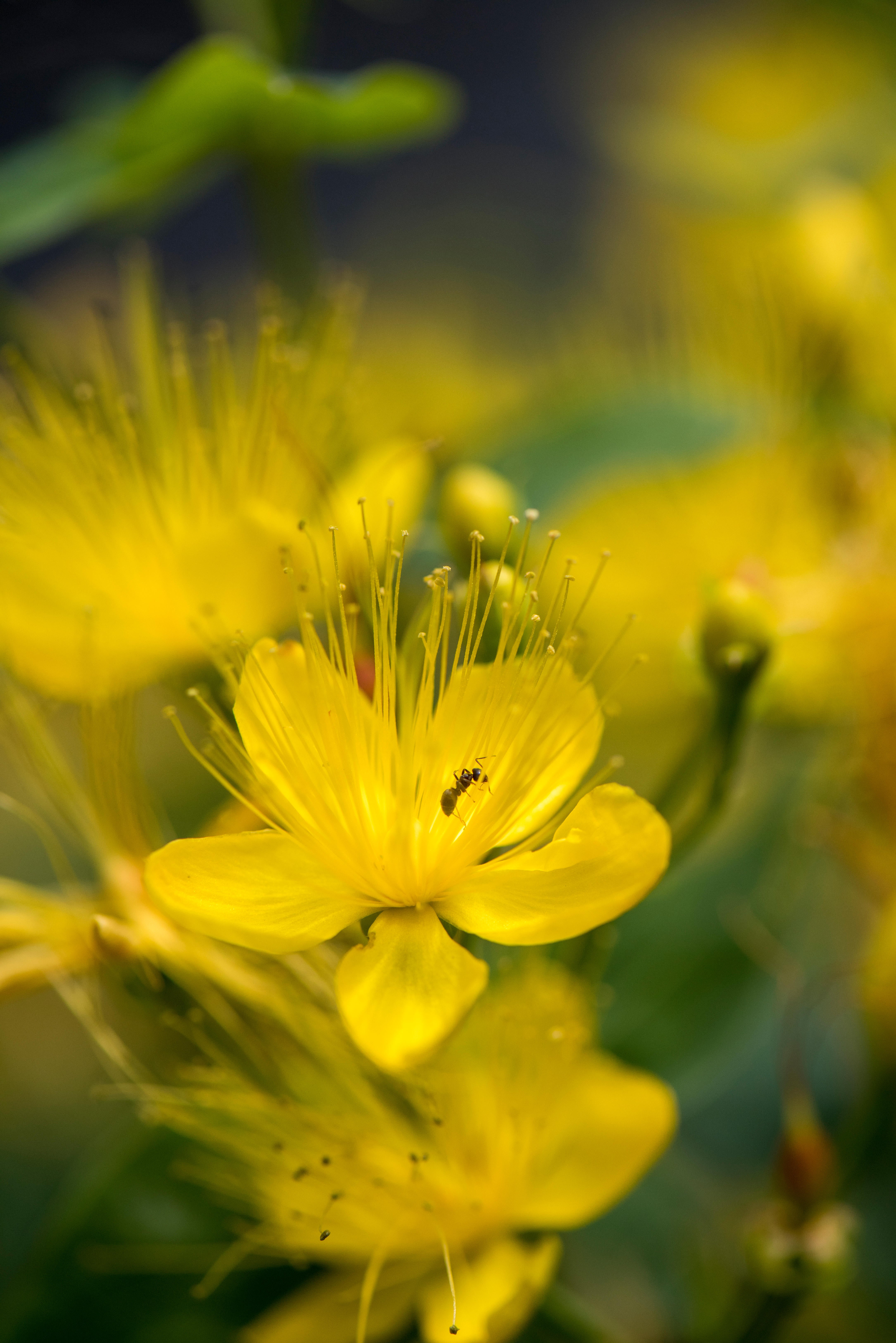
In ancient times, St John’s wort was seen as a magical plant for mild depression, Treneman explains.
In folklore, it was supposed to protect people from thunderstorms, stop children having nightmares and cure sciatica and almost everything else, she points out in the book.
From Greek and Roman times through the Middle Ages, it was regarded as so powerful that its mere presence was believed enough to instantly banish evil spirits
“The old herbalists would have had it as something that would help with melancholia. Now it has been approved in some countries in Europe as a kind of antidote for mild depression.
“But again, we certainly don’t want to go eating the plant, but it is sold as something you can purchase.”
With whatever natural plant aid you are looking at, seek expert help before you consider trying it, she stresses.
“What is also true is that a lot of plants that involve cures are poisonous.”
The Garden Cure by Ann Treneman is published by Mitchell Beazley, priced £20. Available now


