






The first two weeks of 2026 have launched a nostalgic trend across the internet as social media users attempt to turn back the clock with lo-fi-filtered throwbacks captioned, “2026 is the new 2016.”
Social media users scrolling Instagram or TikTok in the past few weeks have been likely to stumble upon posts showing off intensely carved eyebrows with a puppy dog Snapchat filter, or grainy iPhone pictures of people playing Pokémon Go as people lament the decade gone by.
Since the new year began, social media feeds have been overwhelmed with evidence of people scouring through their 10-year-old digital archives to share recap carousels and low-quality videos of the bygone era.
TikTok reported that in the first week of the year, searches for “2016” surged by 452 percent on the platform, according to the BBC. More than 56 million videos have been made using a hazy filter on the app inspired by the year.
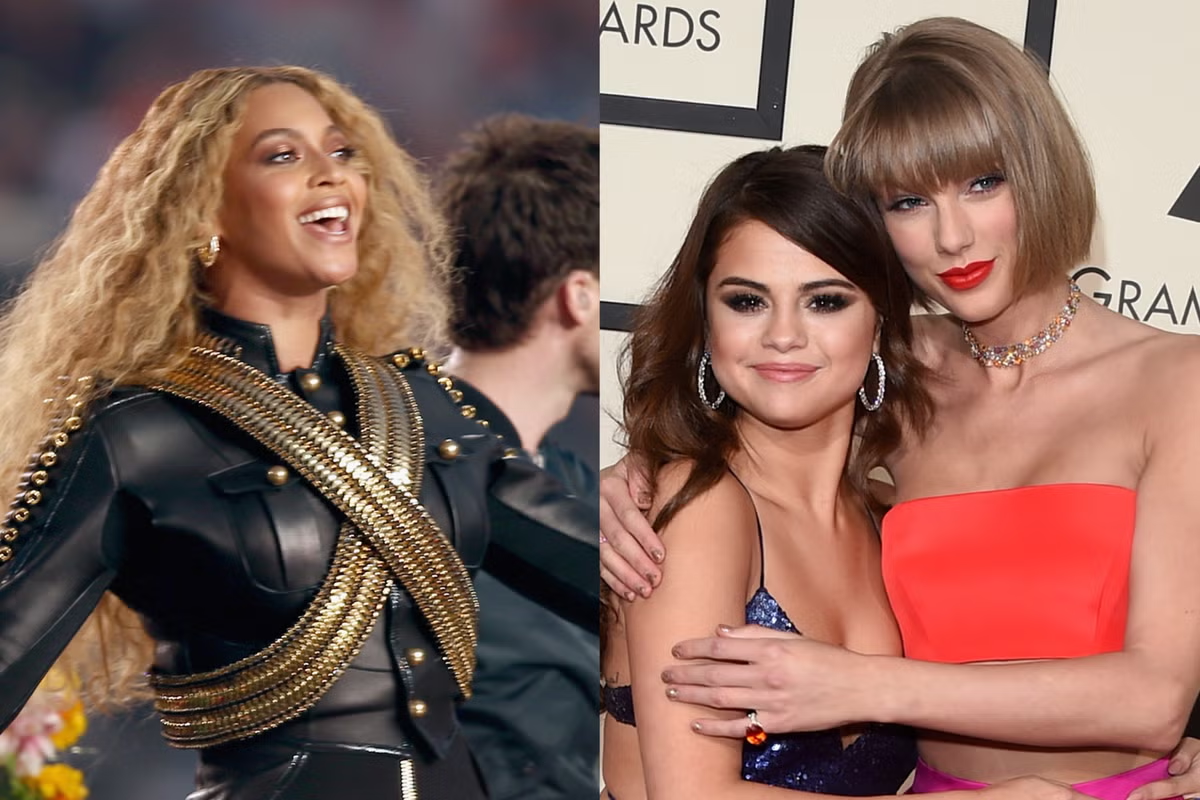
Celebrities and influencers have joined in on the trend as well. Selena Gomez posted throwback pictures of herself on tour at the time, and Charlie Puth posted a video of himself lip-syncing his hit song from that year, “We Don’t Talk Anymore.”
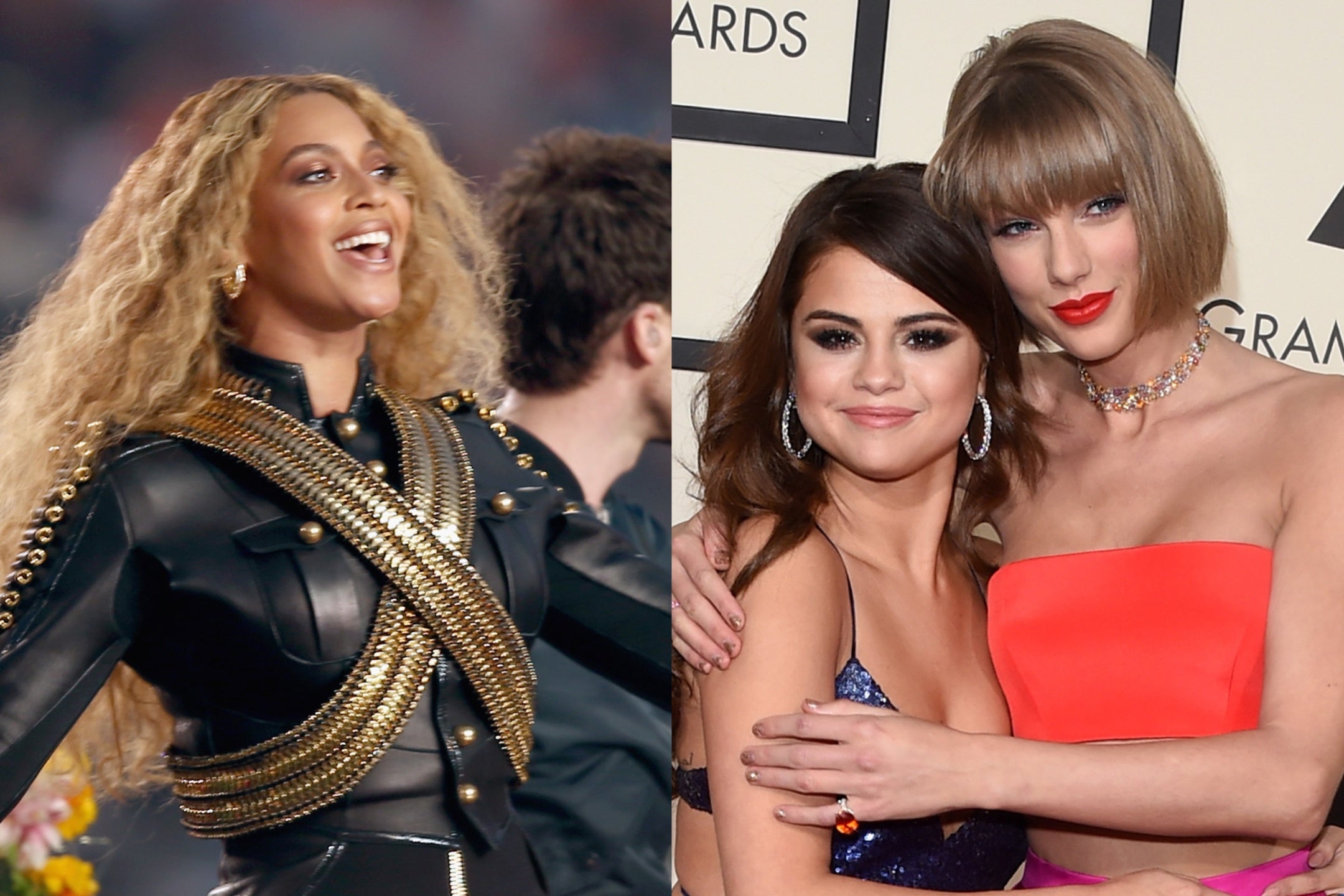
So, why 2016? In addition to marking the 10-year anniversary, the year was momentous for pop culture phenomenons — Beyoncé released Lemonade, Taylor Swift debuted her bleached hair at Coachella and Rae Sremmurd’s “Black Beatles” inspired the viral Mannequin Challenge. The Chainsmokers and Drake were dominating on the radio, and short-form video platform Vine was still wildly popular before the app shut down in January 2017.
But there is more to the “2026 is the new 2016” trend than maximalist aesthetics and cultural touchstones. Internet users seem to be jumping at the opportunity to reminisce on a simpler world than the one that exists now.
In 2016, the coronavirus pandemic was still years away. Two terms of Donald Trump as president were only on the horizon. AI-generated slop had yet to flood social media with misinformation.
“Would love to return to life in 2016,” one X user wrote about the trend. Another chimed in, “Man, what a time to be alive.”
But while the rose-tinted trend might paint 2016 as the calm before the storm,The Independent’s Katie Rosseinsky argued that people participating in the trend are forgetting that the year had struggles just like any other year, including the Pulse Nightclub shooting and the deaths of beloved cultural icons including Prince, David Bowie and Carrie Fisher.
Rosseinsky wrote, “This reinvention of 2016 as some kind of joyous pinnacle, then, proves our relentless capacity for nostalgia, the ability to transform even the bad times into something worthy of reminiscing over from a distance of just a few years.”