
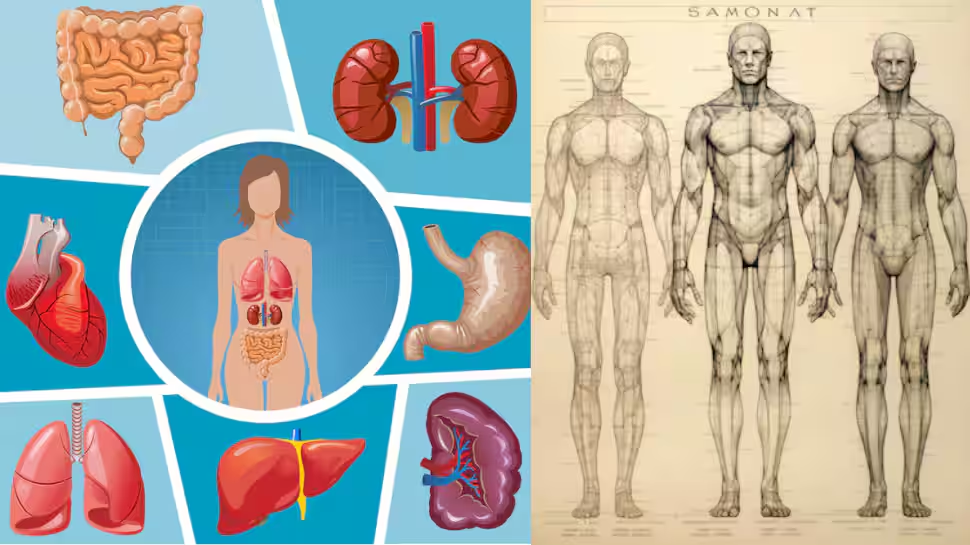
The Blueprint of Symmetry: Humans follow a concept called bilateral symmetry, meaning the body is divided into two nearly identical halves, left and right. This design dates back over 500 million years, when early animals evolved a forward-moving body plan that required balance, coordination, and directional movement.
Instead of being randomly assembled, our bodies were “engineered” by evolution to move efficiently through the environment. Having two sides allowed organisms to:
1. Move in a straight line instead of wobbling
2. Maintain balance while walking or running
3. Process environmental information from multiple directions
4. Survive injuries without total system failure
This mirrored structure became so successful that it’s now the dominant body plan across mammals, birds, reptiles, and even many sea creatures.
Two Eyes: Depth Perception Is a Superpower
Having two eyes isn’t about redundancy, it’s about seeing the world in 3D. Each eye captures a slightly different image. Your brain merges them in a process called binocular vision, allowing you to judge:
1. Distance
2. Speed
3. Depth
4. Spatial relationships
Without two eyes, catching a ball, climbing stairs, or even pouring water accurately would be far harder. Predators (including humans historically) especially benefited from this precise visual mapping.
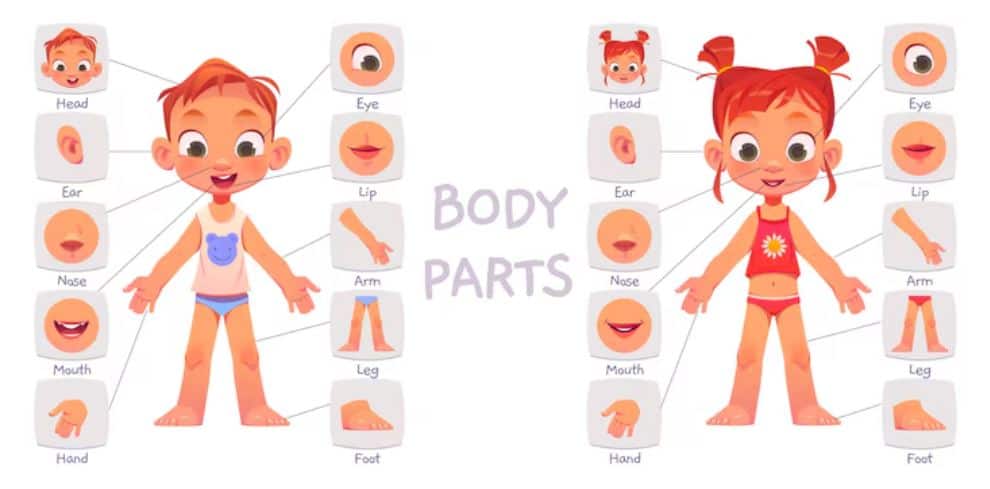
Two Ears: Your Built-In GPS System
Your ears don’t just hear, they calculate location. Sound reaches one ear milliseconds before the other. The brain uses this tiny delay (called interaural time difference) to pinpoint where a sound is coming from. This ability helps you:
1. Detect danger quickly
2. Focus on a single voice in noisy spaces
3. Maintain balance through inner-ear coordination
With one ear, sound becomes flatter and harder to track, like listening in mono instead of surround sound.
Two Hands and Two Legs: Movement, Precision, and Survival
Paired limbs gave early humans extraordinary versatility. Two legs allowed bipedal walking, which:
1. Freed the hands for tools
2. Conserved energy over long distances
3. Improved visibility over terrain
Two hands enabled:
1. Fine motor skills
2. Tool-making
3. Cooperative tasks
4. Division of labor between dominant and non-dominant hands
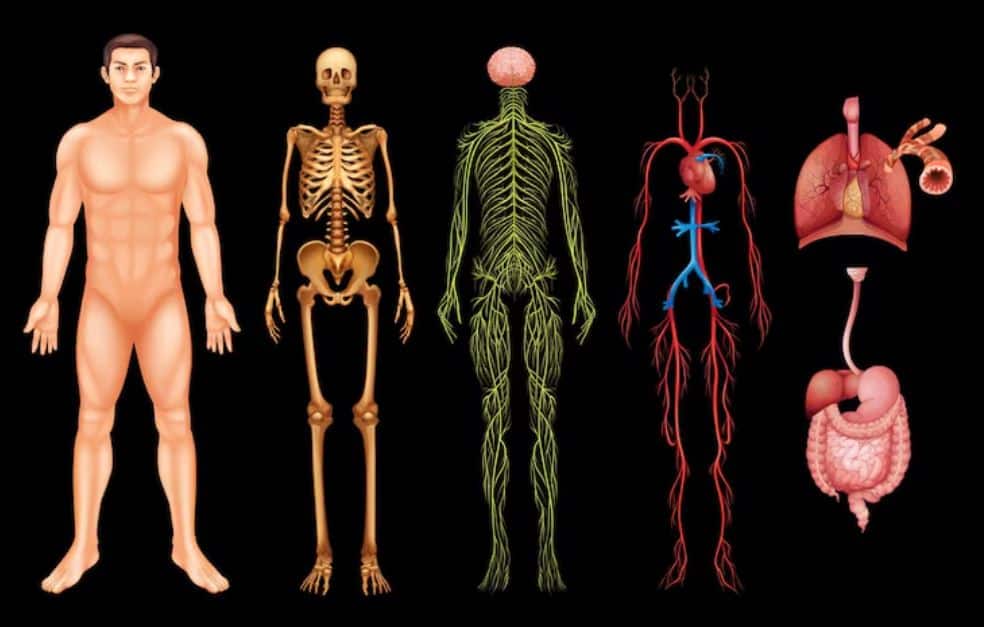
Your brain even dedicates massive neural real estate to controlling both hands independently, a key reason humans became such skilled creators.
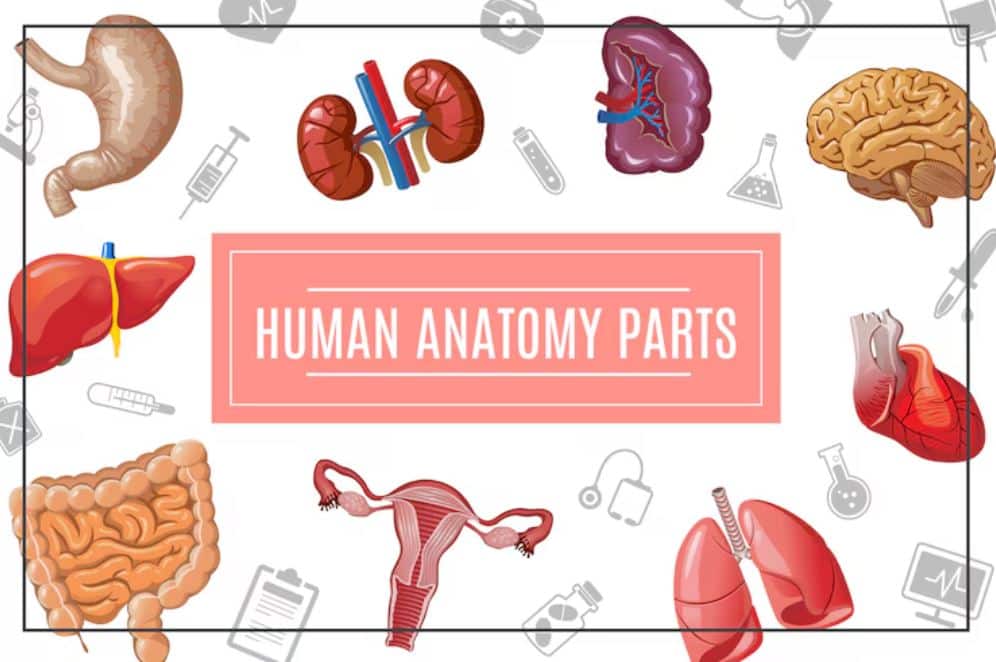
Two Kidneys and Two Lungs: The Body’s Backup System
Some paired organs exist primarily for biological insurance.
Kidneys: Built-In Redundancy
You can survive with just one kidney because evolution prioritized resilience. If one fails due to injury or disease, the other can take over filtration of toxins and fluid balance.
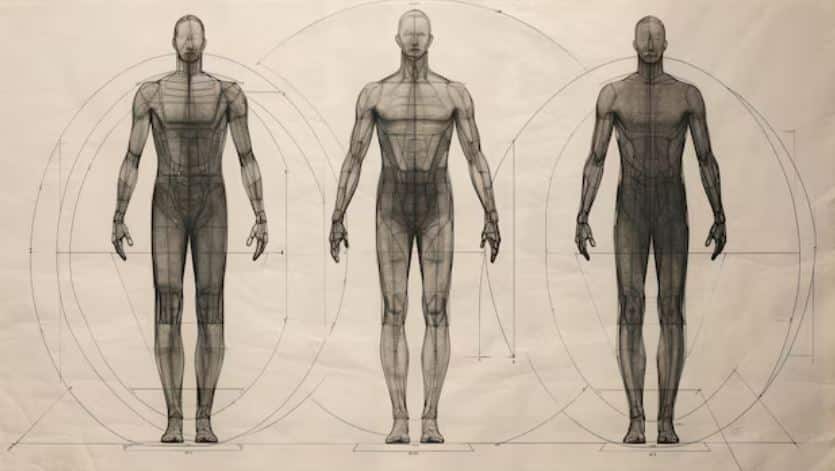
Lungs: Doubling Surface Area for Oxygen
Two lungs maximize gas exchange. Instead of one large sac, splitting into two:
1. Increases efficiency
2. Fits better within the rib cage
3. Allows function even if one side is compromised
This paired system dramatically improved survival in harsh environments long before modern medicine existed.
The Brain Loves Pairs Too
Interestingly, your brain itself is divided into two hemispheres, another example of this mirrored architecture. Each side specializes in different functions but constantly communicates, creating efficiency without losing redundancy. This dual-processing system supports:
1. Multitasking
2. Complex reasoning
3. Motor coordination across the body
Nature didn’t just duplicate structures, it created collaborating halves.
Evolution’s Strategy: Not Just Duplication, But Optimization
Having two of many organs is not wasteful, it’s an elegant combination of:
1. Performance (better sensing and movement)
2. Protection (backup if damaged)
3. Precision (stereo vision, directional hearing)
4. Efficiency (balanced motion and energy use)
In evolutionary terms, symmetry became a winning formula that stuck.
Your Body Is Designed Like a High-Performance Machine
What looks like simple duplication is actually a layered system of survival mechanics, sensory intelligence, and structural balance. Every pair, from your eyes to your kidneys, reflects a deep evolutionary logic focused on keeping you functional, adaptable, and alive. You’re not just built in pairs. You’re built for resilience.
(This article is meant for informational purposes only and must not be considered a substitute for advice provided by qualified medical professionals. This article is intended for your general information only. Zee News does not vouch for its accuracy or reliability.)
