
Major UK supermarkets are facing renewed pressure to restore worker pay to the real living wage, after many retailers scaled back commitments amidst significant industry cost pressures.
Investor activist group ShareAction is leading the call, urging the country’s largest grocery chains to reinstate pay at this level.
The campaign follows recent pay increases announced by the sector, ahead of the 1 April rise in the national minimum wage to £12.71 per hour for those aged 21 and over.
While many now pay above this statutory minimum, few currently match the higher real living wage.
This voluntary, independently calculated benchmark, reflecting true living costs, is currently £13.45 an hour nationally and £14.80 in London.
M&S was revealed last month to be no longer offering pay in line with the real living wage when it announced its latest wage hike, despite a rise of at least 6.4 per cent and offering levels above the national minimum wage and inflation.
The Co-operative Group also became the latest to announce its pay rise for workers, with a 3.5 per cent increase from April, but has now dropped a previous “long-standing commitment” to the real living wage.
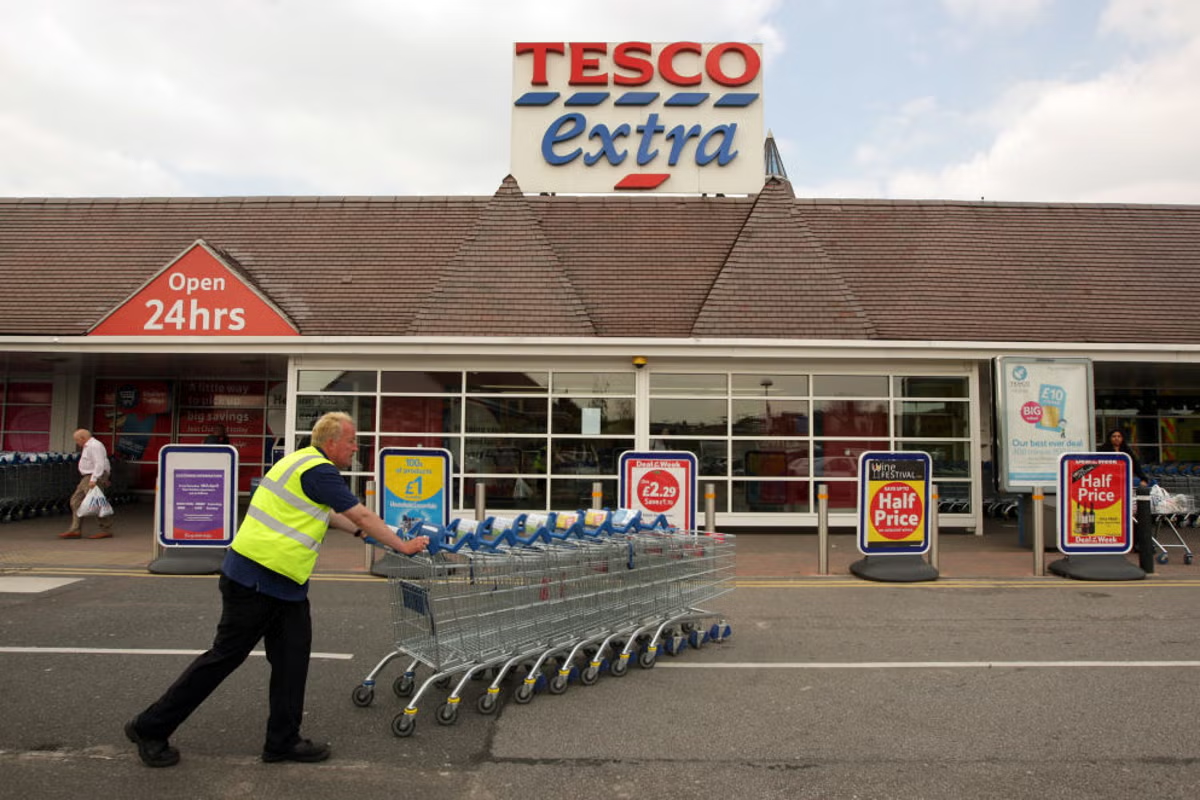
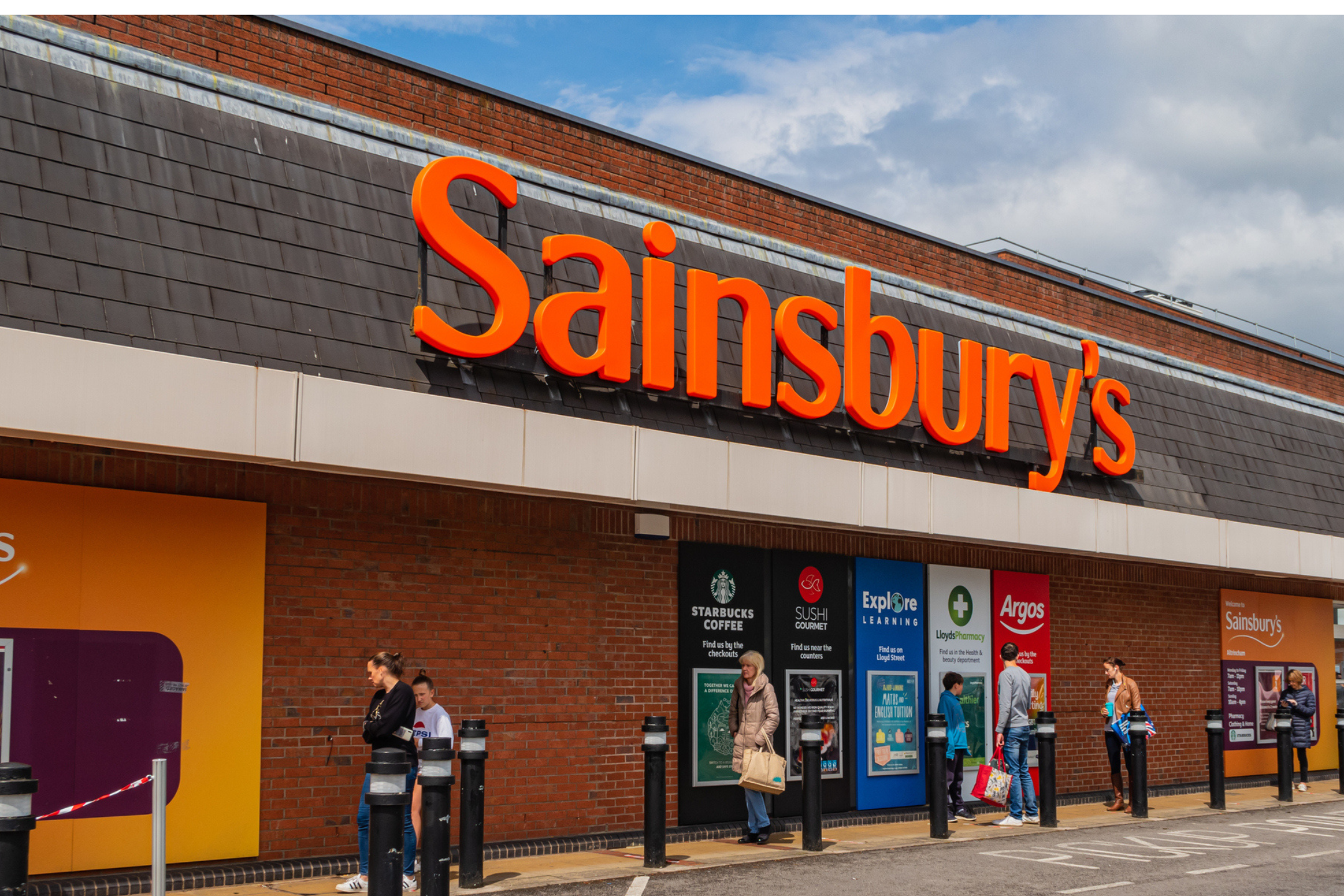
The two biggest players in the sector – Tesco and Sainsbury’s – also no longer match pay to the real living wage and have not since 2025.

Both pay higher than the national minimum wage after above-inflation rises, but not at the living wage level.
Discount supermarkets Aldi and Lidl are the only major supermarkets to pay entry-level shop staff in line with the real living wage nationwide, with Aldi’s hourly rate exceeding the benchmark.
The John Lewis Partnership, which owns supermarket Waitrose, has hiked shop staff pay by 6.9% from April but only matches the real living wage for employees within the M25.
ShareAction said pressure on firms to make firm commitments on pay would be a “major focus” for it at upcoming annual meetings for shareholders.
But it comes amid steep cost pressures on the sector, not least higher National Insurance contributions after the tax hike in April last year.
Louise Eldridge, head of good work at ShareAction, said: “It’s disappointing to see supermarkets like M&S, Sainsbury’s and Tesco moving away from matching the real Living Wage pay rates after setting the pace in recent years.
“We know retailers are under real pressure.
“The latest Living Wage rise reflects higher living costs, but that’s exactly why paying people a wage can actually live on is so important.”
She added: “Investors have been making the case to these companies that better pay has proven business benefits, from better morale to lower turnover and higher productivity.
“We’ve made progress on disclosure, but that alone won’t help staff cover the basics, so we’re continuing to push for concrete commitments on pay. This will be a major focus for us at supermarket AGMs this year.”
A spokeswoman for Sainsbury’s, which increased worker pay by 5 per cent in April, said the group had increased hourly wages by 42 per cent in the past five years.
“Our colleagues are at the heart of our success and rewarding them well continues to be a priority,” she said.
A Co-op spokesperson said: “In recent years we have aligned our lowest rates of pay with the Real Living Wage, although we are not formally accredited as a Real Living Wage employer.
“Pay is considered as part of our wider reward offer, which includes benefits such as paid breaks, colleague discounts and wellbeing support.”
M&S stressed it has never formally committed to the living wage.
Tesco said its wages have risen by 43 per cent over the last five years, adding its workers “also benefit from a competitive reward package”.
