Photo: Paul Mescal, Gracie Abrams committed to ‘long distance’ relationship: Source
Paul Mescal and Gracie Abrams are reportedly very much the real deal.
An insider recently told Us Weekly that the Irish actor and the singer are fully committed to making their relationship work despite the challenges of long distance and demanding schedules.
The source shared that the pair “are an awesome physical match with one another, and they do have pretty similar personalities, too.”
“They’ve both worked very hard to get where they are, and they’re both extremely ambitious to accomplish more,” the insider added.
However, the tipster noted that because Mescal, 29, and Abrams, 26, “are so busy and in-demand,” they “struggle to find personal time together.”
The couple were first romantically linked in 2024, and according to the source, Abrams has learned to navigate the realities of their situation.
Before wrapping up, the insider said that the singer has adapted “to the long-distance element of their relationship.”
Managerless Manchester United’s hopes of ending a topsy-turvy season with silverware went up in smoke as Danny Welbeck once again scored against his former club and Brighton finally secured a first FA Cup victory against the Red Devils.
A whirlwind week that began with Ruben Amorim’s sacking after 14 underwhelming months ended in disappointment as Darren Fletcher oversaw a third-round exit in what is set to be his final match in interim charge.
Brighton were eliminated by United in their six previous FA Cup ties between them, but they ended that hoodoo with a 2-1 win at Old Trafford courtesy of Brajan Gruda’s early effort and Welbeck’s eighth goal against his boyhood club.
Albion survived a late surge after Benjamin Sesko’s header, with teenage substitute Shea Lacey sent off for collecting two bookings as the Red Devils failed to reach the fourth round for the first time in 12 years.
This is the first time United have fallen at the first hurdle of both domestic competitions since 1981-82 and means they will play just 40 competitive matches this season – their fewest in a campaign in 111 years.
It means whoever is appointed interim out of Ole Gunnar Solskjaer and Michael Carrick will only have Premier League matters to attend to, but the 17-point gap to leaders Arsenal means the club’s hope of a trophy realistically ended 11 days into 2026.
Fletcher was given a warm welcome as he emerged from the tunnel and his side started well on Sunday, with a pair of early Jason Steele saves changing the course of this contest.
The back-up goalkeeper denied Diogo Dalot after being put in by Matheus Cunha after just two minutes and later stopped a Bruno Fernandes strike from outside the box, providing the platform for Albion to take a 12th-minute lead.
Welbeck was able to clip over a cross that Georginio Rutter met with a header that Lisandro Martínez cleared off the line, with Gruda reacting quickest to lash home.
United should have defended better and goalkeeper Senne Lammens so nearly made matters worse for his side when seeing a slack pass cut out by Welbeck, only to save the veteran’s shot and see offside Rutter fluff the follow-up.
But the Red Devils offered little by way of response as the atmosphere became flat at Old Trafford, where an unorthodox Fernandes free-kick and Cunha effort were all that gave the home fans any hope before the break.
Fletcher attempted to gee up the crowd when he returned, but there was little to cheer during a disappointingly slow start to the second period.
Lacey and Joshua Zirkzee were introduced in a bid to change the dynamics, but just moments later Brighton extended their lead.
Welbeck received a pass from Gruda and was all too easily able to take a touch and slam a 65th-minute shot into the top left-hand corner.
“Attack, attack, attack,” willed frustrated United fans just as Sesko nodded wide.
Teenager Lacey lifted over and Sesko saw a snapshot saved as the clock wound down, with the summer signing bringing hope with a header from Fernandes’ corner in the 85th minute.
United huffed and puffed but a late leveller evaded them, with 18-year-old Lacey receiving two quick yellows in succession — the second for dissent — as a bad day got worse late on.
In Pakistan, tight monetary policy coincides with increasing inflation due to supply shocks, which undermine rate sign
Market analysts caution that IMF-related measures in the upcoming FY2026 budget—particularly new taxes and adjustments in energy prices—may lead to a renewed spike in inflation. PHOTO: FILE
MICHIGAN/KARACHI:
In August 2009, the State Bank of Pakistan (SBP) officially changed its monetary policy framework from targeting monetary aggregates to an interest rate-based monetary policy framework, known as the inflation-targeting-lite regime, by introducing the interest rate corridor (IRC).
Within international systems, the adoption of IRC would be a transitional move for implementing a flexible or full-fledged inflation targeting monetary policy framework, where the policy rate is used as a primary tool for anchoring inflation expectations (Stone, 2003). Indeed, most inflation-targeting central banks place corridor systems not only to stabilise overnight rates but also to anchor these rates around a policy rate, thereby strengthening monetary policy transmission and policy signalling. This has been quite contrary to the case of Pakistan, where a significant domestic literature and official SBP communication, such as working papers, research bulletin, and policy notes emphasise that the IRC was introduced as a means of reducing volatility in the weighted average overnight repo rate (repo), which has weakened policy signalling and disrupted money markets (Mahmood, 2016).
Moreover, the SBP’s working papers and policy notes also document how liquidity shocks, often driven by government cash flows and FX operations, caused overnight rates to deviate from the policymakers’ desired levels before 2009. The objective of reducing volatility in the repo, being operationally valid, goes against the global justification of the inflation targeting-lite regime, that is, reduction in volatility is not an objective but a by-product of a smooth and coherent monetary system. Thus, the IRC was implemented in an economy where the macroeconomic conditions for interest rate-led inflation control were partially established.
It would not be the design of the corridor which is challenging, but the surroundings where it functions. The inflationary trends in Pakistan are heavily influenced by administered prices, especially energy, college tuition, and regulated food items, which can be adjusted through fiscal adjustments but not market forces. These non-continuous changes, which are frequently large and discrete, can undermine the relationship between policy rate and headline inflation. Consequently, the tight monetary policy coincides with increasing inflation due to supply shocks, which undermine interest rate signalling.
Pakistan is simultaneously experiencing the limitations of the monetary policy trilemma. External imbalances and exchange rate pressures are persistent, which often leads to the balance of payments conditioning of monetary policy decisions. Practically, this leads to the phases where interest rate is as influenced by external stability as it is influenced by domestic inflation and output growth. As a result, liquidity shocks are generated by FX interventions that the IRC must absorb to stabilise the money markets. This strengthens the IRC’s role as the stabiliser of money markets and not as an anchor of expectations.
Such limitations highlight why the inflation targeting regime, be it strict or flexible, has eluded it even though this has been expressed in terms of policy aspiration in the SBP’s Vision 2016-2020. Demand-driven inflation, flexible exchange rate, and limited fiscal dominance are the key elements required to stipulate inflation targeting. However, these conditions are fulfilled partially in Pakistan, which results in a system where the objective of inflation targeting exists but with a weak functional core.
Notably, this does not mean that Pakistan should drop the interest rate corridor or adopt monetary aggregates targeting. Neither does it imply that the targeting of inflation should be mechanically adopted and that structural reality be violated. The important step is to implement a transparent and flexible structure, which highlights and acknowledges Pakistan’s constraints and not obscure them.
This type of structural framework, whose primary medium-term objective should be price stability, and policy is carried out with clear secondary constraints, the most important of which is external stability and administered price shocks. Rather than a point target, a medium-term inflation rate is announced by the central bank with special concentration on forecasts made publicly available. This will ensure transparency of the framework and add to the credibility stock of the central bank. Temporary deviations are acceptable if they are well-explained. This framework would ensure that instead of hidden goals, exchange rate pressures, reserve adequacy, and risk premium are treated as the conditioning variables. The decisions on policy rates have been explained as weighing between inflation stabilisation and external sustainability as a reminder of discretion with accountability. Credibility is anchored on transparency.
In this context, the policy rate role is redefined. It is no longer supposed to tighten or loosen demand or to counteract the inflation produced by supply mechanisms. Rather, it pegs expectations over the medium term, constrains second-round effects and conveys commitment when the economy is under strain. The interest rate corridor appropriately works as a liquidity management tool, which ensures that there is smooth market functioning with operational control, without the strains associated with the responsibility of macroeconomic credibility, on its own.
In the long run, this structure enables sequencing as opposed to being subject to shock therapy. Reforms in administered pricing, improvement in exchange rate flexibility and reduction in fiscal dominance may relax the constraints on monetary policy over time. Flexible inflation targeting then develops naturally, as a matter of adaptation and not imitation. The introduction of the IRC to Pakistan provides more of a general lesson: that is, the sophistication of operations cannot replace the clarity of strategy.
By taking its monetary framework and its structural realities to be in accord with each other, and by ensuring the trade-offs are clear, the SBP can get closer to inflation targeting, not as an imported model, but rather as a nationally consistent policy regime.
Dr Ateeb Syed is a visiting professor of economics at Grand Valley State University, Allendale, Michigan and Tayyaba Kamran is a research assistant at the Economic Growth and Forecasting Lab, IBA
Duchess Sophie rolled up her sleeve and got to packing during a visit to The Lighthouse charity in Woking over the weekend.
As patron of The Lighthouse, the Duchess of Edinburgh helped volunteers pack up the charity’s current space ahead of its relocation. She was also shown around the organisation’s temporary new home as renovations begin. Speaking with staff and volunteers over tea, Sophie heard about their plans for the year ahead and how the charity aims to continue supporting vulnerable people as Woking’s High Street undergoes redevelopment.
The Lighthouse later shared photos from the visit on social media, writing: The Lighthouse later shared photos from the visit on social media, writing: “HRH The Duchess of Edinburgh visited The Lighthouse Woking, taking the short walk to our new location around the corner.”
The charity currently operates across four locations in Woking, Barnsbury, Aldershot and Guildford.
The visit came alongside a powerful appeal from Sophie on the international stage. In a piece written for The Telegraph, the duchess urged the world not to ignore Sudan as the conflict reached a devastating milestone.
“As the world embarks on a new year, we are met with a stark and terrible milestone: 1,000 days of conflict in Sudan,” she wrote, describing it as “the world’s most severe humanitarian crisis.”
Sophie also reflected on visiting Sudan’s border last year, recalling a relentless stream of exhausted families crossing into Chad, often on foot or in donkey-drawn carts.
Investigators followed a critical clue that led to the arrest of the Chicago doctor suspected in the killings of his ex-wife and her dentist husband in Ohio.
Michael David McKee, 39, was arrested in connection with the double murder of Spencer Tepe, 37, and Monique Tepe, 39, who were found dead at their Weinland Park home around 10 a.m. Dec. 30, officials have said.
McKee was arrested in the Chicago area after detectives tracked his vehicle through neighborhood surveillance near the couple’s home, according to court documents.
McKee’s car “arrived just prior to the homicides and left shortly after,” detectives said in the court documents. Investigators were able to identify the vehicle and subsequently link it to McKee.
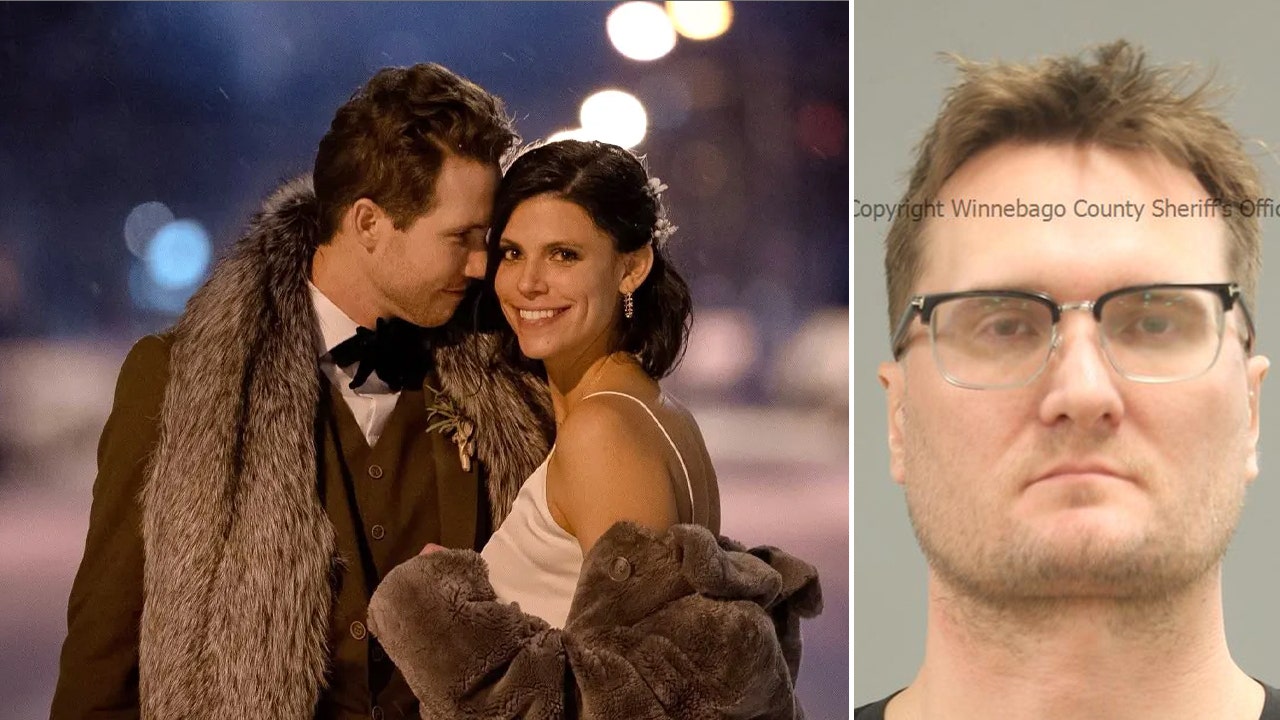
Michael David McKee, a 39-year-old from Chicago, is charged with two counts of murder in the deaths of Dr. Spencer Tepe and his wife, Monique Tepe.(Winnebago County Sheriff’s Office)
Detectives said they located the car in Rockford, Illinois, noting that they found evidence that McKee had been in ownership of the vehicle throughout the incident, the documents stated.
McKee was booked at the Winnebago County Sheriff’s Office in Illinois just before noon Saturday, records show. He’s being charged with two counts of murder in Ohio.
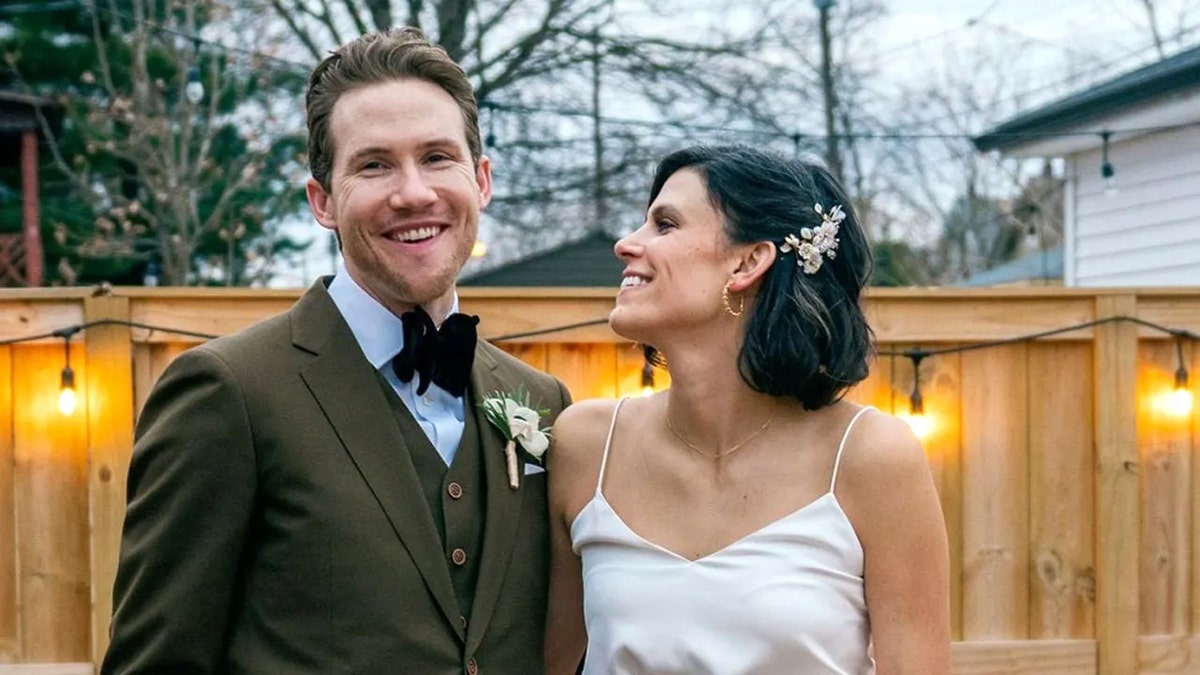
Spencer and Monique Tepe are pictured on their wedding day.(Rob Misleh)
McKee’s neighbor, Gera-Lind Kolarik, told WLS-TV after his arrest that “he did not seem like somebody who would do something like this.”
“I sat down with this man and talked with him at the pool, barbecuing, about what a beautiful day it is — and then he turns out to be [charged as] a killer,” she said. “It’s kind of shocking.”
Spencer and Monique Tepe were found dead on Dec. 30.(Rob Misleh)
Detectives in Columbus believe the murders took place between 2 a.m. and 5 a.m. Dec. 30. The bodies were discovered after one of the Tepe’s friends went to the couple’s house and told a 911 operator he could see a body inside.
CLICK HERE TO DOWNLOAD THE FOX NEWS APP
Both of the couple’s children were found safe inside the home when officers arrived. Police didn’t find signs of forced entry, and a weapon was not recovered from the home, officials said.
The reality is that eating disorders affect people of all ages, body sizes, cultures, races, sexes, genders and sexualities. In 2023, around 1.1 million Australians (around 4.5% of the population) were living with an eating disorder.
A growing body of evidence suggests LGBTQIA+ people are particularly vulnerable to developing eating disorders. But we still need more research to understand how and why they affect this group more.
Here’s what we know so far about LGBTQIA+ people’s higher risk – and what treatment actually works for them.
What is an eating disorder?
Eating disorders are serious mental health conditions that affect a person’s eating behaviours. They can harm both physical and mental health.
Anorexia nervosa and bulimia nervosa are the most well-known eating disorders, but the most common are actually binge eating disorder (eating a lot in a short amount of time and feeling out of control) and avoidant/restrictive food intake disorder (restricting eating because of sensory sensitivity, lack of appetite, or fear of illness or choking).
Eating disorders can cause damage to a person’s organs, bones, fertility and brain function. People with an eating disorder are up to five times more likely to die early than those without one.
How much higher is the risk for LGBTQIA+ people?
Research shows that LGBTQIA+ people have much higher rates of eating disorders than non-LGBTQIA+ people.
For example, in the United States, an estimated 9% of the population will experience an eating disorder in their lifetime. But a 2018 survey of LGBTQ young people in the US found rates were significantly higher:
21% thought they had an eating disorder, but hadn’t been diagnosed.
Within the LGBTQIA+ community, the risk also varies across different groups:
lesbian, gay and bisexual people: more than twice as likely to have an eating disorder as heterosexual people
intersex people: nearly four times as likely as endosex (non-intersex) people
trans people: nearly 11 times more likely than cisgender people.
We don’t have data for asexual people, but we do know that asexual people have poorer body image than their non-asexual peers. So it is likely they also experience higher rates of eating disorders.
Why LGBTQIA+ people face higher risk
Being an LGBTQIA+ person is not a mental illness. There is no evidence of a biological reason why LGBTQIA+ people experience higher rates of eating disorders.
While many factors contribute, two of the most studied risk factors are minority stress and gender dysphoria.
1. Minority stress
Minority stress refers to how discrimination and stigma negatively impact the health of LGBTQIA+ people. This means it is not who they are, but how LGBTQIA+ people are treated that drives their higher risk.
Discrimination can lead LGBTQIA+ people to feel shame about their identities and bodies. Some people try to cope through disordered eating behaviours, which can develop into an eating disorder.
For intersex people, medically unnecessary surgeries in childhood to “normalise” their bodies can cause trauma and shame that can also increase eating disorder risk.
About the author
Kai Schweizer is a PhD candidate at the University of Western Australia and the Kids Research Institute Australia.
Many trans people experience something called gender dysphoria. This is the distress, discomfort or disconnect that can happen when a person’s gender identity doesn’t match their physical body or how others see them. For many trans people, eating disorders can be an attempt to reduce gender dysphoria.
In trans teens, eating disorders often develop as a way to stop puberty when they can’t access puberty blocking medications. For example, restricting food may be a way to try to reduce the appearance of breast tissue or to stop having periods.
What kind of treatment would work?
After a diagnosis, typical eating disorder treatment involves a multidisciplinary team including a doctor, mental health professional and dietitian. Treatment can be provided in the community or in a hospital if someone’s physical health needs close monitoring.
But eating disorder treatment was not designed with LGBTQIA+ people in mind and can sometimes cause harm. LGBTQIA+ people report more negative experiences of treatment compared to the general population.
For example, mirror exposure exercises are a common therapy, where someone with an eating disorder is asked to look in a mirror for prolonged periods to lessen their body image distress. But for some trans people this can worsen their gender dysphoria.
This doesn’t mean treatment can’t help LGBTQIA+ people. It means treatment has to be adapted to ensure it meets their needs.
In practice, this might look like:
consistently using the right name and pronouns
using inclusive language and gender options on documents
displaying explicit statements that LGBTQIA+ people are welcome in the service
incorporating gender-affirming medical care into eating disorder treatment
addressing minority stress in a trauma-informed way. This means validating how someone might experience, responding to discrimination and stigma, and working with them to build healthier coping strategies and stronger support systems.
If this article raised any concerns for you or someone you know, contact the Butterfly Foundation on 1800 33 4673. You can also contact QLife at 1800 184 527.
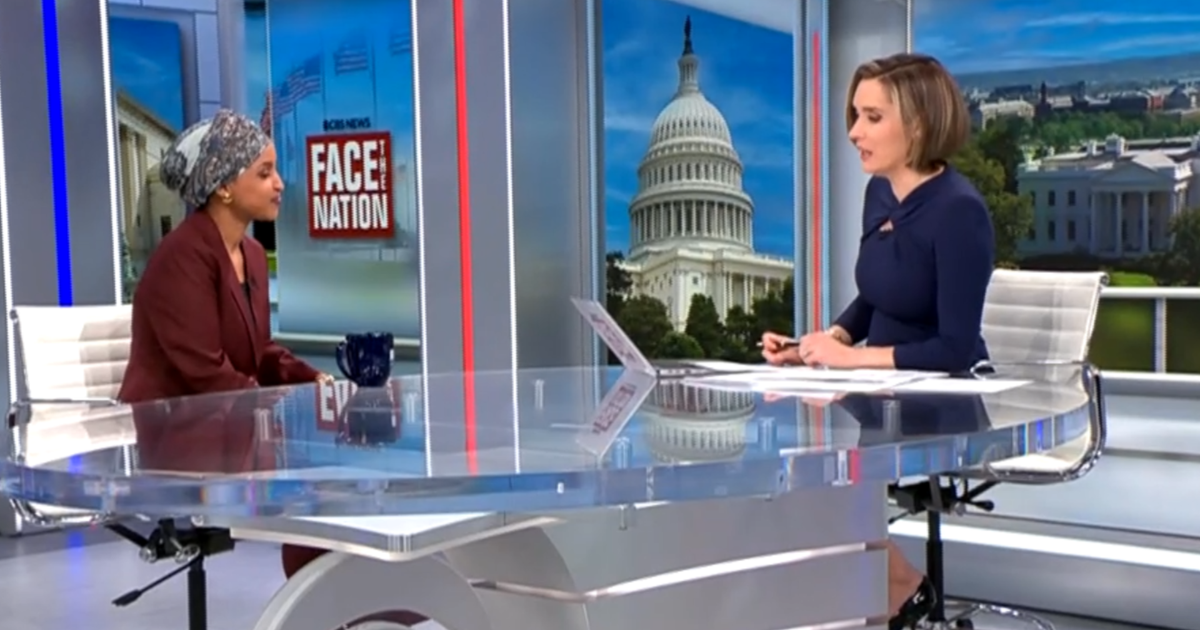
On this “Face the Nation with Margaret Brennan” broadcast, moderated by Margaret Brennan:
Rep. Ilhan Omar, Democrat of Minnesota
Secretary of Energy Chris Wright
Sen. Tim Kaine, Democrat of Virginia
Rep. Maria Elvira Salazar, Republican of Florida
Click here to browse full transcripts from 2026 of “Face the Nation with Margaret Brennan.”
MARGARET BRENNAN: I’m Margaret Brennan in Washington.
And this week on Face the Nation: Anti-ICE protests spread nationwide, and the Trump administration struggles to deal with exploding tensions around the world.
(Begin VT)
PROTESTER: What do we want?
PROTESTERS: ICE out!
PROTESTER: When do we want it?
PROTESTERS: Now!
(End VT)
MARGARET BRENNAN: Four days after an ICE agent shot and killed a protester in Minneapolis, the struggle to own the narrative of what exactly happened continues, and scrutiny over the use of force by ICE as part of the Trump administration’s deportation process intensifies.
We will talk with Minneapolis area Democratic Congresswoman Ilhan Omar, then turn to the New Year’s eruption of unrest around the world. As the deadly protests in Iran spread, are the regime’s days numbered? And what’s the Trump administration’s red line when it comes to taking more action against Iran?
Finally: The administration tries to work with what’s left of Maduro’s government, as President Trump makes plans to take advantage of Venezuela’s oil and mineral-rich land.
(Begin VT)
DONALD TRUMP (President of the United States): American companies will have the opportunity to rebuild Venezuela’s rotting energy infrastructure and eventually increase oil production to levels never, ever seen before.
(End VT)
MARGARET BRENNAN: We will ask Energy Secretary Chris Wright about that. Virginia Democratic Senator Tim Kaine and Florida Republican Congresswoman Maria Elvira Salazar will also join us.
It’s all just ahead on Face the Nation.
Good morning, and welcome to Face the Nation on this second Sunday of the new year.
We begin in Minneapolis, which now has the largest concentration of DHS federal agents in an American city in recent years.
We begin with homeland security correspondent Nicole Sganga in Minneapolis.
(Begin VT)
PROTESTER: Say her name!
PROTESTERS: Renee Good!
NICOLE SGANGA (voice-over): This weekend, tens of thousands took to the streets in anti-ICE demonstrations nationwide, in Minneapolis braving subfreezing weather to mark where 37-year-old Renee Nicole Macklin Good was shot and killed by an ICE agent.
Days after the fatal shooting, you can see that hundreds of protesters are still showing up. Minneapolis is a city still on edge. They’re saying immigrants are welcome here, demanding answers and a fair investigation.
State investigators say federal officials have denied them access to evidence in the investigation of Good’s death.
KEITH ELLISON (Minnesota Attorney General): The current posture is that the investigation is one that the feds want to do without state involvement.
NICOLE SGANGA: Sources tell CBS News the Department of Homeland Security is planning to send hundreds of additional U.S. Customs and Border Protection agents to the Twin Cities this month, adding to a footprint of roughly 2,400 DHS personnel.
On Saturday, Democratic members from Minnesota, including Representative Ilhan Omar, were blocked from touring an ICE detention facility just outside of Minneapolis.
REPRESENTATIVE ILHAN OMAR (D-Minnesota): What happened today is a blatant attempt to obstruct members of Congress from doing their oversight duties.
NICOLE SGANGA: A CBS News analysis has found ICE agents have fired their weapons in at least eight incidents over the past four months, resulting in three deaths. Nearly all of the shootings involved vehicles.
Cell phone video amplified by the White House shows ICE agent Jonathan Ross’ point of view…
WOMAN: I say, go get yourself some lunch, big boy.
NICOLE SGANGA: … and what are likely Good’s last words.
RENEE GOOD (Killed in ICE Shooting): That’s fine, dude. I’m not mad at you.
NICOLE SGANGA: The refrain now memorialized by mourners and protesters alike.
(End VT)
NICOLE SGANGA: CBS News has learned, prosecutors within the Justice Department’s Civil Rights Division will also not join the FBI’s investigation, breaking with past practice and raising further questions about just how far the federal inquiry will go – Margaret.
MARGARET BRENNAN: That’s Nicole Sganga in Minneapolis.
And we’re joined now by Congresswoman Ilhan Omar, who represents a large portion of that city.
It’s good to have you here.
REPRESENTATIVE ILHAN OMAR (D-Minnesota): I represent the whole city.
MARGARET BRENNAN: Yes. Well…
REPRESENTATIVE ILHAN OMAR: Thank you for having me.
MARGARET BRENNAN: Thank you.
The Trump administration is actively telling the public that journalists are misleading them. You heard what was just reported from the scene. What we know is that Renee Macklin Good and her partner were protesters. They were driving around Minneapolis. They were recording what some of these ICE enforcement officers were doing.
And the local police chief says Macklin Good blocked the street with her car. President Trump has said that the partner was a paid agitator. That’s the phrase he used. Secretary Noem alleged this was an act of terrorism.
Given how much heat there is and the administration’s scrutiny, would you tell Americans it’s too dangerous to demonstrate and to go out and document, as she was doing?
REPRESENTATIVE ILHAN OMAR: I think it is really important for Americans to record, to create the level of accountability and transparency that we need.
What we have seen in Minneapolis is ICE agents oftentimes jumping out of their cars. These are unmarked cars. Oftentimes, they’re wearing a mask. They’re approaching, running towards cars. They’re pulling people out of those cars. Oftentimes, these people are citizens. Oftentimes, these people have documentation of their legal right to be in this country.
And we know that DHS has lied repeatedly when it comes to these accounts, so it is even more important for there to be recording from eyewitnesses every single time these actions are taking place.
MARGARET BRENNAN: But do you see – from the recordings that we see, is there anything that you believe was – that was being done that should not have been done by Macklin Good?
The administration says she was blocking the road. They are claiming this is an act of terrorism.
REPRESENTATIVE ILHAN OMAR: Yes.
Renee Nicole Good, as you hear her say, she’s not mad. She’s sitting in her car peacefully waving cars to get by. This agent, as you see, gets out of his car, automatically starts running towards her, trying to open her door. She feels scared. She tries to turn the wheel away. And then you see the other officer, who can clearly see the car is moving, move towards the front of the car, which, if they are saying that he has 10 years on service and is trained, he should know that you shouldn’t be trying to get in front of a moving car.
And so it is not acceptable for Kristi Noem and the president and the vice president to make these kind of judgments without there being a full investigation, even though we can see in the videos that have been produced so far that what they are describing is really not what is taking place.
And so, if they’re saying that we shouldn’t believe our eyes, then let the investigation take place before you characterize this mother of three as a domestic terrorist. Prove to us what documentation you have that – one, that she was paid…
MARGARET BRENNAN: Yes.
REPRESENTATIVE ILHAN OMAR: … two, that she was agitating, when we can hear her say she’s not mad, she’s not upset. She’s clearly trying to wave cars to bypass her. And so it’s just – this level of rhetoric is unjustifiable to the American people.
MARGARET BRENNAN: But just quickly on that, you said accountability and it’s important for people to document what’s happening. I just want to be abundantly clear, because the administration says that their officers are being stalked and harassed. When you say accountability, you are only describing recording, like she was doing?
REPRESENTATIVE ILHAN OMAR: I think it is fair…
MARGARET BRENNAN: OK.
REPRESENTATIVE ILHAN OMAR: … for citizens to document what law enforcement is doing in their communities, yes.
MARGARET BRENNAN: Though there’s been violence against some of these agents as well.
REPRESENTATIVE ILHAN OMAR: Well, there’s also been violence against residents in Minneapolis.
MARGARET BRENNAN: There right now is a lot of heat on your state.
Treasury Secretary Bessent called Minnesota ground zero for what may be the most egregious welfare scam in our nation’s history to date; 85 of the 98 people who were charged by the Justice Department with this welfare scheme are Somali.
And you know this. The treasury secretary is probing whether any of the money was somehow funneled outside the country. He actually issued new standards. He’s going to make it – make someone disclose if they receive public assistance when they try to wire money out of the country, and he’s lowered the bar for suspicious activity.
What is the practical impact of doing that in the community?
REPRESENTATIVE ILHAN OMAR: It’s just creating fear.
What they are doing is creating confusion, chaos, trying to intimidate people from being able to exercise their regular, normal activities that they would. There is no justification in any of the things that they say. The 87 people that you’ve described as being investigated, many of them adjudicated, all happened under the Biden administration.
There is no justification for this surge. We know that ICE has the ability to conduct raids.
MARGARET BRENNAN: Yes.
REPRESENTATIVE ILHAN OMAR: There is no reason have over 2,000 people coming in to our city and creating the level of terror that they have created.
MARGARET BRENNAN: Well, the administration argues that they have to do it because the state failed to, right? And…
REPRESENTATIVE ILHAN OMAR: The state – the federal government and the state have been working peacefully together and have brought justice to these 87 people that you’ve described.
None of this surge that they have conducted has produced any sort of criminal activity. They haven’t been able to charge anyone as of yet.
MARGARET BRENNAN: Well, the administration also announced they’re going to cut food stamps to Minnesota because they say some of the food stamp money had been embezzled. Do you – are you confident that that…
REPRESENTATIVE ILHAN OMAR: And those are the things that are being litigated, and it is, again, unconstitutional for them to do so.
MARGARET BRENNAN: But is it – are you confident that the fraud that has been discovered is no longer being conducted now? Is there any justification for saying, this food stamp money is somehow being misused?
REPRESENTATIVE ILHAN OMAR: Yes, there are ways to investigate fraud, which we have been doing in Minnesota, which the federal government has been doing under the Biden administration.
There is no reason for them to use this level of rhetoric. There is no reason for them to fully stop these pro – funding these programs. The only reason they are doing that is for P.R. purposes. And it is harming our state. It is harming my constituents.
MARGARET BRENNAN: Yes.
REPRESENTATIVE ILHAN OMAR: And it is creating the kind of chaos and confusion that no one needs in this moment.
MARGARET BRENNAN: Because the administration and many conservative allies in the administration argue that this is still ongoing. There was that conservative influencer who went out and posted this video that went viral, alleging that day care facilities were pocketing public funds.
REPRESENTATIVE ILHAN OMAR: Yes. And, as you know, he went hours where these businesses were not operating.
MARGARET BRENNAN: Yes, CBS went out and did its own investigation.
REPRESENTATIVE ILHAN OMAR: Yes, which, again creates the level of confusion and chaos that is not necessary in a moment when we are trying to deal with a serious problem that needs serious people to be able to address it.
MARGARET BRENNAN: But do you think – there was no recorded evidence of fraud, according to the CBS investigation that was conducted.
REPRESENTATIVE ILHAN OMAR: Right.
MARGARET BRENNAN: But Governor Walz did choose to not run for reelection. He dropped out of the race because of all of this.
REPRESENTATIVE ILHAN OMAR: Because he wants to focus on defending our state, and not defending a seat.
MARGARET BRENNAN: Do you think there – do you think there has been a sufficient level of accountability and ownership of the failure to have oversight here? Do you think this ends?
REPRESENTATIVE ILHAN OMAR: I mean, this – that is what we want. We want to collaboratively work with the administration to try to make sure that there is no fraud that’s being perpetuated on our state.
What we do not want is the level of terror, of confusion, of chaos that is being created without any results in this moment.
MARGARET BRENNAN: Very quickly, before I let you go, the chair, Oversight Committee, said that he wants to refer you to the Ethics Committee.
REPRESENTATIVE ILHAN OMAR: I have been referred like 100 times, so go ahead.
(LAUGHTER)
MARGARET BRENNAN: He’s looking at your husband’s income and net worth. He said it was tied to private equity investment funds, but he seems to be insinuating that you personally are tied into this welfare scam. How do you respond to that?
REPRESENTATIVE ILHAN OMAR: I mean, ever since I have gotten to Congress, they have been doing these sort of weird ethics investigations. None of them have yielded anything, because I have been as transparent as I can be, and there is nothing wrong with any documentation that I have ever provided to the federal government.
MARGARET BRENNAN: Congresswoman Omar, thank you for joining us today.
REPRESENTATIVE ILHAN OMAR: Thank you.
(CROSSTALK)
MARGARET BRENNAN: Face the Nation will be back in one minute. Stay with us.
(ANNOUNCEMENTS)
MARGARET BRENNAN: This morning, President Trump vowed that Venezuela now has the military protection of the U.S. This comes just one week after he said the U.S. would run that country.
Meanwhile, Venezuelan opposition leader Maria Corina Machado is expected to travel to Washington to meet with President Trump this week.
For his part, Mr. Trump and his team met with dozens of U.S. oil executives late last week, urging them to commit $100 billion to boost oil production there.
Joining us now to discuss it all is the United States secretary of energy, Chris Wright.
Good to have you here in person.
CHRIS WRIGHT (U.S. Energy Secretary): Thanks for having me, Margaret.
MARGARET BRENNAN: Before I ask you about Venezuela, very quickly, these protests in Iran, this country reliant on oil to keep its government- controlled economy afloat, the president has been briefed on military options.
What is the U.S. willing to do to help?
SECRETARY CHRIS WRIGHT: Certainly, the president has been very outspoken about wanting to have freedom and rule of law and capitalism and great relations with the United States return.
So, we’ll see. I think his moral support has been strong. Certainly, he’s taken a strong stance against the mullahs in Iran in disabling their nuclear program. I think the people in Iran are rising up because they feel there’s a strong America that has their back. I won’t go into any specifics there, but we wish them well, and we’d love to see a free and democratic Iran again.
MARGARET BRENNAN: Will there be more interdictions of vessels carrying Iranian oil, any more activity on that front?
SECRETARY CHRIS WRIGHT: I won’t reveal any change in position there.
MARGARET BRENNAN: OK. OK.
Let me ask you about Venezuela…
SECRETARY CHRIS WRIGHT: Yes.
MARGARET BRENNAN: … where you have been very focused and very central to the president’s policy.
The president said that Venezuela now has the United States, the most powerful military in the world, to protect them, to protect them. We will.
Is the United States military providing security guarantees for American companies?
SECRETARY CHRIS WRIGHT: We’re not doing that right now. But what we…
MARGARET BRENNAN: What does he mean?
SECRETARY CHRIS WRIGHT: What he means is, we’re changing the game for what’s happening in the ground in Venezuela. Venezuela has purchased $20 billion of Russian weapons.
They have got Cuban mercenaries there. They supply oil to Cuba. They – they harbor the Hezbollah’s headquarters for the Western Hemisphere. Venezuela has been a very dangerous, very destabilized place…
MARGARET BRENNAN: Yes.
SECRETARY CHRIS WRIGHT: … going down the tubes. And with the United States’ influence now, by controlling the sale of their oil and therefore the flow of funds into the country, we think we’re going to – we will see relatively rapid change, improvement on the ground in Venezuela.
This is a process. We’re only eight days into the process, but it’s off to a strong start.
MARGARET BRENNAN: Well, it’s off to a quick start. You had the oil executives at the White House just Friday.
That the president – or – excuse me – the State Department yesterday had a security alert I want to ask you about, because it specifically cited the risk to Americans in Venezuela, and it said: “Armed militias are setting up roadblocks, searching vehicles for evidence of U.S. citizenship or support for the U.S.”
The man who runs those militias is Diosdado Cabello, who is the minister of the interior. Is he ordering the hunting of Americans?
SECRETARY CHRIS WRIGHT: Not that we are aware of.
But we should be cautious. Look, this is, as I say, eight days into a change into a change of leadership there. The interim authorities are trying to establish power. Colectivos have been running wild over – over Venezuela for – for over a decade.
MARGARET BRENNAN: Right.
SECRETARY CHRIS WRIGHT: So, yes, you’re not going to…
MARGARET BRENNAN: Well, he controls them.
SECRETARY CHRIS WRIGHT: He does.
MARGARET BRENNAN: So, is he safe in his position? Because, right now, the administration seems to be working with him.
SECRETARY CHRIS WRIGHT: We need to work with the people that have the guns today to ultimately move the country to a representative government and a better station.
But what you’ve got to prevent in the mean term is a collapse of the nation. And I think the strong moves we’re making right now is to influence the people with the guns today, which is part of a process.
MARGARET BRENNAN: And you’re not concerned he’s going to undermine the more business-minded President Delcy Rodriguez?
SECRETARY CHRIS WRIGHT: Oh, of course we’re worried about things like that. We need to get stability among the leadership in Venezuela. So, yes, of course we’re concerned about those things.
MARGARET BRENNAN: So tell me broadly, is the Trump administration’s goal here to acquire the state oil company, PDVSA, and to run it? Are you going to put Americans on the board? How is this going to work?
SECRETARY CHRIS WRIGHT: Well, again, it’s a process.
The first thing to do is to reduce the damage to the United States, the inflow of guns and criminals and immigrants and drugs into the United States, the destabilizing of a key part of the Western Hemisphere. We need to stop that. That’s why we’ve entered into Venezuela. Certainly, part of the way to improve Venezuela and to improve the Western Hemisphere and improve the lives of Americans is to get their very corrupt 25-years-in- decline oil industry back going again.
MARGARET BRENNAN: Does that mean the United States government is going to run it? The president says we’re going to run the country. Are we running this as, like, as an American state-owned oil company, essentially?
SECRETARY CHRIS WRIGHT: No.
Today, we are running the sale of their crudes. You know, we have a quarantine around their ability to ship oil outside of Venezuela. All of that goes through American crude marketers, and then that crude goes out into the market. We collect those funds and bring them back to Venezuela to better the lives of Americans and Venezuelans.
But in the long run, what will happen with Venezuelan oil resources? Yes, of course, quite likely, you’ll see American companies’ expanded presence there. You’ll see growing production. Of course, you’re going to see more American involvement in there. But exactly how that’s going to work, that’s going to unfold over time.
MARGARET BRENNAN: So, back in November, a U.S. judge backed a bid by an American hedge fund to purchase Citgo Petroleum. The Treasury still has to approve that deal.
The hedge fund is actually run by a big Trump donor, Paul Singer. Do you want to preserve Venezuelan ownership of Citgo? Do you want to have America have a financial stake in it, like Trump bought a big portion of the Intel company? Do you want to own portions of oil companies?
SECRETARY CHRIS WRIGHT: Again, that’s going to be up to American businesses. That’s certainly a very real possibility.
The Citgo sale is part of – is part of bringing redress to creditors of the United States for the Venezuelan government. And, of course, one – one of the capital providers in that transaction is a hedge fund provider you just mentioned. There’s lots of American investors and American refining entrepreneurs that are involved in that.
So, to take Venezuelan owned refineries that are in the United States and legally, through an auction process, transfer them to American owners and American entrepreneurs in the refining business. I think that’s fantastic.
MARGARET BRENNAN: There’s concern about corruption here, though. Will there be Americans installed on these boards? And how do you respond to these allegations that some Trump donors are going to get preferential treatment?
SECRETARY CHRIS WRIGHT: I can assure you that is absolutely not the case, absolutely not the case. Think of what President Trump has done for the American oil and gas industry. He’s driven down the price of oil. He’s dramatically reduced the…
(CROSSTALK)
MARGARET BRENNAN: There’s an oversupply of oil. And now you’re going to put more on the market.
SECRETARY CHRIS WRIGHT: Right. Exactly. That’s not – that’s not good for American oil and gas companies.
(CROSSTALK)
MARGARET BRENNAN: Because it makes it less profitable for them to actually go and invest in drill, baby, drill.
SECRETARY CHRIS WRIGHT: Exactly.
Democrats and President Biden are fantastic for American oil and gas companies, because they try to restrict the supply to something that’s essential to life, which only has one possible impact, which is to drive up prices and grow profitability.
So, President Trump is no – is no helper to the oil and gas industry. And, certainly, there’s no corruption, preferential placement of people. There’s none of that. I can assure you of that. I’m in the center of this.
MARGARET BRENNAN: How are you going to decide the contracts? Is the Treasury going to approve the Citgo dominance there in that…
(CROSSTALK)
SECRETARY CHRIS WRIGHT: That went through a large auction to buy it.
MARGARET BRENNAN: Are you going to brief to Congress the decisions you’re making about which firms get access?
SECRETARY CHRIS WRIGHT: Absolutely. All that – that was an auction open to all American firms. There were many bidders, including the coalition of bidders you mentioned. We want those assets to get as much money as possible to go back to the creditors of the Venezuelan government.
And we want American refinery assets owned by Americans that are going to increase the throughput, drive down the price of gasoline in America.
MARGARET BRENNAN: OK. So, Secretary Rubio said there’s a three-point plan, stabilize, rehabilitate, transition. This sounds indefinite.
Even when you heard some of those oil executives, Chevron’s leadership – they’re already in Venezuela, we should say – said it will take 18 to 24 months to even increase oil production by 50 percent. So how long is this American involvement? Because he’s saying there it’s at least a year-and-a- half, two years.
SECRETARY CHRIS WRIGHT: They’ve been there for 100 years, and, likely, Chevron’s going to be there 50 years from now.
MARGARET BRENNAN: But the United States government, how long does that role continue?
SECRETARY CHRIS WRIGHT: You heard the third part of Rubio’s question, which is transition.
We want to bring a representative government to the people of Venezuela. I think then you’ll see the full sovereignty back to the government of Venezuela. We don’t have a legitimate government in Venezuela today. We’d like to move and get there. But America is there as a…
MARGARET BRENNAN: Do you have a timeline?
SECRETARY CHRIS WRIGHT: Twenty-five years, this country has gone in decline.
MARGARET BRENNAN: Yes.
SECRETARY CHRIS WRIGHT: President Trump, out-of-the-box, creative intervention has allowed us to change the game.
MARGARET BRENNAN: Yes.
SECRETARY CHRIS WRIGHT: But, yes, I don’t know the timeline of that.
MARGARET BRENNAN: OK.
SECRETARY CHRIS WRIGHT: It’s not weeks. It’s more months. Could be a year or two. Could be more.
MARGARET BRENNAN: OK.
Secretary Wright, thank you for your time today.
We will be right back.
(ANNOUNCEMENTS)
MARGARET BRENNAN: If you’re looking for more Face the Nation, including extended interviews and special content, you can find us on YouTube. And you can also subscribe to our podcast. It’s available on all platforms.
We will be right back.
(ANNOUNCEMENTS)
MARGARET BRENNAN: We’ll be right back with a lot more Face the Nation. Stay with us.
(ANNOUNCEMENTS)
MARGARET BRENNAN: Welcome back to “FACE THE NATION.”
We want to take note of something that President Trump told “The New York Times” last week as we move on to a discussion of the international challenges that the country faces. He was asked in a wide-ranging interview if there were any limits on his global powers, and Mr. Trump said, “yeah, there is one thing. My own morality. My own mind. It’s the only thing that can stop me.”
One test looming large at the moment is in Iran, where the death toll from violent protests is growing as the government intensifies its crackdown and, at this point, there is no alternative government standing by if this regime should fall.
Imtiaz Tyab has the latest reporting from London.
(BEGIN VT)
IMTIAZ TYAB (voice over): They chant, “death to the dictator,” as unrest across Iran only intensifies and as the death toll rises. International rights groups say at least 190 demonstrators have been killed and more than 2,300 arrested as security forces continue to crack down hard.
Cell phone video shows government buildings on fire and even a mosque. Scenes once unthinkable as symbols of the theocratic regime are targeted by protester.
These videos, verified by CBS News and other media outlets using satellite imaging, GPS codes, and sources on the ground show anger that began over rising inflation and a collapsing currency has morphed into something more explosive, open defiance of the repressive state. Including in Mashhad, Iran’s second largest city, where thousands flooded the streets overnight and blocked roads, with some chanting, “long live the king.” While in the capital, Tehran, this video shows a mass protester holding up a photo of Reza Pahlavi, the U.S.-based son of Iran’s last shah, who was ousted in 1979. A divisive figure with no organized movement inside Iran, but for some protesters, Pahlavi has become short-hand for “anything but the Islamic Republic.”
FEMALE: America has already lost the game.
IMTIAZ TYAB (voice over): Iranian state TV has accused the U.S. of being behind the unrest and aired images of pro-government rallies. But scenes like this continue to tell a different story as Iran’s leadership only tightens its grip, including imposing a sweeping communications blackout that has seen the internet cut and international calls blocked. President Trump has warned Tehran against killing protesters.
DONALD TRUMP, PRESIDENT OF THE UNITED STATES: And if they start killing people, like they have in the past, we will get involved. We’ll be hitting them very hard where it hurts. And that doesn’t mean boots on the ground.
IMTIAZ TYAB (voice over): As President Trump pledges to support the protesters, a senior U.S. official has confirmed to CBS News, the president has been briefed on new options for military strikes in Iran.
(END VT)
IMTIAZ TYAB (on camera): And in his first public remarks since the protests have intensified, Iran’s president, Masoud Pezeshkian, accused the U.S. and Israel of, quote, “sowing chaos and disorder” by ordering what he described as riots. He also promised to address the economic crisis that triggered the unrest. The question now is whether Iranians believe him or whether it’s already too late.
Margaret.
MARGARET BRENNAN: Imtiaz, I know you’ve been covering Iran for a long time, including on the ground. There have been protests before that have been just brutally suppressed. What’s different this time?
IMTIAZ TYAB: You know, Margaret, on the one hand this feels very familiar. And on the other it feels very different. Iran, as you mentioned, has seen major uprisings before. The 2009 green movement, the 2019 fuel protests, and 2022’s women life freedom movement. Each had its trigger. Each was met with brutal force. And each was eventually crushed.
What’s new now is the layers of crises facing the regime. Iran has a collapsing currency. There are chronic power and water shortages. I faces punishing sanctions. And it’s still absorbing the aftershocks of last year’s 12-day war with Israel.
I was in Iran right after that war and people were already quietly questioning the regime’s competence and its vulnerabilities. Now those vulnerabilities are loudly being tested in the streets. And there’s another crucial difference here, symbolism. We’ve seen statues of the supreme leader set on fire, surveillance cameras ripped down, as well as chants for the monarchy.
This is not nostalgia. This is a rejection of the Islamic Republic. And the danger for the leaders in Tehran is simple. Once the (INAUDIBLE) breaks, it’s very hard to put back.
MARGARET BRENNAN: Imtiaz Tyab, we’ll continue to track these protests. Thank you, Imtiaz.
We go now to Richmond, Virginia, where we find Senator Tim Kaine, who has Oversight, Foreign Relations and other key committees.
Senator, we know the president has been briefed on military options. But our reporting is, no decision made, no military assets put in place to execute anything yet. There aren’t even any aircraft carriers in the Mideast region at this moment in time.
Would you support military action?
SENATOR TIM KAINE (D-VA): Margaret, U.S. military action in Iran would be a massive mistake. It would have the effect of giving the Iranian regime the ability to say it’s the U.S. that’s screwing our country up. Right now Iranians are blaming, appropriately, the regime for screwing up the country. This Iranian regime has spent years focusing outside its borders on fomenting terrorism and aggression in Iraq, Syria, Lebanon, Yemen, Gaza, instead of listening to the needs of its own citizens. And much like Syrian citizens finally threw off the yoke of Bashar al Assad, and that brutal regime, without U.S. military intervention, it looks to me that Iran’s doing the same.
So, let’s celebrate their freedom-loving spirit.
MARGARET BRENNAN: Yes.
SENATOR TIM KAINE: Let’s keep up the sanctions pressure which helped in Syria, and is helping, I think, dramatize the misdeeds of this regime. But U.S. military action would just bring back the painful history of the U.S. toppling the Iranian prime minister back in the 1950s, and it would give the regime the ability to blame their own failures on the United States.
MARGARET BRENNAN: Yes.
You mentioned Syria there. There was some, you know, covert U.S. support. There was something in the beginning at least with that kind of uprising.
Would you support any kind of help? I mean the president saying we’re going to help the protesters. What does that mean or what should it look like?
SENATOR TIM KAINE: Well, I think, again, let’s use sanctions. And in Syria, the Caesar Sanctions that we put in place in 2019 to punish Bashar al Assad for war crimes had a real effect on the Syrian energy, construction and other sectors. And when Syria chose to go a new path, President Trump, with the support of a bipartisan Congress, has reduced those sanctions to open up a new chapter in life for Syria. That’s the right answer.
But military action, we did not take military action against Bashar al Assad. We have been engaged militarily in Syria to fight ISIS. Because ISIS was part of al Qaeda, there’s a military authorization for use of U.S. force against ISIS.
MARGARET BRENNAN: Yes.
SENATOR TIM KAINE: We’ve worked with other nations to reduce them. But we didn’t use military action against Bashar al Assad. And we shouldn’t use military action against the Iranian government in this – in this protest moment.
MARGARET BRENNAN: OK.
SENATOR TIM KAINE: Let’s support these brave freedom fighters in other ways through sanctions but not use our sons and daughters in the military to do so.
MARGARET BRENNAN: Just very quickly, when you mentioned there was authorization for force in Syria and ISIS, I assume that means you support the military strikes that took place yesterday against 35 targets in Syria. This was in response to the killing of those two U.S. soldiers and an American interpreter. That’s valid in your view?
SENATOR TIM KAINE: Yes. Yes, yes, it is legally valid that it has long been held that the 2001 congressional authorization against al Qaeda includes the ability to go against groups that have come out of or have affiliated with al Qaeda that mean harm to the U.S. troops. And in this instance ISIS is still a threat to U.S. troops. There is a legal authorization for the use of force, which is what makes this so different than the use of the military force against Venezuela or Greenland or Cuba or wherever the president wants to take us to war next.
MARGARET BRENNAN: Well, you’re taking me to the next topic, which is this effort you led. You got about five Republican senators to join your effort in this procedural vote to restrict the president’s actions. He would require new congressional approval before new military action in Venezuela.
Do you think the Republicans, who were with you on this vote, will stay with you given that the president has openly threatened them?
SENATOR TIM KAINE: Margaret, I think they will. And I think more may join the five Republicans who voted with me.
Let’s be clear what they were voting for. The Trump administration has waged war, first against Venezuelan boats in international waters, then covert actions in Venezuela, and now an attack on Venezuela to depose its leadership, to establish a new government that we chose, not that the Venezuelan people chose, to seize Venezuela’s economy and even say, we’re going to set the terms of economic and political transition for the next few years.
MARGARET BRENNAN: Yes.
SENATOR TIM KAINE: What my Republican colleagues voted for is, let’s get this out of the classified and put it before the American public and actually debate this use of the U.S. military on the floor of the United States Senate. Four months into it, hundreds of Venezuelans dead, American troops injured, let’s finally debate this publicly.
MARGARET BRENNAN: Yes.
SENATOR TIM KAINE: That’s all they voted for. And the fact that the president is going against them, just for wanting to have this debate before the public, shows how nervous the president is about both his legal authority, but also the wisdom of what he’s doing.
MARGARET BRENNAN: Yes, he said publicly, they should not be re-elected because they issued this call for congressional review.
You brought up Greenland. This is – the territory that Denmark has broad governance over Denmark being a NATO ally. World leaders take President Trump’s remarks seriously.
SENATOR TIM KAINE: And they should.
MARGARET BRENNAN: We take him seriously and literally. And to that point, Denmark’s prime minister publicly warned that it would mean the “end of the NATO alliance” if he carries out what he said, which as recently as Friday he said, “I want to make a deal for Greenland the easy way. But if we don’t do it the easy way, we are going to do it the hard way.”
Is there anything to stop the president from doing it, quote/unquote, “the hard way,” which sounds like military force?
SENATOR TIM KAINE: Margaret, I think Congress will stop him. Both Democrats and Republicans. This would be disastrous. It wouldn’t just be America first. It wouldn’t just be the end of NATO. It would be America alone. If we take our best allies, and Denmark has been an ally for a very long time, and we decide that we have the military ability to seize territory for them, you will see the United States, instead of being the world’s chief diplomat, and a leader in the world, you’ll see the United States isolated as a Priya.
And I’ve talked to my Republican colleagues. They watch what the president has done in Venezuela. They hear the threats against other nations. I can tell you this, we will force a vote in the Senate about no U.S. military action in Greenland or Denmark. If we need to, we will get overwhelming bipartisan support that this president is foolish it even suggest this.
We’re not going to do it the hard way and we’re not going to do it the easy way either. We’re going to continue to work with Denmark as a sovereign nation that we’re allied with and we’re not going to treat them as an adversary or as an enemy.
MARGARET BRENNAN: We will watch for action in Congress on that front.
Senator Kaine, thank you for your time today.
We’ll be right back.
(ANNOUNCEMENTS)
MARGARET BRENNAN: We turn now to Florida Republican Congresswoman Maria Elvira Salazar, who joins us this morning from Miami.
Congresswoman, welcome to “FACE THE NATION.”
REPRESENTATIVE MARIA ELVIRA SALAZAR (R-FL): Thank you for the opportunity.
MARGARET BRENNAN: You are one of Maria Corina Machado’s top allies in Congress. You’ve said she is coming to Washington this week. President Trump said maybe Tuesday, maybe Wednesday. Details still being worked out.
Why is it important for her to get in front of the president of the United States, who is backing Maduro’s number two as the current president of that country?
REPRESENTATIVE MARIA ELVIRA SALAZAR: OK, well, I don’t think that the president is really backing anyone that is related to the Maduro regime. But concentrating on Maria Corina Machado, she earned it. She was the one who put together this – she proved to the international community that they, the opposition forces, have won the election. She was able to somehow create the tallies and prove to the Trump administration that they had won 70 by – to 30. Remember that Maduro did not give her the opportunity to be the presidential nominee because he did not like her, because he knew that he was going to lose against her. So, she has earned it. And I am sure that she will have a very good, long, solid conversation with the president. She knows the story better than anybody.
I was in touch with her during the 16 months that she was hiding in a tunnel because the Maduro forces were looking for her to kill her. So, she has earned it. So, I think we are going to welcome her in Congress, and I’m sure that the – President Trump is going to be highly, highly pleased with that meeting.
MARGARET BRENNAN: You heard the Energy secretary here say it could be – it could be years before we get to a transition. The president did say democracy is something he hopes for in Venezuela. Does that mean that she should go back? That the United States should guarantee Maria Corina Machado’s security to return? I mean how can the opposition go back for an election right now?
REPRESENTATIVE MARIA ELVIRA SALAZAR: Well, you know, she was planning to go – when we met in Oslo, when she received the Nobel Peace Prize, she was saying to everybody that she was ready to go back when on January 3rd we took Maduro out. They – I loved what Secretary Rubio is expressing and the plan that we have as a country of stabilize, recover, and transition. I think that, if you think about it, the Trump administration is creating a blueprint, a new groundbreaking, new model for foreign policy when he vis- a-vis the western hemisphere. So, Maria Corina and the opposition forces fall in that three planned layout that we have – that Rubio has created and Trump has blessed.
MARGARET BRENNAN: OK.
REPRESENTATIVE MARIA ELVIRA SALAZAR: So, she is part of the transition. And I am sure that they will be able to reorganize themselves.
MARGARET BRENNAN: Yes.
REPRESENTATIVE MARIA ELVIRA SALAZAR: She has hundreds of thousands of people in Caracas and in Venezuela that will help us to put together this electoral system.
MARGARET BRENNAN: So, I know that you support the Trump administration’s policy. But Secretary of State Rubio really, really bristled when I asked him why they didn’t arrest the minister of the interior, Diosdado Cabello, who remains in power. You have been very, very clear in your statements that you think the United States should arrest him. We went back and looked. CBS Miami’s Jim DeFede reported in 2017 that Cabello had tried to assassinate Senator Rubio.
Can you help people understand why perhaps people in Florida should be concerned or other Americans about this man remaining in control of security forces?
REPRESENTATIVE MARIA ELVIRA SALAZAR: Well, you know, I know that Diosdado is probably worse than Maduro and worse than Delcy. They’re all “Ali Baba and the 40 Thieves.” Let’s don’t make any – let’s make sure, for your international audience, that.
But I am very reassured the fact that we have taken the oil and the resources away from them. That Diosdado Cabello, who is a thief, I repeat, does not want to fall into where Maduro has fallen into. And they will cooperate. And somehow, because we have created this new type of model, that they will work with us. They do not have their resources. Now they know that we’re going to go into this recovery. And that – and that somehow they are going to definitely participate and work with the American forces.
They know better. And like I said, this is impressive what’s happening because we have not seen this before in the 250 years of history. And Diosdado, I repeat, is definitely someone who was indicted. And one of the source – I have some sources that say that we were not able to locate him.
MARGARET BRENNAN: Yes.
REPRESENTATIVE MARIA ELVIRA SALAZAR: But at this hour, I would say that everything is really falling into place.
MARGARET BRENNAN: Well, he controls the prisons. And there are at least five Americans in those prisons.
REPRESENTATIVE MARIA ELVIRA SALAZAR: With Delcy. With Delcy. Delcy is the one who is really in charge of the secret police and the repressive apparatus. And Diosdado Cabello was in charge of the military, who was part of this the Suns cartel, along with Maduro.
MARGARET BRENNAN: But do you know why the Trump administration isn’t publicly demanding the release of the Americans that are being held?
REPRESENTATIVE MARIA ELVIRA SALAZAR: Listen, maybe we do not know some things that are happening, and Rubio said it the other day. I do understand, and I am sure, Rubio knows the area very well. And he knows who the characters are. And we are definitely taking this with solid – in a solid – with solid steps. We do not want to make any mistakes. And I am sure that the political prisoners will be coming out, and that we – that we’re not giving them, meaning Diosdado and Delcy, any type of leeway for them to really run the country. We will see – like it happened, it happened two, three weeks ago.
MARGARET BRENNAN: Yes.
REPRESENTATIVE MARIA ELVIRA SALAZAR: Let’s give them a little bit more time before we see more results.
MARGARET BRENNAN: Very quickly, the president tweeted today, “Cuba gets no more money, no more oil.” The CIA assessment is that that regime in Havana is not necessarily in peril, even though the president is saying they are. What are you hearing?
REPRESENTATIVE MARIA ELVIRA SALAZAR: Well, look, I represent the city of Miami. You know, the heart of the Cuban exile community. And those words are like magical. It’s been 65 years, you know, Cuba is really a center of power for our enemies, Iran, Russia, China. And now I think they are – they are – they are getting the memo. And Cuba, it’s hanging by a threat. By a thread, I should say.
MARGARET BRENNAN: Yes.
REPRESENTATIVE MARIA ELVIRA SALAZAR: The threat that Cuba has represented to the United States has been immense. They have no water. They have no electricity.
MARGARET BRENNAN: Yes.
REPRESENTATIVE MARIA ELVIRA SALAZAR: They have no food. They have nothing.
MARGARET BRENNAN: So.
REPRESENTATIVE MARIA ELVIRA SALAZAR: So, if you think the Maduro was weak, Cuba is even weaker.
MARGARET BRENNAN: Yes.
REPRESENTATIVE MARIA ELVIRA SALAZAR: And now they do not have one drop of oil coming from Venezuela. So, that could be the beginning of the end.
MARGARET BRENNAN: Well, Mexico is stepping up and providing them some. We’re going to have to watch what happens there next.
REPRESENTATIVE MARIA ELVIRA SALAZAR: And that is a very big mistake. Very big mistake from Madam Sheinbaum.
MARGARET BRENNAN: All right, thank you very much, Congresswoman.
We’ll be back in a moment.
(ANNOUNCEMENTS)
MARGARET BRENNAN: This past week marked five years since the January 6th attack on the Capitol. But honoring the first responders who protected the Capitol Building that day from a pro-Trump mob has been neither quick nor easy.
A law passed by Congress in 2022 required the architect of the Capitol to produce a plaque paying tribute to law enforcement and give it a permanent location on the Capitol’s west front within one year. Produce it, they did. Photos obtained by CBS News’ Scott MacFarlane last year show the plaque itself. But more than five years late, the plaque has not found a permanent home on Capitol Hill.
The delay is owed in part to House Speaker Mike Johnson, whose office says the law is, quote, “not implementable” because the law called for a tribute to law enforcement members, while the plaque itself honors whole departments rather than individual officers by name.
North Carolina Republican Senator Thom Tillis paid tribute to the actions of law enforcement on that day, calling it “a wonderful stress test for democracy.”
(BEGIN VC)
SENATOR THOM TILLIS (R-NC): We heard thousands of people storm this Capitol. People died. Police officers were injured, hospitalized. One died shortly after January the 6th. A lot of people said that was a dark day for democracy. I would leave you with this, it was a great day for democracy because of the law enforcement officers, the people that kept us safe. Because you know what we did when confronted with thousands of thugs storming this building? We took a brief recess, we got ourselves together, the Capitol was secured. And before we left this compound, we came back and completed our constitutional duty to certify the election.
(END VC)
MARGARET BRENNAN: At Tillis’ urging, the Senate voted by a procedure known as unanimous consent to make any changes needed to the original law in order to get the plaque installed once and for all. Not a single senator objected.
The plaque is expected to find a temporary spot in the Senate in the coming days, while the architect of the Capitol identifies a more permanent home.
We’ll be right back.
(ANNOUNCEMENTS)
MARGARET BRENNAN: That’s it for U.S. – for us today. Thank you all for watching. For “FACE THE NATION,” I’m Margaret Brennan.
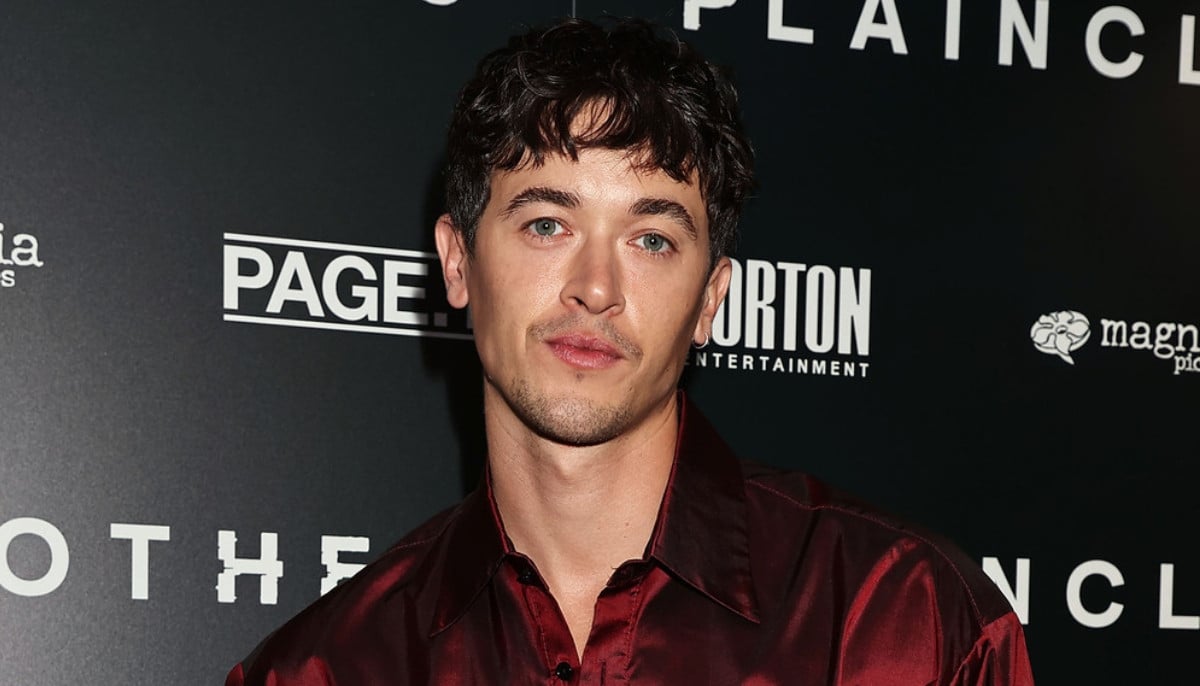
Photo: Tom Blyth shares his two cents on the importance of rom coms
Tom Blyth is glad he accepted his newest project, People We Meet on Vacation, which is now streaming on Netflix.
The Hunger Games star appears in the light-hearted romantic comedy as Alex, who forms an unlikely bond with Poppy, portrayed by Emily Bader.
The pair’s friendship slowly turns into something more as they navigate life and love together.
In a recent interview with Us Weekly, Blyth reflected on why he was drawn to a rom-com at this stage in his career, admitting that the genre feels especially relevant right now.
He shared that a classic romantic comedy is exactly what audiences need,and added that the shift also offered him a refreshing change of pace after more serious roles.
“I think we can take ourselves really seriously sometimes. And I certainly have been guilty of that at times,” Blyth told the outlet.
“And I think it’s really worthwhile to do something fun once in a while and remind yourself that what we do for a living is playful and fun and a luxury and to lean into that, and lean into the love.”
Thousands of nurses at some of New York City’s biggest hospitals could go on strike Monday during a severe flu season, three years after a similar walkout forced some of the same medical facilities to transfer some patients and divert ambulances.
The looming strike could impact operations at several of the city’s major private hospitals, including Mount Sinai in Manhattan, Montefiore Medical Center in the Bronx and NewYork-Presbyterian/Columbia University Irving Medical Center.
Nearly 15,000 nurses could walk off the job early Monday if a deal is not reached, amounting to the largest nurses strike in city history, according to Nancy Hagans, president of the New York State Nurses Association. As of Sunday morning, little progress had been made at the bargaining table, Hagans said. A vast majority of the union’s nurses voted to authorize the strike last month.
Like the 2023 labor fight, this year’s dispute involves a complicated array of issues, claims, counterclaims and hospital-by-hospital particulars. Once again, staffing levels are a major flashpoint: Nurses say the big-budget medical centers are refusing to commit to — or even backsliding on — provisions for manageable, safe workloads.
Safety concerns at issue
This time, the nurses’ union also wants guardrails on hospitals using artificial intelligence, plus more workplace security measures. A gunman strode into Mount Sinai in November, and a man with a sharp object barricaded himself in a Brooklyn hospital room this week; both men ultimately were killed by police.
The private, nonprofit hospitals involved in the current negotiations say they’ve made strides in staffing since 2023. Some of them suggest the union’s demands, taken as a whole, are far too expensive.
Scores of nurses rallied Friday in Manhattan, insisting their primary concern was proper caregiving and accusing the medical centers — whose top executives make millions of dollars a year — of greed and intransigence.
“My hospital tries to cut corners on staffing every day, and then they try to fight historic gains we made three years ago,” said Sophie Boland, a pediatric intensive care nurse in the NewYork-Presbyterian hospital system.
The hospitals, meanwhile, have called the union’s strike threat “reckless.” They vowed in a statement Thursday to “do whatever is necessary to minimize disruptions.”
Hagans, the union president, has also stressed that patients should not delay care during a potential strike.
Still, New York Gov. Kathy Hochul expressed concern that a strike could affect patient care, urging both sides on Friday “to stay at the table and get a deal done.”
Hospitals prepare for a walkout
Mount Sinai has hired over 1,000 temporary nurses and held preparatory drills for a strike that could affect its 1,100-bed main hospital and two affiliates — Mount Sinai Morningside and Mount Sinai West — with about 500 beds each.
NewYork-Presbyterian said it also had arranged for temporary nurses but, if the strike happens, some patients might be moved to new rooms or advised to transfer to another facility. Montefiore posted a message assuring patients that appointments would be kept.
A Mount Sinai Hospital Emergency Medical Service ambulance is a participating member of the FDNY 911 ambulances and can respond to similar emergencies as the Fire Department EMS.
Deb Cohn-Orbach | Getty Images
The same union mounted a three-day strike at the Mount Sinai flagship facility and Montefiore in 2023, when nurses emphasized their sacrifices during the exhausting, frightening height of the COVID-19 pandemic and the national nurse staffing crisis that followed.
The walkout prompted those hospitals to postpone non-emergency surgeries, tell many ambulances to go elsewhere and transfer some intensive-care infants and other patients. Temporary nurses and even administrators with clinical backgrounds were tapped to fill in, but some patients noticed longer waits and more sparsely staffed wards.
The strike ended with an agreement on raises totaling 19% over three years and staffing improvements, including the possibility of extra pay if nurses had to work short-handed.
Now, the union says, the hospitals are retreating from those guarantees and falling short on other promises.
Montefiore, for example, agreed to “make all reasonable efforts” to stop keeping some emergency room patients in hallways while they wait for space to open up in other wards. Yet three years later, nurses still scramble to treat “hallway patients,” Montefiore intensive care nurse Michelle Gonzalez said Friday.
Montefiore has suggested it’s made some progress: The hospital told elected officials in a letter in October that there has been a 35% reduction in the time it takes from emergency admission to a clinical unit bed.
Overall, the hospitals say they have greatly reduced nursing job vacancy rates in the last three years, and Mount Sinai and NewYork-Presbyterian/Columbia Irving University Medical Center say they also have added hundreds of nursing positions.
In recent days, several smaller hospitals — including multiple Northwell Health facilities on Long Island — averted potential walkouts by striking deals or making what the union viewed as adequate progress.