Home Blog Page 2932

What are GLP-3s? Meet the new generation of weight-loss drugs with three key ingredients

0
What are GLP-3s? Meet the new generation of weight-loss drugs with three key ingredients

NEWYou can now listen to Fox News articles!

GLP-1 has become a popular buzzword in the weight-loss community — but now some are touting “GLP-3s,” claiming they are taking obesity medications to the next level.

GLP-1 (glucagon-like peptide-1) medications work by mimicking a naturally occurring hormone in the body that helps regulate blood sugar and appetite.

The informal term “GLP-3” refers to a new triple-agonist drug that targets three hormones: GLP-1, GIP (glucose-dependent insulinotropic polypeptide, another naturally occurring hormone released by the gut after eating) and glucagon receptors. The most advanced example is retatrutide by Eli Lilly, according to clinical trial outcomes.

OBESITY EXPERT REVEALS THE BEST WAY TO DECIDE IF GLP-1S ARE RIGHT FOR YOU

The New England Journal of Medicine published results from a 2023 phase 2 retatrutide trial for obesity, revealing “substantial reductions in body weight” after 48 weeks of treatment.

A 12 mg once-weekly injection led to a 24.2% weight reduction, and participants continued to drop pounds after the 48-week trial period.

“GLP-3” dosages will most likely be once weekly, according to sources. (iStock)

Side effects are reportedly similar to GLP-1 medications, most commonly including gastrointestinal complications like nausea, vomiting and diarrhea. Heart rate increases were noted, depending on the dose.

How it’s different

Retatrutide mimics three natural hormones found in the body, compared to GLP-1s that simulate just one hormone, according to a report by GoodRx pharmacists.

GIP and GLP-1 hormones signal the pancreas to release insulin after eating, while slowing digestion to help initiate feelings of fullness.

NEW WEGOVY PILL OFFERS NEEDLE-FREE WEIGHT LOSS — BUT MAY NOT WORK FOR EVERYONE

These hormones target the area of the brain that regulates appetite and influences food cravings, the report noted.

The third hormone, glucagon, speeds up metabolism and helps the body break down fat cells for energy. That hormone also tells the liver to make new sugar, which is kept in check by GIP and GLP-1 activity, preventing blood sugar spikes.

man holds out jeans with thumb

Participants in the phase 3 trial saw an average weight loss of 71.8 pounds. (iStock)

“This added metabolism boost can add to and complement GIP’s and GLP-1’s actions. And that’s why it seems to provide significant weight loss,” the GoodRx website states. “If approved, retatrutide will be the first in a new class of medications.”

Eli Lilly announced results from its phase 3 trial TRIUMPH-4 in December, testing retatrutide’s effect on weight loss and other health conditions.

CLICK HERE FOR MORE HEALTH STORIES

Participants with obesity and knee arthritis who took a 12-mg dose of retatrutide saw an average weight loss of 71.8 lbs (28.7%) at 68 weeks.

The drug also reduced Western Ontario and McMaster Universities Osteoarthritis Index (WOMAC) pain scores by an average of 75.8%, marking “significant improvements” in comfort level and physical function, according to a press release.

CLICK HERE TO SIGN UP FOR OUR HEALTH NEWSLETTER

More than one in eight patients reported being “completely free” from knee pain at the end of the trial.

Seven additional phase 3 trials for retatrutide are expected to wrap up in 2026. The drug could see FDA approval in 2027, according to GoodRx.

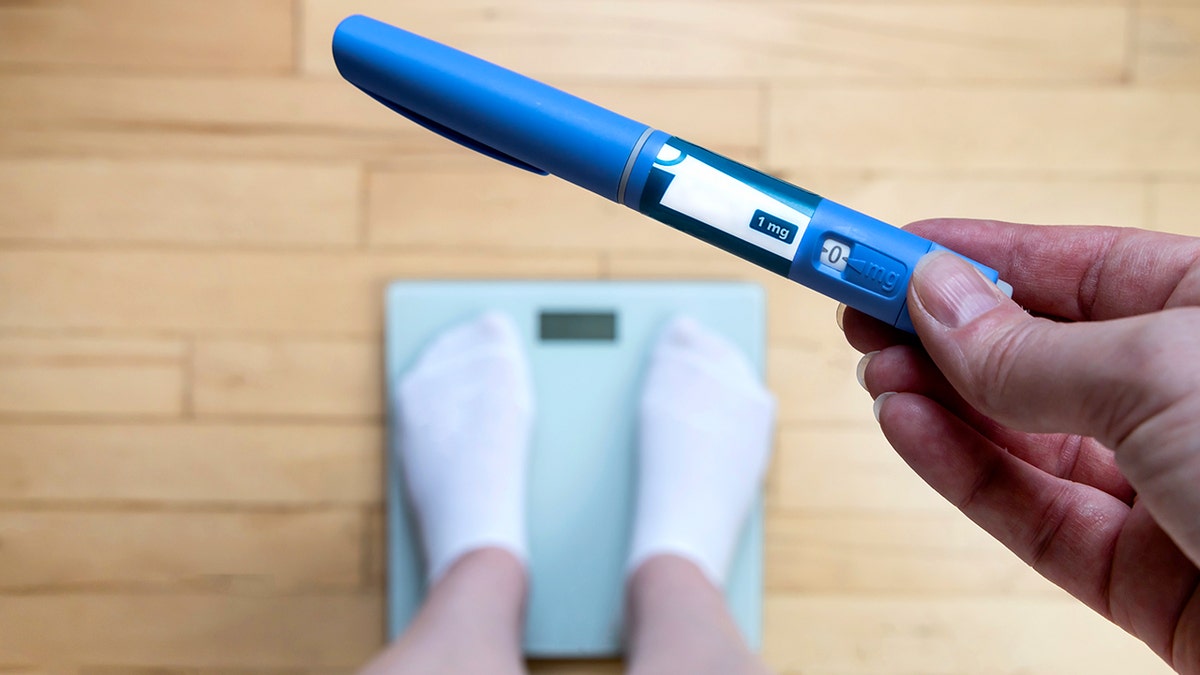
person stands on scale holding GLP1 injection

Retatrutide patients with knee osteoarthritis reported an improvement in pain after 68 weeks of taking the drug. (iStock)

“We are encouraged by the results of TRIUMPH-4, which highlight the powerful effect of retatrutide, a first-in-class triple agonist, on body weight, pain and physical function,” Kenneth Custer, Ph.D., executive vice president and president of Lilly Cardiometabolic Health, wrote in a statement.

CLICK HERE TO DOWNLOAD THE FOX NEWS APP

“With seven additional phase 3 readouts expected in 2026, we believe retatrutide could become an important option for patients with significant weight loss needs and certain complications, including knee osteoarthritis.”

Despite limited data availability on the drug, the medication could also be applied to treat other conditions like type 2 diabetes, kidney disease, cardiovascular risk reduction and metabolic dysfunction, according to GoodRx and other experts.

Fox News senior medical analyst Dr. Marc Siegel noted that Lilly’s Zepbound and Mounjaro already target two metabolic pathways — GLP-1 and GIP — which work together to promote weight loss, reduce hunger and inflammation, improve insulin function and slow digestion.

The doctor confirmed that the new drug, with its third receptor agonist, will further decrease hunger while increasing the feeling of fullness.

TEST YOURSELF WITH OUR LATEST LIFESTYLE QUIZ

“The weight loss in clinical trials is even more substantial, and the most likely reason that it decreases orthopedic problems is because of the weight loss — less stress on the joints and the decreased inflammation,” Siegel added.

The most common side effect of GLP-3s is gastrointestinal symptoms, the doctor confirmed. Rarer side effects may include pancreatitis, gallstones and heart arrhythmia.

Access Denied

0
Access Denied


Access Denied

You don’t have permission to access “http://food.ndtv.com/food-drinks/5-secrets-to-perfecting-a-mushroom-omelette-at-home-10730891” on this server.

Reference #18.34e41602.1768271853.97d906

https://errors.edgesuite.net/18.34e41602.1768271853.97d906

The signs you’re not drinking enough water – and how to up your intake

0
The signs you’re not drinking enough water – and how to up your intake

As the colder months draw in, many of us instinctively bundle up, turn up the heating, and opt for comforting hot drinks rather than reaching for a glass of water.

However, it remains crucial to remember that your body still requires consistent hydration to function at its peak, and it possesses subtle ways of signalling when it’s running low.

This winter, pay attention to these six potential signs that your system is craving more H2O.

1. Dry mouth

“The most obvious sign of dehydration is thirst which is often accompanied by a dry mouth, lips or tongue,” highlights Michael Zemenides, co-founding GP of A-Z General Practice at The Wellington Hospital, part of HCA Healthcare UK.

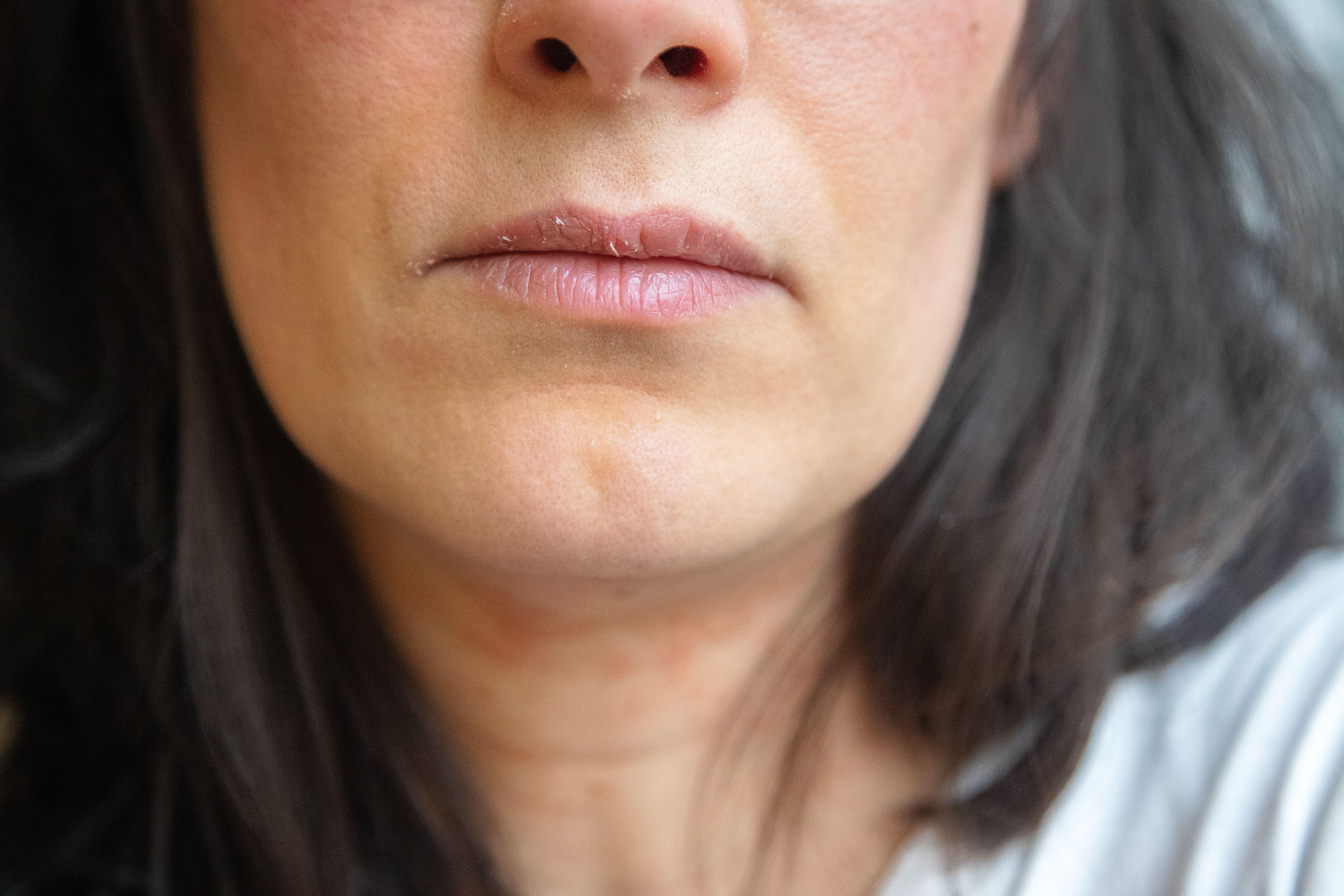
Dry mouth, lips and tongue are a sign of dehydration

Dry mouth, lips and tongue are a sign of dehydration (Alamy/PA)

2. Dark urine

“A dark yellow or strong smelling urine is another indicator which usually means that the patient is peeing less often than usual,” notes Zemenides.

3. Dizziness

“Dehydration can cause nausea, dizziness and lightheadedness,” says Zemenides. “If you’re dehydrated, your blood pressure will drop and that can affect your sensation of dizziness. Also, in extreme cases, dehydration can lead to confusion which will make you feel even more dizzy and unsteady on your feet.”

4. Headaches

“If you’re dehydrated, you’ve got less water in your circulation system going around your body which means there’s less fluid around the brain itself, and that can impede how it functions and cause headaches,” explains the GP.

5. Fatigue

“If you don’t drink enough water you might begin to notice that your energy levels are affected and that you feel fatigued and tired,” says Zemenides. “It can also impact your concentration and how sharp you are feeling.”

6. Constipation

Water is quite key in how you’re digesting things and the actual process of moving things through the bowel itself,” says Zemenides. “So, if everything’s quite lubricated and moving smoothly, then you’re less likely to get constipated.”

How much water should you drink every day?

“The government has quite simplified guidelines in The Eatwell Guide, which recommends about six to eight cups or glasses of fluid per day, assuming that you’re getting about 20 per cent of your intake from eating food,” says Zemenides.

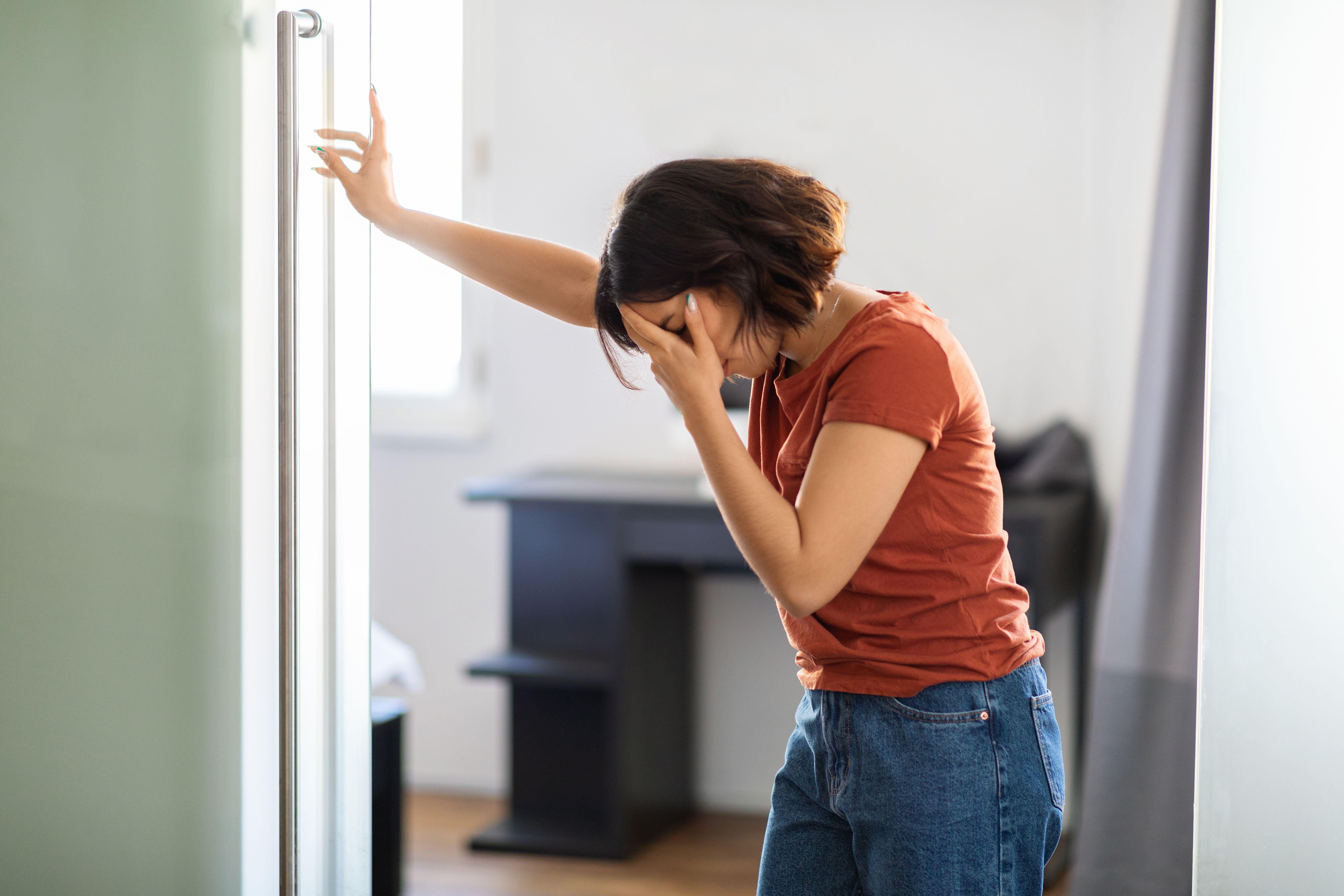
Dizziness and headaches are also signs you’re not taking on enough water

Dizziness and headaches are also signs you’re not taking on enough water (Alamy/PA)

“However, this water intake requirement will increase with things like exercises, if you’re in a hot environment or if you’re ill, for example.”

Why is staying hydrated so important? What issues can dehydration lead to?

“Water is essential for human life and is involved in every biochemical reaction in the body,” highlights Zemenides. “It plays a pivotal role in regulating our temperature, maintaining our blood pressure, helps supports your kidney function and helps aid digestion.”

Therefore, being dehydrated can have a big impact on your body.

“Dehydration can become more serious overtime and can increase your risk of urinary tract infections and kidney problems, and lead to confusion which can result in an increased number of falls,” warns Zemenides. “In severe cases, you can experience a rapid heart rate, breathing difficulties or even collapse.”

When should you seek medical advice about this?

“If you’ve got dark urine, you can probably manage that yourself. However, if you’re experiencing those later, and more serious, symptoms, like palpitations, that sensation where you’re feeling unsteady on your feet, headaches or you’re just feeling unwell, then you should be seeking advice from your GP,” advises Zemenides.

Tips on how to increase your water intake this winter…

“Drinking a full glass of water is a good way to start the day,” says Zemenides.

He also recommends small, regular sips throughout the day.

“Often people wait until they feel thirsty before having a drink, but I would recommend drinking little and often, whether you feel thirsty or not,” advises Zemenides. “Having a refillable bottle nearby at all times can help with this.”

Oral rehydration solution can also help treat dehydration caused by diarrhoea and vomiting.

“You can get oral rehydration solutions over the counter in a pharmacy which can help replace lost foods and electrolytes,” says Zemenides.

In addition, the GP also highlights how a significant portion of our daily fluid intake comes not just from drinks, but also from the food we eat, which helps considerably with overall hydration.

“Think about those water-rich foods, like fruits or vegetables and soups to keep some variety,” says Zemenides.

Supreme Court transgender athlete cases FAQ: What to expect

0
Supreme Court transgender athlete cases FAQ: What to expect

The U.S. Supreme Court will hear oral arguments in two cases pertaining to transgender athletes on Tuesday: Little v. Hecox and West Virginia v. B.P.J. The cases bring the national debate over whether transgender girls and women should be eligible to compete in girls’ and women’s sports to the country’s highest court.

Little v. Hecox is a dispute over the first state law, Idaho’s HB 500, that barred transgender girls and women from girls’ and women’s school and college sports. Gov. Brad Little signed the bill into law in March 2020, and Lindsay Hecox, a transgender woman, challenged it weeks later because she wanted to try out for Boise State’s women’s track and cross country teams. A U.S. district court in Idaho granted Hecox an injunction, and she tried out for the Broncos’ cross country team, but she did not make it. Hecox instead participated in women’s club soccer and running, which are also affected by HB 500. After a series of appeals by the state, the Supreme Court agreed last July to hear the case. Hecox’s attorneys argue, in part, that the Idaho law violates the equal protection clause of the 14th Amendment to the Constitution.

Similarly, West Virginia v. B.P.J. puts West Virginia’s HB 3293, one of 27 state laws that restrict transgender girls and women from sports, in front of the Supreme Court. Becky Pepper-Jackson, a 15-year-old transgender girl, was entering middle school when the law passed in April 2021. Pepper-Jackson wanted to compete on her school’s sports teams, but her school principal told the family the state law prevented her participation. Pepper-Jackson and her family challenged West Virginia’s law the summer before she began middle school, and she has since been allowed to participate in cross country and track and field. Pepper-Jackson’s attorneys argue, in part, that her right to compete on the girls’ teams is guaranteed by Title IX because her gender identity matches the category and she has undergone an estrogen-driven puberty. West Virginia argues, in part, that her participation on girls’ teams violates Title IX because her birth sex is not female. Last July, the Supreme Court agreed to hear the case.

The athletes will not testify during Tuesday’s oral arguments. Their lawyers will present their cases to the court on their behalf. Likewise, attorneys for Little and West Virginia will represent their side of the debate.

Here’s what you need to know about the cases before the Supreme Court hears oral arguments.

What’s at stake?

In simple terms: The future of transgender girls and women in girls’ and women’s sports.

Since Idaho passed HB 500, 26 other states have passed laws restricting access to girls’ and women’s sports for transgender students in schools and universities that receive public funds. In the past few years, a number of international federations have enacted similarly restrictive policies: World Aquatics (swimming, diving and water polo) allows only transgender women who never experienced testosterone-driven puberty to compete in the women’s category at elite events such as the world championships, and World Athletics (track and field and road running) bans all transgender women in the women’s category.

In the United States, President Donald Trump signed an executive order on Feb. 5, 2025, that said schools and states that allow transgender girls and women to participate in girls’ and women’s school sports are in violation of Title IX and risk federal funding. That led the NCAA to change its policy to align with the executive order. Additionally, United States Olympic and Paralympic Committee CEO Sarah Hirshland and president and chair Gene Sykes directed national governing bodies to update their transgender policies to “comply with federal expectations.” Many organizations under the USOPC have implemented new policies, and some impact youth sports opportunities.

When and how did the legal landscape change regarding transgender athlete participation?

Idaho state legislator Barbara Ehardt said she was inspired to write HB 500 after two transgender athletes won high school track and field state titles in Connecticut in 2018.

“It’s not just a bill that I sponsored, the entire idea was mine, and that’s why it took two years to finally come to pass,” Ehardt said. “And then each year to see so many states take it up and pass it … it has been a unique experience, and it’s been an incredibly gratifying one.”

Since HB 500 was signed into law in 2020, the debate over transgender participation made national news after former Penn student-athlete Lia Thomas, a transgender woman, won an NCAA Division I swimming national championship in 2022. The issue returned to the headlines after Blaire Fleming, also a transgender woman, played on San Jose State’s women’s volleyball team. Multiple teams in the Mountain West Conference chose to forfeit rather than play against SJSU in 2024, and SJSU captain Brooke Slusser joined a lawsuit against the NCAA, arguing that Fleming’s participation on the SJSU volleyball team posed a safety risk and violated Title IX.

What do the Idaho and West Virginia laws say about sports participation for transgender students?

Idaho’s HB 500 and West Virginia’s HB 3293 are not identical, but they do similar things. Both laws identify “interscholastic, intercollegiate, intramural, or club athletic teams” as the range of activities to which the restrictions for transgender athletes apply. Both laws establish three categories for sports: female, male and co-ed, and both laws restrict access to the female category by closing it to students defined as male. HB 3293 (West Virginia) defines biological sex as determined by an “individual’s reproductive biology and genetics at birth.” HB 500 (Idaho) does not formally define biological sex but says in the case of a dispute, a student can establish biological sex through physical exam and statement from their healthcare provider that bases their findings on at least one of these factors: “the student’s reproductive anatomy, genetic makeup, or normal endogenously produced testosterone levels.”

Why is the Supreme Court hearing two cases?

It’s not uncommon for the court to hear multiple cases that present similar, if not the same, legal questions, especially on a controversial or large issue.

“There are many other examples of when a big issue is up at the court, they will take two cases,” said ACLU senior counsel Joshua Block, who will present oral arguments for B.P.J. at the Supreme Court. “Another reason to do that is if they’re worried about a jurisdictional problem coming up in one of the cases that they have another one to go to.”

One possible issue that could arise on Tuesday is that Hecox asked the Supreme Court not to decide her case at all. She is no longer participating in sports in Idaho and therefore contends her case is “moot.” Idaho contends the case is not moot because the state and Boise State University still have an interest in enforcing HB 500.

Which federal laws and constitutional questions will be in play?

The primary questions are about Title IX and the equal protection clause of the 14th Amendment to the Constitution.

What is Title IX and how does it apply to transgender people?

Title IX was passed by Congress in 1972 and bars sex-based discrimination in schools receiving federal funds, including in school-sponsored programs and activities. It is largely credited with creating and expanding girls’ and women’s sports programs, but it applies to schools broadly. The law is 37 words, but in 1975, Congress approved regulations for Title IX’s application. Enforcement power belongs to the Department of Education.

Title IX does not say anything about transgender students or transgender athletes. But in May 2016, the Obama administration issued guidance stating Title IX applied to transgender students and that to be compliant with the law, transgender students should be allowed to access bathrooms, locker rooms and sports teams in accordance with their gender identities. This guidance never fully went into effect because multiple state governments sued the Obama administration. The first Trump administration rescinded that guidance, and then the Biden administration moved to expand transgender students’ rights, but the policy got tied up in court. The second Trump administration has issued multiple executive orders that roll back governmental recognition of transgender people in sports and beyond.

The Supreme Court has not ruled on the question of how Title IX applies to transgender students. But in June of 2021, the court declined to hear the case of Gavin Grimm, a transgender boy and student at Gloucester High School in Virginia. Grimm sued his school system because he was not allowed to continue to use the boys’ bathroom after school officials originally allowed him to do so. The Fourth Circuit, the same circuit that heard Pepper-Jackson’s case, ruled in Grimm’s favor twice. In declining to hear the case, the Supreme Court allowed the Fourth Circuit’s ruling to stand.

B.P.J. also argues that Title IX protects transgender students, though the case focuses on sports and not bathrooms. B.P.J. argues that West Virginia’s law violates Title IX because the law is a categorical ban that unfairly prohibits transgender girls and women who don’t have the physiological advantages associated with testosterone-driven puberty to be eligible for girls’ and women’s sports.

West Virginia counters with the argument that Title IX was enacted to provide equal opportunities and ensure fair competition for girls and women, as determined by birth sex, and gender identity should have nothing to do with it.

What is the equal protection clause and how does it apply to transgender people?

The equal protection clause — part of the 14th Amendment of the Constitution, ratified in 1868 — prohibits states from creating laws that violate the “privileges or immunities of citizens of the United States” and also cannot deny someone the “equal protection of the laws.”

Hecox argues that HB 500 violates the equal protection clause because the Idaho law rests “on overbroad generalizations about the sexes.”

Idaho rejects that argument. “Nothing in the Equal Protection Clause requires Idaho to treat males who identify as women as if they were female, in sports or elsewhere,” the state argues.

Additionally, Hecox argues that the Supreme Court needs to apply heightened scrutiny to HB 500 because it discriminates against a group of people. Heightened scrutiny requires states to prove that the government has a “substantial and clearly related interest” in creating a law that discriminates. Heightened scrutiny is a higher bar for states to clear.

Idaho argues against heightened scrutiny because “a sex classification does not become a transgender-status classification simply by failing to make exceptions based on gender identity.”

The Supreme Court recently rejected heightened scrutiny in a different case involving transgender youth. The court allowed a Tennessee law barring access to gender-affirming care for minors to stand in its June 2025 ruling in United States v. Skrmetti. In that case, the court rejected the argument that the law should be subjected to heightened scrutiny, ruling that it did not “classify on any bases that warrant heightened review.” Although those challenging laws barring access to gender-affirming care for minors argued that they discriminated against transgender people, the Supreme Court held that the laws regulated age and medical purpose, and therefore did not require heightened scrutiny. The impact of the decision was the court sidestepped one of the central tensions in both Little v. Hecox and West Virginia v. B.P.J.: Is transgender identity a classification protected by the equal protection clause?

What cases provide context and insight into how the Supreme Court will consider the arguments?

Bostock v. Clayton County, Georgia (2020) is frequently cited in the transgender athlete debate. In that case, the court ruled, in a 6-3 vote, that employers who fire employees for being gay or bisexual or transgender violate Title VII — part of the Civil Rights Act of 1964 that applies to employment discrimination — because doing so constitutes sex-based discrimination. That ruling generated questions about protections for LGBTQ+ individuals under Title IX.

Justice Neil Gorsuch addressed those concerns in the majority opinion. “The employers worry that our decision will sweep beyond Title VII to other federal or state laws that prohibit sex discrimination,” Gorsuch wrote. “But none of these other laws are before us; we have not had the benefit of adversarial testing about the meaning of their terms, and we do not prejudge any such question today.”

In other words, the Bostock ruling does not automatically apply to Title IX, even though both laws bar sex-based discrimination.

But in his dissent, Justice Samuel Alito specifically pointed to transgender athletes as a concern. “The effect of the Court’s reasoning may be to force young women to compete against students who have a very significant biological advantage,” Alito wrote, “including students who have the size and strength of a male but identify as female and students who are taking male hormones in order to transition from female to male.”

Since Bostock, the composition of the court has changed, and it’s unclear how relevant that vote will be to these proceedings. Skrmetti, which was a 6-3 decision by the current justices, allowed a gender-affirming health care ban for minors to stand.

Do the cases apply beyond sports?

Both proponents and opponents of restrictions on transgender women and girls in sports see the legislation as a gateway to legislation and policy affecting transgender people in other areas of life.

Ehardt, who sponsored Idaho’s HB 500, also was the floor sponsor for a bill during Idaho’s 2025 legislative session that limits access to single-sex facilities such as bathrooms, locker rooms, prisons and residence halls at public universities to those who are assigned that sex at birth. Gov. Little signed Ehardt’s bill into law on April 1.

“I also knew, and said so at the time, that it would be the sports issue that would open it up for all the other issues,” Ehardt said.

The American Civil Liberties Union, which represents both Hecox and Pepper-Jackson, sees that connection as well. The organization has been involved in multiple legal challenges to laws affecting transgender athletes and young people.

“Idaho wants to use this case as a jumping-off point for establishing a really broad principle that the government can discriminate against transgender people in all contexts,” Block said. “And that it should be treated as presumptively constitutional.”

How can the public follow the Supreme Court arguments?

Supreme Court arguments are not streamed or broadcast on TV. The Supreme Court website provides live audio starting at 10 a.m. ET and releases transcripts at the end of the day. The court will hear Little v. Hecox in the morning session. West Virginia v. B.P.J. is scheduled to begin at 1 p.m. ESPN will provide live updates from inside and outside the Supreme Court throughout the day,

What happens next?

After the cases are argued, the court will deliberate and publish an opinion, or opinions. The possible outcomes range from procedural dismissals, to narrow rulings, to landscape-altering orders. The decision’s timing is unknown. Opinions are generally published during non-argument sessions. According to the Supreme Court’s public calendar, the first non-argument session after oral arguments will be Feb. 20. There is one non-argument session in March, another in April, three in May and four in June. This is subject to change as the term continues, and more opinion days could be added.


Nurses strike begins in New York City as thousands walk off jobs at major hospitals

0
Nurses strike begins in New York City as thousands walk off jobs at major hospitals

The largest nurses strike in New York City history has started after negotiators for five major hospitals and the state nurses union failed to agree to a new contract. 

Nearly 15,000 nurses are walking off their job Monday at five privately-run hospitals: Mount Sinai Hospital, Mount Sinai Morningside, Mount Sinai West, Montifiore Einstein and NewYork-Presbyterian. 

The New York State Nurses Association said nurses at Mount Sinai started the strike at 6 a.m., while nurses at the remaining hospitals were slated to begin at 7 a.m.

NYSNA said it will provide an update during a 10 a.m. news conference. 

Gov. Kathy Hochul declared a state of emergency in anticipation of a strike amid worries it could jeopardize critical care for thousands of patients. 

What’s holding up negotiations

Both sides bargained throughout the weekend, but were unable to make a deal.

NYSNA has accused Montefiore, Mount Sinai and NewYork-Presbyterian of putting profits over safe patient care.

The union said the wealthiest hospital systems in the city are refusing to compromise on issues like pay raises, safe staffing levels, full health care coverage, pensions and workplace protections against violence.

“Instead of guaranteeing health care for nurses, these wealthy hospitals are pushing to cut health benefits for nurses who put their own health on the line to care for New Yorkers,” Nancy Hagans, president of NYSNA, said on Saturday.   

The hospitals, in a joint statement, called the strike “reckless” and accused the nurses of abandoning patients. 

“NYSNA leadership has chosen to abandon patients in their time of need, but Montefiore Medical Center, Mount Sinai, and NewYork-Presbyterian will not. Their decision to walk out on our patients can only be described as reckless,” the hospitals said.

Some hospitals in the area were able to reach a deal with NYSNA, including all of Northwell Health facilities in Nassau County, while others previously pulled back their strike notices.   

What the strike means for patients

Hospital officials said no one should delay treatment or put off appointments during the New York City nurses strike, but patients should be alert for any direct updates from their health care providers. 

NYSNA also said patients should continue to seek care, with leaders at a news conference Sunday saying going to get care is not crossing a strike line. 

Gov. Hochul last week signed executive orders to ensure the State Department of Health has staff at the impacted hospitals for the duration of the strike, ensuring patient safety and continuity of care. 

The bottom line for patients is that the hospitals will remain open and care will continue during the strike. 

Mamdani on nurses strike

New York City Mayor Zohran Mamdani acknowledged the impending strike Sunday night in a post on X. It read:

The safety and wellbeing of this city is my top priority and ensuring New Yorkers have the care they need is critical, especially during flu season.

The city’s Emergency Management team, FDNY, health department, public hospital system, and my senior leadership team are in constant communication and closely monitoring the situation. We are prepared for any and all scenarios, including a strike.

No New Yorker should have to fear losing access to health care — and no nurse should be asked to accept less pay, fewer benefits or less dignity for doing lifesaving work. Our nurses kept this city alive through its hardest moments. Their value is not negotiable.

I’m relieved that most hospitals have reached an agreement and urge the remaining parties to stay at the table and reach a deal that both honors our nurses and keeps our hospitals open.  

How The ‘World’s Cheapest Car’ Nano Disappeared From Indian Market?

0
How The ‘World’s Cheapest Car’ Nano Disappeared From Indian Market?

The Tata Nano was once called the world’s cheapest car and symbolised Ratan Tata’s dream of making car ownership affordable for Indian families. Launched with great vision, the Nano promised safe and low-cost mobility. However, within a decade, it quietly vanished from Indian roads.

Ratan Tata envisioned the Nano after seeing families of four riding on two-wheelers in unsafe conditions. The goal was to offer a four-wheeler alternative at an affordable price. When it was unveiled in 2008, the Nano was priced at around Rs 1 lakh, creating global headlines and massive public interest.

Early Challenges and Safety Concerns

Add Zee News as a Preferred Source


Despite the hype, the Nano faced problems soon after launch. Reports of cars catching fire damaged its image badly. Although Tata Motors clarified that the incidents were rare and took corrective steps, safety concerns remained in the public’s mind. For first-time car buyers, trust and safety were critical, and the Nano struggled to regain confidence.

(Also Read: Why Diesel Engine Cars Give Better Mileage Than Petrol Cars?)

‘Cheapest Car’ Tag Backfired

While affordability was meant to be the Nano’s biggest strength, it became its biggest weakness. Many buyers began to see the Nano as a “poor man’s car.” In a market like India, where cars are often seen as status symbols, customers preferred slightly costlier models that offered a better image, features, and resale value.

Rising Costs and Changing Market Trends

Over time, production costs increased due to inflation, safety norms, and regulatory changes. This pushed up the Nano’s price, reducing its original advantage. At the same time, customers started preferring compact cars with better design, mileage, and features.

Low Sales

Sales of the Nano continued to decline year after year. By 2018, production had almost stopped due to extremely low demand. Tata Motors officially ended Nano production, citing low demand among buyers.

Although it failed commercially, the Tata Nano was a notable project of Ratan Tata directed towards middle-class society in India.

Why Taylor Swift docuseries, Travis Kelce podcast not nominated for a Golden Globe 2026

0
Why Taylor Swift docuseries, Travis Kelce podcast not nominated for a Golden Globe 2026

Thousands of Taylor Swift fans were observed wondering whether she was at Golden Globes 2026 after pictures and videos of celebrities from the red carpet staring surfacing online.

However, after the ceremony US media confirmed that Taylor Swift and her fiancé Travis Kelce were not at the event.

Some fans were seen wondering whether the singer somehow got nominated for a Golden Globe.

But an entertainment website reported that the couple did not attend the awards ceremony because they had no pressing reason to attend it.

“They are not presenting and don’t have projects nominated. Swift, who has been up for Best Original Song – Motion Picture four times in the past, hasn’t written any music for a film soundtrack in 2025,” according to Elle.com.

The outlet wrote that Taylor Swift sparked rumors that she’s been in Los Angeles this weekend after multiple stars were photographed leaving the Bird Streets Club on Friday night carrying sourdough loaves with labels that appeared to be in Swift’s handwriting. 

But at Sunday’s Golden Globes, neither the singer nor her fiancé, Travis Kelce, was spotted on the red carpet.

Elle reported that while Kelce did have a project eligible—his podcast New Heights in the Best Podcast category—it wasn’t nominated. 

Writing about the reason, it said that  the Golden Globes discontinued its Best Documentary award after 1977, and Swift’s December docuseries The End of an Era was released too recently to be eligible for the 2026 awards shows.

This rare Himalayan flower is said to bring good luck — How to grow sacred Brahma Kamal at home? – The Times of India

0
This rare Himalayan flower is said to bring good luck — How to grow sacred Brahma Kamal at home? - The Times of India

The Brahma Kamal (Saussurea obvallata) is one of the most sacred flowers that grows in the Himalayan regions. This particular flower holds a unique spot in Indian culture and spirituality and also horticulture. The flower is rare and revered across the Himalayan belt and beyond. It is because the flower is considered a divine symbol which blooms only at night and smells like heaven! Adventure seekers from far and beyond travel to Valley of Flowers in Uttarakhand to see these floral beauties bloom. It is believed that watching a Brahma Kamal bloom brings luck and blessings. But the thing is, it’s not possible for everyone to travel to the high altitude regions to witness these. So the question is, can you actually grow this sacred plant at home? And if so, what are the benefits of doing so? The answer is yes, you can. But you need to take some precautions and create ideal conditions for Brahma Kamal to bloom.What is Brahma Kamal

Brahma Kamal

Canva

For those who don’t know, the Brahma Kamal is a flowering herb native to the Himalayas. It can be found in India, Nepal, Bhutan, and southwest China and grows at high altitudes. The flower is known for its resistance and can thrive in thin air and cool temperatures. The cup-shaped flowers are often concealed within protective bracts. These blossoms open at night and wither by morning. That’s why it’s considered rare. It is also the ‘State Flower of Uttarakhand’ and can be spotted on Indian postal stamps.Understanding why it’s rare and spiritual significance

Brahma Kamal

Canva

As per Hindu mythology, the Brahma Kamal is sacred and is closely related to the Lord of Creation, Brahma. As far as Vastu Shastra is concerned, the plant is considered auspicious. It is said that placing the Brahma Kamal in specific areas of the home, such as the centre (Brahmasthan) or the northeast direction (Ishan Kona), attracts prosperity, fortune and harmony.Can you grow Brahma Kamal at homeYes, you can under the correct environment. You’ll have to understand that Brahma Kamal is not an easy plant to grow indoors unlike other indoor plants. The plant thrives in specific high-altitude Himalayan regions only, and creating a similar condition at home, especially in flats is a challenging task. But, with patience and the right environment, you can grow this sacred plant at home and enjoy its beauty. Let’s see how you can achieve this:TemperatureThe Brahma Kamal plant thrives in high altitude and low temperatures. It will not do well in hot and humid conditions.While growing at home, you can place the plant in air-conditioned spaces or cool shaded areas.Soil To grow Brahma Kamal, you need a well-draining soil mix. It is important to prevent root rot.It should be a perfect combination of sand, soil and cocopeat.Remember, the plant cannot bear standing water for long so high drainage is important.Light requirement

Brahma Kamal

Canva

The plant prefers bright but indirect light. Direct midday sunlight can wither the leaves and turn them yellow. So avoid.Watering requirementThe plant needs moderate watering. Only water when the soil is completely dry. At all costs, avoid overwatering.Propagation You can propagate from leaf cuttings which is a preferred home gardening method because growing from seed is slow.Let the cut end callus for a couple of days. Then prepare a soil mix and plant. You need to place the pot where it receives indirect light.Challenges you can faceIt is a challenging task as the growth rate of Brahma Kamal is not rapid. Blooms may take years.What’s important is temperature control. Keep it consistently under cool conditions.Frequent repotting and poor watering habits can disrupt growth.Benefits of growing Brahma Kamal at homeBrahma Kamal at home brings a sense of peace and promotes emotional calm. As per Vastu expert Surya Tamang from Dehradun, the plant is said to help cleanse the home’s energy and promotes positive feelings and optimism, among others.Mythic allure

Brahma Kamal

Canva

What truly sets the Brahma Kamal apart from more common garden plants is its rarity. It grows in the wild and seeing it in bloom is a special event. The flowers often open only at night and that too for only a few hours. For many, to witness its bloom is a blessing and brings luck.So now that you know that the Brahma Kamal plant can be grown in your balcony (under the right conditions) — you can also grow it at home). Just understand that it demands patience, careful attention and proper environment. The reward is both spiritually and mentally fulfilling.

As Trump urges deal, Cuban president warns that the country will defend itself ‘to the last drop of blood’

0
As Trump urges deal, Cuban president warns that the country will defend itself 'to the last drop of blood'

NEWYou can now listen to Fox News articles!

Cuban President Miguel Díaz-Canel Bermúdez declared Sunday that the island nation would defend itself “to the last drop of blood,” responding to pressure from U.S. President Donald Trump to strike a deal with Washington. 

President Trump had spoken about Cuba in a Truth Social post earlier in the day, urging that “they make a deal, BEFORE IT IS TOO LATE.”

“Those who blame the Revolution for the severe economic shortages we suffer should hold their tongues out of shame. Because they know it and acknowledge it: they are the fruit of the draconian measures of extreme strangulation that the U.S. has been applying to us for six decades and now threatens to surpass,” the Cuban wrote on X, according to a translation of the Spanish-language post

“#Cuba is a free, independent, and sovereign nation. No one dictates what we do. Cuba does not aggress; it is aggressed upon by the United States for 66 years, and it does not threaten; it prepares, ready to defend the Homeland to the last drop of blood,” he wrote in another post, according to the translation.

CUBA IDENTIFIES 32 MILITARY PERSONNEL KILLED IN US OPERATION AGAINST MADURO REGIME IN VENEZUELA

Cuba’s President Miguel Diaz-Canel gestures during the BRICS summit second plenary session in Rio de Janeiro, Brazil, on July 6, 2025. (PABLO PORCIUNCULA/AFP via Getty Images)

U.S. Rep. Carlos Gimenez, R-Fla., who was born in Cuba, responded to the foreign figure’s post.

“You dictators, henchmen, and executioners of the Cuban nation think you own the island. You don’t have much time left,” he declared, according to the translation of his post, also written in Spanish.

CUBAN-BORN GOP LAWMAKER WARNS VENEZUELA ELECTIONS MUST HAPPEN IN ‘MONTHS,’ NOT ‘YEARS’ AFTER MADURO DOWNFALL

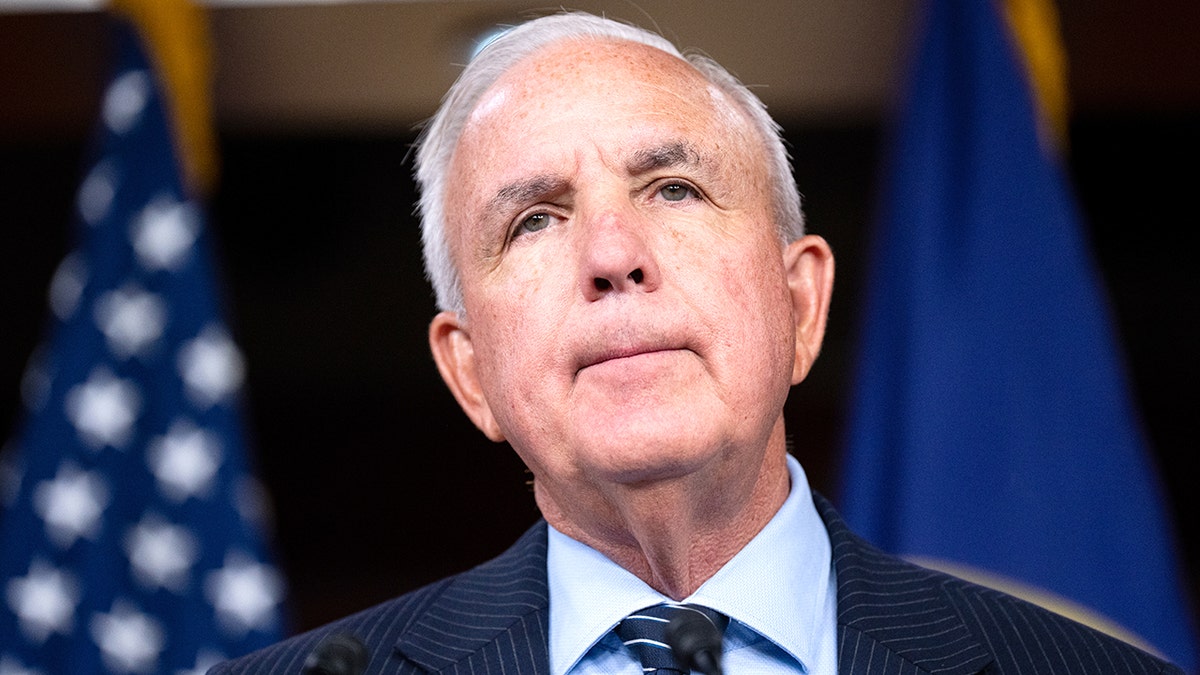
Rep. Carlos Gimenez

Rep. Carlos Gimenez, R-Fla, speaks during the Congressional Hispanic Conference press conference in the U.S. Capitol on Tuesday, March 25, 2025. (Bill Clark/CQ-Roll Call, Inc via Getty Images)

Trump declared in a Truth Social post on Sunday, “Cuba lived, for many years, on large amounts of OIL and MONEY from Venezuela. In return, Cuba provided ‘Security Services’ for the last two Venezuelan dictators, BUT NOT ANYMORE! Most of those Cubans are DEAD from last weeks U.S.A. attack, and Venezuela doesn’t need protection anymore from the thugs and extortionists who held them hostage for so many years.

“Venezuela now has the United States of America, the most powerful military in the World (by far!), to protect them, and protect them we will. THERE WILL BE NO MORE OIL OR MONEY GOING TO CUBA – ZERO! I strongly suggest they make a deal, BEFORE IT IS TOO LATE,” he warned.

TRUMP ULTIMATUM TO CUBA: ‘MAKE A DEAL, BEFORE IT IS TOO LATE’ OR FACE CONSEQUENCES

CLICK HERE TO GET THE FOX NEWS APP

Rep. Gimenez thanked the president.

“I was born in Cuba & forced from home shortly after the Communist takeover. Today, I represent my community in Congress. Thank you, President Trump, first Venezuela & next is Cuba. We will be forever grateful. Our hemisphere must be the hemisphere of liberty,” the lawmaker wrote in a post on X.

Seth Rogen makes major announcement about ‘The Studio’ after Globes win

0
Seth Rogen makes major announcement about 'The Studio' after Globes win

Seth Rogen makes major ‘The Studio’ announcement after Globes win

Seth Rogen nabbed the Golden Globe for Best Actor – Musical or Comedy during the ceremony held on Sunday, January 11.

Backstage, The Studio star told press that the show is all set to return for a second season, which begins filming next week.

“We’ve literally written some things that happened leading up to this award show into episodes as we’ve been writing the show. We start shooting in a week,” he revealed.

“So yes, several things have happened, both today and leading up to this event that we have written directly into the show, and you’ll probably know what they are when you see them,” the actor and comedian further shared.

While spilling the beans about which celebrity cameos fans can expect from the meta-comedy’s next release, the newly minted Best Actor Gold Globe winner added that he was approached by “a lot of people” at the latest ceremony, expressing the urge to appear in the series.

“A lot of people literally just came up to us and were like, ‘Put me on your show. I’ll do anything. I’ll walk by!’” he claimed.

While mentioning Sony Pictures Motion Picture Group’s CEO Tom Rothman, the 43-year-old series creator revealed that “real studio heads” are also among those who “want to be on the show.”

The Studio, created by and starring Rogen, won two Golden Globe awards in total. The series took home Best Television Series — Musical or Comedy alongside Rogen’s win.