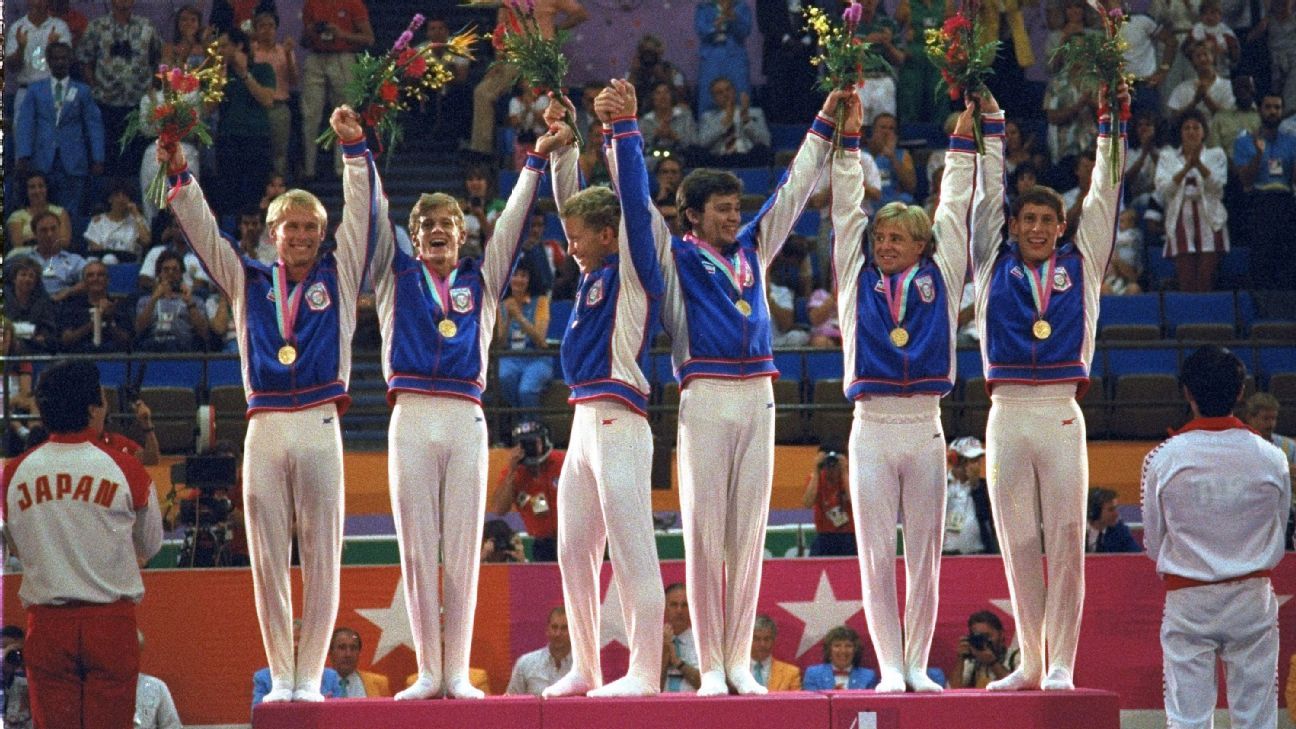
LINCOLN, Neb. — Jim Hartung, a two-time Olympian who helped lead the 1984 U.S. team to its first and only gold medal in men’s gymnastics, has died. He was 65.
The University of Nebraska announced Hartung died Saturday night. He had been a Cornhuskers assistant coach for 19 years. No cause of death was given.
“Our condolences go out to Jim’s family, friends, and everyone he has impacted during his remarkable life in gymnastics from a national champion athlete at Nebraska to an Olympic gold medalist to a successful coach,” the athletic department said in a statement. “Jim is a true Husker legend and his impact on the sport of gymnastics will carry on for decades to come. Our department will provide all available resources and support for our men’s gymnastics student-athletes and coaching staff during this very difficult time.”
Hartung was a member of the 1980 Olympic team but did not compete because of the U.S. boycott of the Moscow Games. In 1984 in Los Angeles he teamed with Bart Conner, Tim Daggett, Mitch Gaylord, Scott Johnson and Peter Vidmar to win the team gold and he also made the individual finals on the vault.
Hartung amassed 22 All-America awards and seven NCAA individual titles during his career at Nebraska from 1979 to 1982. He won NCAA all-around titles in 1981 and 1982. Hartung also led the Huskers to their first four NCAA team titles (1979-82) and became Nebraska’s first Nissen-Emery Award winner as the nation’s outstanding senior gymnast in 1982.
After retiring as a competitor, he spent nearly a decade as a visitation coach for the U.S. national team and was an international gymnastics judge.
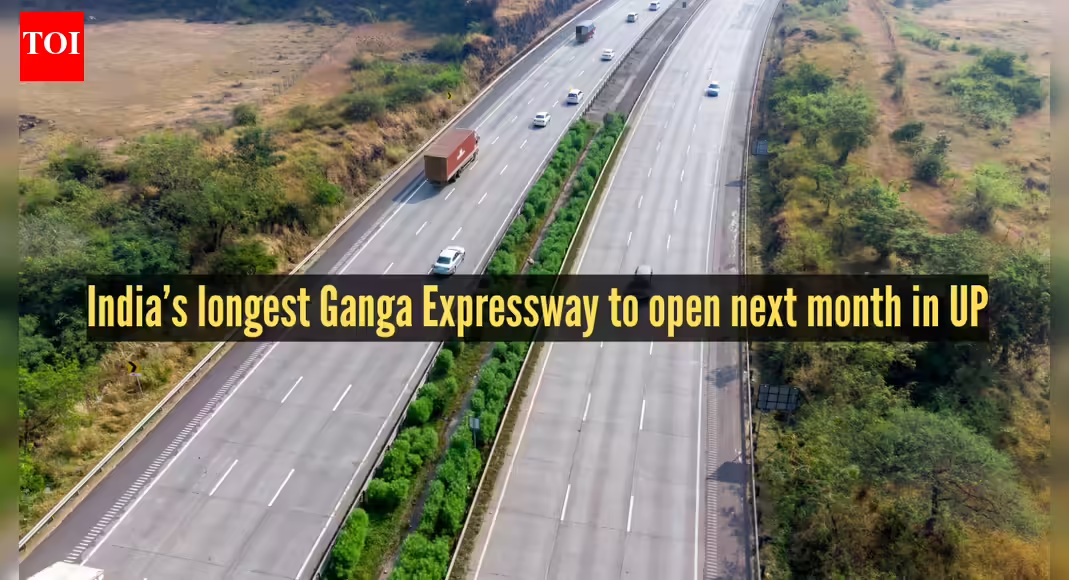
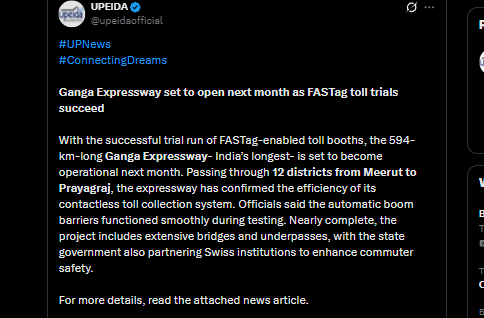
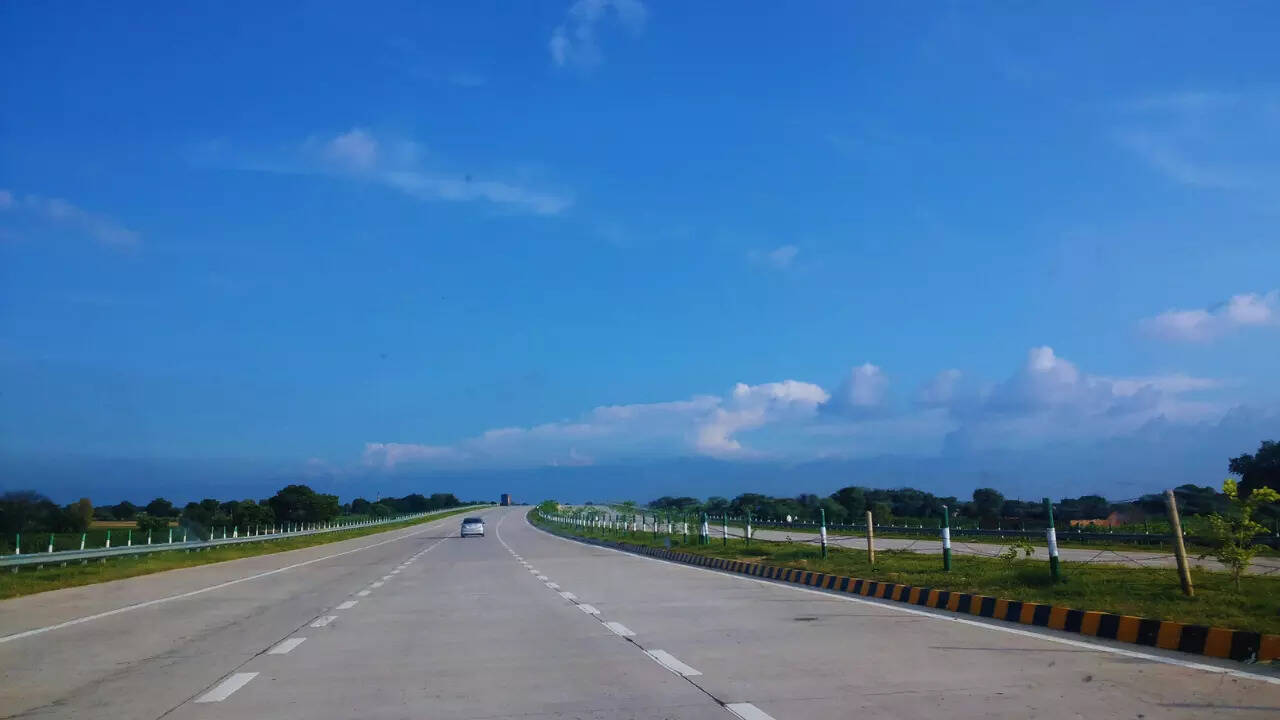
The Uttar Pradesh Expressways Industrial Development Authority (UPEIDA) shared on its official X handle that the Ganga Expressway is all set to open next month. The 594-km-long Ganga Expressway, India’s longest expressway, is set to become operational next month, following the successful trial run of FASTag-enabled toll booths. Officials said the contactless toll collection system performed smoothly during testing, clearing one of the final hurdles before the massive infrastructure project opens to the public.
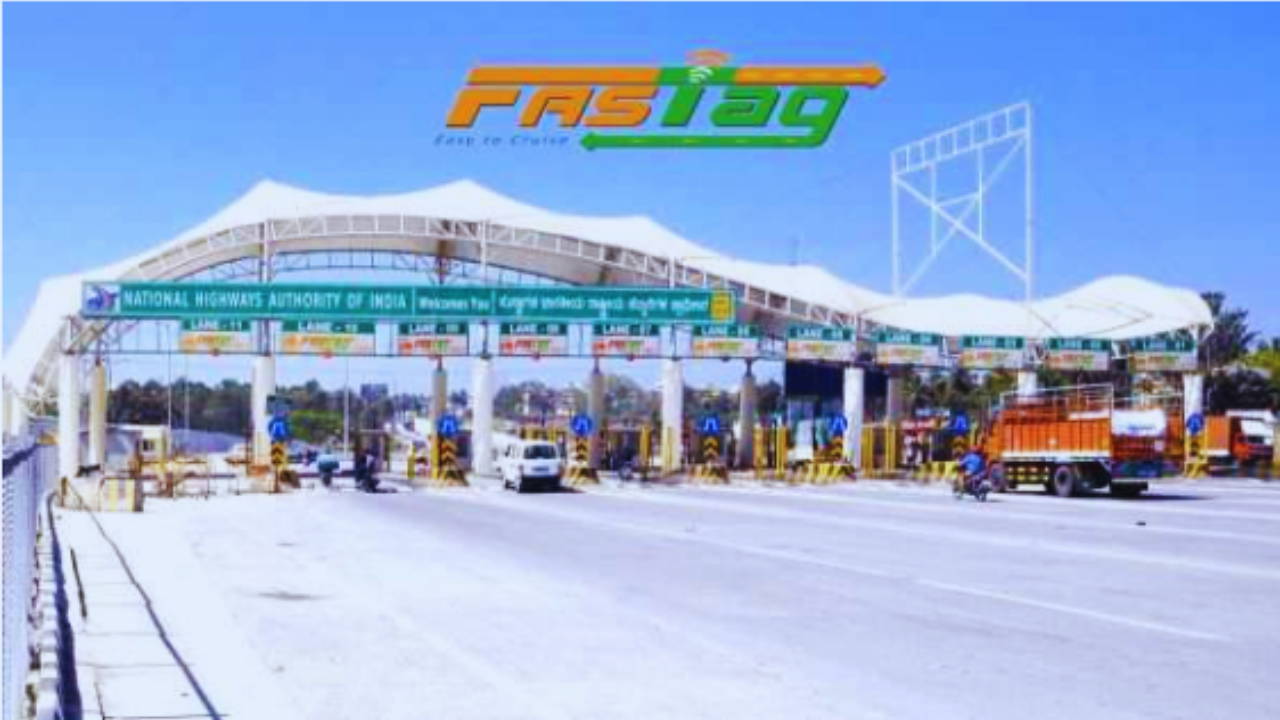
The expressway, being developed by the Uttar Pradesh Expressways Industrial Development Authority (UPEIDA), runs across 12 districts—Meerut, Hapur, Bulandshahr, Amroha, Sambhal, Budaun, Shahjahanpur, Hardoi, Unnao, Rae Bareli, Pratapgarh and Prayagraj—promising a major boost to east–west connectivity in Uttar Pradesh.FASTag toll booth trials clear key milestoneTrial implementations of the FASTag-based tolling system have recently been carried out at several places on the expressway, and one such test has already been completed at Badaun district with success. In fact, when the cars slowed down, the boom barriers opened smoothly after scanning the FASTag fixed on the cars.
The officials involved in the test activities stated that the efficiency and ability of the contactless toll collection system have already been proven by these trials and that this new tolling system will eventually ease traffic congestion once the expressway opens.Read more: India’s first Howrah–Kamakhya Vande Bharat Sleeper Train to launch on 17 Dec: Everything you need to knowSeveral toll plazas on the route are being developed. Following the successful test in Badaun, similar FASTag trials are underway across other stretches under different project groups.Senior state government officials have confirmed that the Ganga Expressway is almost complete and currently in the final phase before operations begin. Built on a massive scale, the expressway crosses 140 water bodies and includes extensive supporting infrastructure such as:7 road overbridges17 interchanges14 major bridges and 126 minor bridges28 flyovers50 vehicle underpasses171 light vehicle underpasses160 small vehicle underpasses946 culvertsThe purpose of this network of bridges and underpasses is to minimize disturbance to nearby areas while facilitating the efficient flow of both local and long-distance traffic.Read more: Entire family denied US Visitor Visa: Find out what went wrongAlong with connection, other factors like ride experience and road safety have been given importance by this project. In a bid to implement highly advanced AI-assisted monitoring systems on the expressway, the Uttar Pradesh state government has joined hands with ETH Zurich University, as well as the Swiss entity RTDT Laboratories AG.Under this system, an Innova vehicle equipped with vibration technology and seven accelerometer sensors—four measuring road quality and three assessing comfort—has been inspecting all six lanes of the expressway. The sensors collect real-time data on surface conditions, comfort levels and elevation variations, which can be tracked through online graphs. According to officials, this is a change from previous procedures where road quality inspections were only done after construction was finished, which frequently made it challenging to fix flaws. Road undulations and comfort difficulties can now be identified and fixed during the construction phase thanks to Swiss technology.The Gorakhpur Link Expressway is expected to employ the same technology following its successful deployment on the Ganga Expressway.What this expressway means for Uttar Pradesh
When completed and fully functional, it will be expected that this expressway will enable people to travel from the western side of the Uttar Pradesh province to the eastern side at drastically reduced times compared to current routines due to longer routes. This will be particularly important in relation to people from the western states moving east.With FASTag trials completed, construction nearing its end, and advanced safety monitoring already in place, officials say the expressway is now firmly on track to open next month, marking a major milestone in Uttar Pradesh’s infrastructure expansion.
New Delhi: India’s private equity activity strongly rebounded in the fourth quarter of 2025 with investments touching USD 3.7 billion, up 44.3 per cent from the previous quarter, a report said on Tuesday.
The report from London Stock Exchange Group (LSEG) said that total equity investments in Q4 touched the highest quarterly level since Q4 2024.
Despite the late‑year surge, full‑year private equity investments eased 23.7 per cent year‑on‑year to USD 12.1 billion, underscoring the continued impact of a cautious investment environment for much of the year, the report said.
Add Zee News as a Preferred Source
“Although the slowdown in investment activity was broad‑based, technology‑led sectors remained comparatively resilient, continuing to absorb the majority of private equity capital,” said Vianca Sanchez, Analyst, LSEG Deals Intelligence.
Internet‑specific and computer software companies attracted a combined USD 6.7 billion in 2025, representing more than half of total PE deployment, the report said.
It added that investment in these sectors still moderated 1.9 per cent year‑on‑year, reflecting heightened investment selectivity.
Fundraising was subdued, with Indian private equity fundraising falling to USD 3.8 billion in 2025, the lowest since 2017, the report said.
Fundraising activity in India remained subdued in 2025, mirroring a broader global slowdown in private equity capital formation.
Cumulative capital raised since 2022 stood at about USD 28.5 billion, which may support deal activity as investor confidence improves and valuation expectations realign, the report noted.
Another recent report from a business analytics firm projected a stable macroeconomic environment and emphasised that India’s next wave of growth will be led by digitised logistics, trusted data, clean energy, and city vitality rewire productivity.
Emerging sectors like AI, green ports and quick commerce will enhance competitiveness and create inclusive growth opportunities across regions and industries, it said.
The report highlighted the need for crowding in private capital, strengthening human capital, and leveraging policy support to fuel sustainable transformation.
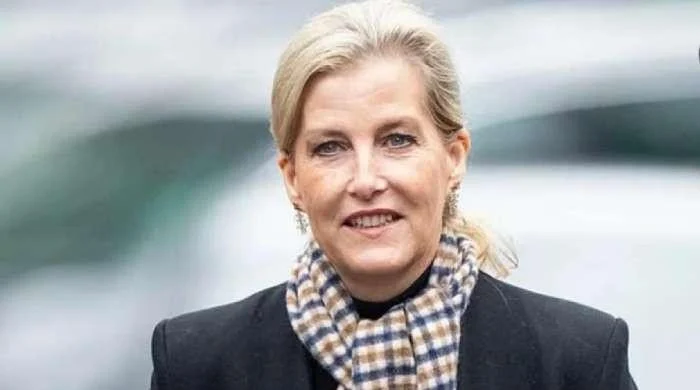
Her Royal Highness marks her second royal engagement of 2026
Duchess Sophie has quickly emerged as one of the Royal Family’s most active figures so far in 2026.
Highlighting her packed schedule, King Charles III’s office shared a new video of the Duchess of Edinburgh on the official Royal Family social media accounts on Tuesday, January 13. The footage, originally posted by England Hockey, captured moments from Sophie’s visit to the Bisham Abbey National Sport Centre the day before.
“England and Great Britain Hockey were honoured to welcome HRH The Duchess of Edinburgh to Bisham Abbey National Sport Centre yesterday,” the caption read. Sophie has served as a patron of England Hockey since 2006.
The video showed highlights from the visit, including the Duchess stepping onto the pitch and trying her hand at hockey. She was also seen touring an indoor gym facility, where she chatted with staff and gym members during the stop.
Additionally, the Royal Family’s social media also posted a photo collage of the visit with the caption, “Yesterday, The Duchess of Edinburgh visited @englandhockey to meet members of the Senior Men’s and Women’s squads.”
The outing marked Sophie’s second official engagement of the year. Just four days earlier, she visited The Lighthouse charity in Woking. During that visit, Prince Edward’s wife helped staff pack and prepare for the charity’s relocation and also toured the new site.
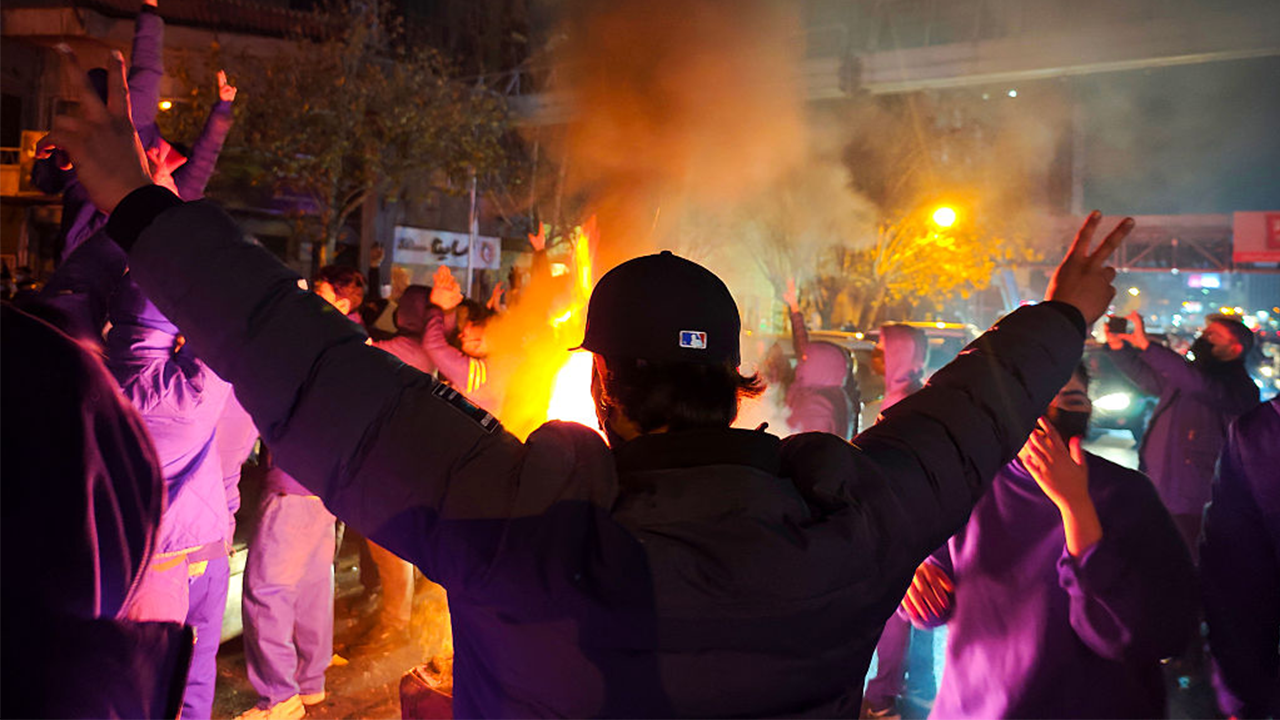
Iranian authorities are targeting Starlink users in an effort to shut down leaks of protest footage amid the regime’s ongoing blockade against internet access, human rights groups say.
Iran cut off public internet access as anti-regime protests ramped up last week, leaving Starlink as one of the few ways Iranians can share images about the regime’s deadly crackdown.
Starlink remains illegal in Iran, but rights groups say they have smuggled thousands of Starlink terminals into the country. The government’s efforts to shut down internet access has slowed the service’s connectivity, but users are still able to send footage to trusted third-parties who can then share it to social media, The Wall Street Journal reported Monday.
SpaceX, the company behind Starlink, did not immediately respond to a request for comment from Fox News Digital.
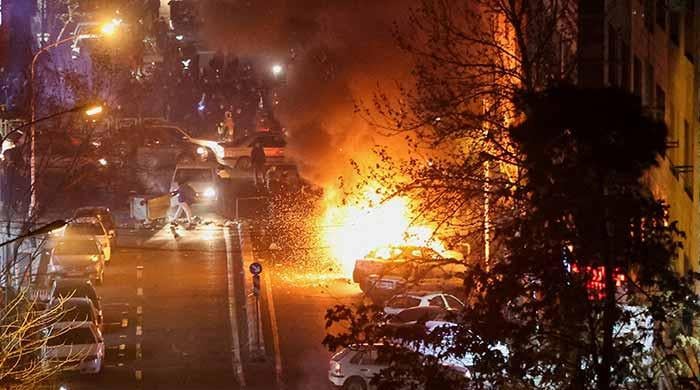
Fires are lit as protesters rally on January 8, 2026, in Tehran, Iran.(Getty Images)
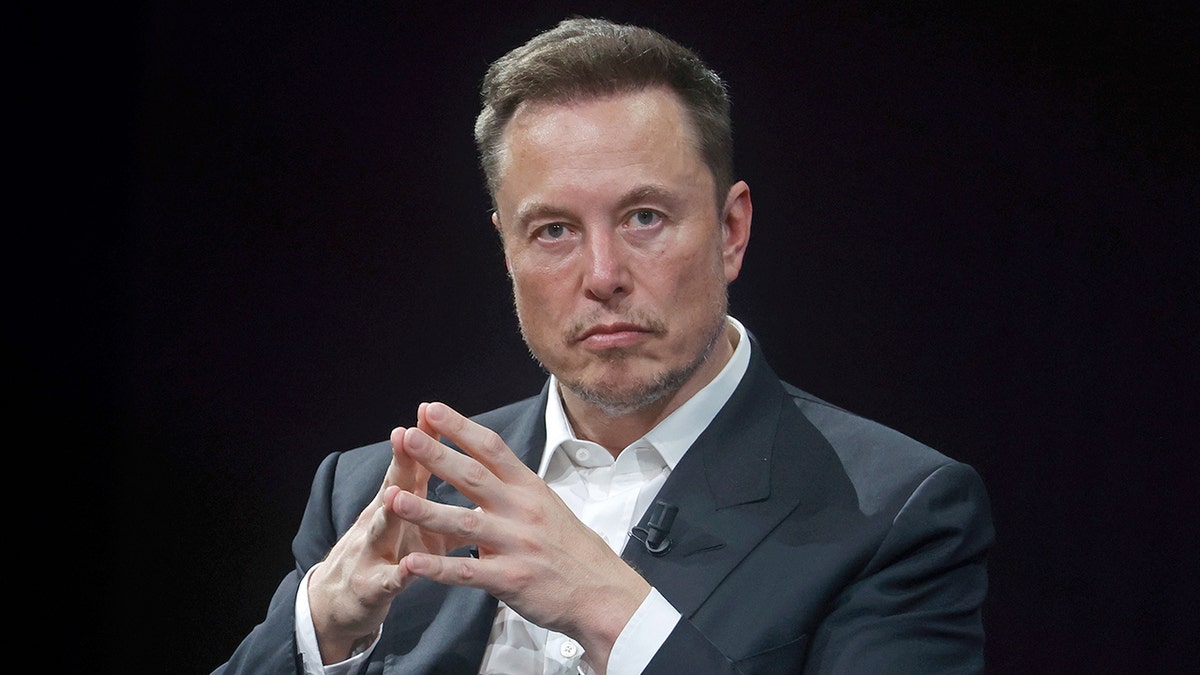
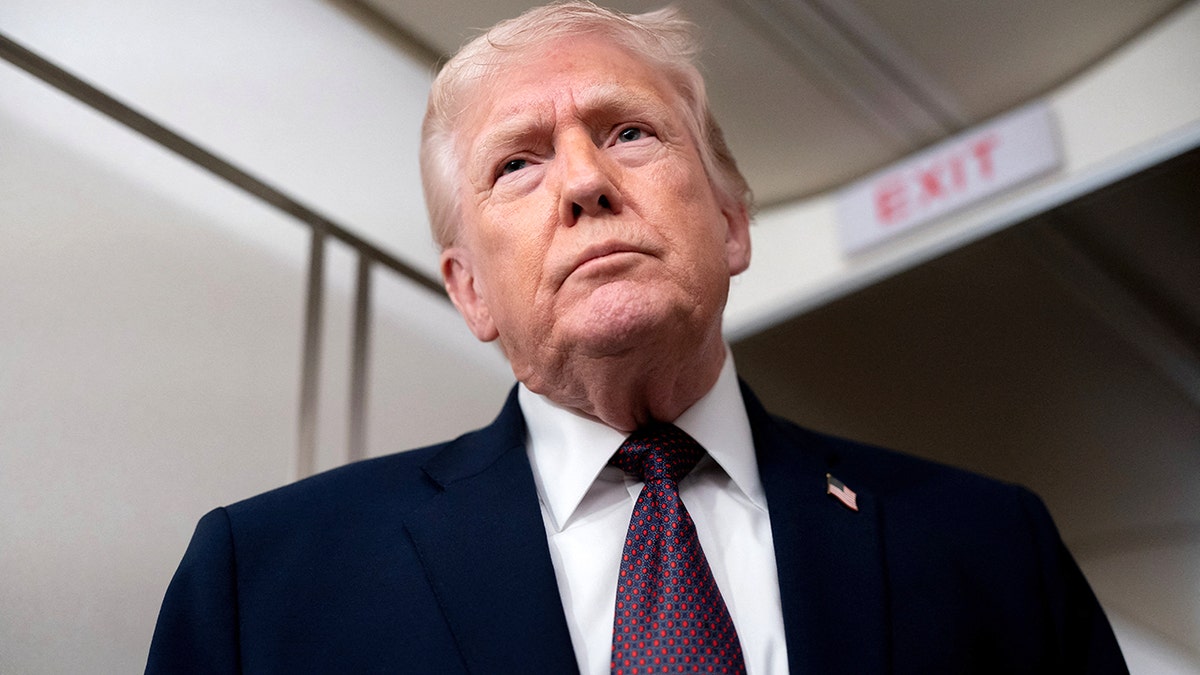
President Donald Trump confirmed on Sunday that he planned to speak with SpaceX founder and CEO Elon Musk about boosting Starlink’s connectivity in Iran.
“He’s very good at that kind of thing, he’s got a very good company,” Trump told reporters.
SpaceX previously worked with former President Joe Biden‘s administration to support Starlink access in Iran in 2022 amid protests against the death of Mahsa Amini. Amini, a 22-year-old woman, was hospitalized and later died after being detained by Iran’s morality police for a dress code infringement.
Elon Musk has worked previously to expand Starlink access in Iran.(Chesnot/Getty Images)
Iran’s current protests arose for economic reasons, with Iranians outraged at high prices and demanding an end to Ayatollah Ali Khamenei’s regime.
Since the unrest broke out, Iranian authorities have killed at least 646 protesters, with thousands more deaths expected to be confirmed. Reuters reported the death toll at 2,000, citing an unnamed Iranian official.
The White House confirmed on Monday that Trump was weighing whether to bomb Iran in reaction to the crackdown.
President Donald Trump has threatened military action against Iran if it continues to use deadly force against protesters.(REUTERS/Nathan Howard)
White House press secretary Karoline Leavitt told reporters that diplomacy remains Trump’s first option, but that the president “has shown he’s unafraid to use military options if and when he deems necessary.”
CLICK HERE TO DOWNLOAD THE FOX NEWS APP
“He certainly doesn’t want to see people being killed in the streets of Tehran. And unfortunately that’s something we are seeing right now,” she added.
Fox News’ Landon Mion contributed to this report.
Anders Hagstrom is a reporter with Fox News Digital covering national politics and major breaking news events. Send tips to Anders.Hagstrom@Fox.com, or on X: @Hagstrom_Anders.
Michael Jackson’s explosive paternity scandal linked to Marlon Brando
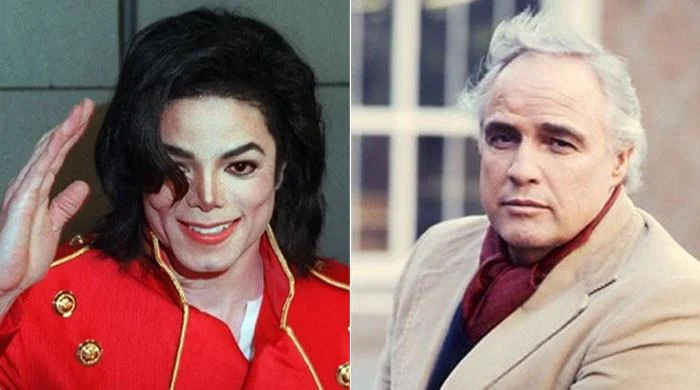
Marlon Brando has been named as the real father of Michael Jackson’s youngest, widely known as Blanket or Bigi Jackson, according to recently circulated rumours.
Officially named Prince Michael Jackson, the 23-year-old son of the late global icon was born via surrogacy in 2002 — two years before Brando’s death at the age of 80.
According to a source cited by The Sun, on the theory, it has “all kicked off within the wider Jackson estate quite recently, with [siblings] Paris and Prince being told of this development.”
“It is all very strange, but the pieces of the puzzle seem to all add up. Everyone is trying to get their heads around it,” the insider further noted.
The report also claimed that it is “pretty much accepted as fact these days” that the Thriller hitmaker had employed sperm donors, “despite what the Jackson family might have said publicly in the past.”
However, the Godfather star’s name being “among the people who helped him become a dad because he was unable to do it himself” is only a recent development.
Furthermore, the reason why “it has stayed quiet for so long” is because the King of Pop and the two-time Oscar winner “were both megastars and very close, so they had a lot of trust between them.”
Nevertheless, the insider added, “a handful of people close have always known.”
Meanwhile, according to News.com.au, Jackson was known to have struggled with “fertility issues.”
Michael Jackson is considered the father to three children in total: Paris Jackson, Prince Jackson, and Bigi Jackson.
While Marlon Brando fathered a total of 11 children, choosing to fiercely protect their privacy, as they were brought up on a private island in Tahiti.
Iran has been grappling with its major demonstrations since 2022, driven by economic grievances, with its currency losing half its value against the US dollar last year and inflation topping 40% in December.
The protests pose the biggest internal challenge in at least three years to Iran’s rulers, who look more vulnerable than during past bouts of unrest after last year’s war with Israel and the United States.
Adding to the distress, US President Donald Trump has repeatedly threatened military action over Tehran’s what he says “severe crackdown” on the protests. Furthermore, Trump announced that any country doing business with Iran will face a new tariff of 25% on its exports to the US.
However, the country’s Foreign Minister Abbas Araqchi dismissed the threats, saying Iran is “ready for war but also for dialogue”.
In a sign of the severity of the crisis, the Iranian authorities have imposed an internet blackout lasting more than three-and-a-half days. Moreover, they also sought to regain control of the streets with mass nationwide rallies.
Iranians attend a pro-government rally in Tehran, Iran, January 12, 2026. — Reuters
Muhammad Hussain Baqeri, an international affairs expert, appeared on Geo News programme ‘Aaj Shahzeb Khanzada Kay Sath’ on Monday, and provided an inside view of the ongoing situation in Iran.
‘Regime change operation’
When asked about the ground situation, Baqeri said that Reza Pahlavi, the son of the former Shah of Iran — who resides in Washington — announced a protest call on January 8 and 9. “However, the main objective of protests wasn’t about inflation; they were aiming for regime change in Iran,” he added.
Referring to the protests on Thursday and Friday, he estimated that the crowds were in the thousands — more than 10,000 but fewer than 15,000. “During the 8pm to 10pm window, many people joined, and it was a very peaceful protest,” he said.
“However, after 10pm, I saw individuals from terrorist organisations emerging from within the crowds. They had military-grade weapons and started shooting. They then started setting fire to banks, mosques, and police stations,” he said.
Baqeri acknowledged the anger among Iranian people over the rising cost of living, saying that on January 3, the dollar rate increased by 35% in a single day, reaching 140,000 Iranian Rial.
“The government is acknowledging their right to protest, but there is a big difference between a protest and a riot,” he added.
However, the expert claimed that common Iranians do not own guns. “If someone has a gun in Iran, it’s either because they are a member of a high-level security organisation or they belong to a terrorist group.”
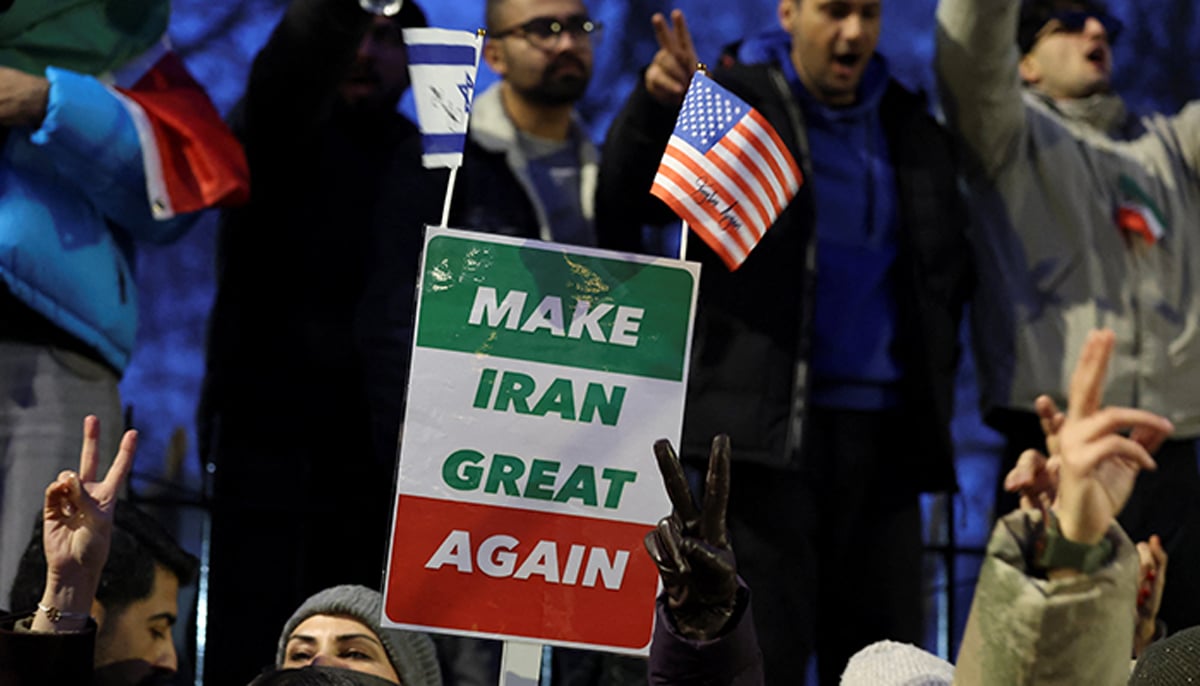
Demonstrators gesture outside the Iranian embassy during a rally in support of nationwide protests in Iran, in London, Britain, January 12, 2026. — Reuters
Speaking about the destruction caused during the protests, Baqeri said that at least 150 ambulances, 50 mosques and seven fire engines were torched across Iran. Moreover, he added, at least 40 banks, police stations and Red Crescent centres were attacked.
“The Iranian people do not burn mosques. No matter how angry they are with the regime or the government, they are Muslims and do not burn mosques.”
‘Mossad agent arrested’
Baqeri further said that a terrorist linked to the Israeli spy agency, Mossad, was captured in Iran, who during an interview alleged that they were trained to “shoot for the head”, whether the targets were security forces or civilians.
“They wanted ‘dead bodies’ to show Trump and Netanyahu so they could claim the government is massacring its people and demand intervention. This happened on Thursday and Friday,” he added.
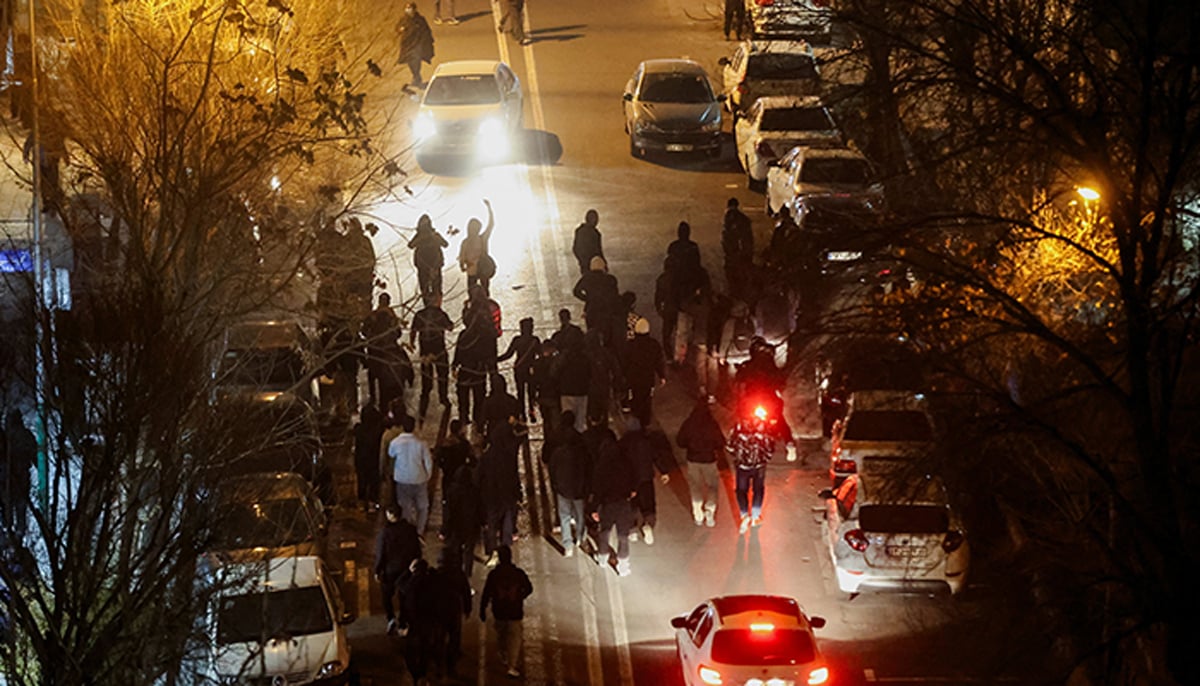
Iranian demonstrators gather in a street during a protest over the collapse of the currency’s value, in Tehran, Iran, January 8, 2026. — Reuters
“But on Monday, the government called for a counter-rally. I went to Inqalab Square and Azadi Square; people were there with Qurans in their hands. There were likely more than 300,000 to 400,000 people. It’s hard to count, but the footage shows a sea of people,” Baqeri added.
Trump threats
Responding to a question about Trump’s threat of strikes and a “Venezuela-style” operation, the expert said that the United States has two options if it wants to attack Iran.
“One is air strikes, which they already attempted last June. They used state-of-the-art B-52 and B-5 bombers, and Israeli F-16s hit various locations,” he said, questioning whether these strikes resulted in regime change.
He expressed doubt over another airstrike attempt in Iran, saying that if the US and Israel want regime change, they need “boots on the ground”.
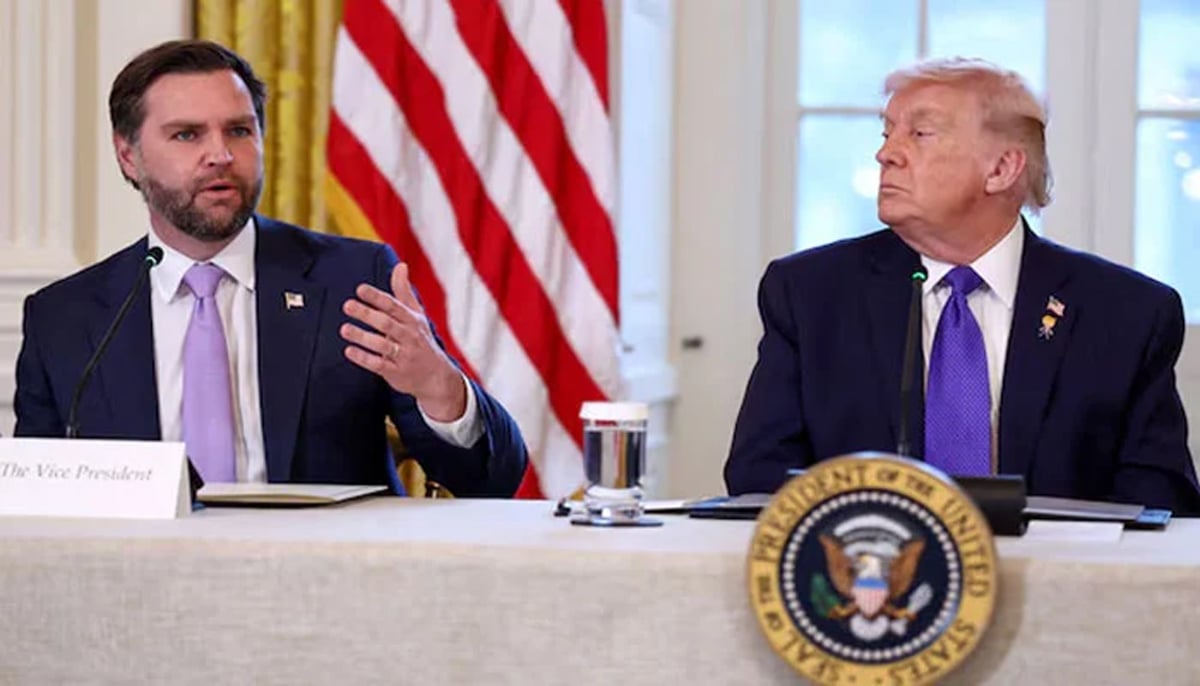
US President Donald Trump and Vice President JD Vance attend a meeting with oil industry executives, at the White House in Washington, DC, US on January 9, 2026. — Reuters
However, he said, Iran is 1.7 million square kilometres of land with a population of 90 million. Out of that, about 15 to 20 million are part of Iran’s Revolutionary Guard.
“If they couldn’t wipe out Hamas in Gaza — which is a much smaller organisation — how will they manage boots on the ground in Iran? I don’t think President Trump would want to see a graveyard for American soldiers in Iran.”
Iran’s response to threats
Furthermore, Baqeri said Iran has warned that it will respond forcefully — including through possible preemptive action — if it becomes certain that a military attack is imminent, with Israel and US interests across the region likely to be targeted.
He said Tehran has made its position clear that any assault would trigger a wider regional conflict, adding that Iran would strike Israel with ballistic missiles and target American military and strategic interests, including US naval assets, which he claimed were within missile range.
Baqeri warned that any decision by Trump to launch an attack would have serious consequences and could plunge the entire region into a large-scale war. However, he said he did not believe Washington would move towards a direct military strike at this stage, though he alleged that attempts to create internal unrest in Iran through covert operations could continue.
According to the expert, the regime change in Iran remained a distant possibility.
‘Major surgery’
Addressing Iran’s internal situation, Baqeri said public frustration was growing due to soaring inflation, a weakening currency and rising unemployment. He noted that for the first time in two decades, Iran’s parliament had rejected the government’s budget, reflecting the severity of economic pressures.
The assembly, he said, had asked the Iranian president to revise the budget and align salary increases with inflation, adding that a new budget is expected within weeks, likely including a 40% to 45%.
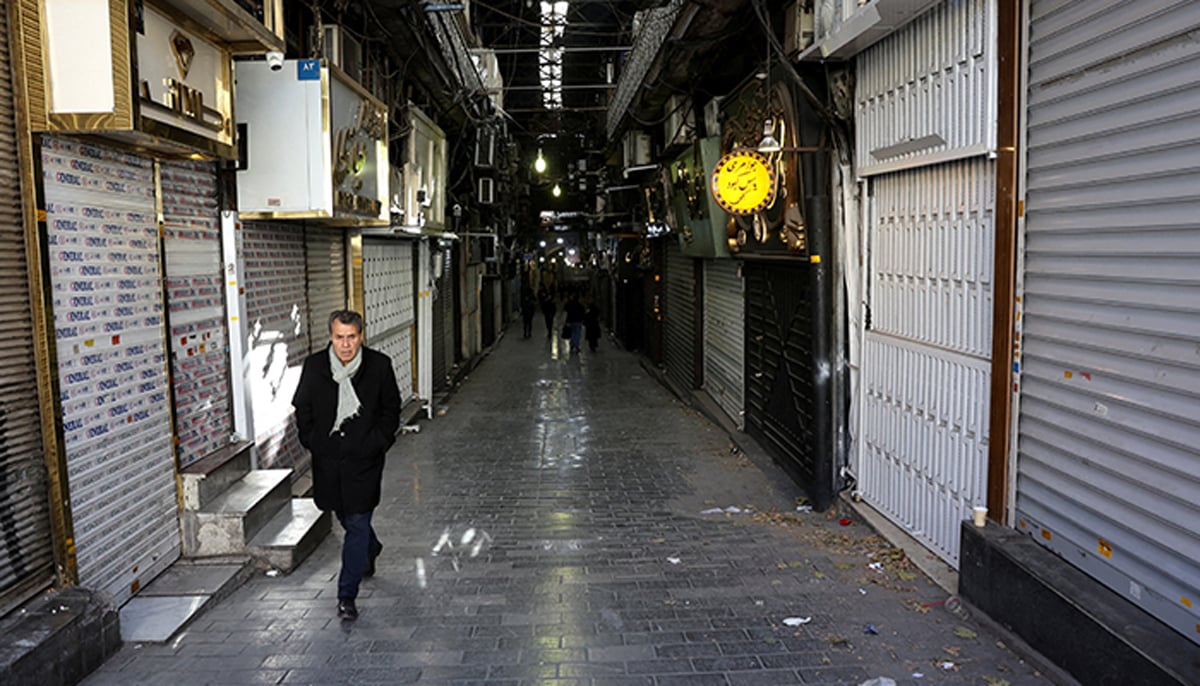
People walk past closed shops following protests. — Reuters
He further said the Iranian government is preparing what he described as “major surgery” on the economy, particularly by reforming the currency system.
Baqeri pointed out that multiple exchange rates for the dollar — used separately for food, imports and exports — had fuelled widespread corruption. He said the government is now attempting to narrow the gap between the subsidised and open market exchange rates, which could help reduce corruption and provide some economic relief.
However, he cautioned that Iran was currently facing serious economic challenges and that managing the situation would not be easy.
The U.S. has reached a watershed moment in the fight against cancer: Seven in 10 people now survive five years or more after diagnosis, according to the latest annual report from the American Cancer Society.
That’s a big improvement since the 1970s, when only half of those diagnosed lived at least five years. In the mid-1990s, the rate was 63%.
The 70% figure is based on diagnoses from 2015 to 2021. The findings were published Tuesday in the American Cancer Society’s medical journal, CA: A Cancer Journal for Clinicians.
Five years is the most common benchmark for measuring cancer survival, since the risk of certain cancers’ recurring declines significantly if the cancers haven’t come back within that time.
Thanks to improved treatment options over the last decade, many cancers have gone from death sentences to chronic diseases, according to the report’s lead author, Rebecca Siegel, the American Cancer Society’s senior scientific director of surveillance research.
“It takes decades for research to understand and develop these more effective treatments, and now we’re seeing the fruits of those investments,” Siegel said.
The report estimates that 4.8 million cancer deaths were prevented from 1991 to 2023, largely because of better treatments, earlier detection methods and reductions in smoking.
Siegel said scientists have a greater understanding of how cancer develops and spreads, allowing them to engineer the immune system to stop or slow cancer growth.
She highlighted immunotherapies as one of the biggest advances — the treatments help the immune system find and attack cancer cells. Immunotherapy has been “game changing” for myeloma, Siegel said. The five-year survival rate for the blood cancer, which is twice as common among Black people as in white people in the U.S., rose to 62% from 32% in the mid-1990s.
Targeted therapy, which targets specific genes or proteins that help cancer cells grow, has been another major advancement, as such treatments cause less damage to healthy cells and come with fewer side effects.
“Staying on treatment longer allows patients to live longer, and these less toxic treatments allow more sequences of therapy,” said Dr. Christopher Flowers, head of cancer medicine at MD Anderson Cancer Center in Houston, who wasn’t involved in the report.
Flowers said targeted therapies and immunotherapies have improved survival outcomes for lung cancer, which kills more people than any other cancer in the U.S. The five-year survival rate for regional lung cancer — which is found in the lung and nearby structures or lymph nodes — is now 37%, up from 20% in the mid-1990s.
However, further progress could be made by addressing major risk factors for cancer, said Dr. Clark Gamblin, a gastrointestinal surgeon at the Huntsman Cancer Institute and chief of surgical oncology at the University of Utah.
“Our country has an epidemic of obesity, and cancers follow that,” said Gamblin, who wasn’t involved in the report. “So we’re not winning on every front.”
Overall, the American Cancer Society estimates there will be more than 626,000 cancer deaths and more than 2.1 million newly diagnosed cases in the U.S. this year.
Siegel said she is concerned about scientists’ ability to study new methods of prevention, detection and treatment, given recent cuts to cancer research by the Trump administration. An analysis from Democrats on the Senate Health, Education, Labor, and Pensions Committee found a 31% decline in cancer research grant funding in the first three months of 2025, compared with the same period in 2024.
“Other threats to progress are the enormous gap that we see in the cancer burden in people of color, specifically Native American people and Black people,” Siegel said.
Disruptions to cancer screening during the Covid pandemic could also have further effects, including late-stage diagnoses.
“The screening for [asymptomatic] cancer largely stopped during that time period, and I don’t know that we’ve seen the tail of that yet,” Gamblin said.
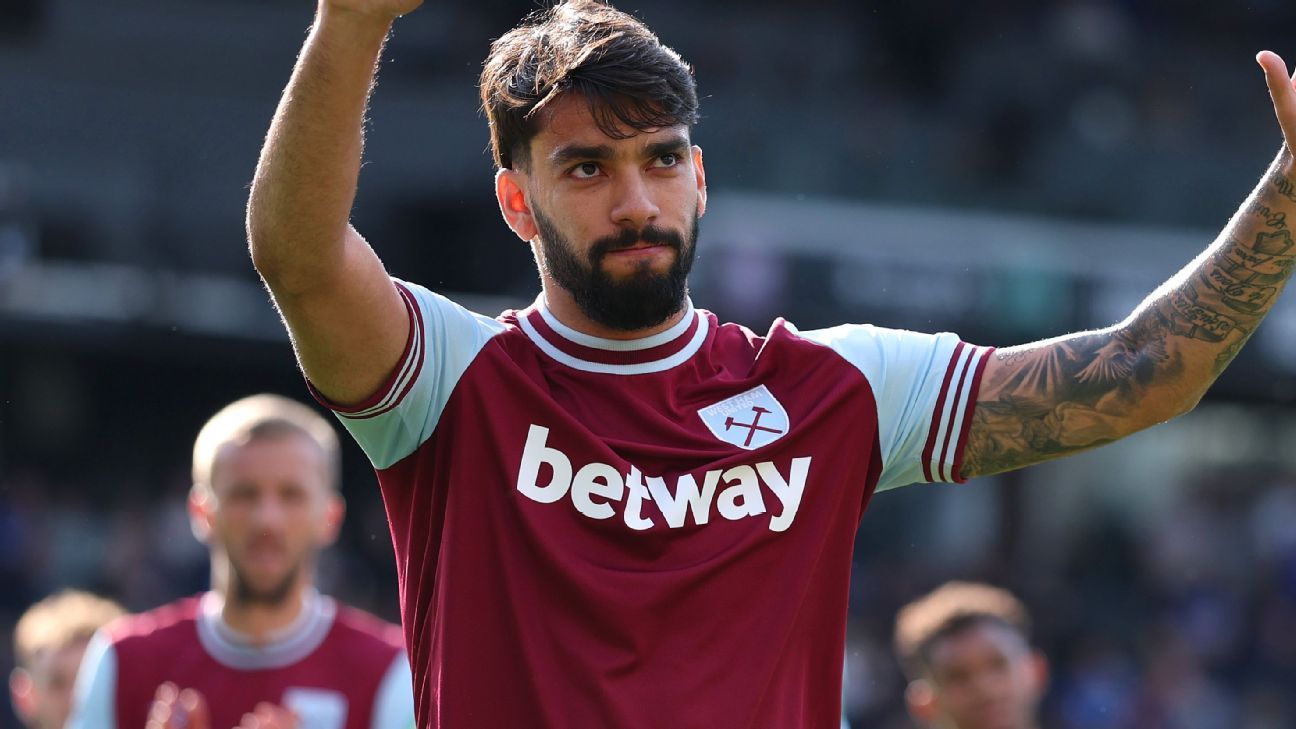
Lucas Paquetá wants to leave West Ham and return to Flamengo in the January transfer window, sources have told ESPN.
The Brazil midfielder’s desire is to rejoin his boyhood club and is such that he has authorised his agents to transmit his wish to the Rio de Janeiro-based club.
According to sources, the aim is to “encourage” Flamengo to make an offer in the region of £35 million ($47m) that the Hammers would be willing to consider.
West Ham, however, believe they could get more from a European club for Paquetá, with Tottenham Hotspur having already indicated that they would be willing to bid higher for the Brazil international.
However, sources familiar with the discussions emphasise that there is enormous uncertainty behind the scenes at West Ham regarding a potential sale.
Paquetá, 28, has 18 months remaining on his contract at London Stadium.
ESPN understands that West Ham coach Nuno Espírito Santo is against Paquetá leaving midway through the season as he considers the player an undisputed starter and a key asset in their fight against relegation.