Home Blog Page 2891

Cancer survival rates reach record high, but deadliest types still put Americans at risk

0
Cancer survival rates reach record high, but deadliest types still put Americans at risk

NEWYou can now listen to Fox News articles!

People who have received a cancer diagnosis are living longer than ever, according to a new report from the American Cancer Society (ACS).

Decades of cancer research have led to more effective treatment of the disease, so that cancer is “becoming less of a death sentence and more of a treatable chronic disease,” the 75th annual Cancer Statistics Report stated.

The five-year cancer survival rate is now 70% in the U.S., compared to 50% in the mid-1970s.

WHY ‘STARVING CANCER’ COULD BE KEY TO SLOWING DISEASE GROWTH, ACCORDING TO DOCTORS

These improvements reflect advances in treatment and earlier diagnosis, said the researchers, who also recognized that screenings for breast cancer and prostate cancer have contributed to survival rates.

“For example, survival has improved for some types of leukemia because of the development of tyrosine kinase inhibitors, which allow most patients to have a near-normal life expectancy,” the researchers said in a press release.

The five-year cancer survival rate has increased to 70% in the U.S., the American Cancer Society announced. (iStock)

The ACS report identified five-year survival improvements for specific types of cancer. For example, rates of liver cancer survival spiked from 7% in the 1990s to 22% in 2023, lung cancer survival increased from 15% to 28%, and myeloma survival rose from 32% to 62%.

“Survival has improved for people with regional-stage disease (when tumors have spread from where they started to nearby organs) and distant-stage disease (where tumors have spread to organs further away from the starting point),” the organization added.

BREAKTHROUGH BLOOD TEST COULD SPOT DOZENS OF CANCERS BEFORE SYMPTOMS APPEAR

“In fact, for all distant-stage cancers combined, the relative survival rate doubled from 17% in the mid-1990s to 35% for those diagnosed from 2015 to 2021.”

man at doctor

The researchers recognized that screenings for breast cancer and prostate cancer have contributed to survival rates. (iStock)

In an interview with Fox News Digital, Dr. Calvin Chao, VP of medical science at Artera in California, commented that the 70% five-year survival rate is a “clear signal of progress in cancer care, but statistics alone tell only part of the story.”

“Many factors contribute to these improved outcomes, and one of the most significant is the use of personalized, clinically validated approaches that leverage predictive insights to guide therapy,” he went on.

CANCER SURVIVAL APPEARS TO DOUBLE WITH COMMON VACCINE, RESEARCHERS SAY

“These previously inaccessible insights now help clinicians identify which specific treatments are most likely to benefit each patient, and which may offer little advantage.”

Chao stressed the importance of reducing unnecessary side effects by avoiding therapies that provide “no added benefit” for patients, while providing novel therapies to patients who “clearly do benefit.”

mother wearing head wrap smiles at daughter

Treatment advances play a major role in this progress, as does early detection, experts say. (iStock)

Dr. Yvonne Estrin, a breast radiologist at Pembroke Pink, also weighed in on these findings, agreeing that treatment advances “play a major role in this progress.”

“But so do early detection and improved screening guidelines,” she told Fox News Digital. “For example, with screening mammography and annual mammograms now beginning at age 40, we are detecting breast cancer at a very early and treatable stage. This leads to a decrease in morbidity and mortality.”

Cancer cases rise as death rates drop

Despite the uptick in life expectancy, the ACS noted that there will still be an estimated 2.1 million new cancer cases in 2026, or about 5,800 diagnoses every day.

Among women, cases of breast cancer are diagnosed more than twice as often as lung cancer, which ranks second. Liver cancer, melanoma and uterine cancer are also on the rise among women.

CLICK HERE FOR MORE HEALTH STORIES

Prostate cancer incidence continues to rise for men, as it is also diagnosed twice as often as second-ranking lung cancer. Oral cavity cancer and pancreatic cancer are reportedly rising for both genders, according to the ACS.

Woman getting a mammogram

In women, breast cancer death rates dropped 44% between 1989 and 2023. (iStock)

Dr. Marc Siegel, Fox News senior medical analyst, said there are “many important reasons” for the survival improvements.

“There is more awareness of cancer risks and symptoms, and much better screening,” he told Fox News Digital. “Earlier diagnosis is leading to earlier treatments.”

CLICK HERE TO SIGN UP FOR OUR HEALTH NEWSLETTER

He also attributes the survival boost to more personalized approaches, specifically advances in targeted therapy (antibodies), immunotherapy, and advanced surgical techniques, including robotics.

“Lifestyle changes can also help combat the effects of cancer and treatments, as well as better follow-up in terms of scans and interventions,” Siegel added.
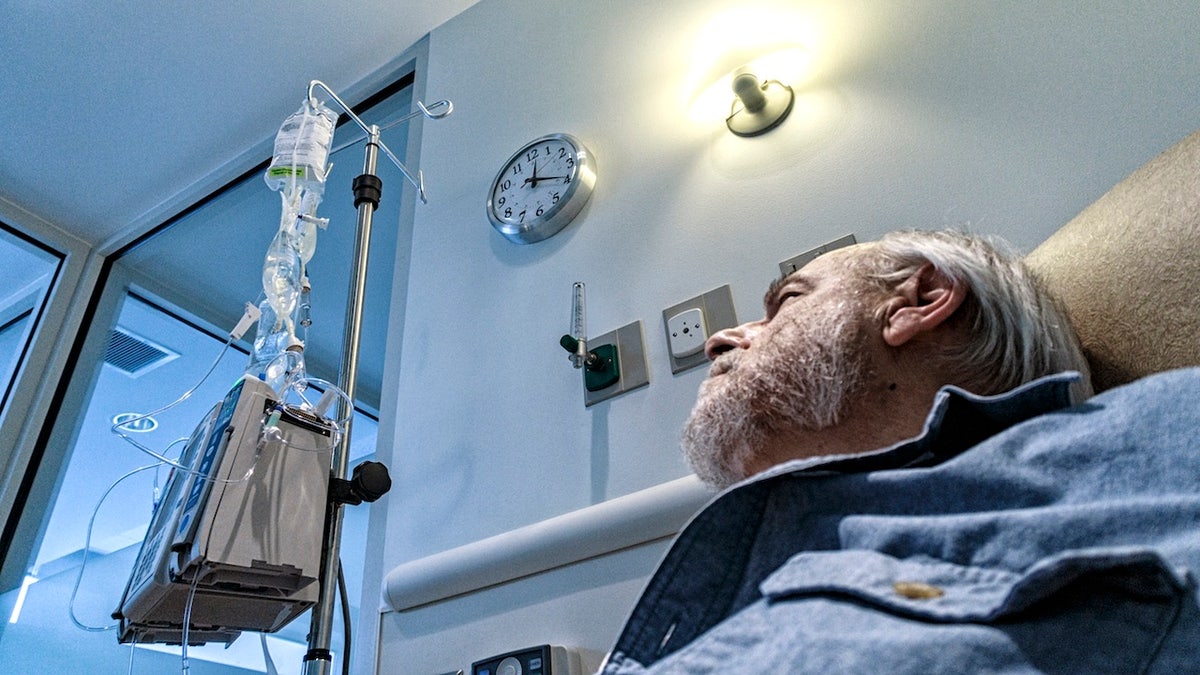
Man getting cancer treatment in hospital

The ACS estimates that 626,140 people in the U.S. will die from cancer in 2026, amounting to about 1,720 deaths per day. (iStock)

Cancer continues to be the most common cause of death in American men between 60 and 79 years old and women between 40 and 79. After heart disease, cancer is the second most common cause of death in the U.S.

The ACS estimates that 626,140 people in the U.S. will die from cancer in 2026, amounting to about 1,720 deaths per day. Lung cancer causes most of these, followed by colorectal cancer and pancreatic cancer.

CLICK HERE TO DOWNLOAD THE FOX NEWS APP

However, death rates are mostly declining. Since its peak in 1991, the cancer death rate has declined by 34%, the ACS reported, with about 4.8 million cancer deaths prevented as of 2023.

In particular, lung cancer deaths have dropped 62% for men since 1990 and 38% for women since 2002.

TEST YOURSELF WITH OUR LATEST LIFESTYLE QUIZ

In men, the death rate for prostate cancer has decreased 53% since 1993 and colorectal cancer rates dipped 55% between 1980 and 2023. 

In women, breast cancer death rates dropped 44% between 1989 and 2023.

Winter Hormone Drift: Why Your Menstrual Cycle Feels Different In Colder Months

0
Winter Hormone Drift: Why Your Menstrual Cycle Feels Different In Colder Months

Last Updated:

Noticing menstrual cycle changes in winter? Doctors explain why ovulation and hormone balance often shift during colder months, and when to seek care.

Winter hormone drift may temporarily disrupt cycle regularity, especially in those with existing conditions such as PCOS, thyroid disorders, or high stress.

Winter hormone drift may temporarily disrupt cycle regularity, especially in those with existing conditions such as PCOS, thyroid disorders, or high stress.

As winter sets in, many women who are otherwise regular begin to notice subtle but unsettling changes in their menstrual cycle. Ovulation may arrive later than expected, cycles may stretch longer, or bleeding patterns may feel unfamiliar – all without a clear cause. While these shifts can seem random, doctors say they are often rooted in seasonal changes that influence hormones responsible for ovulation and cycle regulation. Reduced sunlight, altered routines, and physiological stressors combine to create what experts now describe as winter hormone drift.

Understanding this seasonal pattern can help women respond proactively, especially those planning pregnancy or managing underlying hormonal conditions.

Light, Melatonin, And The Ovulation Connection

“Winter is when women who have always tracked their cycles well often begin to notice something feels different,” explains Dr Shivika Gupta, Fertility Specialist at Birla Fertility & IVF, Gurgaon. She points to light exposure as the most consistent driver. “Shorter daylight increases melatonin release, and melatonin interacts with the same brain centres that control ovulation,” she explains.

When melatonin levels remain elevated for longer periods, follicle maturation can slow down, leading to delayed ovulation. According to Dr Gupta, seasonal fertility studies have recorded delayed ovulation in a significant subset of women during colder months compared to summer cycles.

Vitamin D Deficiency And Hormonal Stability

Reduced sunlight doesn’t just affect melatonin. It also lowers vitamin D levels, a key player in reproductive health. “Indian and European data show that roughly 30–50% of adults enter winter with insufficient vitamin D,” says Dr Gupta. She adds that vitamin D supports ovarian hormone balance, uterine lining development, and even sperm quality.

Dr Parnamita Bhattacharya, Gynaecologist at CK Birla Hospitals, CMRI, Kolkata, echoes this connection. “Lower sunlight levels affect melatonin and vitamin D production, both of which play a role in regulating reproductive hormones such as estrogen and progesterone,” she says. She notes that vitamin D deficiency may worsen cycle variability, particularly in women with thyroid disorders or polycystic ovarian syndrome.

Lifestyle Changes That Disrupt Hormonal Signals

Beyond biology, winter also alters daily behaviour in ways that influence hormones. “Colder weather, reduced physical activity, dietary changes, weight fluctuations, and higher stress levels can interfere with the delicate hormonal signals that control ovulation,” says Dr Bhattacharya.

Dr Tripti Dadhich, Additional Director – Obstetrics & Gynaecology at CK Birla Hospitals, Jaipur, highlights insulin resistance as another seasonal factor. “Winter weight gain and reduced exercise can increase insulin resistance, further affecting hormonal balance,” she explains. This can be particularly disruptive for women with PCOS or borderline metabolic issues.

Stress, Sleep, And Cortisol Overload

Stress plays a larger role in winter hormone drift than many realise. “Year-end workload, travel, and seasonal illnesses raise cortisol levels,” Dr Dadhich notes. Elevated cortisol can suppress the brain’s release of reproductive hormones, leading to delayed periods or missed ovulation.

Sleep disruption also compounds the problem. Longer nights and irregular schedules interfere with circadian rhythms, further affecting hormonal communication between the brain and ovaries.

When To Seek Medical Advice

Dr Sonu Taxak, Senior IVF Consultant & Director at Yellow Fertility, says, “For women trying to conceive or managing conditions like PCOS or thyroid imbalance, these seasonal changes may feel more pronounced. However, most fluctuations are temporary and settle as routines stabilize.”

While occasional cycle shifts are usually temporary, experts caution against ignoring persistent changes. “Persistent irregularity, missed periods, or significant symptoms such as severe pain or excessive bleeding should be evaluated,” advises Dr Bhattacharya, especially for women trying to conceive.

Dr Gupta adds that recognising seasonal patterns early is particularly important for those preparing for fertility treatments. Early correction, she notes, is far more effective than reacting once cycles become unpredictable.

Winter hormone drift is a real, biologically driven phenomenon shaped by light exposure, vitamin D levels, lifestyle changes, and stress. While most seasonal cycle changes settle on their own, staying mindful of these patterns allows women to support hormonal stability through balanced nutrition, movement, sleep, and timely medical guidance. Awareness, not alarm, is the key to protecting reproductive health through colder months.

Disclaimer: Comments reflect users’ views, not News18’s. Please keep discussions respectful and constructive. Abusive, defamatory, or illegal comments will be removed. News18 may disable any comment at its discretion. By posting, you agree to our Terms of Use and Privacy Policy.

Princess Kate starts driving herself to events, ditches drivers

0
Princess Kate starts driving herself to events, ditches drivers

Princess Kate takes the wheel at Windsor

The Princess of Wales’ most eye-catching royal moments happen before the cameras are even properly rolling. 

This week, Kate quietly arrived at her own engagement behind the wheel of her own car.

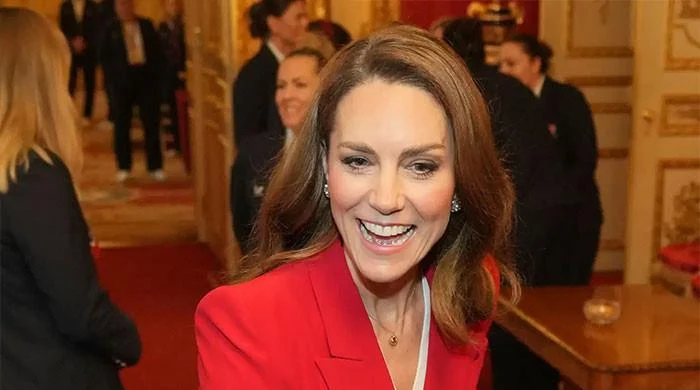
The 44-year-old hosted England’s World Cup-winning women’s rugby squad at Windsor Castle on Thursday, but it was her low-key arrival that caught attention online. 

In a video circulating on social media, an eyewitness spotted Kate driving herself through the Castle gates, stepping out from the driver’s seat and striding across the gravel in a striking red Alexander McQueen trouser suit.

The Prince and Princess of Wales live at Adelaide Cottage in Windsor Great Park, just a short 3.6-mile drive from the King’s Berkshire residence, close enough for a quick spin rather than a full motorcade.

While royal engagements often come with a driver in tow, getting behind the wheel is hardly without precedent. 

Queen Elizabeth II famously loved driving around her private estates, often at the wheel of a Range Rover, while Prince Philip once played chauffeur for former US President Barack Obama and First Lady Michelle Obama during their 2016 visit to Windsor.

The tradition continues today in slightly greener form. King Charles has developed a fondness for eco-friendly vehicles and has been spotted driving electric cars and even hydrogen-powered models reflecting his long-standing environmental interests.

Continent beneath ice: New map reveals Antarctica’s hidden world

0
Continent beneath ice: New map reveals Antarctica's hidden world

Continent beneath ice: New map reveals Antarctica’s hidden world

Scientists have discovered the most detailed map of the incredibly diverse landscape hidden beneath the Antarctic ice sheet.

This historic map, published in the journal Science, reveals a world of mountain ranges, canyons, and over 30,000 previously unknown hills and valleys.

Until recently, the continent’s subglacial topography was a blank slate, with information about it less available than the maps of the surface of the planet Mars.

Using a technique called Ice Flow Perturbation Analysis, the researchers generated this new topographic information from high-resolution satellite imagery to infer the shape of the underlying topography.

Co-author Roobert Bingham, a glaciologist at the University of Edinburgh, stated, “Having the most accurate map of Antarctica’s bed shape is crucial.”

The data suggests a landscape of astonishing diversity, such as a valley with steep sides that stretches for nearly 250 miles in the Maud Supraglacial Basin.

Selected typographies of new IFPA subglacial typohraphy

In certain areas, it may look like the spiky Alps rather than rounded hills—a vital difference when modelling iceberg melt.

It is expected to significantly help computer modelling of Antarctica’s ice sheet response to climate change.

It is essential to know that the Antarctic Ice Sheet has about 70% of the world’s freshwater.

The map not only reveals Earth’s last unexplored frontier but also gives the essential ground truth needed to understand its future.

Eva Mendes revisits year she hid pregnancy

0
Eva Mendes revisits year she hid pregnancy

Eva Mendes revisits year she hid pregnancy

Eva Mendes is looking back at her second pregnancy days

The 51-year-old actress took to her Instagram account on Thursday, January 15, dipping her toes in the viral social media trend of posting pictures from the year 2016.

The post featured Eva’s throwback snap while she was pregnant with her second child.

In the black-and-white photo, she can be seen sitting on the stairs, beaming smile, while carrying multiple blankets on her lap.

Eva Mendes revisits year she hid pregnancy

“2016 — I was pregnant. This is me hiding my belly,” she texted over the image.

She also included her post-pregnancy snaps in the carousel of her first “post-baby” photoshoot.

“2016 — I was hiding my second pregnancy from the public, made some pretty cool biz moves, and heartbreakingly, my brother John passed,” Eva penned down in the caption.

“Thank God my youngest was born and saved the family,” she added with a heart emoji.

It is pertinent to mention that Eva is a mom to two daughters, Esmeralda Amada, 10 and Amada Lee, 9, whom she shares with ex husband Ryan Gosling.

In a 2024 appearance on the Drew Barrymore Show, the Hitch actress opened up about her motherhood experience.

“I felt a little lost when I had kids, in the sense where I was like, I don’t really know how to do that job and be other people. What was it for you, may I ask?” Drew asked Eva.

“Yeah, I felt, I actually didn’t feel lost. I felt very clear, but then I felt lost, if that makes sense. Then, when it was like the cliché of, ok, well, who am I now after the kids can survive on their own?” Eva replied.

“I mean, they’re only 8 and 10, but you know what I mean? They don’t need me every second. It’s a little different. But I love talking to my girls about anything, so I feel very fulfilled,” the doting mom added.

Hassett pivots to possible ‘Trump cards’ amid credit card interest rate battle with banks

0
Hassett pivots to possible 'Trump cards' amid credit card interest rate battle with banks

Kevin Hassett, director of the National Economic Council, speaks to members of the media outside the White House in Washington, DC, US, on Friday, Oct. 24, 2025.

Francis Chung | Bloomberg | Getty Images

White House economic advisor Kevin Hassett said Friday that large U.S. banks could voluntarily provide credit cards to underserved Americans as a means to address President Donald Trump’s affordability push.

A week ago, Trump called for banks to cap credit card interest rates at 10%, an idea that has been roundly rejected by industry executives and their lobbyists this week.

Now, Hassett, who is director of the National Economic Council, is floating a different plan, this one more narrowly focused on consumers who don’t have credit access but have the income to justify credit lines.

“They could potentially voluntarily provide for people who are in that sort of sweet spot of not having financial leverage very much because they don’t have access to credit, but they have enough income and stability in their lives so they’re worthy of credit,” Hassett told Fox Business host Maria Bartiromo.

“Our expectation is that it won’t necessarily require legislation, because there will be really great new ‘Trump cards’ presented for folks that are voluntarily provided by the banks,” he said.

The comments could indicate that the administration is downgrading its efforts for broad changes to the card industry that would be difficult to enact and that could hit consumer spending and the economy.

This week, bankers discussing fourth-quarter results said that rather than offering cards at a 10% interest rate, as Trump has said should happen by Jan. 20, the banks would simply close many customers’ accounts.

Hassett’s statement came in response to a question about whether bankers would be forced to comply with Trump’s rate cap, a move that would probably require new legislation.  

The administration has been talking with “CEOs of many of the big banks who think that the president’s onto something,” Hassett said.

A major credit card issuer and a bank lobbyist representing big lenders told CNBC that they haven’t yet had any discussions with the administration about the “Trump card” concept.

SBP injects Rs12.8tr via OMOs | The Express Tribune

0
gold and rupee trade

Gold and rupee trade.


KARACHI:

The State Bank of Pakistan (SBP) on Friday injected substantial liquidity of around Rs12.8 trillion into the banking system through both conventional and Shariah-compliant Open Market Operations (OMOs).

According to official results, the central bank conducted a conventional OMO (reverse repo purchase) on January 16, 2026, injecting a total of Rs12.39 trillion at cut-off rates aligned close to the policy corridor. Under the operation, SBP accepted Rs728.41 billion for the seven-day tenor at a rate of 10.53%, while Rs11.66 trillion was accepted for the 14-day tenor at 10.51%, against total bids of Rs12.72 trillion.

On the same day, SBP also carried out a Shariah-compliant Mudarabah-based OMO injection, providing Rs410.8 billion in liquidity to Islamic banks. The central bank accepted Rs390.8 billion for a seven-day tenor and Rs20.0 billion for a 14-day tenor, both at a rate of return of 10.53%.

Market participants said the scale of the injections underscored persistent liquidity requirements, largely driven by the government’s cash balances.

Meanwhile, the Pakistani rupee posted a marginal appreciation against the US dollar in the interbank market on Friday, edging up by one paisa to close at 279.95. A day earlier, the local currency had settled at 279.96 against the greenback.

Gold prices in Pakistan, however, remained unchanged on Friday, tracking a sharp pullback in the international bullion market. Global prices fell by more than 1% as investors booked profits after recent record highs, while easing geopolitical tensions reduced the metal’s safe-haven appeal.

In the domestic market, the price of gold per tola stood at Rs482,462, unchanged from the previous close. Similarly, the price of 10 grams of gold remained stable at Rs413,633, according to rates released by the All-Pakistan Gems and Jewellers Sarafa Association (APGJSA). On Thursday, gold had declined by Rs3,700 per tola to settle at the same level.

Internationally, spot gold was trading around 1% lower at $4,567.89 per ounce by 10:48am ET, after touching an all-time high of $4,642.72 earlier in the week. Despite the daily decline, bullion remained on track for its second consecutive weekly gain of around 1.3%. The international gold rate was quoted at $4,601 per ounce, inclusive of a $20 premium.

Market sentiment was influenced by signs of easing geopolitical risks, including remarks by former US president Donald Trump suggesting a potential easing of tensions involving Iran, along with reports of a trade deal between the United States and Taiwan. Analysts said profit-taking after record highs weighed on prices, even as broader uncertainty continued to support bullion on a weekly basis. Elevated global prices have also kept physical gold demand subdued in key markets such as India.

Meanwhile, silver prices in the local market edged higher, with silver gaining Rs100 to settle at Rs9,525 per tola. Internationally, silver and platinum were also poised to post weekly gains, reflecting continued investor interest in precious metals despite near-term volatility.

Consumers brace for tariff hike | The Express Tribune

0
tribune


ISLAMABAD:

Consumers are likely to bear an increase of up to Rs0.48 per unit in electricity tariffs on account of fuel cost adjustment for December 2025. Earlier, the reference price had been set at Rs9.14 per unit, but the actual price came in at a higher level at Rs9.62 per unit, registering a rise of Rs0.48.

Central Power Purchasing Agency Guarantee Limited (CPPA-G) has filed a request with the National Electric Power Regulatory Authority (Nepra), seeking an increase of Rs0.4781 per kilowatt-hour (kWh) compared to the reference fuel cost.

CPPA-G estimated the fuel charges for December at Rs9.1419 per kWh but the adjustment will raise the applicable cost to Rs9.6200 per kWh.

Data provided by CPPA-G shows that the total energy generation reached 8,487 gigawatt hours (GWh) during December. The net energy delivered to the distribution companies (DISCOs) stood at 8,208 GWh after accounting for losses and adjustments. Transmission losses were reported at 259 GWh, comprising 3.05% of the energy production.

Hydel power contributed 1,534 GWh, representing 18.07% of the monthly energy mix. Local coal-fired plants generated 1,187 GWh, accounting for 13.99% of the total output. Imported coal plants produced 860 GWh, which contributed 10.13%.

Gas-based power generation reached 951 GWh, or 11.20% of the energy mix. Re-gasified liquefied natural gas (RLNG) based generation stood at 1,464 GWh, consisting of 17.24% of the total. Nuclear power emerged as the largest contributor with 2,126 GWh, or 25.05%.

Electricity imports from Iran added 33 GWh, accounting for 0.39%. Wind energy supplied 162 GWh, or 1.91% of the total generation. Bagasse-based plants produced 97 GWh, making up 1.14%, while solar power contributed 74 GWh, or 0.87% of the total output.

RLNG generation carried the highest fuel cost at Rs20.5457 per kWh during the month under review. Imported coal followed with a cost of Rs14.3088 per kWh, gas-based electricity with Rs13.8030 per kWh and local coal-fired generation with Rs13.1286 per kWh.

Nuclear power generation remained the cheapest source, with fuel cost reported at Rs2.3009 per kWh. Bagasse-based electricity carried a fuel cost of Rs10.3937 per kWh while electricity imports from Iran were priced at Rs21.9685 per kWh.

Total fuel cost for energy production during December was calculated at Rs77.706 billion. After previous adjustments of Rs2.398 billion and accounting for sales to the independent power producers, the net fuel cost of energy delivered to DISCOs reached Rs78.957 billion. This translated into an average fuel cost of Rs9.6200 per kWh.

NEPRA has scheduled a public hearing on January 29 to consider the request for electricity price hike on account of fuel cost adjustment.

This is how laughter can improve your health

0
This is how laughter can improve your health

Laughter has been a prescription for what ails us for thousands of years.

Using humor to relieve pain and stress has roots as far back as the 14th century, Dr. Jane Riffe, a former West Virginia University Extension Specialist, told Michigan State University.

And hospitals would bring in clowns to cheer up children who had fallen ill starting in the early 1900s.

Since then, doctors have learned more about why and how laughter can be medicinal.

Just a few minutes a day can make a difference, according to Dr. Michael James Sass Jr., a primary care physician at Geisinger Lewisburg. “There’s no downside to laughter,” he explained.

Laughter can make a real difference to your mood and wellbeing

Laughter can make a real difference to your mood and wellbeing (Getty/iStock)

“This ‘medicine’ is quick, free and accessible anywhere, with no negative side effects,” Sass added. “Besides, it’s fun.”

A quick mood boost

Laughter relaxes muscles, improves mood and lowers stress and anxiety: conditions that are risk factors for life-threatening disease and premature death.

It lowers levels of the stress hormone cortisol – a single session may reduce levels by 37 percent, according to UCLA Health – and raises the “feel good” hormones dopamine and serotonin, according to Harvard Health.

It also increases our levels of endorphins, hormones that help to relieve pain.

A 2011 study found that people who watched funny videos after putting a freezing wine sleeve over their arm were able to stand the cold longer.

“The release of endorphins can heighten the body’s natural pain-relief mechanisms, which can be especially helpful for managing chronic discomfort and enhancing overall mood,” said Sass.

Experts say that laughing can improve your immune, heart and brain health

Experts say that laughing can improve your immune, heart and brain health (Getty Images for Food Bank For NYC)

Health benefits that are no laughing matter

Laughing can activate immune cells and antibodies in the blood that Sass said help to fight off infections.

And specialized white blood cells that fight cancer become more active after we laugh, too.

After showing people a funny video, a 2008 trial showed a difference in the activity of natural killer cells in people who laughed out loud versus those who just looked amused.

It’s not just immune health that benefits, either.

Laughing helps us get more oxygen and breathe deeper, improving blood circulation and organ function and slowing heart rate.

People who laugh regularly have a lower risk of heart attack, according to Geisinger.

“When we get all this oxygen to our organs, our heart rate decreases, brain fog can dissipate,” psychologist Dr. Grace Tworek told the Cleveland Clinic. “It’s the opposite of the stress response. Increased oxygen can help you think more clearly and just allow your body to let go.”

The laugh diet

Laughing may help people to lose weight, as well.

Just 10 to 15 minutes can burn up to 40 calories, according to the Vanderbilt University Medical Center.

It helps keep blood sugar levels down, Sass said.

“A good comedy won’t treat diabetes, but it can slightly dampen the crazy sugar spike after you eat birthday cake,” he said.

Gotham’s Rose Lavelle named U.S. women’s player of year

0
Gotham's Rose Lavelle named U.S. women's player of year

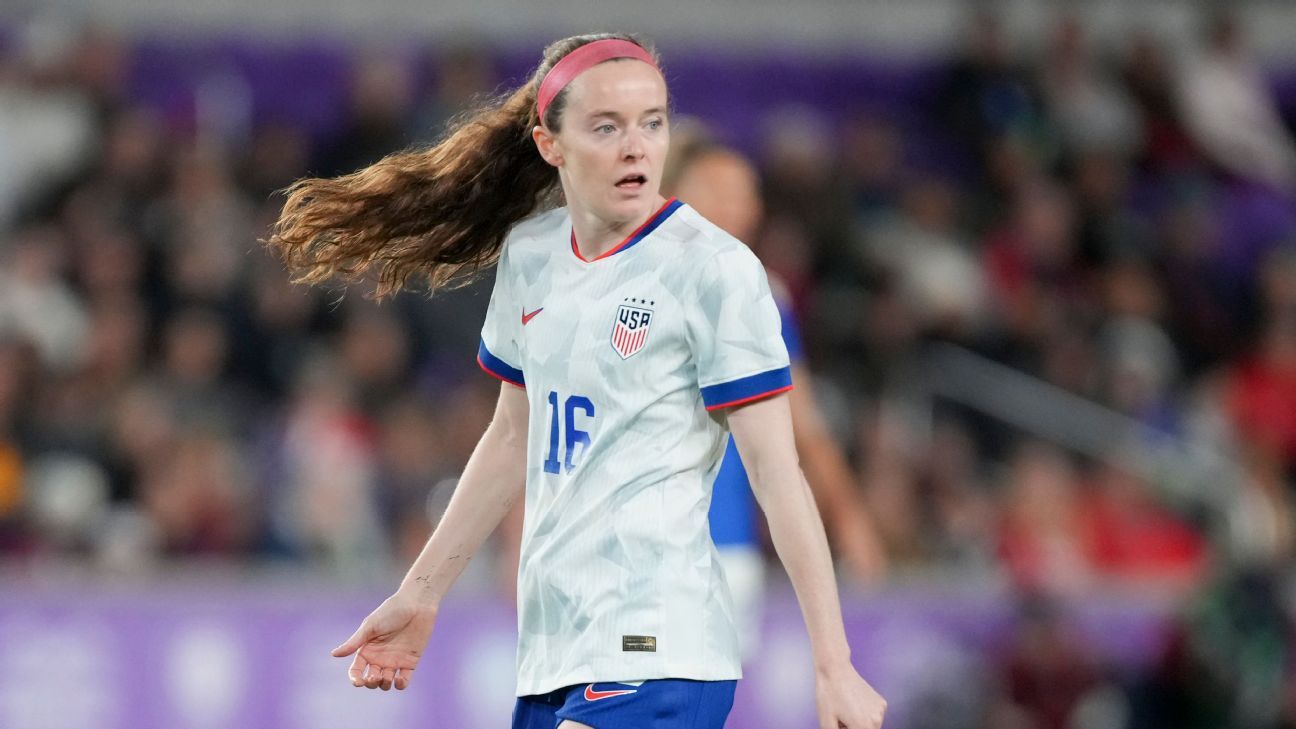
Gotham FC and United States women’s national team midfielder Rose Lavelle has been voted U.S. Soccer’s Female Player of the Year for 2025.

Lavelle carried 29.2% of the weighted vote, followed by Sam Coffey (23.9%) and Catarina Macario (22.3%).

Voters for the award were collected from respective U.S. national team coaches, U.S. national team players who earned a cap in 2025, members of the U.S. Soccer Board of Directors, U.S. Soccer Athletes’ Council, National Women’s Soccer League head coaches and select media members and administrators.

Lavelle, 30, was sidelined by an ankle injury for much of the first half of the year, but went on to make six appearances for the USWNT, scoring three goals and adding three assists.

The Cincinnati, Ohio, native had an even bigger impact at club level.

After scoring six goals and adding two assists during the regular season, she led Gotham to the 2025 NWSL Championship, scoring the game winner in the final to defeat the Washington Spirit 1-0.

That tally saw her not only earn the game’s MVP award, but she became the first player to score in two NWSL Championships as well as a FIFA Women’s World Cup final.

“When I look at the past year, it feels like a testament to the support system I had, with my family, the medical staff at Gotham and with the National Team, all my teammates, coaches and friends,” Lavelle said in a statement.

“I wouldn’t have been in the position to even be up for the award without all of the support I received throughout the year just to get back on the field. So, this award is definitely shared with all the people I was lucky enough to have in my corner along the way.”

Lavelle’s club teammate, Lilly Reale was voted U.S. Soccer’s Young Female Player of the year. Reale earned 48% of the weighted vote, followed by Jordyn Bugg (29.6%) and Micayla Johnson (16.1%).

In her rookie season, Reale had a significant impact, logging 2,217 minutes in 29 matches across all competitions.

“This year in particular has been one marked by major growth moments, joy and lots of lessons,” Reale said. “Through it all, I feel so lucky to have been surrounded by such charismatic teammates, coaches and fans.

“Being able to play alongside many of my role models and represent my country at the highest level is something that I’ll never take for granted.”

After starting the year with the U.S. U23 team, Reale made her USWNT debut with a start on June 26 against Ireland and not only helped the team to a shutout but also recorded her first career international assist. She went on to make six appearances for the USWNT in 2025.

The U.S. Soccer Female Player of the Year has been awarded since 1985 when midfielder Sharon Remer earned the first Female Player of the Year honor.

Abby Wambach won the award six times, the most of any player. Mia Hamm won it five times. Lavelle is the 22nd different player to win the award.

Reale marks the 28th player to be named the U.S. Soccer Young Female Player of the Year, an award a player can win only once.

The first time it was awarded, back in 1998, was to current U.S. Soccer president Cindy Parlow Cone.