Home Blog Page 2807

Staying single could be bad for your health, study finds

0
Staying single for too long could impact young people’s health, study finds

Young Americans are increasingly not entering into romantic relationships – a reality that researchers now warn could be harmful for their health.

The number of Gen Zers – those born between 1997 and 2012 – reporting they had been in a relationship at any point as a teen was 20 percent lower than Gen Xers and 22 percent lower than Baby Boomers, according to a 2023 poll from the Survey Center on American Life, and a 2025 study from the American Institute for Boys and Men found that more than 40 percent of Gen Z men reported having no relationship experience as teens last year.

In fact, a recent national survey of 20,000 people deemed Gen Z the “loneliest generation,” besting even Millennials.

Now, a new analysis of more than 17,000 teens and young adults in Germany and the United Kingdom shows anyone who remains single over an extended period experiences increasing feelings of loneliness and a greater decline in life satisfaction.

The deficits to well-being also tick up during peoples’ late twenties, a time when symptoms of depression rise, researchers at Switzerland’s University of Zurich said in a release.

People who remain single for an extended period experience increasing feelings of loneliness, European researchers say

People who remain single for an extended period experience increasing feelings of loneliness, European researchers say (AFP via Getty Images)

“Overall, our findings show that remaining single for a prolonged period in young adulthood is associated with moderate risks to well-being,” Michael Krämer, a senior researcher, explained.

The education problem

The researchers looked at the responses of people between the ages of 16 and 29 years old.

The examination showed that men, people with higher levels of education, people whose current well-being is lower and people who live alone or with a parent are more likely to remain single for longer.

“Our results demonstrate that both socio-demographic factors such as education and psychological characteristics such as current well-being help predict who will enter into a romantic relationship and who won’t,” Krämer said.

He noted that the results support previous research regarding a link between focusing on education and postponing committed relationships.

Meet cute

The researchers also discovered the importance of a first relationship for young people.

Respondents who entered their first partnership reported a higher life satisfaction and feeling less lonely.

This was true in both the shorter and longer term. But, the longer people wait to enter a first relationship, the longer being single lasted.

“This suggests that entering a first relationship may become more difficult when people are in their late 20s – especially since lower well-being also increases the likelihood of remaining single for longer,” Krämer said.

Loneliness has been tied to life-threatening health concerns

Loneliness has been tied to life-threatening health concerns (AFP via Getty Images)

The issue with loneliness

The negative health effects of loneliness have been widely researched, and there’s no shortage of concerns.

For one, loneliness raises levels of the stress hormone cortisol, leaving people at risk for vascular, immune system and heart problems, according to the Cleveland Clinic.

Other health risks associated with loneliness include high blood pressure, dementia, diabetes, stroke, suicide and premature death.

“We know the effect stress has on the body and loneliness is extremely stressful,” psychologist Dr. Adam Borland told the clinic. “If we’re experiencing loneliness, we don’t necessarily take care of ourselves the way we should. And that can lead to health issues.”


Idris Elba gets honest about managing real-life hijack situation

0
Idris Elba gets honest about managing real-life hijack situation

Idris Elba gets honest about managing real-life hijack situation

Idris Elba recently got candid and shared how he would react in a real-life hijack situation.

While conversing with PEOPLE magazine regarding the second season of his blockbuster Apple TV thriller series Hijack, the 53-year-old English actor and rapper got honest about who would navigate a real-life hijacking situation better, he or his character Sam Nelson.

Elba admitted that Nelson, a corporate negotiator, has the upper hand when it comes to taking control of the situation.

He added, “I’d handle it worse probably. I’d handle it worse. I’m not sure I’d think on the way he does.”

The star of A House of Dynamite went on to reveal that his personality is completely different from Nelson’s, but if he ever finds himself caught in a hostage situation, he will try to connect with his captors on a personal level.

He elaborated, “I would try and appeal to the human beings involved and try and say, ‘Hey, man, it doesn’t have to be like this.’ Where he’s a lot more like, ‘Okay, I’ll figure this out. I’ll double cross you all somehow.’”

Elba stated that he tries to be “calm and not a panicker, but definitely probably not as good as a negotiator as him [Sam].”

For those unaware, the first season of Hijack landed Nelson in a high-flying hostage situation on a plane and now in a sophomore season, he finds himself on an underground train in Berlin.

It is significant to mention that Hijack season 2 was released on January 14, 2026, on Apple TV.  

Luxury, auto stocks slide as Trump ties Greenland purchase to new tariffs

0
Luxury, auto stocks slide as Trump ties Greenland purchase to new tariffs

Luxury, auto stocks slide as Trump ties Greenland purchase to new tariffs

European markets opened lower on Monday, January 19, after U.S. President Donald Trump threatened tariffs on eight European countries amid rising trade tensions.

The pan-European STOXX 600 index dropped 1% in mid-morning trading, marking a dismal start for a week in which earnings statements and the World Economic Forum in Davos are expected to drive markets.

The French market’s CAC 40 index declined by 1.4 per cent, the German market’s DAX index fell 1.2 per cent, and the FTSE 100 in London closed lower by 0.5

On the same day, Trump announced that a 10% tariff will now be imposed on products from Denmark, Norway, Sweden, France, Germany, the Netherlands, Finland, and the UK, starting on Feb. 1.

However, the rate will increase to 25% on Jun. 1 unless a deal is reached allowing the US to buy Greenland.

Responding to the situation, European officials described the tariff threat as coercive and explored countermeasures, suggesting potential tariffs on $108 billion of U.S. imports and other actions under the EU’s Anti-Coercion Instrument.

Analysts noted that Trump’s tariff strategy is more politically motivated than economic.

Shares of luxury, auto, and technology companies were among the sectoral decliners, falling 3.1%, 2.4%, and 2.2%, respectively, as the luxury and auto sector indexes hit a three-month low. Volatility in Eurozone equities also reached a high last seen in November.

Market analysts have noted that the absence of trading volume in the US markets in observance of the Martin Luther King Jr. Holiday could also lead to the amplification of these trends since declines were also registered in the futures of S&P 500, Nasdaq, EURO STOXX50, and DAX as investors turned their attention towards safe currencies such as the Japanese yen.

The market uncertainty was further fueled by global macroeconomic factors such as the slowdown in the economy in China and upcoming inflation data in the U.S. With earnings season already underway, investors are weighing risks along with economic indicators, making stocks highly susceptible to further market swings

Glaucoma Of Silence: Why Some Eyes Stay Quiet Until It’s Too Late

0
Glaucoma Of Silence: Why Some Eyes Stay Quiet Until It’s Too Late

Last Updated:

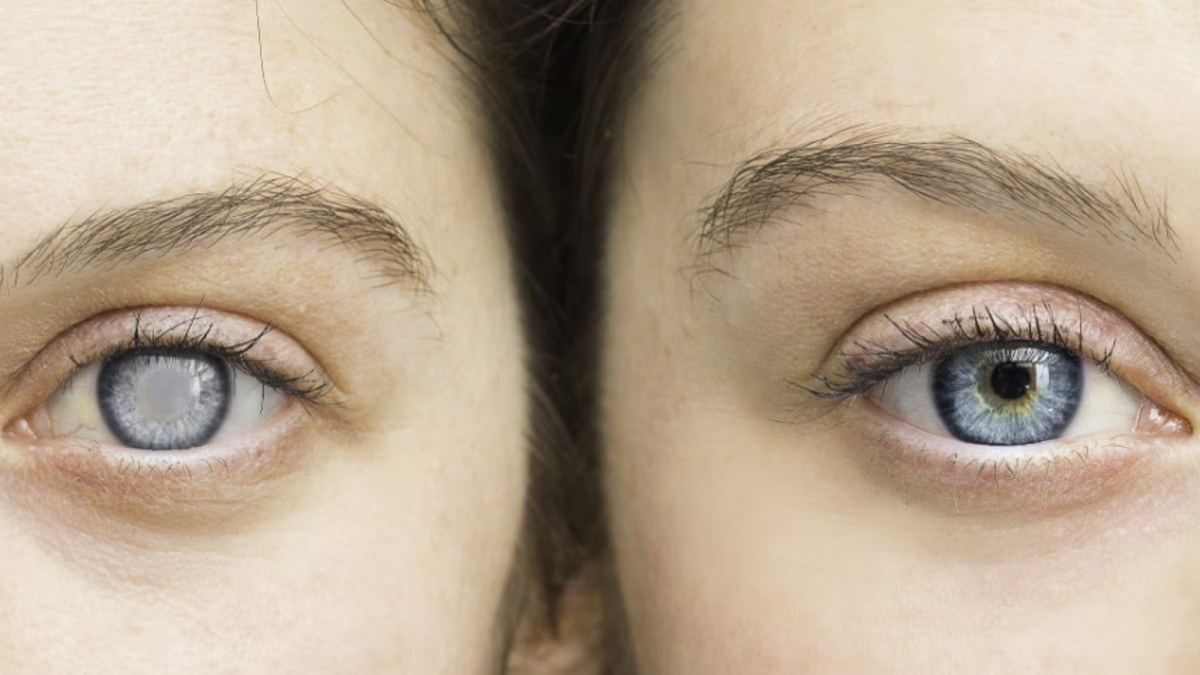
Glaucoma often progresses without symptoms until vision loss occurs. Learn why early eye tests and awareness are critical to detecting this silent eye disease before it’s too late.

Public awareness is critical. By understanding that glaucoma often develops silently and by encouraging regular eye examinations, we can significantly reduce the devastating impact of late-stage diagnosis

Public awareness is critical. By understanding that glaucoma often develops silently and by encouraging regular eye examinations, we can significantly reduce the devastating impact of late-stage diagnosis

Glaucoma is often called the “silent thief of sight”, a progressive eye disease that damages the optic nerve and can lead to irreversible vision loss. What makes it particularly dangerous is its stealth: in the early stages, glaucoma usually develops without noticeable symptoms. Many people remain unaware of the condition until significant and permanent damage has already occurred. Emerging research suggests that certain physiological traits may predispose some eyes to an especially subtle, symptom-free progression, making early detection even more challenging.

Dr Sudipto Pakrasi, Chairman, Ophthalmology, Medanta, Gurugram, shares key insights into this silent condition.

The Slow Erosion of the Optic Nerve

At the heart of glaucoma lies the gradual deterioration of the optic nerve, the vital channel that transmits visual information from the eye to the brain. Elevated intraocular pressure (IOP) is a well-known risk factor, but optic nerve damage can also occur in individuals with normal IOP levels. This complexity underscores why glaucoma cannot be diagnosed by pressure checks alone; comprehensive evaluation is essential.

Hidden Variations in Eye Physiology

In many cases, vision loss begins in the peripheral field, an area we rarely notice in daily life. The brain’s remarkable ability to compensate for these subtle deficits often masks the problem. Some individuals, however, appear to have ocular physiology that inherently suppresses symptoms. Their optic nerves may tolerate stress for longer periods, allowing damage to accumulate silently before any perceptible impairment emerges.

Why Symptoms Stay Invisible

Several factors influence whether glaucoma remains unnoticed:

Optic nerve resilience: Some optic nerves can withstand elevated IOP or other stressors longer before showing signs of damage.

Pattern of nerve fibre loss: Damage in certain regions causes subtle visual field defects that are easily overlooked.

Cognitive adaptation: The brain unconsciously “fills in” missing visual information, masking deficits.

Rate of progression: Slowly advancing glaucoma can remain hidden for years, delaying awareness.

The Critical Role of Regular Eye Examinations

Because glaucoma often progresses without warning, routine eye examinations are the most effective safeguard. Individuals at higher risk including those with a family history of glaucoma, older adults, people of African or Asian descent, and those with conditions such as diabetes or hypertension should undergo comprehensive testing.

Key diagnostic tools include:

Tonometry: Measurement of intraocular pressure

Visual field testing: Assessment of peripheral vision

Optic nerve imaging: Using ophthalmoscopy or optical coherence tomography (OCT)

Early Detection: The Only Defence

While glaucoma-related damage cannot be reversed, early detection can preserve vision. Treatments such as medicated eye drops, laser therapy, or surgical interventions can lower intraocular pressure and slow or even halt disease progression.

Raising Awareness to Protect Sight

Public awareness is critical. By understanding that glaucoma often develops silently and by encouraging regular eye examinations, we can significantly reduce the devastating impact of late-stage diagnosis. Vigilance today is essential to safeguarding vision for tomorrow.

Disclaimer: Comments reflect users’ views, not News18’s. Please keep discussions respectful and constructive. Abusive, defamatory, or illegal comments will be removed. News18 may disable any comment at its discretion. By posting, you agree to our Terms of Use and Privacy Policy.

Billy Bob Thornton on how his

0
Billy Bob Thornton on how his

Billy Bob Thornton joins “CBS Mornings” to discuss the second season of the hit series “Landman,” which he stars in as oil executive Tommy Norris. Thornton talks about his immediate chemistry with Ali Larter and why the show resonates with viewers.

Dermatologist shares tips to help dry winter skin

0
Dermatologist shares tips to help dry winter skin

Dr. Rachel Nazarian, a board-certified dermatologist, joins “CBS Mornings” to share her tips for saving your dry winter skin.

Kodak Had The World’s First Digital Camera But Chose Films Over Future, Went Bankrupt

0
Kodak Had The World's First Digital Camera But Chose Films Over Future, Went Bankrupt

Last Updated:

Kodak, once a global photography giant, missed the digital revolution despite Steve Sasson’s invention, leading to bankruptcy in 2012 and a dramatic fall from dominance

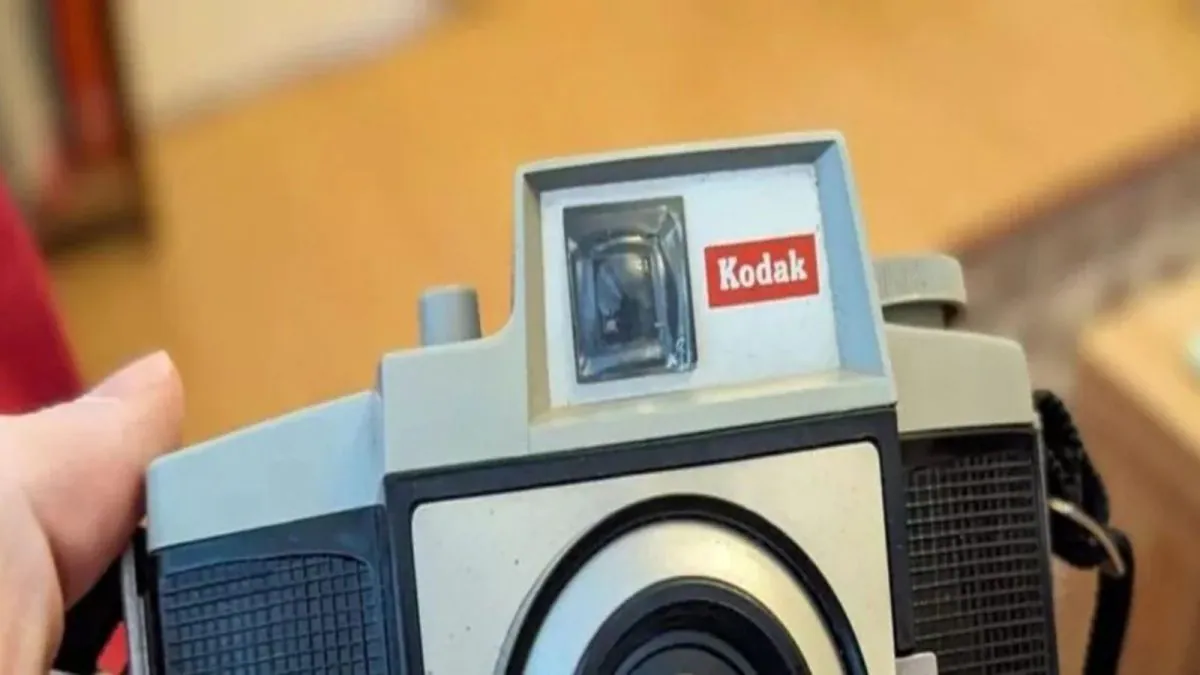
In early 2000s, film sales collapsed, photo labs shut down and the iconic yellow Kodak box began disappearing from shelves. (News18 Hindi)

In early 2000s, film sales collapsed, photo labs shut down and the iconic yellow Kodak box began disappearing from shelves. (News18 Hindi)

If you grew up in the 1980s or 1990s, photography likely meant one thing – Kodak. From carefully loading film into cameras to waiting days for prints to arrive, the brand dominated how the world captured memories. Not just in India, but globally, Kodak was synonymous with photography.

Kodak was founded in 1888 by George Eastman, whose vision was to make photography accessible to everyone. His idea worked. With the slogan “You press the button, we do the rest”, Kodak turned a complex process into a household habit. The company’s business model was equally smart; cameras were sold cheaply, while profits flowed from film, chemicals and photo paper; the classic “razor and blade” strategy.

By the 1990s, Kodak controlled nearly 90% of the US film market, and the phrase “Kodak moment” had entered popular culture. The company had billions in cash, global dominance and a workforce running into thousands.

Then came the moment that could have changed everything. In 1975, a Kodak engineer named Steve Sasson invented the world’s first digital camera inside the company’s own lab. The prototype was bulky, wired and shot black-and-white images stored on a cassette tape, which could be viewed by connecting the device to a television. Primitive as it was, the invention was revolutionary. Sasson presented it to Kodak’s top management, expecting excitement. Instead, he was told to keep it quiet.

The reason was that digital photography did not need film. Executives feared that if the technology became mainstream, Kodak’s core business would collapse. They also believed consumers would always prefer physical photographs over images on a screen. The invention was shelved, and Kodak doubled down on film. In hindsight, rejecting digital photography was the company’s biggest mistake.

For nearly two decades, Kodak remained convinced that digital images would never match the quality or emotional value of film. While the company hesitated, rivals such as Sony, Canon and Nikon invested steadily in digital technology. By the late 1990s, digital cameras had entered the market, but Kodak was still reluctant to abandon its legacy business. Even when it launched digital products, it tried to replicate the look and feel of film, unable to accept that the era had changed.

The rise of the internet dealt the final blow. As personal computers and email became common in the early 2000s, people stopped printing photographs altogether. Images were stored, shared and viewed digitally. Film sales collapsed, photo labs shut down and the iconic yellow Kodak box began disappearing from shelves. Kodak attempted a late pivot, spending millions to enter the digital space, but by then the market was firmly controlled by competitors.

In 2012, Kodak filed for bankruptcy, stunning the global business community. Once valued in billions and employing over 1,40,000 people worldwide, the company was reduced to selling patents to survive. Thousands lost their jobs, and Kodak’s factories in New York fell silent. The empire had effectively ended.

Ironically, Kodak’s downfall unfolded even as small digital-first companies were thriving. Platforms like Instagram, with a fraction of Kodak’s resources, built massive valuations by understanding how people wanted to save and share memories in a digital age. Kodak, despite having the technology, the brand and the capital, failed to recognise that shift.

Today, Kodak still exists, but only as a shadow of its former self. It operates in areas such as printing, specialty chemicals and pharmaceuticals, and occasionally produces film for hobbyists. Steve Sasson, often mistakenly believed to have been fired, continued working at Kodak for 35 years and retired in 2009. He even helped develop the first DSLR camera in 1989, which Kodak again chose not to commercialise. Sasson was later honoured by the US President for his contribution to digital photography.

Click here to add News18 as your preferred news source on Google.

Follow News18 on Google. Join the fun, play games on News18. Stay updated with all the latest business news, including market trendsstock updatestax, IPO, banking finance, real estate, savings and investments. To Get in-depth analysis, expert opinions, and real-time updates. Also Download the News18 App to stay updated.
News business Kodak Had The World’s First Digital Camera But Chose Films Over Future, Went Bankrupt
Disclaimer: Comments reflect users’ views, not News18’s. Please keep discussions respectful and constructive. Abusive, defamatory, or illegal comments will be removed. News18 may disable any comment at its discretion. By posting, you agree to our Terms of Use and Privacy Policy.

Read More

Elizabeth Hurley faces an impossible choice as son Damian, beau Billy Ray Cyrus clash

0
Elizabeth Hurley faces an impossible choice as son Damian, beau Billy Ray Cyrus clash

Elizabeth Hurley faces an impossible choice as son Damian, beau Billy Ray Cyrus clash 

It is being reported that Elizabeth “Liz” Hurley is in the middle of a difficult stage of life as she is being forced to choose between her son Damian Hurley and boyfriend Billy Ray Cyrus.

An insider told Radar Online that Liz’s 23-year-old son Damian, who she shares with ex-partner Steve Bing, is growing apart because of her high-profile romance with Billy.

The source shared, “Liz keeps saying this is just a rough patch, that these are growing pains and they’ll get through it, but everyone can see how stressful this is for her.”

Notably, Damian, who is a actor and model by profession, has been the center of mom’s attention after the death of his father, Bing.

For those unaware, Bing, a businessman and film producer, died by suicide at the age of 55 on June 22, 2020.

According to the insider, “Liz and Damian are so close and used to spending so much time together, he has been her plus one forever, and now Billy Ray is taking that spot.”

“Granted, Damian is older now and has his own life. But it’s hard for him to share his mother’s attention. Damian has made it clear he does not want to spend any time with Billy Ray,” claimed the source.

Billy and the Strictly Confidential star are ” like oil and water. Damian is very into the high fashion world and the London society scene – he couldn’t be more posh. And Billy Ray is pure country.”

They were on good terms when Liz “first introduced them,” as “they added each other on Instagram and were messaging. They went on a shopping spree for cowboy boots and hats and Billy Ray even gave Damian a bunch of designer pieces from his own closet. But after Damian’s last visit to Nashville, he refused to come back,” the source revealed.

“Liz is running herself ragged trying to reassure Billy Ray on one side and coax Damian on the other. It’s exhausting. But she won’t give up – these are the two men she loves most,” the source concluded.

It is pertinent to mention that Billy Ray Cyrus and Elizabeth Hurley confirmed their relationship in April 2025 after meeting on the set of Christmas in Paradise in 2022. 

Prince Harry returns to U.K. to be in court for case accusing tabloids of illegal snooping

0
Prince Harry returns to U.K. to be in court for case accusing tabloids of illegal snooping

London — Prince Harry was back in London on Monday, sitting in the U.K.’s highest court to take part in the third and final of his outstanding legal battles against Britain’s tabloid newspapers

Harry is among the high-profile claimants, along with Sir Elton John and actresses Elizabeth Hurley and Sadie Frost, who have accused the Associated Newspapers group of “unlawful information gathering.”

The 41-year-old royal, who lives in California, and his fellow celebrities claim the company, which publishes the Daily Mail and the linked MailOnline website, illegally snooped on them by hiring private investigators to hack their phones, bug their cars and access private records to generate scoops.

The publisher has denied all of the accusations, calling them “preposterous smears” and part of a coordinated effort driven by the claimants’ personal dislike of the news media.

In a witness submission seen by CBS News, Harry said it was, “disturbing to feel that my every move, thought or feeling was being tracked and monitored just for the Mail to make money out of it,” adding that the “terrifying” intrusion made him, “paranoid beyond belief, isolating me.”

Prince Harry, Duke of Sussex, arrives at The Royal Courts of Justice for the first day of a court case against Associated Newspapers Ltd, Jan. 19, 2026, in London, England. 

Karwai Tang/WireImage/Getty


Harry, the Duke of Sussex, whose case is based on 14 separate newspaper stories, says the alleged illegal information gathering between 1993 and 2011 put a “massive strain” on his personal relationships. He has long blamed the media for the death of his mother, Princess Diana, who was killed in a car crash in 1997 as her vehicle was pursued by photographers on motorcycles.

He listened in court Monday as his lawyer argued that there was, “clear, systematic and sustained use of unlawful information gathering at both the Daily Mail and the Mail on Sunday.”

Testimony from several private investigators, who have said they worked on behalf of Associated Newspapers, will be used in the trial. CBS News’ partner network BBC news reported Monday that Harry was expected to take the stand himself to offer evidence. 

During his first legal battle with the press, in 2019, against the owners of The Mirror for hacking his phone, Harry became the first senior member of the royal family to give in-person testimony in a British court in more than 130 years. Courts ruled in his favor multiple times in that case.

“The journalists who used me and the editors who sanctioned this knew full well that I was a practitioner of the ‘Dark Arts,'” private investigator Steve Whittamore said in a witness statement ahead of the trial that began Monday. “If the information the journalists requested could have been acquired legitimately … then the newspapers would have had no need to use my particular services.”

Another witness, known as “Detective Danno,” claims to have been paid the equivalent of more than $1 million by the Mail for over 20 years of work for the paper. 

The publisher has argued that evidence from private detectives can’t be trusted.

Royah Nikkhah, royal editor for The Sunday Times and a CBS News contributor, said Monday that Prince William appeared to be “full of confidence” about his case, but “he’s not really relishing the prospect of being in court all week.”

Last year, Rupert Murdoch’s right-leaning News Group Newspapers settled out of court with the royal, offering a full formal apology for “serious intrusion” and a multi-million dollar payout.

The case against Associated Newspapers is expected to last nine weeks, culminating with a decision by Judge Matthew Nicklin, whose verdict will determine not only the lasting reputation of a major media company, but also who foots the bill for tens of millions of dollars in legal costs. 

“If Harry wins this case, it will give him a feeling … that he wasn’t being paranoid all the time,” Nikkhah told CBS News. “If Harry loses this case, it’s huge jeopardy for him, not just in terms of cost, but in terms of pushing all the way to trial and not seeking to settle. So we have to wait and see, but it’s high stakes for Harry.”

244 Special Trains Carried Over 4.5 Lakh Devotees During Mauni Amavasya: Railway Ministry

0
244 Special Trains Carried Over 4.5 Lakh Devotees During Mauni Amavasya: Railway Ministry

New Delhi: Indian Railways successfully managed rail traffic during the Mauni Amavasya period, operating 244 special trains across the country since January 3, ensuring smooth and convenient travel for devotees, according to an official statement issued by the Ministry of Railways on Monday. 

These trains, of which 31 were of Northern Railway (NR), 158 trains of North Central Railway (NCR), and 55 trains of North Eastern Railway (NER), served around 4.5 lakh passengers. The special services were planned to facilitate hassle-free journeys and safe travel during the festive period.

On January 18, Prayagraj witnessed the peak of festive travel with 40 special trains in operation, including 11 trains of NR, 22 trains of NCR, and seven trains of NER, carrying approximately 1 lakh passengers. Notably, all regular trains ran as scheduled, demonstrating effective planning and operational efficiency by Indian Railways, the statement explained.

Add Zee News as a Preferred Source


“The successful operation of these special trains reflects Indian Railways’ commitment to providing safe, convenient, and uninterrupted services to passengers during peak festive periods. The railways continue to leverage technology, resource planning, and coordination across zones to manage large-scale passenger movements efficiently,” the statement said.

Earlier, Indian Railways operated more than 43,000 special train trips in 2025 to ensure smooth travel and clear the rush during major religious festivals and peak holiday seasons.

During the year, Indian Railways undertook one of its largest special train operations for Maha Kumbh, operating 17,340 special train trips between January 13 and February 28, 2025, to facilitate the movement of a very large number of pilgrims. For Holi, 1,144 special train trips were operated between March 1 and March 22, 2025, nearly double the number run during Holi 2024, ensuring better availability and smoother festive travel.

The summer travel season of 2025, spanning April 1 to June 30, saw the operation of 12,417 Summer Special train trips, maintaining a high level of service during peak vacation months.

Special arrangements for Chhath Puja 2025 were further strengthened, with 12,383 special train trips operated between October 1 and November 30, 2025, marking a substantial increase over the previous year, according to official figures.