Home Blog Page 2691

Olympian Sha’Carri Richardson pleads with officer to ‘work with me’ during speeding arrest: ‘I’m begging you’

0
Olympian Sha'Carri Richardson pleads with officer to ‘work with me’ during speeding arrest: ‘I’m begging you’

NEWYou can now listen to Fox News articles!

Bodycam footage obtained by Fox News Digital showed Olympic gold medal sprinter Sha’Carri Richardson “begging” an officer not to arrest her after she was caught driving recklessly.

Sgt. Gerald McDaniels, driving in the center lane, spotted the Olympian flashing her brights at the car in front of her and announced that Richardson’s Aston Martin topped 104 mph on State Road 429 near Stoneybrook Parkway in Winter Garden, Florida. The officer reached speeds of at least 110 mph in order to catch up.

“I would wipe that smile off your face,” the sergeant told Richardson upon approaching her passenger window. “You’re being stopped for dangerous, excessive speed.”

CLICK HERE FOR MORE SPORTS COVERAGE ON FOXNEWS.COM 

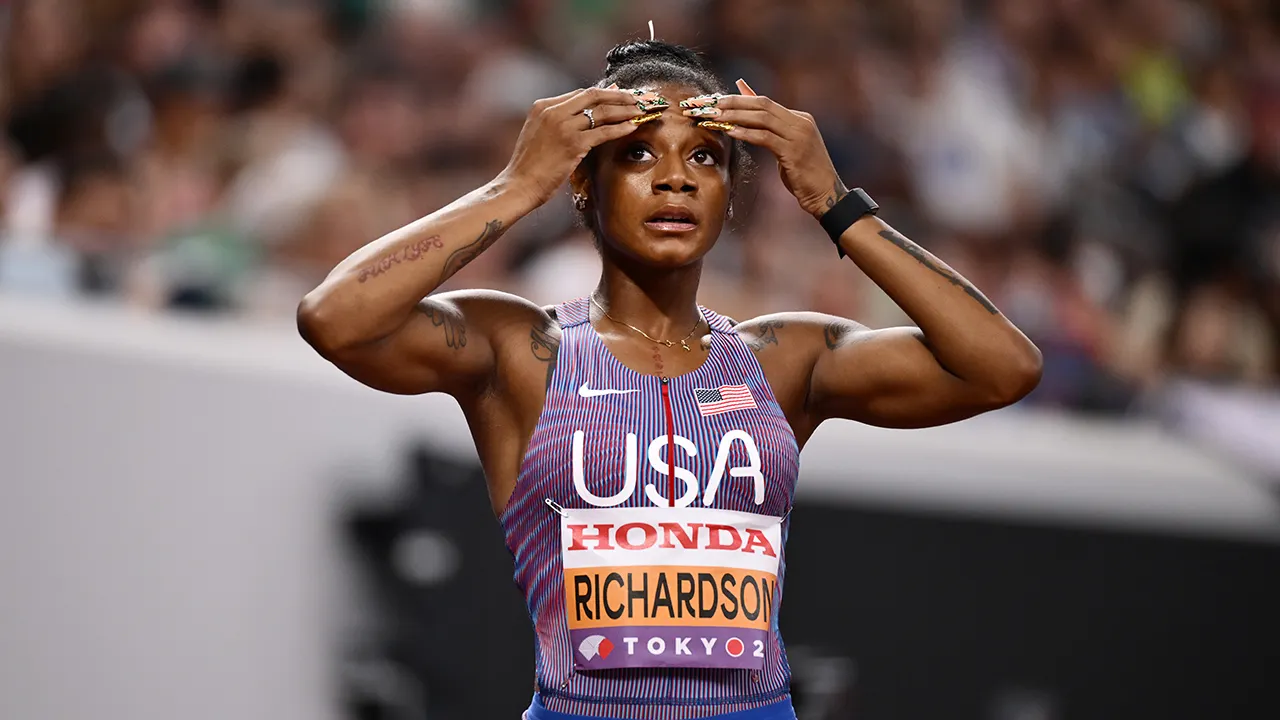
Sha’Carri Richardson of Team United States looks on after failing to qualify for the Final during the Women’s 100 Metres Semi-Finals on day two of the World Athletics Championships Tokyo 2025 at National Stadium on Sept. 14, 2025 in Tokyo, Japan.  (Hannah Peters/Getty Images)

Richardson said her back tire was at 29 PSI and that her phone slipped, switching the mode in her car and causing her to speed. That did not please McDaniels.

“You’re driving at 104 miles an hour in a 65 mile-an-hour zone with subpar equipment, flashing people to get out of your lane, following too close, using every lane to pass everybody, cutting me off, passing a car on the inside shoulder with your hazard lights on. You’re going to jail for dangerous excessive speeding,” he said.

Richardson replied that she did not know she was speeding, to which the sergeant answered, “That’s why they give you a speedometer.”

“I am a law-abiding citizen, sir,” Richardson, who was arrested for assaulting her boyfriend, fellow Olympic sprinter Christian Coleman, last year, kicked off a plane in 2023, and barred from the Tokyo Olympics due to a positive marijuana test, said.
Sha'Carri Richardson

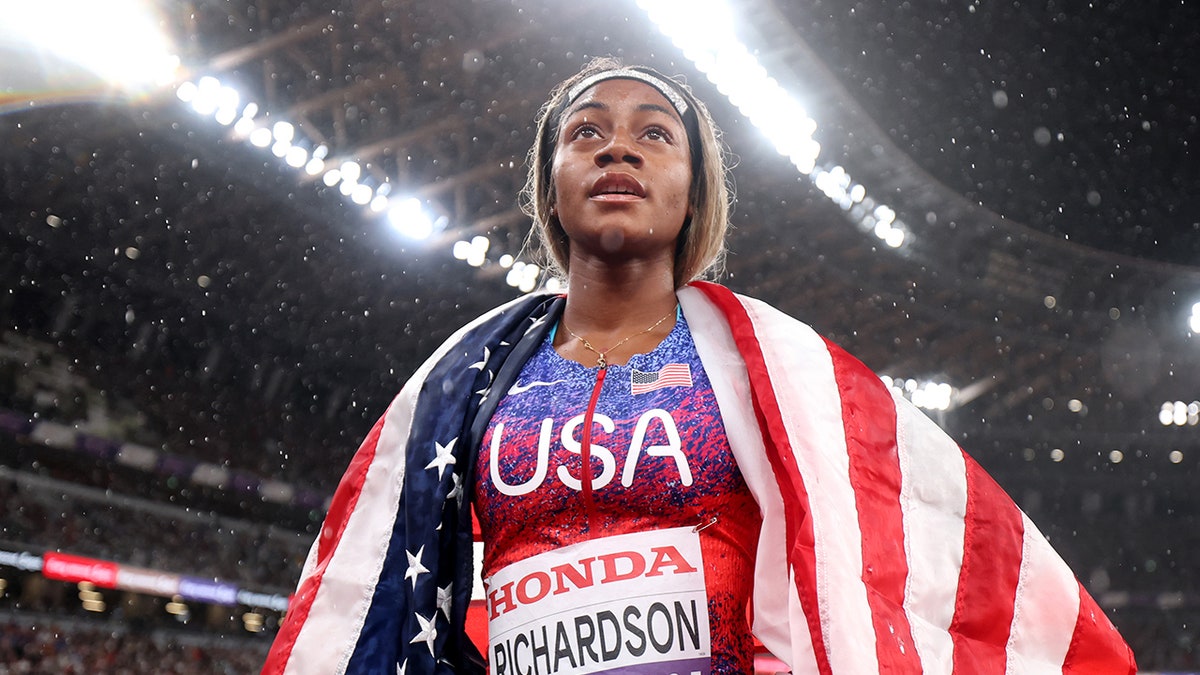
Gold medalist Sha’Carri Richardson of Team United States celebrates with the national flag after competing in the Women’s 4×100 Metres Relay Final on day nine of the World Athletics Championships Tokyo 2025 at National Stadium on Sept. 21, 2025 in Tokyo, Japan. (Cameron Spencer/Getty Images)

PRESIDENT TRUMP SIGNS EXECUTIVE ORDER BRINGING INDYCAR RACE TO DC FOR AMERICA250

After some back and forth, the officer’s decision was final, and reality set in for Richardson, who said there was “no intention” for her to break the law.

“Please sir. I really was not intentionally speeding. Sir, please. I’m begging you,” Richardson said. “Don’t take me to jail. I will do everything. Please, sir. I promise you, I don’t want to go to jail, I’m right here.”

The police report, also obtained by Fox News Digital, said that Coleman showed up to the scene and was arrested for resisting after refusing to identify himself. His car was found to have smoking paraphernalia. Another sprinter, Twanisha Terry, also arrived.

Richardson and Coleman moved past their issue last year, which occurred at Seattle-Tacoma International Airport on July 27, just one week before the U.S. Track and Field Championships. Coleman declined to be a victim in the case, a police report said, and made it clear that he wanted to move on from the “sucky situation.”

Richardson has an Olympic gold medal from the 2024 4×100-meter relay in Paris, and she won the 100 meters at the 2023 World Championships in Budapest. Both Richardson and Coleman won world titles in 2023 and 2025 in their respective 4x100s.
Christian Coleman and Sha'Carri Richardson

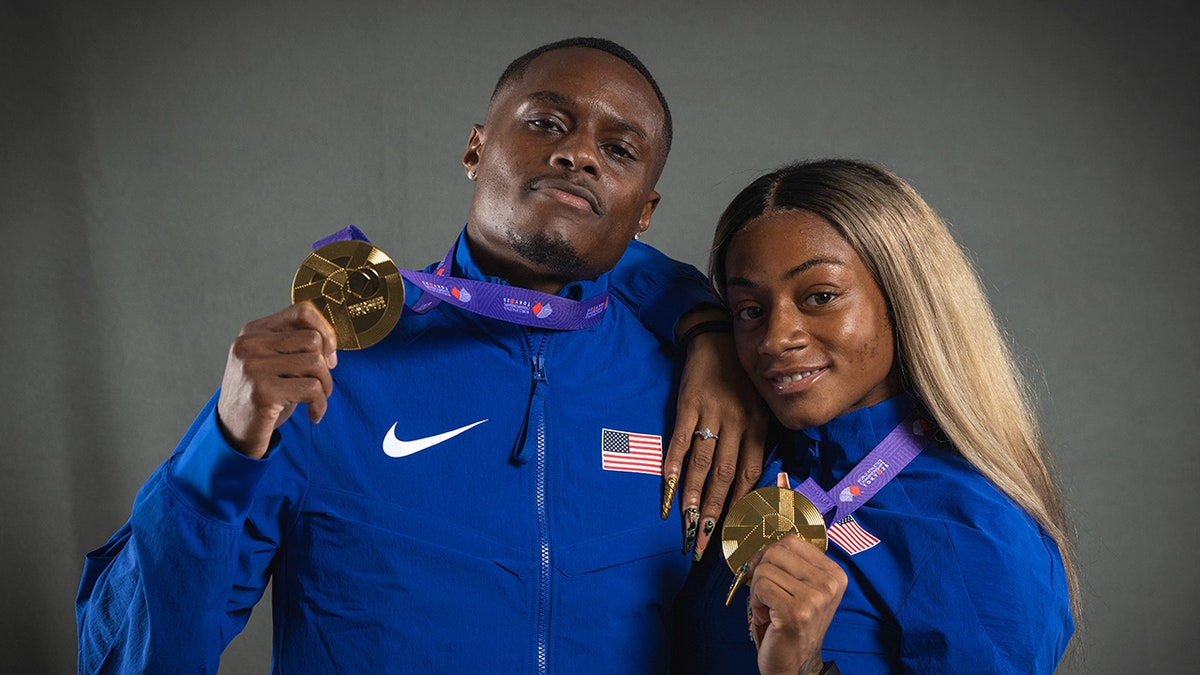
Christian Coleman and Sha’Carri Richardson pose for portraits during a studio photo session on the sidelines of the World Athletics Championships in Tokyo on Sept. 21, 2025. (Andre J Isakovic/AFP via Getty Images)

CLICK HERE TO GET THE FOX NEWS APP

Richardson settled for silver in the 100 meters in Paris, while Coleman still awaits an Olympic medal — he did win the 100 and 4×100 at the 2019 World Championships.

Follow Fox News Digital’s sports coverage on X, and subscribe to the Fox News Sports Huddle newsletter
Video: Who Is Trump’s New Fed Chair Pick?

0
Video: Who Is Trump’s New Fed Chair Pick?

President Trump announced Kevin Warsh as his nominee to succeed Jerome H. Powell as chair of the Federal Reserve. Our reporter Colby Smith explains why the choice matters for the economy.

By Colby Smith, Melanie Bencosme, Sutton Raphael, June Kim and Thomas Vollkommer

January 30, 2026

Mosquitoes now prefer to feed on humans instead of wildlife: Study finds shocking reasons behind the shift | – The Times of India

0
Mosquitoes now prefer to feed on humans instead of wildlife: Study finds shocking reasons behind the shift | - The Times of India

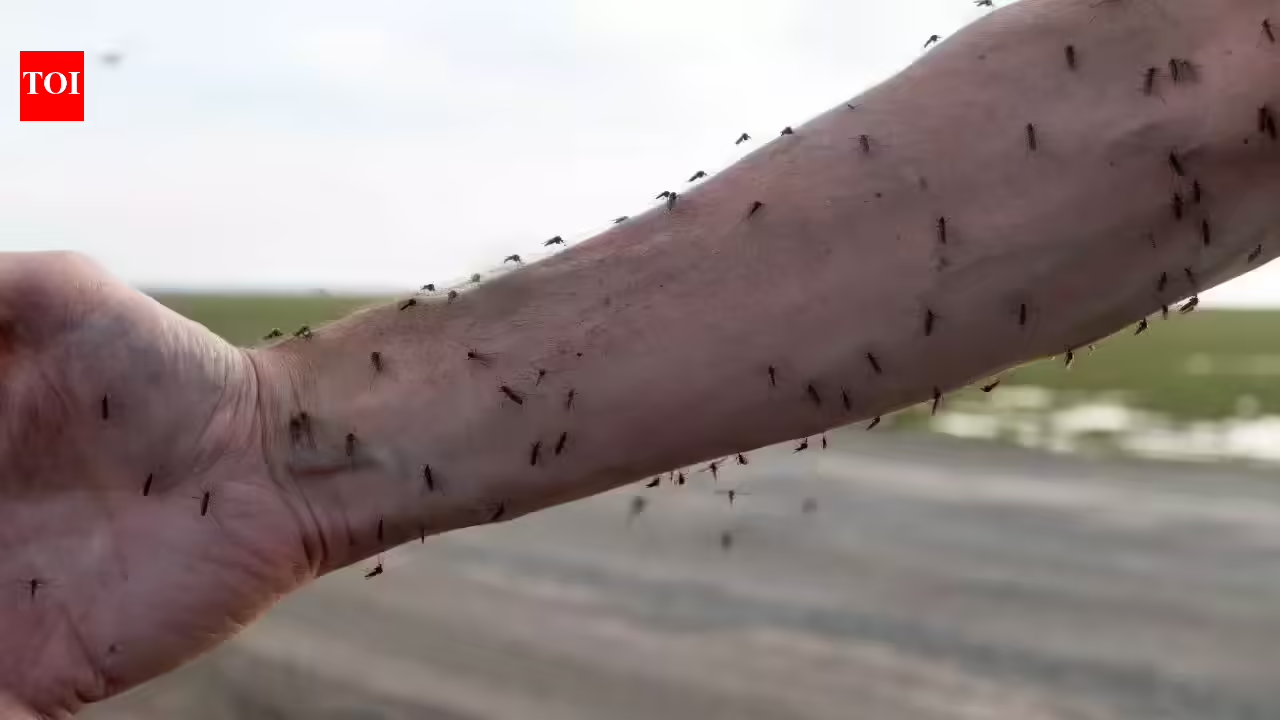
As forests disappear, mosquitoes are not vanishing with them. Instead, they are adapting in ways that bring them closer to people. A new study published in Frontiers in Ecology and Evolution shows that in Brazil’s rapidly shrinking Atlantic Forest, many mosquito species are increasingly feeding on humans rather than on wild animals. Scientists warn that this quiet behavioural shift could significantly raise the risk of diseases such as dengue, Zika and yellow fever, especially for communities living near forest edges. The findings highlight an often overlooked consequence of deforestation: it can reshape disease dynamics long before outbreaks become visible.

Mosquitoes are adapting to life in a shrinking forest

Stretching along Brazil’s coastline, the Atlantic Forest was once one of the most biodiverse regions on Earth. Today, only about a third of it remains intact. Decades of urban expansion, agriculture and infrastructure development have fragmented the landscape, pushing wildlife into smaller and more isolated patches. While many animals decline or disappear under these conditions, mosquitoes often persist and adapt, exploiting new environments created by human activity.To understand how mosquitoes are responding to these changes, scientists carried out fieldwork in two forest remnants in the state of Rio de Janeiro: the Guapiaçu Ecological Reserve and Sítio Recanto Preservar. These areas represent landscapes where protected forest patches exist alongside human settlements, a common pattern across much of the Atlantic Forest today.The team captured mosquitoes using light traps and focused on female mosquitoes that had recently taken a blood meal, as these meals reveal which hosts the insects are feeding on.In total, the researchers collected more than 1,700 mosquitoes from over 50 species. Among the mosquitoes that had fed recently, DNA analysis revealed a striking pattern: most identifiable blood meals came from humans, not from wildlife. Only a small number of meals were traced to birds, amphibians, rodents or other animals.“This is crucial,” said Jeronimo Alencar of the Oswaldo Cruz Institute, the study’s senior author. In a forest environment that still contains a variety of potential animal hosts, a strong preference for humans greatly increases the chances that mosquitoes will transmit pathogens to people.

Why deforestation pushes mosquitoes toward people

Mosquitoes are highly sensitive to host availability. As forests are cleared and wildlife declines, traditional blood sources become scarcer. Humans, meanwhile, become more abundant and more accessible, especially in newly settled or fragmented landscapes.“With fewer natural hosts available, mosquitoes are forced to seek alternative blood sources,” explained Sergio Machado from the Federal University of Rio de Janeiro, a co-author of the study. “They end up feeding more on humans simply because we are the most prevalent hosts in these areas.”

Rising disease risks at the forest edge

The Atlantic Forest region is home to mosquitoes capable of transmitting a range of viruses, including dengue, Zika, yellow fever, chikungunya and Mayaro. When mosquitoes feed on both wildlife and humans, they can act as bridges, moving pathogens between ecosystems and people.A stronger tendency to bite humans increases the likelihood of outbreaks, particularly in communities living near forest remnants where contact between people and mosquitoes is frequent. Larger studies will be needed to refine the estimates. Even so, the pattern observed is consistent with ecological theory and with findings from other regions experiencing rapid habitat loss.“Knowing that mosquitoes in an area have a strong preference for humans serves as an early warning,” Machado said. It allows public health officials to focus surveillance and prevention efforts where risks are likely to be highest.The study adds to growing evidence that deforestation is not only an environmental issue but also a public health concern. By altering who mosquitoes bite, forest loss can quietly increase disease risk without any immediate or obvious signs.Protecting and restoring forests, researchers argue, may therefore play an important role in reducing future outbreaks. The message is clear: when ecosystems are destabilised, the consequences often reach far beyond the forest, landing directly on human health.

Patients are being hit with this surprise fee just for seeing their doc

0
Patients are being hit with this surprise fee just for seeing their doc

Patients who visit hospital-owned doctors’ offices are discovering something that could make them feel sick to their stomach: a surprise “facility fee” unrelated to the medical treatment they receive. 

The charges — which can range from $25 to thousands of dollars — are typically showing up on patients’ medical bills following an annual physical exam, strep throat test or telehealth appointment, according to a report from U.S. PIRG. 

Facility fees are intended to help hospitals offset their high overhead costs, including overnight care, use of specialized equipment and other expenses that make them costly to run. But when hospitals acquire independent physician clinics that don’t face hospital-scale expenses, patients may still be hit with those charges even in outpatient settings. 

“They’re being charged for overhead costs that are entirely unrelated to the care they received,” U.S. PIRG said in the report. 

For patients, facility fees drive up medical costs and even dissuade some people from seeking care, the nonprofit consumer advocacy group found. 

“We don’t want to pay hospital fees for services that we never stepped into the hospital for. It’s driving up prices and causing people to hesitate to get their regular treatments and checkups,” Patricia Kelmar, senior director of health care campaigns at U.S. PIRG and one of the authors of the report, told CBS News. 

Facility fees first started appearing in 2023, and have become increasingly common as hospitals acquire more independent physician practices. Roughly 50% of community practices are owned by hospitals, making such fees unavoidable for many consumers, according to U.S. PIRG. 

“A patient has an annual physical or a follow-up, and because the doctor they’ve been going to for years is now owned by a hospital that’s taken over billing, it can charge facility fees,” Kelmar said. 

Adding to the frustration for patients is that only a handful of states require hospitals to notify them in advance of the extra charge. 

“People don’t know before they go, or they see a sign in the doctor’s office after they have taken off work, hired a babysitter, that says, ‘This place may charge a facility fee,’ with no dollar amount,” Kelmar said. “Day-of notice is no help. At that point, it’s too late.”  

“We were never notified”

Beth Davis of Mentor, Ohio, describes her shock and confusion over getting hit with a four-digit facility fee. She told CBS News that she visited a local hospital-owned doctor’s office to seek treatment for carpal tunnel syndrome, a condition that causes wrist pain. She received a cortisone shot, followed by a second injection one month later. 

The bill for the second shot totaled $2,667.45, according to a copy of Davis’ explanation of benefits from her insurer viewed by CBS News. The facility fee, described on her bill as an “Ancillaries and Observation Room” charge, totaled $2,418. “Clinic” costs were $156, while a “Pharmacy” charge was $93.45.

“I wasn’t even observed. The doctor walked in and gave me a shot — there wasn’t even an assistant,” Davis told CBS News. 

Her insurer covered about $1,000 of the medical costs, leaving her responsible for $1,618, which David said she is refusing to pay because she doesn’t believe it’s justified. 

“I didn’t even know such a thing existed. We were never notified of this charge,” she said. 

Stronger rules needed

In 21 U.S. states, consumers have at least a measure of protection from facility fees. Of those states, nine bar such charges in outpatient facilities, but only for certain types of care. Thirteen states require providers to notify patients that such fees apply.

 But Kelmar thinks existing regulations don’t do enough to shield consumers from the surprise fees. 

“It’s just undermining the whole system. We have to get rid of facility fees and encourage more states to collect data and require more hospitals to report the fees providers are collecting,” she said. “We need some level of reporting. People need to know.” 

Two-thirds of Americans say they are very or somewhat worried about affording health care, topping concerns about paying for groceries, utilities or housing costs, according to a recent poll from health policy research firm KFF. Among those, one-third described themselves as very worried about paying for medical expenses.

Yerin Ha on carving her own path as ‘Bridgerton’ season 4’s lead

0
Yerin Ha on carving her own path as

Yerin Ha stars as Sophie Baek in the fourth installment of Bridgerton.

In a new chat with InStyle, the rising star opened up about the support she received from her fellow stars. 

During the chat, she was asked whether any of her Bridgerton show-siblings offered guidance along the way.

“It’s difficult, right? Because the beauty of Bridgerton is that every year it regenerates,” she explained. “I can’t think of another show that does that, where it’s long-form but every season focuses on someone else.”

The actress went on to note that each season’s shift in focus allows different characters, and actors to step into the spotlight in their own way.

“And because the characters are different, they incarnate the lead position in different ways. And I think that’s true of the actors, too. It’s personal,” she said, adding that Jonathan Bailey, Regé-Jean Page and Luke Newton were all supportive behind the scenes.

“They all offered help,” she shared.

However, she admitted that she ultimately wanted to find her own footing in the role.

“It was lovely to know that was there,” she concluded, “but I was keen on making the mistakes I had to make, and trying to work it out for myself.”

Kids need snow days, not more screen time, doctors say amid winter storms

0
Children sled riding

NEWYou can now listen to Fox News articles!

Top stories

→ Doctors say good old-fashioned snow days benefit kids’ health

→ Deadly cancer risk spikes with certain levels of alcohol consumption

Sleep timing could increase heart attack or stroke risk, study suggests

Snow days shouldn’t be seen as “lost time,” one expert said, noting that they help regulate the nervous system, improve mood, and allow kids to return to school more focused and refreshed.  (iStock)

On the lookout

→ Men face hidden heart risk years earlier than women, study suggests

→ Women face invisible skin struggle in midlife: “Too young for wrinkles, too old for pimples”

Conversation starters

→ Viral videos show ripped gym bros collapsing during Pilates workouts

→ Men’s underwear and fertility risks go viral as doctors push back on claims

→ “High January” fuels cannabis boom as experts flag some serious health dangers

CLICK HERE FOR MORE HEALTH STORIES

Quote of the week

“The less you drink, the better.”

→ Fox News senior medical analyst Dr. Marc Siegel said he agrees with shifting alcohol guidelines, because any set standard sends an “unintentional message that some amount of alcohol is safe.”

Amber Rose blasts Ariana Grande for recent ICE statement

0
Amber Rose blasts Ariana Grande for recent ICE statement

Amber Rose criticises Ariana Grande for ICE comments

Amber Rose is speaking out against Ariana Grande after the pop star promoted a nationwide protest targeting Immigration and Customs Enforcement, a move Rose says shows a disconnect between wealthy celebrities and everyday Americans.

The controversy began after Grande shared an Instagram Story encouraging people to participate in a “nationwide shutdown” on Jan. 30 by avoiding work, school and shopping as part of a protest against ICE.

The post quickly spread online and sparked debate, especially among critics who questioned how skipping work could affect families who rely on daily wages.

“ICE out! Nationwide shutdown! No work. No school. No shopping. Jan 30, 2026,” Grande’s post read.

Rose addressed the issue during a livestream on Thursday with social media personality Sneako, where she sharply criticised the message and the privilege she believes comes with it. 

She argued that asking people to stop working ignores the financial realities many Americans face.

“Ariana Grande … I think she’s worth, I don’t know, $250–300 million dollars, telling people to not go to work, protest ICE. It’s like, ‘Girl, shut the f— up,’” Rose said. 

She went on to question whether wealthy celebrities should be urging economic sacrifices they themselves don’t have to make. 

“Do you want to give your money away to these people to stay home from work? Stop telling people to do that … I think anyone that tells people to not go to work, not go to school, not f—ing buy things for their family, and they’re worth $250–300 million dollars, they should shut the f— up.”

Rose also broadened the conversation to celebrity involvement in politics, referencing a recent viral moment involving Nicki Minaj and President Donald Trump. 

She revealed that she personally introduced Minaj to Trump and emphasised her long-standing friendship with the rapper.

“So I introduced them … Nicki’s been my friend for probably about 16 years now, you know I was in her first music video,” Rose said.

Defending Minaj against criticism over her political associations, Rose pointed to the rapper’s charitable work, arguing that actions matter more than political alignment. 

“She pledged a lot of money to help young girls … I’ll never fully understand why she’s getting flack, because she’s helping people. Regardless, if you don’t agree with her political views, she’s still helping people.”

The debate around ICE protests has intensified following recent deadly encounters involving federal agents. 

Earlier this month, Renee Nicole Good, 37, was fatally shot during an incident with an ICE officer in Minneapolis after she allegedly swerved her vehicle toward him. 

Days later, another individual, Alex Pretti, was shot and killed by federal agents on Jan. 24. 

These incidents prompted protests in Minneapolis and other parts of the country, with local leaders, including Mayor Jacob Frey, voicing criticism of ICE’s actions.

As reactions continue to pour in, Rose’s comments highlight the growing divide over how celebrities use their platforms, especially when activism intersects with the financial realities of ordinary people.

Eli Lilly CEO says Medicare coverage of obesity drugs could ‘change the game’ for upcoming pill launch

0
Eli Lilly CEO says Medicare coverage of obesity drugs could 'change the game' for upcoming pill launch

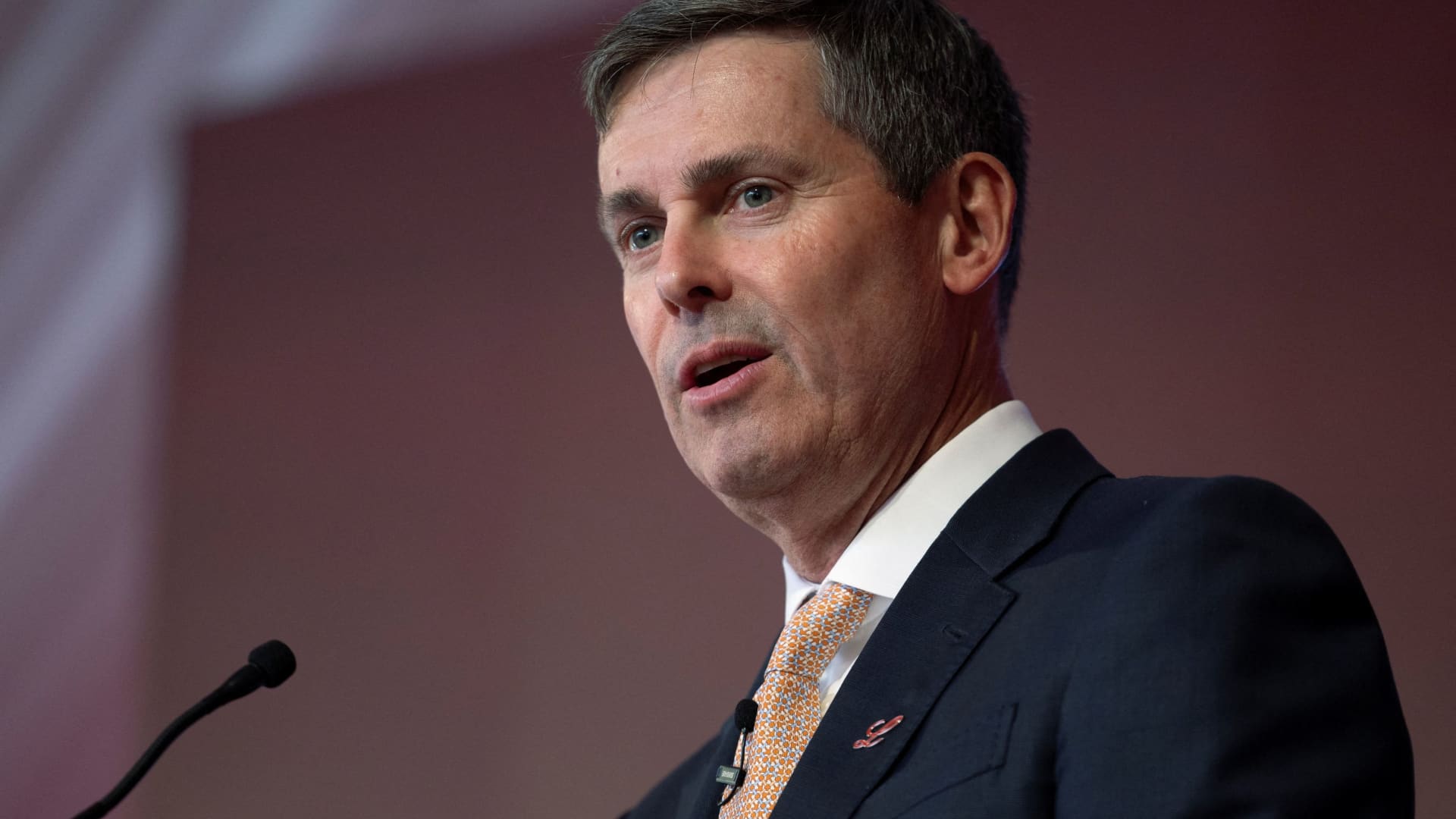
Eli Lilly CEO Dave Ricks on Friday said upcoming Medicare coverage of obesity drugs could be a major catalyst for the rollout of the company’s closely watched experimental weight loss pill, orforglipron.

In an exclusive interview with CNBC, Ricks said Lilly expects to have Medicare coverage for the treatment “immediately following that launch, and that will change the game a bit too.” 

He said that’s because many patients are currently paying in cash for competitor Novo Nordisk‘s GLP-1 pill for obesity. That launched earlier this month and is off to a strong start, even with spotty insurance coverage.

Ricks said he noticed that nearly all of the early adopters of Novo’s Wegovy pill are new to GLP-1 treatments rather than users of existing injections, so “it’s expansive, it’s reaching more patients and that’s great.” 

He added Lilly is confident in its pill’s ability to compete and is preparing for a “full launch” in the second quarter. The rollout is set to coincide with Medicare starting to cover obesity medicines for the very first time later this year under drug pricing deals Lilly and Novo struck with President Donald Trump in November. 

Eli Lilly and Company CEO Dave Ricks speaks during a press conference in Houston, Texas, U.S., Sept. 23, 2025.

Antranik Tavitian | Reuters

That government coverage will bring the price point of pills even lower in the second half of the year, Ricks said. Certain Medicare patients will pay a copay of $50 per month for all approved uses of injectable and oral GLP-1 drugs, including diabetes and obesity treatment.

“That opens up things pretty wide, and we’ll see where we can go from there,” Ricks said. 

Medicare coverage of obesity treatments is a long-awaited move that some health experts say could broaden the market for the medicines and spur more private insurers to cover them. Ricks estimates that 20 million to 30 million Medicare beneficiaries who are suffering from obesity and related health conditions could be eligible for GLP-1 treatments, so coverage is a “big multiplier on the eligible pool.”

Ricks acknowledged that under the drug pricing deal, there will be “a step down in pricing” early this year. The agreements involve drugmakers voluntarily offering their medications for less, including selling their existing treatments to Medicaid patients at the lowest prices abroad, and guaranteeing that so-called “most favored nation” pricing for new medicines.

But Ricks said volume growth of Lilly’s drugs “will ramp on the back half of the year.’ 

“We think that’s a positive balance for us, but time will tell,” he said, adding that it will be based on uptake of the treatments among Medicare patients and the company’s share of that adoption. 

Lilly will share more details on the financial impact of the deal when it posts its fourth-quarter earnings and 2026 guidance next week, he said. 

The price agreements include commitments to launch drugs at discounted cash-pay prices on Trump’s direct-to-consumer platform, TrumpRx. That site, which was expected to launch in January, is not yet live.

Ricks said Lilly was the first drugmaker to sell obesity treatments directly to patients through the company’s platform, LillyDirect, and TrumpRx is “taking that and expanding it across the industry” to other medicines.

“We’re all for that,” he said.

New Browns coach tells Shedeur Sanders ‘we tried to draft your a–‘ while with Ravens: ‘It all worked out’

0
New Browns coach tells Shedeur Sanders 'we tried to draft your a--' while with Ravens: 'It all worked out'

NEWYou can now listen to Fox News articles!

Shedeur Sanders got a chance to meet his new head coach on Friday.

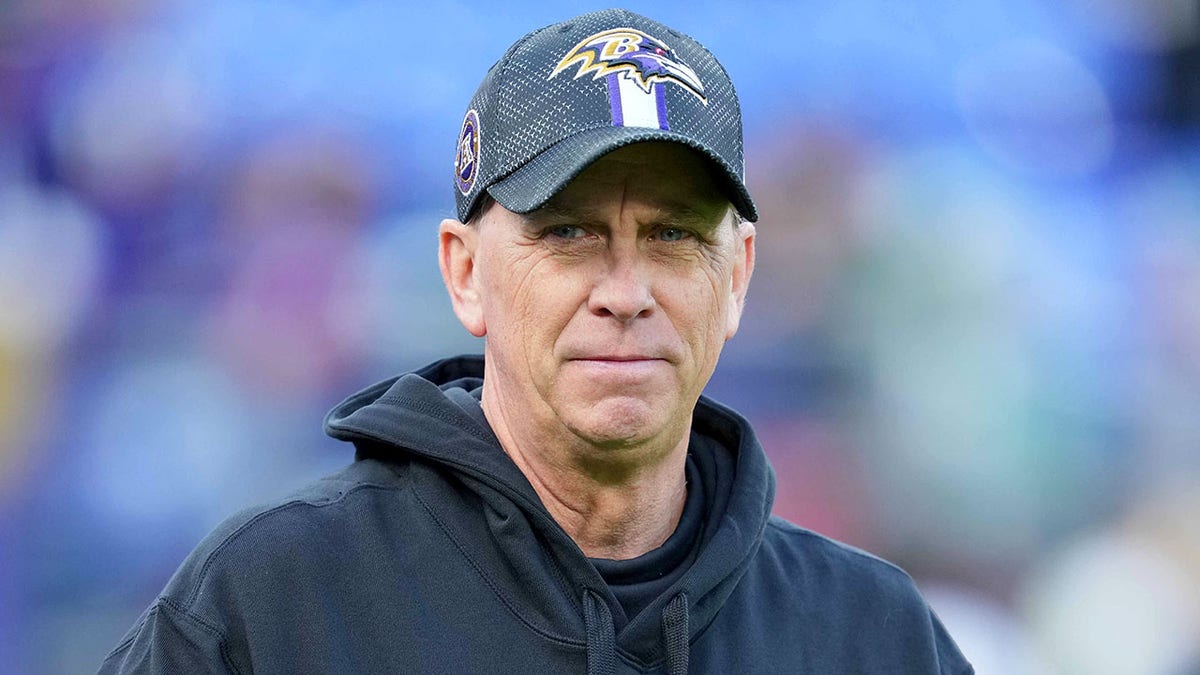
The Cleveland Browns fired two-time Coach of the Year Kevin Stefanski upon the season’s end, and they decided to hire Todd Monken, who spent the last three seasons as the Baltimore Ravens’ offensive coordinator.

Monken was getting started at his new job when Sanders walked into his new office, and the two shared an embrace.

CLICK HERE FOR MORE SPORTS COVERAGE ON FOXNEWS.COM 

Cleveland Browns quarterback Shedeur Sanders (12) takes the field in the second quarter against the Carolina Panthers at Bank of America Stadium. (Jim Dedmon/Imagn Images)

Monken then shared what seemed like destiny for himself and Sanders.

“We tried to draft your a– last year for God’s sake,” Monken said in a video posted by the Browns. “It all worked out. You remember that, right? Some day we’ll get a chance to talk about that.”

Sanders couldn’t help but laugh, and Monken then asked Sanders to sit down to chat.

Todd Monken looks on

Baltimore Ravens offensive coordinator Todd Monken prior to the game against the Philadelphia Eagles at M&T Bank Stadium in Baltimore, Maryland, on Dec. 1, 2024. (Mitch Stringer/Imagn Images)

ROB GRONKOWSKI PRAISES PATRIOTS TURNAROUND, SAYS TITANS FIRING MIKE VRABEL WAS FRANCHISE-ALTERING

Sanders didn’t start the year with the Browns, but he made quite the impression in the second half, getting the nod in the remaining seven games of the season and going 3-4 over that span. He won his first start, prompting him to keep his job for the remainder of the season.

But the numbers weren’t pretty. He completed 56.6% of his passes for 1,400 yards with seven touchdowns and 10 interceptions across eight total games. Numerous metrics also graded him as one of the worst quarterbacks in football.

Perhaps that’s why Browns general manager Andrew Berry told reporters after the season that he won’t be committing to Sanders, or any other quarterback for that matter.

Shedeur Sanders celebrates a TD

Cleveland Browns’ Shedeur Sanders (12) and Teven Jenkins (74) celebrate a touchdown in the first half of an NFL football game against the Tennessee Titans in Cleveland, Sunday, Dec. 7, 2025.  (AP Photo/Sue Ogrocki)

CLICK HERE TO GET THE FOX NEWS APP

“We’re going to do our work on the quarterback market,” Berry said. “It’s too important of a position, and it’s something that has to be solidified.”

But it sure seems like Sanders is a fan of his new head coach, as he will inevitably battle with Dillon Gabriel for the job.

Fox News’ Scott Thompson contributed to this report.

Follow Fox News Digital’s sports coverage on X, and subscribe to the Fox News Sports Huddle newsletter.

Daredevil climber’s brain shows no fear during extreme stunts: Experts reveal why

0
Daredevil climber's brain shows no fear during extreme stunts: Experts reveal why

NEWYou can now listen to Fox News articles!

U.S. professional rock climber Alex Honnold upped the ante during his recent urban climb in Taiwan. 

The daredevil athlete scaled the Taipei 101 skyscraper on Jan. 25 with no ropes or protective equipment. The event was streamed live on Netflix, as Fox News Digital previously reported.

Honnold successfully reached the summit of the 101-story steel building in just an hour and 31 minutes, waving his arms in victory at the top. He later noted the view was “amazing,” even though it was windy.

ONE MAN TURNED A GLOBAL SKYSCRAPER INTO HIS MOST DANGEROUS DESTINATION OF ALL: ‘PRETTY SURREAL’

As a career climber, Honnold’s conquests have included major mountain ranges across the U.S., plus Greenland’s massive sea cliffs — three times the size of the Empire State Building.

In a 2016 experiment, neuroscientist Jane Joseph set out to discover what in Honnold’s brain possessed him to take on such scary climbing by scanning it. 

U.S. rock climber Alex Honnold is pictured on Jan. 25, 2026. He reached the top of the Taipei 101 building in Taiwan after successfully free-soloing the landmark skyscraper without ropes or safety gear.  (Corey Rich for Netflix; AP Photo/Chiang Ying-ying)

The doctor was one of the first to perform fMRI scans — functional magnetic resonance imaging — on “high sensation seekers,” according to a Nautilus report.

Joseph and a team of technicians found that Honnold’s amygdala showed little activity in reaction to images that would typically trigger fear and stress reactions.

“Nowhere in the fear center of Honnold’s brain could the neuroscientist spot activity,” the report noted.

PSYCHIATRIST REVEALS HOW SIMPLE MINDSET SHIFTS CAN SIGNIFICANTLY REDUCE CHRONIC PAIN

The researchers flipped the experiment, introducing a reward task where Honnold could win money. Normally, a control subject’s amygdala and other brain structures “look like a Christmas tree lit up,” Joseph said.

But Honnold’s was “lifeless in black and white.” Activity showed only in the regions that process visual input — confirming that he was awake and looking at the screen.

alex honnold climbing taipei 101

Rock climber Alex Honnold of the U.S. performed a free solo climb of the Taipei 101 skyscraper in Taipei, Taiwan, on Sunday, Jan. 25. 2026. (Corey Rich for Netflix; AP Photo/Chiang Ying-ying)

“There’s just not much going on in my brain,” Honnold told Joseph. “It just doesn’t do anything.”

Dr. Daniel Amen, the founder of Amen Clinics and a California-based psychiatrist, did not scan Honnold’s brain but is an expert in brain imaging.

In the brain scans of other extreme athletes and adrenaline junkies, Amen said there’s often lower baseline activity in the prefrontal cortex, which is involved in fear inhibition, impulse control and risk evaluation.

“Their brains are less easily ‘scared’ and more strongly driven by challenge and novelty.”

In these individuals, there is also a strong activation of reward and motivation circuits, or dopamine pathways, according to Amen.

CLICK HERE TO DOWNLOAD THE FOX NEWS APP

“Meaning, high stimulation feels normal — or even necessary — for them to feel engaged,” he said. “Some also show reduced reactivity in the amygdala, so situations that trigger fear in most people don’t produce the same alarm response.”

He added, “In short, their brains are less easily ‘scared’ and more strongly driven by challenge and novelty.

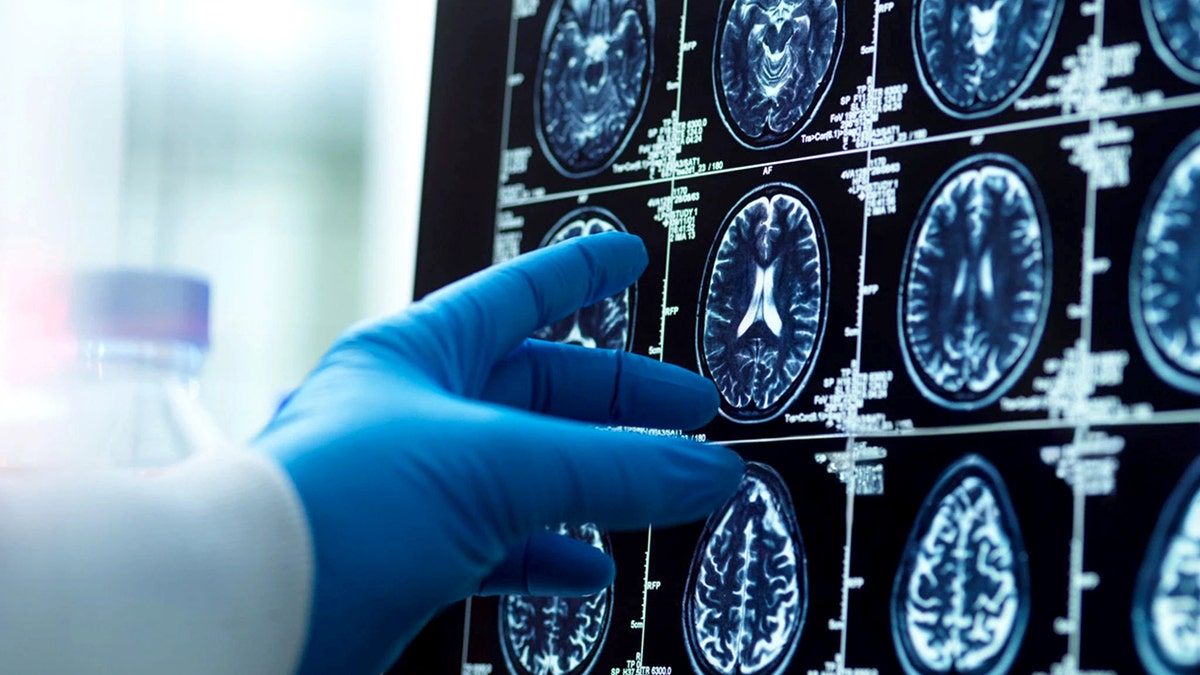
A doctor's hand in a surgical glove pointing at a brain scan image on a computer screen

Thrill seekers often lack signals in their brain that trigger fear, according to experts.  (iStock)

Based on nearly 300,000 brain scans done at Amen Clinics, Dr. Amen noted that in people like Honnold who are “elite extreme performers,” the key difference compared to the average brain is “exceptional top-down control.”

CLICK HERE FOR MORE HEALTH STORIES

“The prefrontal cortex stays online and organized under stress, allowing precise focus, emotional regulation and decision-making in high-risk environments,” he said. “Fear circuits activate just enough to sharpen attention — but not enough to overwhelm performance.”

CLICK HERE TO SIGN UP FOR OUR HEALTH NEWSLETTER

Brains like Honnold’s are also often “very efficient” in sensory-motor integration, or when vision, balance and motor planning “work seamlessly together.”

“Instead of panic, the brain enters a highly regulated, flow-state pattern where attention is narrow, calm and precise,” he said.

In the average brain, fear circuits tend to activate faster and louder, according to Amen — and the prefrontal cortex “tends to go offline” under threat, triggering hesitation, overthinking or panic.

“Most people experience a strong mismatch between perceived risk and control, which is protective for survival but limits extreme performance,” he said.

TEST YOURSELF WITH OUR LATEST LIFESTYLE QUIZ

“For the average person, high adrenaline disrupts accuracy and judgment; for extreme athletes, it organizes the brain,” he said. 

“Their brains are not reckless — they are better regulated under stress, whereas the average brain prioritizes safety and avoidance.”

Fox News Digital’s Jessica Mekles contributed reporting.