Home Blog Page 2649

32 U.S. Olympians to watch at the Milan Cortina Games

0
32 U.S. Olympians to watch at the Milan Cortina Games

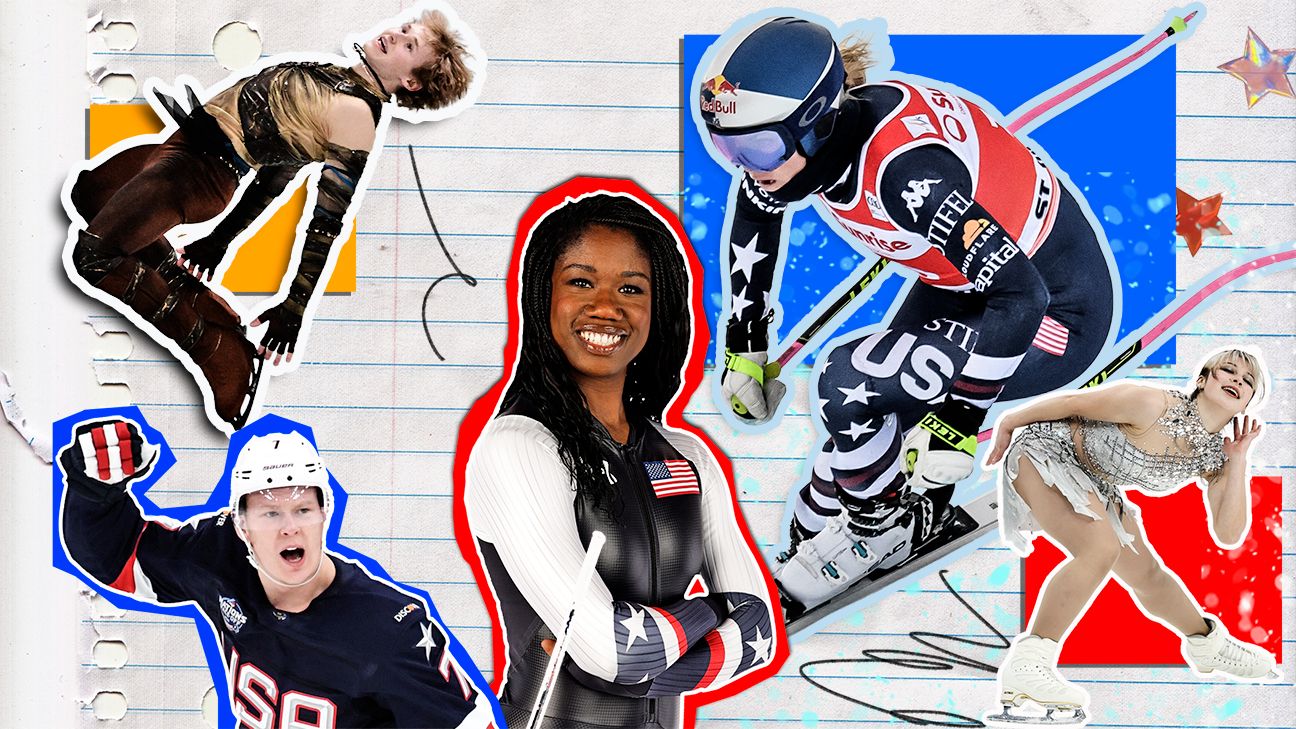
On Friday, the opening ceremonies of the 2026 Milan Cortina Olympics will kick off and, for the first time, include simultaneous cauldron lightings in Milan and Cortina d’Ampezzo and athlete parades in four locations. The Games will showcase more than 2,900 athletes, in 15 venues throughout northern Italy. Some Olympians you’ll remember — and some you’ll want to know. Here are 32 U.S. Olympians to watch.


Ilia Malinin, figure skating

When to watch: Men’s short program, Tuesday, Feb. 10, 12:30 p.m. ET; Men’s free skate, Fri. Feb. 13, 1 p.m. ET

What to know: Nicknamed the “Quad God,” 21-year-old Malinin is the only skater to have successfully landed a quadruple axel in competition, and performs a record-setting seven quad jumps in his current free skate. With skills no one else on the planet can match, and a showstopping backflip just for fun, Malinin doesn’t just win titles, he dominates. A two-time world champion and winner of four consecutive national titles, he hasn’t lost a competition since 2023. — D’Arcy Maine


Amber Glenn, figure skating

When to watch: Women’s short program, Tuesday, Feb. 17, 12:45 p.m. ET; Women’s free skate, Thursday, Feb. 19, 1 p.m. ET

What to know: At 26 years old, Glenn is the oldest woman to make the U.S. team in singles in 98 years. A three-time national champion, Glenn has become famous for her triple axel and is one of just a few women capable of completing the jump. She’s expected to also compete in the team event, in addition to the individual competition. — Maine


Alysa Liu, figure skating

When to watch: Women’s short program, Tuesday, Feb. 17, 12:45 p.m. ET; Women’s free skate, Thursday, Feb. 19, 1 p.m. ET

What to know: Liu, now 20, won her first national championship at just 13 and made her Olympic debut as a 16-year-old in Beijing in 2022. After a sixth-place finish in the women’s singles event and a bronze medal at the world championships shortly after, Liu took a two-year break from the sport. She made her competitive return during the 2024-25 season — and incredibly won the world championship title in March, becoming the first American to do so since 2006. — Maine


Madison Chock and Evan Bates, figure skating

When to watch: Rhythm dance, Monday, Feb. 9, 1:20 p.m. ET; Free dance, Wednesday, Feb. 11, 1:30 p.m. ET

What to know: Since the last Olympics, there has been no ice dancing team more dominant than Chock, 33, and Bates, 36. The two have won the past three world championships, in addition to all three Grand Prix Final titles and the U.S. national championships. Competing in their fourth Olympic Games together, the married duo has indicated this will likely be their final season and are the clear favorites for gold in their potential swan song. — Maine


Mikaela Shiffrin, alpine skiing

When to watch: Women’s giant slalom, Sunday, Feb. 15, 4 a.m. ET; Women’s slalom, Wednesday, Feb. 18, 7:30 a.m. ET

What to know: The greatest alpine ski racer in history — Shiffrin currently holds a record 107 World Cup wins and leads the overall standings for a record sixth time — but her 2022 Olympics didn’t go to plan. She competed in six events, including all five individual disciplines, and was expected to win or medal in each. Instead, she uncharacteristically DNF’d in three of her six races and left Beijing without a medal. In the years since, she’s been unbelievably consistent, including winning six of seven World Cup slalom races this season. “There’s a lot of expectations around the Olympics.” Shiffrin, 30, said. “My job is to focus on my skiing and put expectations aside. That can be hard at the Olympic Games. That’s my challenge in the coming weeks.” — Alyssa Roenigk


Lindsey Vonn, alpine skiing

When to watch: Women’s downhill, Sunday, Feb. 8, 5:30 a.m. ET; Women’s super-G, Thursday, Feb. 12, 5:30 a.m. ET

What to know: Vonn, 41, can become the oldest alpine skier to win any medal at an Olympics. (In 2018, she became the oldest woman to medal in ski racing at an Olympics.) The 2010 Olympic downhill champion, Vonn has reached the podium in four of four World Cup races this season, including two wins, and leads the World Cup downhill standings. “It’s impossible not to think of how it would feel to cross the finish line [in Cortina] and be in a similar place as I was in Vancouver in 2010,” Vonn said. “But I can’t put my goals ahead of the work.”

Vonn sustained a ruptured ACL in her left knee last week during a race in Switzerland, but said she still plans to compete at the Olympics. “This would be the best comeback I’ve done so far,” Vonn said in a news conference on Tuesday. “Definitely the most dramatic.” — Roenigk


Hilary Knight, hockey

When to watch: Women’s gold medal final, Thursday, Feb. 19, 1:10 p.m. ET

What to know: In her 20 years with the national team, Hilary Knight has become the most decorated player in U.S. women’s hockey history and one of the most marketable faces who helped grow the game. Milan will be Knight’s fifth Olympics — the most ever for a U.S. hockey player — and as she announced last year, her last. Knight isn’t resting on laurels. The winger is still as clutch as they come. Knight led the PWHL in scoring last season, and in April, also led Team USA with nine points as she won her record 10th gold medal at the world championships. — Emily Kaplan


Laila Edwards, hockey

When to watch: Women’s gold medal final, Thursday, Feb. 19, 1:10 p.m. ET

What to know: Edwards is set to make history as the first Black woman to represent the U.S. in Olympic hockey — and she’s going to make a huge impact. The Cleveland native switched from forward to defense, and somehow made the transition look easy. At 6-foot-1, Edwards stands out not just for her size, but for how complete her game is. As Edwards’ Wisconsin and Team USA teammate Caroline Harvey explains: “She’s the whole package. In any scenario you can trust her. With her reach she can shut down plays. Power play, she can finish.” — Kaplan


Kendall Coyne Schofield, hockey

When to watch: Women’s gold medal final, Thursday, Feb. 19, 1:10 p.m. ET

What to know: The shifty forward is suiting up for her fourth Olympics, and she hasn’t lost her best attribute: speed. In 2019, Coyne Schofield became the first woman to compete in the NHL All-Star Fastest Skater competition; she finished 7th out of 8 skaters, and just over a second behind winner Connor McDavid. The captain of the PWHL Minnesota Frost is also a pace-setter off the ice, as one of the leaders who helped usher in a new, more sustainable professional league and is constantly championing more equitable treatment for girls’ and women’s hockey. — Kaplan


Abbey Murphy, hockey

When to watch: Women’s gold medal final, Thursday, Feb. 19, 1:10 p.m. ET

What to know: The Chicago-area native is a true hockey unicorn. She leads NCAA hockey in both goals and penalty minutes. After bypassing the PWHL draft for one more year at Minnesota and a chance for a national championship, Murphy has elevated her game even more — and has found ways to agitate opponents while (mostly) staying out of the box. She went viral this season for a ridiculous assist dribbling the puck over the sticks of defenders that most players wouldn’t dare to try even in practice. Murphy is expected to be a top pick in the 2026 PWHL draft and a future face of the sport thanks to her play and personality. — Kaplan


Brady and Matthew Tkachuk, hockey

When to watch: Men’s gold medal final, Sunday, Feb. 22, 7:40 a.m. ET

What to know: Sometimes nicknamed the “Smash Brothers,” the sons of longtime NHL player Keith Tkachuk became the faces of USA Hockey at last year’s electric 4 Nations tournament because of their brash, unafraid personalities. While the Tkachuk brothers helped stage the memorable three fights in nine seconds to open the USA versus Canada game last February, remember that there is no fighting in Olympic hockey. Nonetheless, both agitators — who have a knack of finding their way around the net — will set the tone for the Americans. Brady is the captain of the Ottawa Senators while Matthew has won the last two Stanley Cups with the Florida Panthers. — Kaplan


Quinn and Jack Hughes, hockey

When to watch: Men’s gold medal final, Sunday, Feb. 22, 7:40 a.m. ET

What to know: For the first time since 1960, two sets of brothers will play for Team USA Hockey. Quinn, who was traded to Minnesota in an NHL blockbuster this season, is one of the Americans’ most dynamic defensemen. Jack is one of their most electric forwards. What they have in common: They are elite skaters. Keep an eye on their edgework. Hockey is in their blood: mom, Ellen Weinberg, won silver with Team USA at the 1992 world championships while dad, Jim, worked in player development for the Toronto Maple Leafs for several years as the boys were growing up. Oh, and there’s a third brother, 22-year-old Luke, who should be in the conversation for the 2030 Games. — Kaplan


Connor Hellebuyck, hockey

When to watch: Men’s gold medal final, Sunday, Feb. 22, 7:40 a.m. ET

What to know: With not much time and space to maneuver in this tightly checked tournament, goals should be hard to come by — and the Americans are hoping that’s the case, especially if Hellebuyck is in the net. A Michigan native who plays in Winnipeg, Hellebuyck will get the nod as USA’s starting goaltender to begin the tournament thanks to his résumé, which includes winning the Hart Trophy as NHL MVP last season. When the 32-year-old is locked in, he’s unbeatable. However, he also has his warts, including getting pulled from three playoff games last season due to poor starts. This will be a huge prove-it tournament for Hellebuyck to show he can shine in the biggest moments. — Kaplan


Chloe Kim, snowboarding

When to watch: Women’s halfpipe finals, Thursday, Feb. 12, 12:30 p.m. ET

What to know: Kim, 25, could become the first snowboarder to win three consecutive Olympic halfpipe contests. But this gold medal won’t come easy. The three-time Olympian dislocated her right shoulder while training in Laax, Switzerland, in early January and hasn’t competed in a major final in nearly a year. During that time, a group of young riders, including 17-year-old Gaon Choi of South Korea and 16-year-old Japanese teammates Sara Shimizu and Rise Kudo have become serious threats to win their first Olympic gold. — Roenigk


Alessandro Barbieri, snowboarding

When to watch: Men’s snowboard halfpipe finals, Friday, Feb. 13, 1:30 p.m. ET

What to know: The Milan Cortina Olympics will be a homecoming of sorts for the 17-year-old. His parents emigrated from Italy in their 20s and much of Barbieri’s extended family lives in Tuscany and will make the 6½-hour trip north to watch him compete. The youngest rider in the world to land a triple cork 1440, Barbieri has emerged as a podium threat at every contest he enters. To remind himself of his goal in Milan Cortina, Barbieri carries a gold playing card in his pocket — an ace — which also represents the first letter of his first name as well as the first names of his father, Cristiano, and mother, Elisabetta. — Roenigk


Red Gerard, snowboarding

When to watch: Men’s snowboard big air finals, Saturday, Feb. 7, 12:30 p.m. ET; Men’s snowboard slopestyle finals, Wednesday, Feb. 18, 6:30 a.m. ET

What to know: The media darling of the 2018 Pyeongchang Olympics for his youthful nonchalance and slopestyle win, Gerard, 25, enters his third Olympics a more mature athlete and one of the biggest names in his sport. “I’m 25 now and I realize what’s at stake,” said Gerard, who competes in slopestyle and big air, but will focus on slopestyle in Livigno. A consistent performer on rails and jumps, Gerard spins all four directions and has the big tricks to contend for a second Olympic slopestyle gold. — Roenigk


Nick Baumgartner, snowboarding

When to watch: Men’s snowboardcross finals, Thursday, Feb. 12, 12:30 p.m. ET; Mixed team snowboardcross finals, Sunday, Feb. 15, 7:45 a.m. ET

What to know: The oldest athlete on the U.S. Ski & Snowboard team at 44, the snowboarder from Iron River, Michigan, heads to his fifth Olympics as the defending champion in the mixed team event, which he won alongside Lindsey Jacobellis. But he is still searching for his first individual gold medal in five Olympic appearances. If he medals in either event in Milan Cortina, he will become the oldest snowboarder to earn an Olympic medal — and beat the record he set at the last Olympics. — Roenigk


Korey Dropkin and Cory Thiesse, curling

When to watch: Mixed doubles bronze medal match, Tuesday, Feb. 10, 8:05 a.m. ET; Mixed doubles gold medal match, Tuesday, Feb. 10, 12:05 p.m. ET

What to know: Dropkin, 30, and Thiesse, 31, became the first American curling team to qualify for the 2026 Games behind a victory at the Olympic trials and a fifth-place finish at the 2025 world championships. The duo won the world title in 2023 — becoming the first Americans to do so in the mixed event — and now will attempt to bring the country just its third-ever Olympic curling medal and first in the mixed competition. — Maine


Alex Ferreira, freeskiing

When to watch: Men’s freeski halfpipe finals, Friday, Feb. 20, 11:30 a.m. ET

What to know: Ferreira has competed in two Olympics, taking silver in the halfpipe in 2018 and bronze in 2022. “Now I want the other color,” said Ferreira. The Olympics will be no easy win: A different skier has won nearly every major halfpipe event this season. What sets Ferriera, 31, apart is the cleanliness of his runs, as well as his both-ways 1620s, the second of which features a lead tail grab. “No one else does both-way 16s without one safety grab,” said Ferreira, who also is capable of a five-double-cork run that includes switch doubles in both directions. — Roenigk


Nick Goepper, freeskiing

When to watch: Men’s freeski halfpipe finals, Friday, Feb. 20, 11:30 a.m. ET

What to know: Goepper, 31, was part of only the third U.S. sweep at a Winter Olympics when he, Gus Kenworthy and Joss Christensen took the top three spots in the debut of ski slopestyle at the 2014 Sochi Games. He retired from slopestyle competition after his third Olympics in 2022, switched to halfpipe and is now a contender to win his first Olympic gold in an event he has mastered in just a few years. Any medal would make Goepper the first freeskier to win four medals in four Olympics. If he’s leading the field when he drops in to take his final run — “I’m doing it in jeans,” he said — as an homage to his midwestern roots. — Roenigk


Alex Hall, freeskiing

When to watch: Men’s freeski slopestyle finals, Tuesday, Feb. 10, 6:30 a.m. ET; Men’s freeski big air finals, Tuesday, Feb. 17, 12:30 p.m. ET

What to know: The 2022 season was a big one for Hall: He became the first skier to land a 2160 — six rotations — to win X Games Big Air and earned slopestyle gold in his first Olympics. He missed the big air podium in Beijing, but the 27-year-old has both the big, technical tricks and the creativity to leave Livigno with medals in both events this time around. “I enjoy the individuality of skiing, and that’s brought me success in the past years,” Hall said. “That’s what helped me win Olympic gold and it’s what brings me joy.” — Roenigk


Kaillie Humphries Armbruster, bobsled

When to watch: Women’s monobob heats 3 and 4, Monday, Feb. 16, 1 p.m. ET; Two-woman heats 3 and 4, Saturday, Feb. 21, 1 p.m. ET

What to know: Humphries Armbruster competed for Canada for three Olympics — winning back-to-back gold medals and then a bronze in two-woman bobsled — before becoming a U.S. citizen in 2021. Just a few months later, she earned another Olympic gold medal, this time in monobob, for the United States. Now back for a fifth Games, she is the only woman to win an Olympic gold medal for two different countries. At 40, she could also become the oldest woman to win an Olympic bobsled medal. — Amy Van Deusen


Mystique Ro, skeleton

When to watch: Women’s heats 3 and 4, Saturday, Feb. 14, noon ET; Mixed team, Sunday, Feb. 15, noon ET

What to know: A versatile track-and-field athlete in college, Ro, now 31, impressed officials at a Team USA bobsled combine with her speed in 2016. Ultimately, because of her smaller stature at 5-foot-4, she was encouraged to try skeleton — and has been steadily rising ever since. She won gold alongside Austin Florian in the mixed event at the 2025 world championships, where she also took home silver in the individual event and became the first American to claim a medal in the race since 2013. She will make her Olympic debut in Milan and will contend for medals in the individual race, as well as with Florian once again in the mixed competition. — Maine


Jordan Stolz, speedskating

When to watch: Men’s 1,000m, Wednesday, Feb. 11, 12:30 p.m. ET; Men’s 500m, Saturday, Feb. 14, 10 a.m. ET; Men’s 1,500m, Thursday, Feb. 19, 10:30 a.m. ET; Men’s mass start, Saturday, Feb. 21, 9 a.m. ET

What to know: There is perhaps no one in long-track speedskating with higher expectations for these Games than the 21-year-old Stolz, who has collected seven world championship titles in the past three years. Competing in the 500 meters, 1,000 meters, 1,500 meters and mass start, Stolz looks to become just the second American in history to win three or more Olympic gold medals in a single Winter Games and the first since Eric Heiden won all five speedskating events in 1980. — Maine


Brittany Bowe, speedskating

When to watch: Women’s 1,000m, Monday, Feb. 16, 5 a.m. ET; Women’s team pursuit finals, Tuesday, Feb. 17, 8:30 a.m. ET; Women’s 1,500m, Friday, Feb. 20, 2:15 p.m. ET

What to know: The unofficial leader of the U.S. speedskating team, the 37-year-old Bowe is gearing up for her fourth and final Olympic appearance. Already the winner of two Olympic bronze medals and a current world record, Bowe will be competing in the 1,000 meters, 1,500 meters and team pursuit events in Milan before retiring from the sport. Bowe is also half of a Team USA power couple with longtime partner and hockey star Hilary Knight. Bowe has spoken about her dilemma of potentially attending the women’s hockey gold medal game, because it takes place the night before the 1,500m competition. — Maine


Erin Jackson, speedskating

When to watch: Women’s 500m, Thursday, Feb. 12, 2:15 p.m. ET; Women’s 1,000m, Monday, Feb. 16, 5 a.m. ET

What to know: The 33-year-old became the first Black woman in history to earn gold in an individual event at the Winter Olympics in 2022 when she won the 500m event, and the first American woman to be victorious in that race since Bonnie Blair in 1994. Jackson will be competing in both the 500 meters and 1,000 meters and will attempt to become the first American woman to repeat as 500m champion since Blair claimed her third consecutive title 32 years ago. — Maine


Jessie Diggins, cross-country skiing

When to watch: Women’s 10km+10km skiathlon, Saturday, Feb. 7, 7 a.m. ET; Women’s sprint classic finals, Tuesday, Feb. 10, 5:45 a.m. ET; Women’s 10km interval start free, Thursday, Feb. 12, 7 a.m. ET; Women’s 4×7.5km relay, Saturday, Feb. 14, 6 a.m. ET; Women’s team sprint free finals, Wednesday, Feb. 18, 5:45 a.m.; Women’s 50km mass start classic, Saturday, Feb. 22, 4 a.m. ET

What to know: Diggins is the most dominant cross-country skier in U.S. history, and the 34-year-old has announced that this will be her final season in the sport. She and teammate Kikkan Randall became the first Americans to win Olympic gold in cross-country skiing with a victory in the women’s team sprint in 2018 — and Diggins followed that up with two more Olympic medals in 2022. For the first time in Olympic history, men and women will race the same distances in every cross-country event at this Games, and Diggins is likely to race in all six women’s events. — Van Deusen


Deedra Irwin, biathlon

When to watch: Mixed relay 4x6km, Sunday, Feb. 8, 8:05 a.m. ET; Women’s 15km individual, Wednesday, Feb. 11, 8:15 a.m. ET; Women’s 7.5km sprint, Saturday Feb. 14, 8 a.m. ET; Women’s 10km pursuit; Sunday, Feb. 15; 8:45 a.m. ET; Women’s 4x6km relay; Wednesday, Feb. 18; 8:45 a.m. ET; Women’s 12.5km mass start, Saturday, Feb. 21, 8:15 a.m. ET

What to know: Irwin, 33, competed in cross-country skiing, cross-country running and track and field at Michigan Technological University, and didn’t begin training in biathlon until age 25. In her Olympic debut in 2022, her seventh-place finish in the women’s individual 15km event was the highest individual result ever for an American. Biathlon remains the only Winter Olympic sport in which the U.S. team has never won a medal — and Irwin aims to change that this year. — Van Deusen


‘Bridgerton’ writer Julia Quinn asks fans to brace ahead of season 4 finale

0
'Bridgerton' writer Julia Quinn asks fans to brace ahead of season 4 finale

Photo: ‘Bridgerton’ writer Julia Quinn asks fans to brace ahead of season 4 finale

Bridgerton author Julia Quinn has teased a major plot twist. 

In a recent interview with Us Weekly, the writer hinted at the death of the show’s one of the most adored character as the show heads towards an emotional rollercoaster.

The romance writer Quinn warned fans to be ready for a heart wrenching death in Bridgerton season 4 finale.

“I can just say, get your tissues ready, because it’s rough,” she said.

She also shared that she visited the set, and she saw a scene that she described as ‘devastatingly beautiful.’

“When I visited the set, they were filming scenes and I saw a scene that was at the same time incredibly joyful and just heart wrenching,so, yeah, you’re gonna need tissues for part 2,” she continued.

Soon after this statement, eagle-eyed fans have begun speculating about a possible major character death. 

Many of these fans also hinted towards the trailer that showed Violet Bridgerton, played by Ruth Gemmell, dressed in all black, sparking rumors of a funeral.

While it is unclear whose death viewers may witness, their first bet is on Marina as readers of Quinn’s To Sir Phillip, With Love know that Eloise’s romance with Phillip, played by Chris Fulton, begins after Marina’s, played by Ruby Barker, untimely death .

However, Quinn has her hopes high on Francesca’s husband John since the show made John so loveable.

“I just remember when they introduced John last season, and he was so awesome. I was just like, ‘Oh.’ Because in the books, you don’t get to know him as well as the show. And I was like,‘You’re just making it so much worse,” Quinn told the outlet.

“He’s so wonderful,” she concluded.

Alton Towers to restrict disability pass for people with ADHD and anxiety

0
Alton Towers to restrict disability pass for people with ADHD and anxiety

Operator Merlin Entertainments said the pass was no longer working as intended because of increasing demand.

India–US trade deal: How oil still drives global power dynamics – The Times of India

0
India–US trade deal: How oil still drives global power dynamics - The Times of India

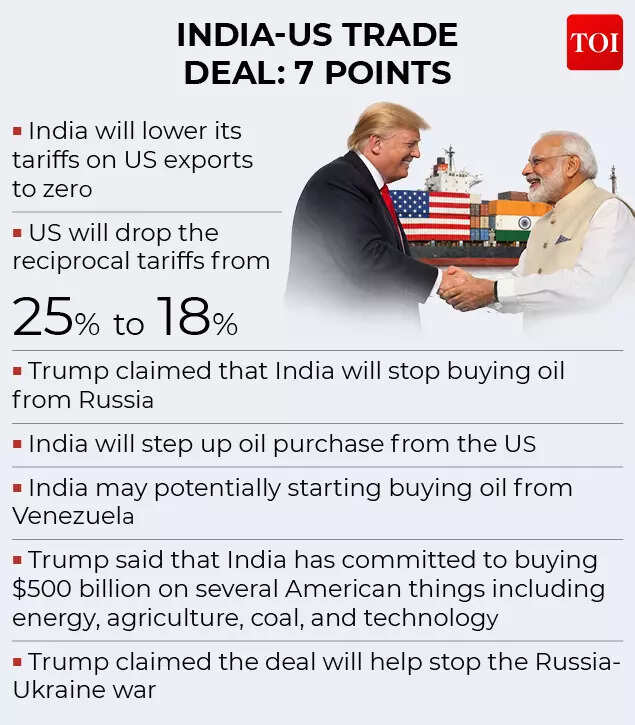
When India and the United States announced a breakthrough trade agreement this week after months of tense negotiations, tariffs dominated the headlines. But beneath the numbers and celebrations lay another issue that is far more political than commercial – oil — who India buys it from, and who it is expected to buy from in the future.US President Donald Trump claimed that as part of the agreement, India had agreed to halt purchases of Russian crude and would instead buy oil from the United States and potentially Venezuela. India has not publicly confirmed any such commitment, and Russia has said it has received no official communication from New Delhi. Yet, this highlights a recurring reality of global diplomacy; oil is not merely a traded commodity; it is a strategic instrument that shapes alliances, sanctions, wars and trade deals.The India–US trade deal has brought this dynamic into sharp focus, placing energy security and geopolitics alongside tariffs, supply chains and market access.

India US trade deal

The trade deal that reset ties

US President Donald Trump and Prime Minister Narendra Modi took many by surprise when they suddenly announced a trade deal that will lower tariffs on Indian goods entering the US to 18 per cent, down from 50 per cent; while according to Trump’s claims India drops tariffs to zero. While the agreement is yet to be formally signed and finer details are still being worked out, it effectively ends a prolonged stalemate and restores predictability to trade ties.

Tariffs

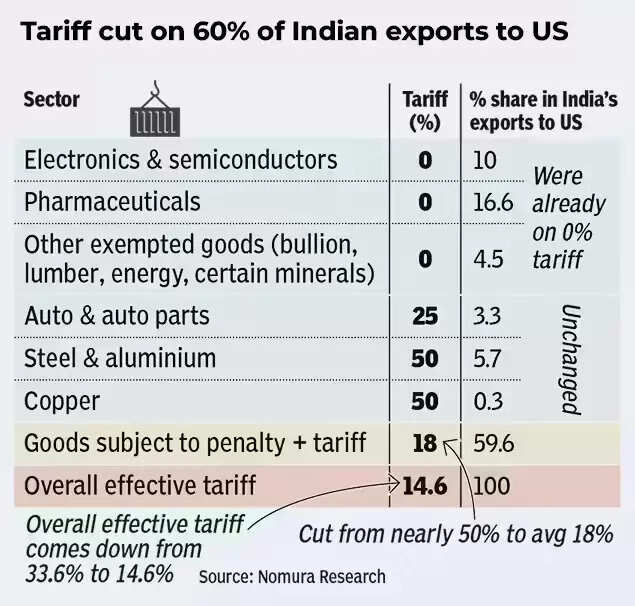
Talking about the benefits of this deal, Rudra Kumar Pandey, partner at Shardul Amarchand Mangaldas & Co, told TOI, “The US decision to reduce tariffs on Indian goods to a headline rate of 18 percent marks a clear de-escalation in bilateral trade frictions and reflects aligned strategic intent on both sides. The move reinforces India’s export-competitive posture, supported by recent customs duty rationalisation, and comes amid a broader US supply-chain recalibration away from China.“What is particularly encouraging is that Indian industry has already demonstrated resilience through market diversification. Exports to Spain, for instance, reportedly rose by over 56 percent to about USD 4.7 billion during April–November FY 2025–26, underscoring the ability of Indian exporters to scale in alternative markets. The reopening of the U.S. market, alongside improving access to Europe through the momentum of the India–EU trade agreement, positions these sectors to return to a stronger and more sustained growth trajectory,” he further added.The US is India’s single largest trading partner, and the steep tariffs imposed by the Trump administration had hurt Indian exporters. With the rate now cut to 18%, India will regain competitiveness in the US market, particularly across labour-intensive sectors such as garments, leather, footwear, carpets, seafood and gems and jewellery.Talking about the impact on exports, Rudra Kumar Pandey said, “The immediate gains will be concentrated in tariff-sensitive and labour-intensive sectors that are most responsive to marginal duty changes. Textiles and apparel, gems and jewellery, leather and footwear, engineering goods, and auto components stand to benefit disproportionately, as these sectors compete directly with Vietnam and Bangladesh in the US market. Lower effective tariffs improve India’s relative cost position and are likely to translate quickly into higher order flows and sourcing diversification in India’s favour.”Further explaining the trade equation between India and US he added, export performance toward the US has already shown considerable strength despite the phase of heightened trade tensions. Shipments rose 11.3 per cent to about $59 billion between April and November 2025, with smartphone exports alone doubling to $16.7 billion. Bringing tariffs down to an effective rate of roughly 18 percent is expected to consolidate these gains and support sustained export growth across a range of manufacturing sectors, according to Pandey.India has also committed to buy American goods worth $500 billion, according to Trump. Sharing his insights on that, the Shardul Amarchand & Co partner said, “The announcement that India could import up to $500 billion of goods from the United States forms an explicit part of the broader tariff-reset package and underscores the strategic balance of the agreement. The expansion of imports is expected to be concentrated in energy, advanced technology, and capital goods, including LNG and crude oil, industrial machinery, aircraft components, and defence-related platforms. Greater access to US energy supports India’s supply diversification objectives, while increased inflows of high-value capital equipment and technology strengthen domestic manufacturing capability and productivity. Together, these measures anchor a more strategic and mutually reinforcing bilateral trade relationship with clear net gains for India”Meanwhile, Commerce minister Piyush Goyal has described the agreement as a “very good” deal, noting that India now enjoys tariff treatment comparable to — or better than — its regional competitors. India’s new tariff rate is lower than Vietnam (20%), Bangladesh (20%), Malaysia (19%), Cambodia and Thailand (19%), and far below China’s 34%. It is also lower than Pakistan’s 19%.

Piyush Goyal Defends India-US Trade Deal in Lok Sabha, Says Farmers And Dairy Interests Fully Safe

Where oil enters the picture

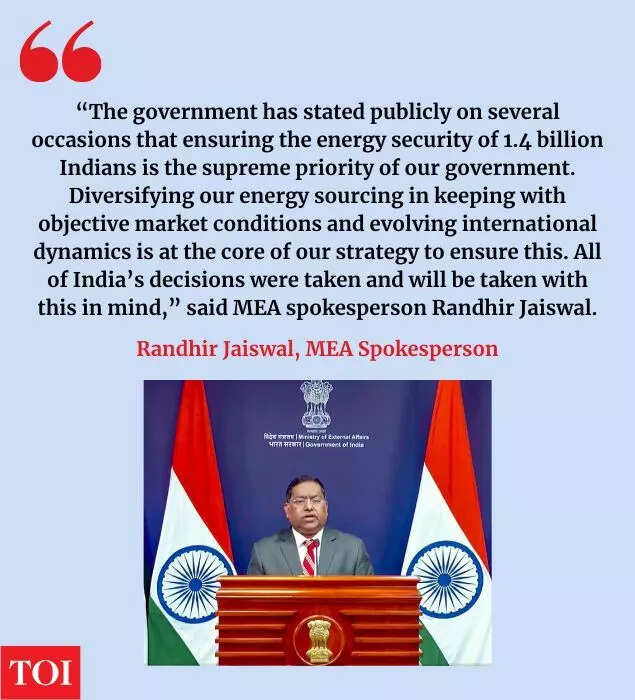
While tariffs were the centrepiece of the deal, Trump’s Truth Social post pointed to a broader geopolitical bargain. “We spoke about many things, including Trade, and ending the War with Russia and Ukraine. He agreed to stop buying Russian Oil, and to buy much more from the United States and, potentially, Venezuela,” Trump wrote.The claim immediately raised questions. India has not announced any decision to stop buying Russian crude. Russian officials, too, have said they are unaware of any such move. Kremlin spokesperson Dmitry Peskov said Moscow had not received any official communication from New Delhi and that Russia intended to continue strengthening ties with India across all areas of cooperation.MEA on Thursday also addressed the question of where India will buy the oil from emphasising on energy security.

.

Indian refiners have also indicated that they have received no directive from the government to halt purchases of Russian oil. According to refinery sources quoted by Reuters, any winding down of existing transactions would require time, given contracts already under way.

Why oil remains a strategic commodity?

Oil is not merely another import commodity. It is the backbone of transport networks, industrial production, defence preparedness, inflation control and overall economic stability. In the case of major and rapidly growing economies like India, the availability of cheap and assured oil supplies is critical to maintaining growth momentum, managing price pressures, and securing energy security, especially amid the current geopolitical uncertainties in various parts of the world.At the same time, for global powers such as the US, oil supplies are a highly effective tool of foreign policy. Sanctions, trade agreements, and diplomatic maneuvering are commonly used to determine where countries procure their energy from and at what prices. This has been apparent in US sanctions imposed on Russian oil traders, as well as in Washington’s constant attempts to deny the revenue base of its adversaries by limiting their access to the global energy market.In this context, oil becomes inseparable from diplomacy. Energy sourcing decisions are no longer strictly commercial or technical considerations, but more of a measure of strategic alignment and geopolitical positioning. Consequently, trade talks, sanctions policy, and foreign policy are increasingly shaped by energy considerations, sometimes just as much as tariffs or free market access.

India’s reliance on Russian crude

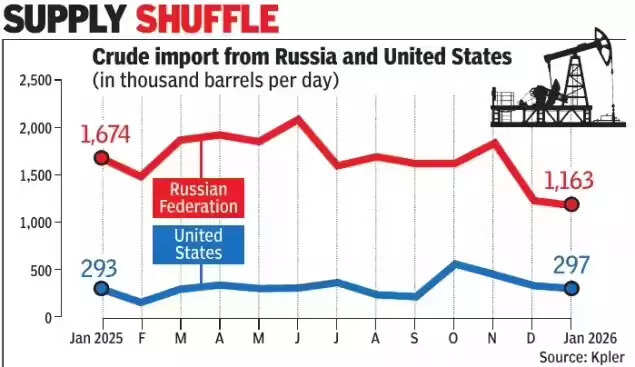
Since Western sanctions intensified following the Russia–Ukraine war, India sharply increased its intake of discounted Russian crude, particularly the Urals grade. The discounts made Russian oil economically attractive, especially for India’s complex refining system, which is well-suited to processing such grades.However, data show that Russian oil imports have already been declining. According to Kpler, Russia’s share of India’s crude imports fell to 33.7% between April and November 2025, from 37.9% in the same period the previous year. In absolute terms, Russian crude imports dropped from about 1.8 million barrels per day in November to 1.2 million barrels per day in December, and further to 1.16 million barrels per day in January 2026.Over the same period, the US share of India’s crude imports rose from 4.6 per cent to 8.1 per cent.

127911745

Despite this trend, analysts caution against reading the trade deal as an immediate turning point. Sumit Ritolia, lead research analyst at Kpler, said Russian volumes are largely locked in for the next 8–10 weeks and remain economically critical for India. He added that Russian imports are likely to remain broadly stable through the first half of 2026–27, with any moderation being offset by higher inflows from West Asia.

Can the US and Venezuela replace Russian oil?

Donald Trump claimed that India would substitute Russian oil with supplies from the US and/or Venezuela. While US crude exports to India have already been rising, Venezuelan oil presents a more complex picture.A recent report by SBI Research estimated that India could save almost $3 billion per year by replacing a portion of its Russian oil imports with Venezuelan heavy oil, if it is available at a discount of $10-12 per barrel. Venezuelan heavy oil is currently trading at around $51 per barrel, as per Oil Price information cited in the report.However, the real gains would depend on a number of factors, such as the distance and logistics of transporting the oil, insurance costs, and the refinery’s ability to process the Venezuelan heavy oil. Only Reliance Industries and Nayara Energy have the capacity to process large quantities of Venezuelan oil, while state-owned refineries would struggle to replace even 10% of their current Russian oil imports, according to refinery officials cited by ReutersThis means any shift in sourcing would likely be gradual and partial, driven by commercial feasibility as much as diplomatic signalling.

Energy security

The India–US trade deal brought significant economic benefits, including the reduction of tariffs on almost 60% of Indian exports to the US. Goldman Sachs projected an additional GDP growth of 20 basis points if the reduced tariffs are strictly applied, while Barclays estimates the effect at 30 basis points.Markets responded positively, with a sharp rally in equities and a strong appreciation of the rupee right after the announcement. Investor sentiment also improved as uncertainty receded to a large extent.Yet the oil question introduces a layer of strategic complexity. India has maintained a balance in its relations, strengthening ties with the US while continuing to cooperate with Russia, with whom it has been associated for a long time, and managing its energy dependencies in West Asia, Africa, and South America.For New Delhi, oil buying has been primarily guided by energy security and cost considerations. For Washington, energy sourcing is mostly linked to broader geopolitical objectives, including sanctions enforcement and pressure on adversaries.

It all comes back to oil

The India-US trade agreement is a reminder that in today’s world of geopolitical uncertainties and fragmented global supply chains, oil is a crucial bargaining chip. It is a commodity that finds itself at the intersection of politics, economics, and security.While the minute details of the trade agreement are still being worked out, this much is clear: oil will continue to be a factor not only in trade agreements but in the overall politics of power. For a country like India, this will continue to be a tricky tightrope walk between strategic autonomy and economic pragmatism.

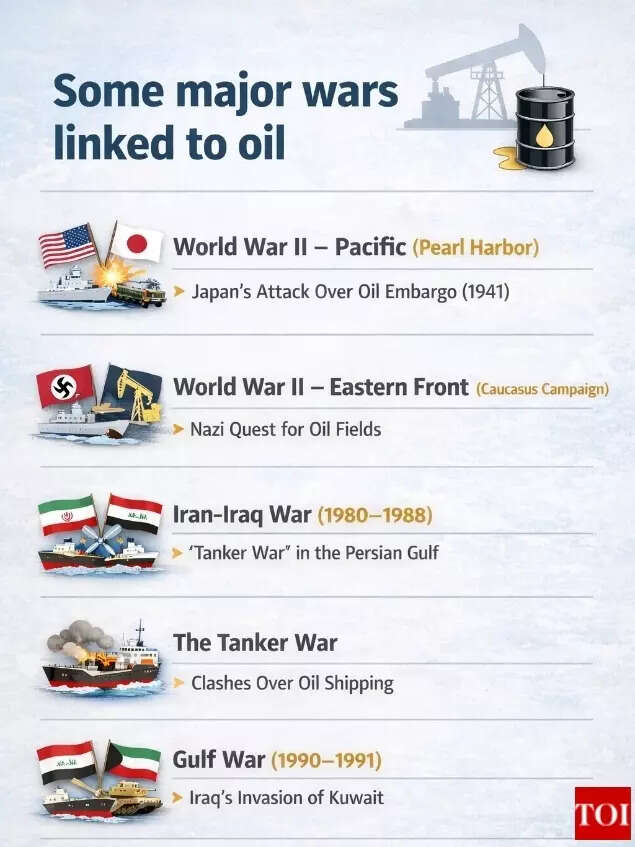
Oil wars

Oil, being a centre point in international relations, is not restricted to India. In fact, it has been at the heart of some of the world’s most consequential wars and geopolitical confrontations. Most recently, In Venezuela, less than a month after a US military operation resulted in the capture of President Nicolás Maduro and his wife, lawmakers in Caracas approved a landmark law opening the country’s long state-controlled oil sector to private and foreign companies, a reversal of more than two decades of nationalisation aimed at enticing US and other investors.The move follows pressure from the Trump administration, which has eased some sanctions and signalled strong involvement of American energy firms in revitalising Venezuela’s oil production, showing how control over crude reserves remains a core strategic objective for global powers.Moreover, for over a century, nations have gone to war, altered military strategies or imposed sweeping sanctions to secure access to oil fields or prevent rivals from controlling a resource that fuels modern economies and armed forces. Control over oil has often meant control over industrial output, military mobility and economic survival, turning energy into a strategic objective rather than a commercial asset.

.

Historical conflicts show this reality, as explained by an article from an American international relations magazine The National Interest. Japan’s decision to attack the US at Pearl Harbor in 1941 was triggered in large part by an American-led oil embargo that threatened to cripple its navy and air force. Similarly, Nazi Germany’s push towards the oil-rich Caucasus during World War II reflected Adolf Hitler’s obsession with securing fuel supplies for his war machine, a gamble that ultimately contributed to Germany’s defeat at Stalingrad when oil ambitions overextended military capacity.Oil has also influenced the wars in the Middle East. In the 1980s Iran-Iraq War, Iran and Iraq attacked each other’s oil tankers and export facilities in the Persian Gulf, thus called the ‘Tanker War,’ which saw the United States directly enter the conflict to safeguard oil shipping routes. Then in 1990, Iraq’s invasion of Kuwait, which was fueled in part by disagreements over oil production and access to resources, led to the Gulf War and decades of West Asian geopolitics.All these conflicts reinforce a recurring pattern; that oil has consistently functioned as leverage, shaping wars, alliances and international disputes, far beyond its role as a traded commodity.

7 Best Birdwatching Spots In India

0
7 Best Birdwatching Spots In India

Health warning over Cape Verde travel after stomach bug deaths

0
Health warning over Cape Verde travel after stomach bug deaths

Four Britons have died after contracting gut infections on the archapeligo since last year.

Criminals plot to sack Super Bowl fans for a loss. Beware these scams targeting the big game.

0
Criminals plot to sack Super Bowl fans for a loss. Beware these scams targeting the big game.

Super Bowl Sunday this year is sure to feature bone-jarring hits, goofy TV commercials and fraudsters intent on separating you from your money. 

“Unfortunately, fans need to be aware that criminal fraudsters may try to steal their money and personal information through a variety of illegal sports betting, ticketing and merchandise scams,” Sen. Maggie Hassan, a Democrat from New Hampshire and ranking member of the U.S. Congress Joint Economic Committee (JEC), told CBS News. 

Democrats on the congressional panel are warning Americans to beware a range of Super Bowl scams circulating this year. Here’s what to look out for.

Sports betting scams

Americans are expected to wager a record $1.8 billion on Super Bowl LX, according to the American Gaming Association, driven by the explosion in online sports betting. This year, some criminals are creating fake websites that mimic actual gambling platforms, such as FanDuel and DraftKings — often with startling accuracy, according to the Joint Economic Committee.

AI tools can duplicate graphics and other visuals with frightening accuracy, making it easier to fool consumers into thinking a website is legitimate

AI tools have made it easy to duplicate graphics and other visuals, making it easier to fool consumers into thinking a website is legitimate. The scam sites often try to draw consumers in by offering “risk-free” bonuses to bet, but later demand additional deposits or withhold payouts.

The lawmakers urge consumers to verify a sportsbook’s physical location before signing up to bet, and not wagering funds if it is not based in the U.S. Offshore sites are not subject to U.S. regulations and consumer protections, the committee notes. 

Bettors should also ensure a site is licensed and regulated by state-based gaming commissions. Don’t be fooled by vague suggestions that gambling wins are “guaranteed.” 

Ticket scams

Super Bowl tickets this year are a hot commodity as usual, with the cheapest tickets going for about $5,000. Not surprisingly, scammers are eager to use the strong demand for seats to target consumers, according to lawmakers. 

Fraudsters often pose as authentic ticket sellers. Beware vendors claiming on social media to have tickets for sale or who are selling seats through unverified websites. Purchasers could counterfeit digital tickets that will get flagged at the game — or no ticket at all.

Anyone willing to spend the big bucks on a Super Bowl ticket should only make purchases through authorized sites, like the NFL, or reputable resale sites with buyer guarantees and other consumer protections, the JEC advised. Consumers should also be sure to use secure payment methods with built-in protections, like credit cards, rather than paying by wire transfer, gift card or with cryptocurrency. 

Merchandise scams

Sales of Super Bowl-related apparel and other merchandise can generate significant revenue, both for legitimate businesses and cybercriminals, according to the panel. 

Before Super Bowl 54 in 2020, for example, authorities seized more than $120 million worth of counterfeit jerseys, jewelry, hats and other goods as part of a federal sting dubbed “operation team player.” Authorities also seized nearly $40 million in counterfeit sports merchandise ahead of last year’s Super Bowl.

Such illegal sales leave victims with poor-quality — and often pricey — imitation goods. Often, the items they receive don’t match their descriptions. In some cases, consumers never receive anything. 

The JEC urges consumers shopping for Super Bowl-related merchandise to verify sellers’ legitimacy with the Better Business Bureau, or to search attorney general websites for complaints against suspicious actors.

Another way to verify an unknown online seller is to search for a verifiable physical address and working phone number. It’s also often wise to check a site’s shipping, return and refund policies before purchasing anything. 

US special envoy Witkoff announces US, Ukrainian and Russian delegations agreed to prisoner swap

0
US special envoy Witkoff announces US, Ukrainian and Russian delegations agreed to prisoner swap

NEWYou can now listen to Fox News articles!

U.S. special presidential envoy for peace missions Steve Witkoff announced on Thursday that delegations from the U.S., Ukraine and Russia had agreed to the exchange of hundreds of prisoners.

“Today, delegations from the United States, Ukraine, and Russia agreed to exchange 314 prisoners — the first such exchange in five months,” a Thursday post on X declared. 

“This outcome was achieved from peace talks that have been detailed and productive. While significant work remains, steps like this demonstrate that sustained diplomatic engagement is delivering tangible results and advancing efforts to end the war in Ukraine,” the post continued.

WITKOFF SAYS TALKS WITH RUSSIAN ENVOY WERE ‘PRODUCTIVE AND CONSTRUCTIVE’ AMID TRUMP ADMIN’S PEACE PUSH

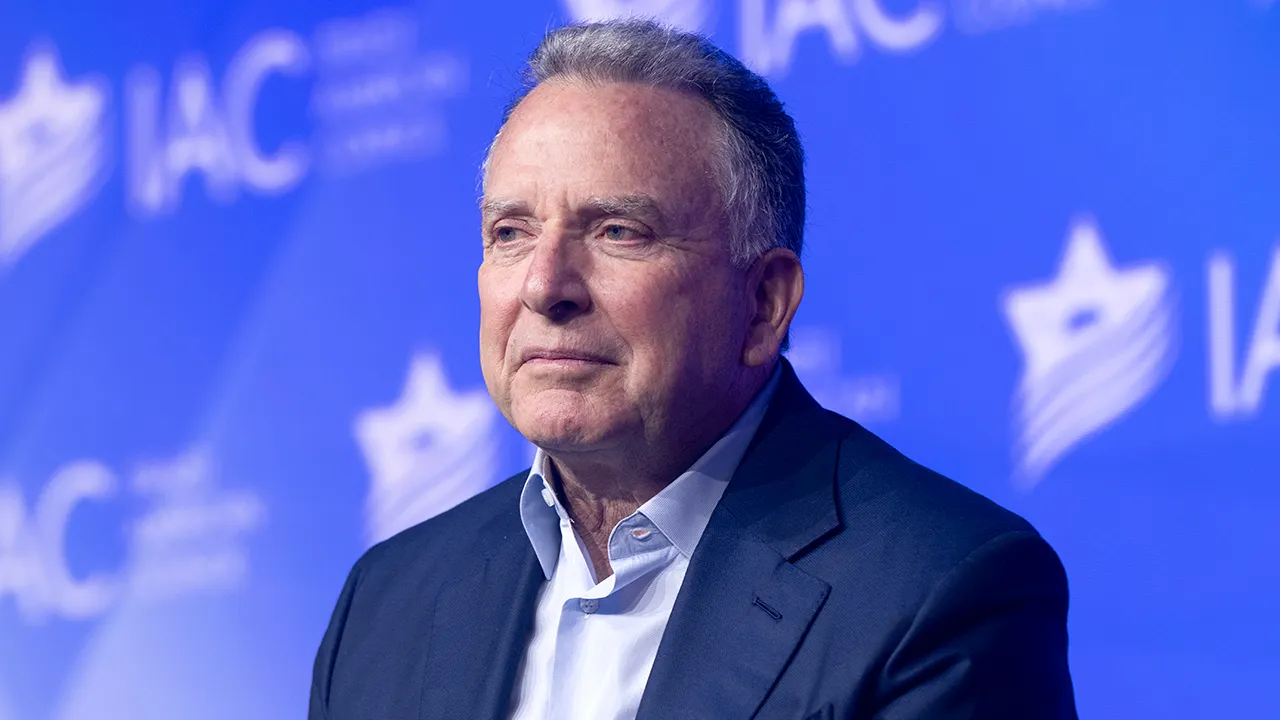
U.S. special envoy Steve Witkoff speaks at the IAC National Summit 2026 at The Diplomat Beach Resort on Jan. 15, 2026, in Hollywood, Fla. (Noam Galai/Getty Images)

“Discussions will continue, with additional progress anticipated in the coming weeks. We thank the United Arab Emirates for hosting these discussions, and President Donald J. Trump for his leadership in making this agreement possible,” the post noted.

President Donald Trump’s administration has been aiming to try to help broker a peace deal between Russia and Ukraine.

TRUMP SPEAKS WITH CHINESE PRESIDENT XI JINPING ON RANGE OF ISSUES INCLUDING RUSSIA-UKRAINE WAR

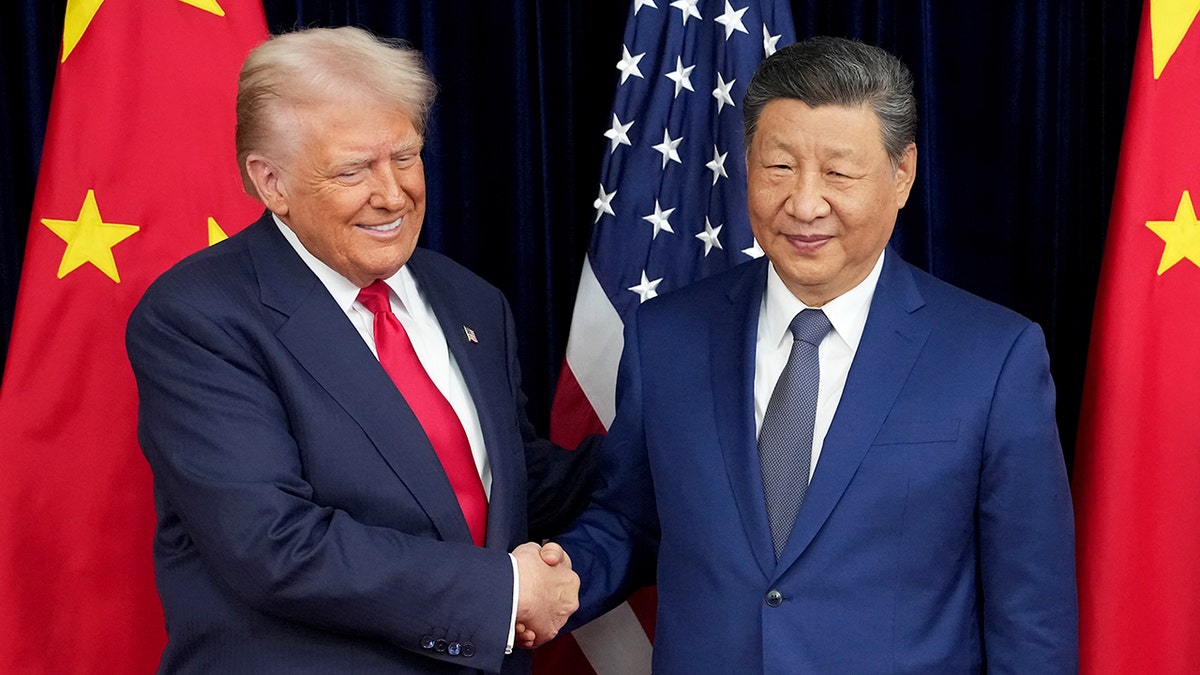
U.S. President Donald Trump shakes hands with Chinese President Xi Jinping

U.S. President Donald Trump greets Chinese President Xi Jinping ahead of a bilateral meeting at Gimhae Air Base on Oct. 30, 2025, in Busan, South Korea. ( Andrew Harnik/Getty Images)

The president said in a Wednesday Truth Social post that “the War between Russia/Ukraine” was one of the topics during a phone call he had that day with Chinese President Xi Jinping.

Sen. Lindsey Graham, R-S.C., said in a Tuesday post on X that he “would urge President Trump to start a process to provide Ukraine with Tomahawk missiles which would be a game changer militarily.” 

WITKOFF CELEBRATES ‘NEW DAY IN THE MIDDLE EAST’ AFTER FINAL ISRAELI HOSTAGE IS RETURNED FROM GAZA

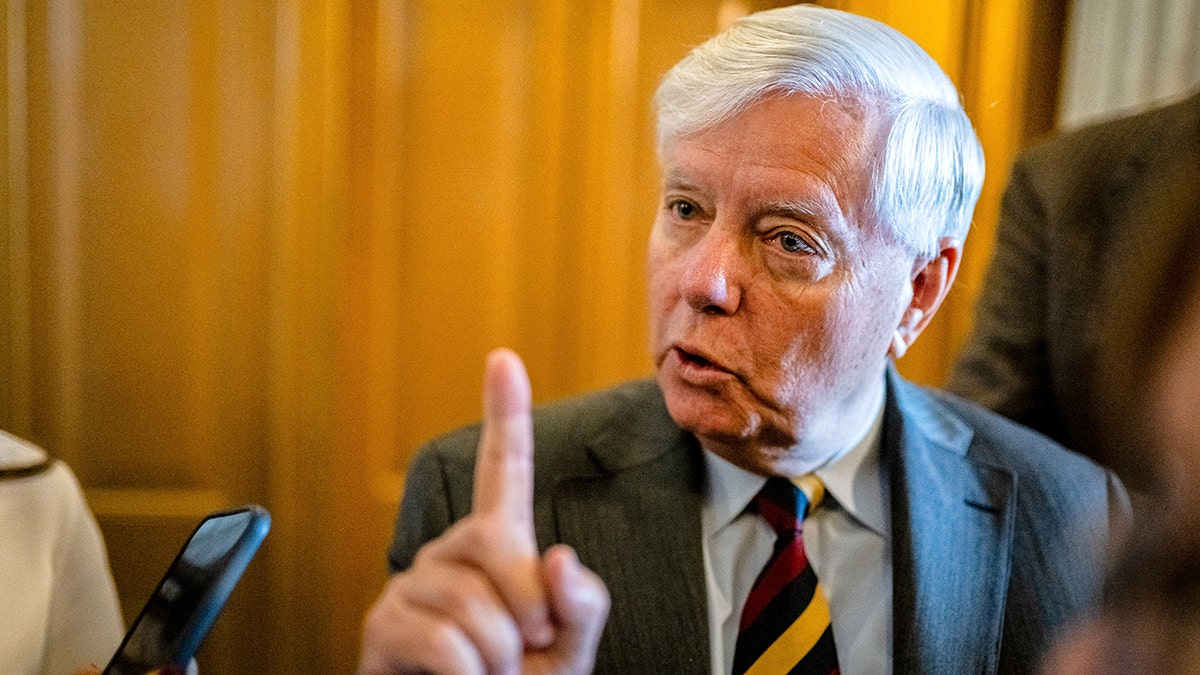
Sen. Lindsey Graham

Sen. Lindsey Graham, R-S.C., speaks to members of the media at the U.S. Capitol in Washington, D.C., on Friday, Jan. 30, 2026. (Graeme Sloan/Bloomberg via Getty Images)

CLICK HERE TO GET THE FOX NEWS APP

“In the coming days and weeks, we must apply more pressure to Putin. Any negotiation that is seen as overly rewarding aggression will set in motion catastrophes all over the world. The opposite is equally true. If negotiations result in a free, strong and independent Ukraine — who had to make concessions — then the world will be far more stable,” Graham asserted.

Access Denied

0
Access Denied


Access Denied

You don’t have permission to access “http://food.ndtv.com/food-drinks/leftover-rotis-make-these-crispy-spring-rolls-in-minutes-10945354” on this server.

Reference #18.5c2645f.1770319384.e93052b

https://errors.edgesuite.net/18.5c2645f.1770319384.e93052b

Iran’s deterrence power strengthened after ballistic missile upgrades: Top general – SUCH TV

0
Iran’s deterrence power strengthened after ballistic missile upgrades: Top general - SUCH TV

Iran’s top military official says the country has strengthened its deterrence by upgrading domestically manufactured ballistic missiles.

Chief of Staff of the Iranian Armed Forces Major General Abdolrahim Mousavi made the remarks on Wednesday during a visit to an Islamic Revolution Guards Corps (IRGC) missile town.

“By upgrading its ballistic missiles in all technical dimensions, Iran has been able to strengthen its deterrence power,” he said during the visit, accompanied by Brigadier General Majid Mousavi, commander of the IRGC Aerospace Force.

Mousavi also expressed Iran’s readiness to confront any act of aggression by its enemies.

“Following the 12-day war, we have changed our military doctrine from defensive to offensive by adopting the policy of asymmetric warfare and [boosting readiness for a] crushing response to the enemies,” the top general said.

He was referring to the illegal US-Israeli aggression against Iran that killed at least 1,064 people last June.

Israel launched the unprovoked war on June 13 while Iran was engaged in nuclear talks with the US, which also joined the aggression by striking Iranian nuclear sites.

In response, Iranian armed forces targeted strategic sites across the occupied territories and at Al-Udeid, the largest US military installation in West Asia.

Iran has since moved to enhance both its defensive and offensive capabilities.

The region is once again bracing for another potential military confrontation after the United States deployed air and naval forces to the region and threatened to attack the Islamic Republic.

Iranian officials have warned that any US attack would prompt an immediate response and could ignite a regional war.

Tensions have eased slightly as regional countries launched a flurry of diplomatic efforts to prevent war. Iranian and US diplomats are now set to meet in Oman on Friday for a new round of talks on Tehran’s nuclear program.

Earlier this week, General Mousavi warned that any miscalculation by the Islamic Republic’s enemies would trigger a “rapid” and “decisive” response.

Iranian Armed Forces are prepared to respond forcefully to threats, he added. “We think only of victory. We have no fear of the enemy’s superficial might, and we are fully ready for confrontation and to deliver a retaliatory slap.”