Indian Minister of Commerce and Industry, Consumer Affairs, Food and Public Distribution and Textiles Shri Piyush Goyal is talking to media on EU-India trade relations. India will waive tariffs on industrial imports from four European nations for a $100 billion investment over 15 years, ending nearly 16 years of negotiations.
New Delhi is ready to place orders worth up to $80 billion for Boeing planes, India’s Commerce and Industry Minister Piyush Goyal reportedly said, signaling New Delhi’s willingness to expand trade with the U.S.
India’s demand for aircraft alone, with orders for Boeing “yet to be placed but ready,” is nearly $80 billion, Goyal said on Thursday, adding that if engines and other spare parts are added, imports from U.S. will “cross 100 billion dollars just [from] aircrafts.”
Families of passengers who died in the Air India plane crash in Ahmedabad in June last year are suing Boeing, over the alleged role of defective dual switches in the disaster that saw 241 of the 242 the minister said on board lose their lives.
The minister also said that there was potential to procure a minimum of $500 billion worth of goods from the U.S. over the next five years, but clarified that there was no explicit investment commitment made as part of the trade deal with Washington.
On Monday, within a week of the India-EU trade deal, U.S. President Donald Trump announced in a social media post that Washington and New Delhi had agreed a trade deal.
Trump said that the U.S. will reduce tariffs on Indian goods to 18%, while New Delhi will lower duties on U.S. goods to zero, replace Russian oil with supply from U.S. and Venezuela, open sensitive markets such as agriculture and buy $500 billion worth of American goods.
The Indian Prime minister expressed delight over cut in duties, as goods from the country entering U.S. have been subjected to 50% in tariffs, but did not acknowledge any other details shared by Trump.
While experts agree that India will buy more from the U.S., they have said the target of buying goods worth $500 billion from Washington “seems a stretch.”
India’s overall goods imports stood at $720.24 billion in financial year 2025, with its trade deficit at $94.3 billion. That includes goods worth $45.3 billion from the U.S.
Deal timeline
India and the U.S. will sign a joint statement in the next 3-4 days, finalizing the first tranche of the trade deal between the two countries, Goyal said on Thursday. The 18% tariffs on Indian exports to the U.S. will become effective after the joint statement is issued, he added.
Two sides will then sign a formal agreement in mid-March, after which the tariff concession for U.S. goods entering India will become effective.
Since the deal has been announced, the Indian government has been scant with details and is facing questions from opposition political parties.
The leader of India’s opposition, Rahul Gandhi, has accused Modi of being “compromised” and of having “surrendered on Tariffs.
The Indian government has not confirmed some of Trump’s claims about the trade deal such as India reducing duties on U.S. goods to zero and halting imports of Russian oil, as well as a firm commitment to purchasing goods worth $500 billion.
Experts say Trump’s claims seem “unrealistic” and risk the U.S. backtracking on the trade deal, citing his threats to raise tariffs on South Korea, after slashing them in July last year, despite a trade deal.
An alleged top Sinaloa cartel fentanyl producer accused of supplying millions of deadly pills to the Chapitos was charged in a newly unsealed U.S. indictment after Mexican authorities arrested Ivan Valerio Sainz Salazar in Sinaloa, federal prosecutors said.
The Department of Justice (DOJ) said Thursday that Sainz Salazar, also known as “Mantecas,” is charged with fentanyl trafficking and weapons offenses tied to an alleged conspiracy to manufacture the drug for the Sinaloa cartel and smuggle it into the U.S.
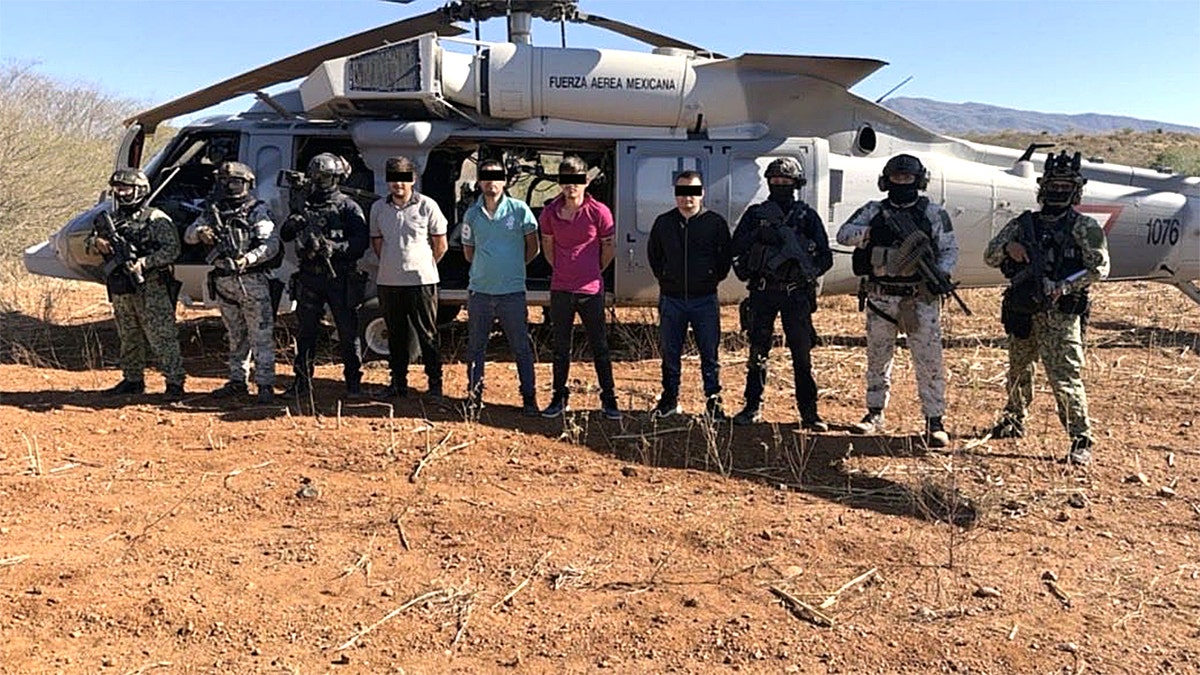
Mexican authorities arrested Sainz Salazar and several alleged associates in Badiraguato, Sinaloa, on Jan. 19, 2026, according to Mexico Secretary of Security and Civilian Protection Omar H. Garcia Harfuch.
“In an operation carried out by the National Guard, the Mexican Army and Air Force, authorities detained Iván Valerio ‘N,’ alias ‘Mantecas,’ leader of a faction linked to the Beltrán Leyva organization,” Garcia Harfuch wrote on X. “He was arrested along with 7 members of his group, as well as firearms, vehicles and a synthetic drug production center. The investigation is ongoing.”
According to the indictment, federal prosecutors claim the Sinaloa cartel remains one of the primary drivers of fentanyl flowing into the U.S., fueling record overdose deaths nationwide. The synthetic opioid is far more potent than heroin and has devastated communities across the country.
Investigators allege the cartel faction known as the Chapitos – led by the sons of Joaquín “El Chapo” Guzmán – oversaw much of that operation, relying on armed enforcers to protect drug labs, trafficking routes and leadership, often using military-grade weapons.
Prosecutors claim Sainz Salazar served as a key fentanyl producer for the Chapitos from about 2022 through 2025, helping manufacture millions of pills, arranging drug transactions under armed protection and operating labs that later became central to the group’s fentanyl production.
Federal prosecutors charged an alleged top Sinaloa cartel fentanyl producer accused of supplying the Chapitos after his arrest in Mexico.(Mexico’s Secretary of Security and Civilian Protection)
Sainz Salazar, a 40-year-old Mexican citizen, has been charged with conspiring to import fentanyl into the U.S. and conspiring to distribute it domestically – counts that each carry a mandatory minimum sentence of 10 years in prison and a maximum of life.
He is also charged with using and possessing machine guns and destructive devices in connection with the alleged drug conspiracy. One weapons count carries a mandatory minimum sentence of 30 years and a maximum of life, while another related conspiracy charge also carries a maximum sentence of life.
“As alleged, Sainz Salazar served as a major producer of the Sinaloa Cartel’s fentanyl shipments bound for the United States,” U.S. Attorney Jay Clayton said. “Fentanyl kills, and violent dealers in fentanyl must be taken off our streets. Today’s charges target a major producer behind the Chapitos’ supply chain and underscore the commitment of the women and men of our Office to holding traffickers at all levels of the production and distribution chain accountable.”
Federal prosecutors charged an alleged top Sinaloa cartel fentanyl producer accused of supplying the Chapitos after his arrest in Mexico.(Mexico’s Secretary of Security and Civilian Protection)
Joaquín Guzmán López, son of cartel boss “El Chapo,” pleaded guilty in a Chicago federal courtroom in December to drug-trafficking and continuing criminal enterprise charges.
Guzmán López, 39, is among the so-called Chapitos, the group of brothers who took over a major faction of the Sinaloa cartel after drug kingpin El Chapo’s 2019 conviction and life sentence.
Prosecutors say the brothers increased the production and distribution of narcotics, including fentanyl, and created a massive pipeline that funneled tens of thousands of kilograms of drugs into the U.S. each year, per reports.
Guzmán López pleaded guilty to two counts of drug trafficking and continuing criminal enterprise after acknowledging his role in overseeing the transporting of drugs to the U.S., mostly through underground tunnels.
Guzmán López’s attorney said the plea deal allows his client to avoid an automatic life sentence, according to The Associated Press.
Guzmán López was arrested in July 2024 alongside longtime cartel figure Ismael “El Mayo” Zambada after landing on a private jet in Texas.
The plea followed a similar agreement reached months earlier by his brother, Ovidio Guzmán López, on trafficking and money-laundering charges.
El Chapo himself remains in a maximum-security U.S. prison serving life without parole for running a multibillion-dollar trafficking empire. Prosecutors say his son stepped into his role.
Greg Wehner is a breaking news reporter for Fox News Digital.
Story tips and ideas can be sent to Greg.Wehner@Fox.com and on Twitter @GregWehner.
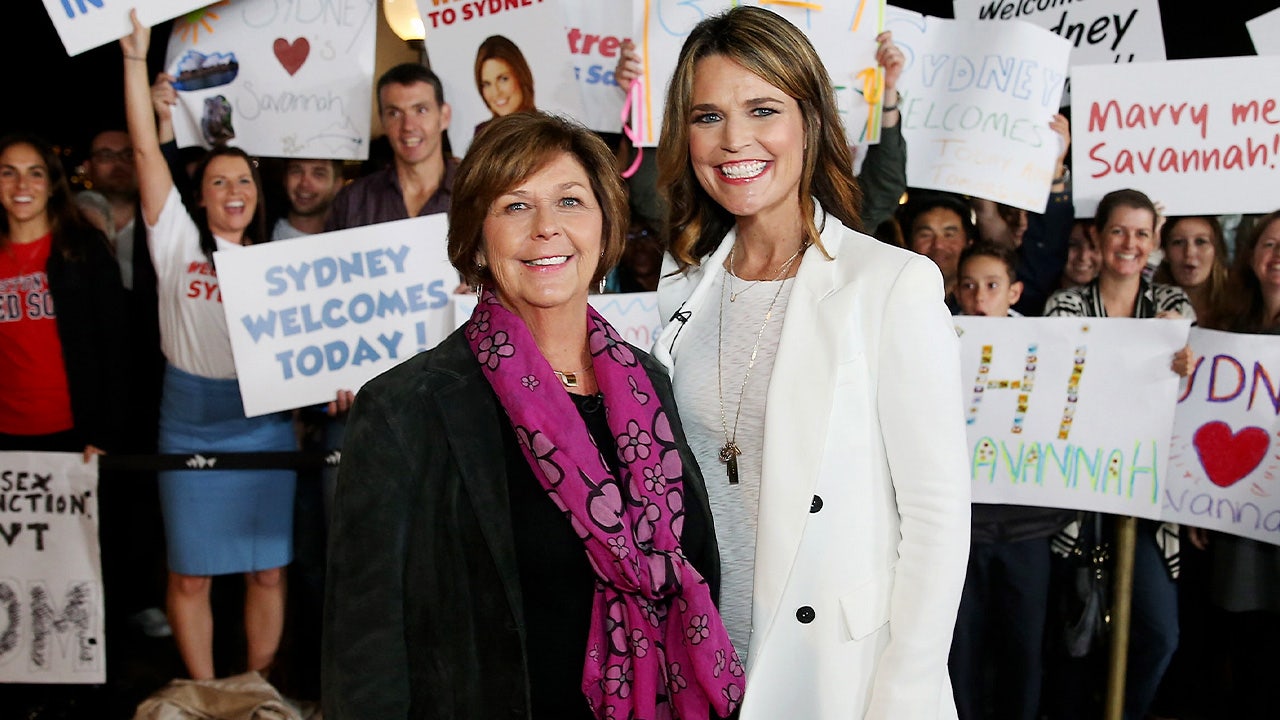
An undated photo of Nancy Guthrie and Savannah Guthrie provided by NBC in repsonse to the disappearance of the 84 year-old mother of the Today Show host.(Courtesy of NBC)
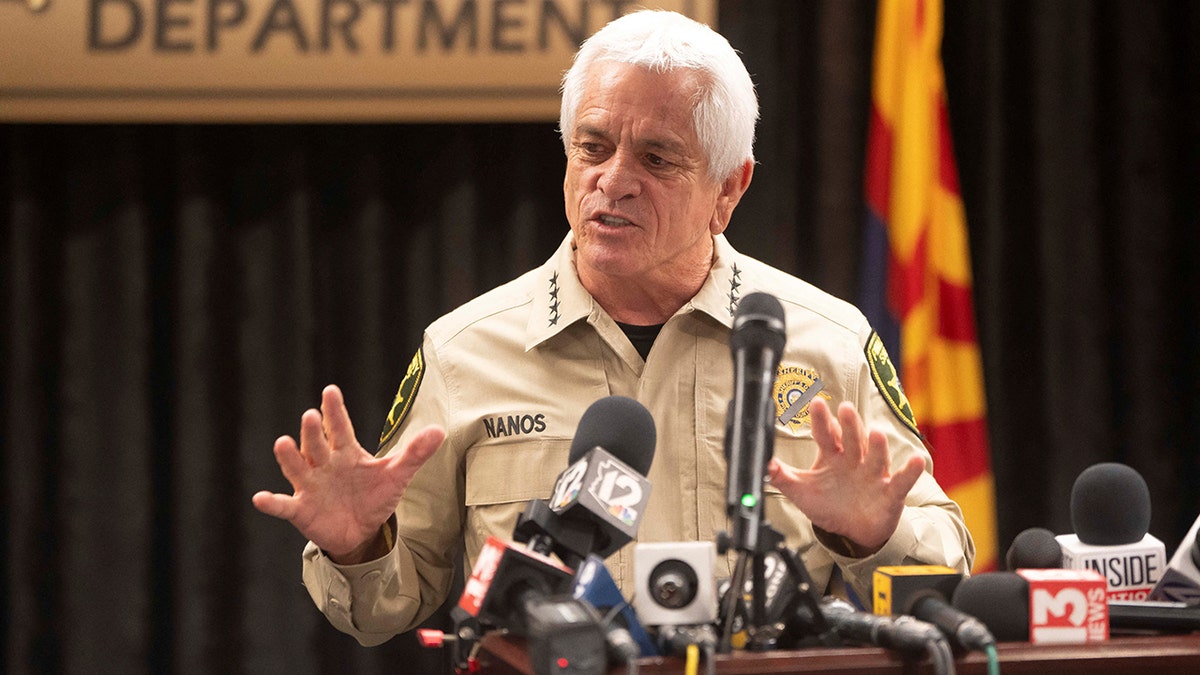
Pima County Sheriff Chris Nanos gives an update on the investigation after the disappearance of Nancy Guthrie, the 84-year-old mother of U.S. journalist and television host Savannah Guthrie, who went missing from her in Tucson, Arizona, U.S. February 5, 2026. (Rebecca Noble/Reuters)
An undated photo of Nancy Guthrie and Savannah Guthrie provided by NBC in repsonse to the disappearance of the 84 year-old mother of the Today Show host.(Courtesy of NBC)
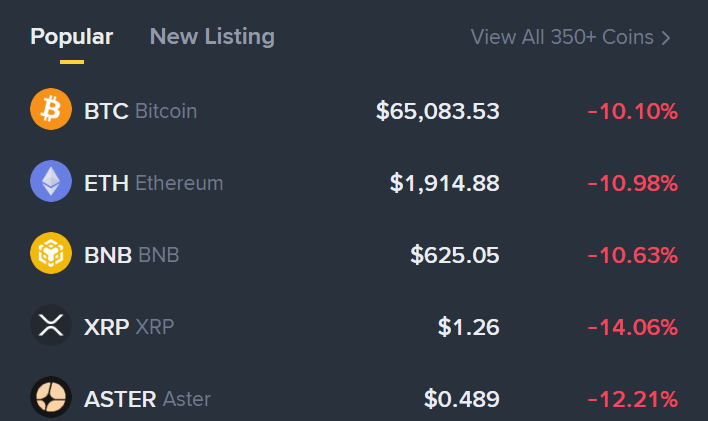
Bitcoin crashes to $65,500, its lowest since 2024, losing over 10 percent in 24 hours. BTC is down 45 percent from its $126,272 peak, with market cap now at $1.29 trillion.
Bitcoin hits the lowest level since 2024, down 45% from record high
Bitcoin Crash: The downslide of Bitcoin has continued, tumbling the popular cryptocurrency to its lowest since 2024. According to CoinMarketCap, Bitcoin came down to $65,500-mark after falling over 10 per cent in the past 24 hours, reflecting the loss of faith and weakening sentiments among investors.
The crisis in Bitcoin has been intensifying in current times, dragging the overall crypto sentiment to its lowest. BTC has fallen over 45 per cent from the all-time high of $126,272, wiping off the market cap to $1.29 trillion.
Ethereum, which is the second most popular cryptocurrency, too suffered a heavy beating to drop about 10 per cent in the past 24 hours, falling to a low of $1,918. It slumped about 30 per cent in the past seven days, showing a broad weakening sentiment t in the crypto world.
The altcoins such as Solana, BNB, Bitcoin Cash, UNUS SED LEO, Monero, Zcash, etc. seemed to follow the broad low sentiment by dropping up to 16 per cent in the last 24 hours.
Meme coin such as Dogecoin fell 13.20 per cent.
Binance
Why Are Cryptocurrencies Falling?
Bitcoin saw a major rally following the beginning of Trump’s 2nd term as US President in early 2025. The rally was linked to pro stance by Donald Trump for cryptocurrency and record investment inflow via ETFs. Last year, BTC had hit the record high of $126,275, marking a bearish sentiment and high faith with a record inflow in ETFs.
Since then, however, Bitcoin’s slide has continued, hitting consecutive lower levels. Investors are continuing to exit from Bitcoin ETFs, weaking the prices further.
Disclaimer: Comments reflect users’ views, not News18’s. Please keep discussions respectful and constructive. Abusive, defamatory, or illegal comments will be removed. News18 may disable any comment at its discretion. By posting, you agree to our Terms of Use and Privacy Policy.
A group of immigrant and civil rights organizations issued a travel advisory on Thursday warning foreign tourists to reconsider travel to Florida for FIFA World Cup matches over the government’s illegal immigration enforcement tactics and detention centers like “Alligator Alcatraz” in the Sunshine State.
The advisory suggested fans visiting from other countries carry IDs and register travel with their consulate before coming to the U.S. for the tournament, which kicks off in June.
“Recent reporting and civil-rights litigation document growing instances in which visitors, tourists, lawful residents, and even U.S. citizens have been detained, questioned, held in immigration custody, or removed from the United States following encounters with federal immigration enforcement and local law enforcement acting under expansive immigration partnerships,” the alert said, citing enforcement actions in Florida and Gov. Ron DeSantis’ moves to have local police partner with federal immigration officials.
The organizations also pointed to alleged instances in which tourists or U.S. citizens were detained.
A group of immigrant and civil rights organizations issued a travel advisory warning foreign tourists to reconsider travel to Florida for FIFA World Cup matches.(Carmen Mandato/Getty Images)
In a press conference outside FIFA’s downtown offices near Miami, the groups said they were not calling for a boycott, but they would not take it off the table in the future as fans prepare to visit the city.
“We’re using this opportunity to really urge visitors and tourists to have a calculated move about whether or not they’re going to come,” Yareliz Mendez-Zamora, coordinator for American Friends Service Committee, a social justice and humanitarian nonprofit, said at the press conference.
Others, including former FIFA President Sepp Blatter, have warned fans against traveling to the U.S. for the games over the Trump administration’s immigration policies.
The coalition warned that travelers could face increased enforcement during what they described as an aggressive immigration crackdown under the current administration.
“We’re just warning people of the risks … under an environment where every, not just law enforcement agency but state agency, has been deputized to cooperate with federal immigration enforcement,” said Thomas Kennedy of the Florida Immigrant Coalition.
The advisory suggested fans visiting from other countries carry IDs and register to travel with their consulate before coming to the U.S. for the tournament.(Christopher Dilts/Getty Images)
“What we don’t want is our fans being harassed by immigration enforcement when they’re just trying to attend the game,” Kennedy continued, adding that he wanted “assurances that there won’t be immigration enforcement happening at these games indiscriminately.”
Dariel Gomez, a field organizer for the ACLU of Florida, said the groups were not aiming to spread fear or panic but to “offer a sobering reality check” that some people may face racial profiling or be detained.
“Because of these programs a simple traffic stop here in Miami is no longer just a routine interaction, for too many people a simple interaction by police now comes with the fear of deportation,” Gomez said.
The groups also raised concerns about the recent instances in Minneapolis in which federal immigrant agents fatally shot two U.S. citizens, as well as the federal government’s new travel bans. The Trump administration included some exceptions to the ban for players, coaches and their families, but Haiti and Iran were not covered. Foreign spectators, media and corporate sponsors who wish to attend the events would still be impacted by the ban unless they qualify for another exemption.
The coalition cited enforcement actions in Florida and Gov. Ron DeSantis’ moves to have local police partner with federal immigration officials.(Andrew Caballero-Reynolds/Getty Images)
FIFA President Gianni Infantino, who awarded the inaugural “FIFA Peace Prize” to President Donald Trump in December, previously said that “fans from all over the world will be welcome.”
The White House has also created a FIFA task force, which includes Secretary of State Marco Rubio, who is a native of Miami.
In December, the White House did not rule out whether immigration raids were possible around the soccer matches this summer, of which seven are scheduled for South Florida.
With pitchers and catchers reporting to spring training across Arizona and Florida next week and all of Kiley McDaniel’s top 10 free agents now signed, there is light at the end of the offseason tunnel for baseball fans.
But before we say goodbye to the 2025-26 MLB offseason, it is a perfect time to make sense of the biggest themes of a wild winter and examine what they mean for the 2026 season — and the future of MLB.
How do the latest spending sprees by the Los Angeles Dodgers and New York Mets impact the mindset of baseball’s 28 other teams? What does an offseason of trade rumors mean for next summer’s trade deadline? And how should fans of contenders that went big — and others that decided to run it back with the same roster — feel about the season ahead?
We asked ESPN MLB insiders Buster Olney and Jeff Passan to break it all down.
The Dodgers’ spending created plenty of outcry (again). What does it mean for the future of MLB?
Olney: Financial disparity among teams has long existed, but the Dodgers’ payroll will serve to galvanize the effort of other owners to rebuild the sport’s financial system through some kind of proposed cap-and-floor design. As one former player said: “It’s like we’re back in 1994 — you’ve got some owners looking for the players to solve ownership issues.”
The players went on strike in August 1994, of course, and that fall’s World Series was canceled. But it remains to be seen how far the owners will push to revamp the system, and whether the players’ coalition will hold together as strongly as it did three decades ago.
Passan: Let’s not forget the Mets, either. Their Opening Day payroll is upward of $50 million more than the Dodgers’. But Buster’s points stand regardless: The spending of the top two teams has reinforced to 28 others that change is necessary. They believe that change comes via a salary cap.
Regardless of whether the league can ever convince players to accept one, the vast majority of people in baseball — even among the Dodgers and Mets — acknowledge that significant changes need to come following the expiration of the collective bargaining agreement Dec. 1. How significant will determine the length of a potential work stoppage and whether it affects the 2027 season.
Overall spending was healthy in the last winter of the current CBA. What does it mean for next offseason?
Olney: Just as there was before the last owners’ lockout, there will be a rush of signings of high-end free agents before Dec. 1, and the big-market teams will presumably lead the splurge. With a lot of unknowns about what the sport’s financial system will look like after the next collective bargaining agreement, there are agents and club executives who believe that the big spenders — the Dodgers, the Mets, the Yankees, the Phillies, the Jays, maybe others — will be hyperaggressive to make moves under the existing rules, knowing that those rules are going to change. In theory: They could look to take advantage of the current system while they still can.
Passan: That’s what the Dodgers and Mets have done already, right? They recognized cash was an unchecked advantage and levered it into bountiful rosters. I’m not sure the spending this winter is particularly indicative of anything going forward, though, because of the uncertainty.
And while I was with Buster on the deluge of signings leading up to Dec. 1, multiple executives and agents wonder whether the wide range of outcomes in a new basic agreement will mitigate that mad scramble to transact before the lockout. It’s probably the likeliest outcome, yes, but a slow November could be a canary in the coal mine for the months of inaction expected to follow.
Kyle Tucker took the Dodgers’ high-AAV offer over a longer-term deal. What does it mean for the future of free agency?
Olney: Some agents and teams believe that yes, the model for the big-money deals is shifting, and that teams are more interested in paying more money annually over deals of shorter terms — which is what happened with Tucker, and Bo Bichette and Framber Valdez.
“I think there’s a feeling that those really long-term deals become stale for the teams,” said one league source, citing this winter’s flashpoint between the Phillies’ David Dombrowski and Bryce Harper. “A lot of teams can’t afford these kinds of deals, but for the teams that can, paying a player aggressively in the short term might be more attractive.”
Passan: Just because it needs to be said: Every team can afford that kind of deal. Maybe not multiple $300 million-plus deals. But if the Royals can sign Bobby Witt Jr. and Minnesota can sign Carlos Correa and Colorado can sign Nolan Arenado, anyone can sign anyone to a big-dollar deal spread out over time.
What I fear, actually, is that even though the shorter-term, higher-average-annual-value contract strips away the less-productive years at the end of a contract, the cash-flow crunch that realistically does affect some of the lower-revenue teams will discourage them from engaging in such deals. Between that and the signing bonuses that are a hallmark of such contracts, middle- and small-market teams are at a disadvantage when competing for the best free agents with Los Angeles and New York.
Tarik Skubal and Ketel Marte were in many trade rumors — but ultimately stayed put. What does it mean for the 2026 MLB trade deadline?
Olney: The midsummer fallback for a Skubal trade has always seemed unrealistic to me, especially with the Tigers inhabiting the favorable landscape of the AL Central. How in the world could Detroit trade the AL’s best pitcher if they are within four or five games of first place in a very winnable division? Tigers fans — and maybe players — would revolt.
In April, Marte will acquire 10-and-5 rights to veto any trade, but if Arizona falls out of contention — certainly a possibility in the highly competitive National League — the D-backs could revisit the question in midseason. By then, however, his trade value could be impacted by performance, the labor uncertainty and his ability to block any deal.
The vast majority of the trade deadline moves figure to involve players who are impending free agents, because the trade offers of some teams for players signed into 2027 could be diminished because of concern over the CBA.
Passan: True, but it didn’t stop Seattle from giving up a hefty package for Brendan Donovan or Washington getting five prospects in return for MacKenzie Gore from Texas. At the end of the day, the smartest people — and, consequently, the smartest teams — know what they don’t know and don’t try to control things they can’t. And regardless of what their owners are telling them about the likelihood of a capped system, if front offices feel as if moves at the deadline will allow them to beat the Dodgers in 2026, they won’t hesitate to be aggressive. Great seasons are too valuable and rare not to chase.
As for Skubal and Marte: While Buster is spot-on with the Tigers’ value proposition, teams that allow perceived fan pressure to dictate moves rarely end up better for it and Detroit knows that. Did the signing of Framber Valdez on Wednesday to a three-year, $115 million contract change that calculus, though? Perhaps the result of Skubal’s arbitration hearing, expected Thursday, will provide additional clarity. As with Arizona and Marte, at the end of the day, it’s a projection question: Is the gain from a trade minus the grief it brings worth more than what the player will produce plus the compensation he’d bring if he wasn’t traded and eventually left via free agency?
The Mets opted for a complete overhaul after their 2025 collapse. What does it mean for their 2026 chances?
Olney: Maybe more than any other high-dollar contender, the possible outcomes for the Mets cover a wide range. If Bo Bichette hits, if Luis Robert stays on the field, if Freddy Peralta makes 30-plus starts, if the corner infielders adapt to their new positions, if Nolan McLean continues to pitch as well as he did at the end of last year … if all of that goes well, this could be a really, really good team, and perhaps the greatest threat to the Dodgers’ championship reign.
But with all due respect to the late, great Mets announcer Bob Murphy, if the ’26 Mets turn into a Murphy’s Law team — where a lot of the decisions backfire — this would rival the ’93 Mets (known as the Worst Team Money Can Buy) in franchise history because of resources spent and fan expectations. This is why no one in the sport is operating under greater pressure in ’26 than David Stearns, the Mets’ head of baseball operations. He has to get it right; the Mets have to get it right.
Passan: Let’s put it this way: This, I believe, is far closer to how the Mets are likely to be run going forward than the buy-everything-you-can ethos of past Steve Cohen teams. And not because that hasn’t worked but rather because this winter reflected the Mets’ willingness and ability to be in the middle of every consequential free agency and trade possibility while still operating with the value mentality that brings balance. The hard truth is the old Mets weren’t good enough. Are these Mets? They might not be either, but they’re positioned in a way to offer flexibility and balance past Mets incarnations simply didn’t have.
The Yankees and Phillies decided to run it back with mostly the same team as a year ago. What does it mean for their World Series chances?
Olney: With both teams, so much depends on players returning from major injuries — in particular, the Yankees’ Gerrit Cole and Luis Gil, and the Phillies’ Zack Wheeler. It’s easy to forget that the Yankees tied the Blue Jays for the most wins in the AL last year, and the Phillies were the team that the Dodgers feared the most in the march through the NL playoffs. But generally, the rosters of these two teams are older and probably more susceptible to injury.
Passan: I get the fervor in New York and Philadelphia. When a team doesn’t reach the World Series, let alone win it, change is standard operating procedure. And yet Buster’s point about both teams being quite good is salient. Different is different. It isn’t always better. And what the Yankees and Phillies have right now remains quite good. Is it enough? Nobody knows.
But on top of Cole and Gil, the Yankees get a full season of Cam Schlittler, with Elmer Rodriguez and Carlos Lagrange on the doorstep. The Phillies are giving Justin Crawford every chance to win their center field job and Aidan Miller isn’t far behind. Ultimately, maybe these Yankees and Phillies are just like the Mets that were broken up: good, not good enough. But dismissing them at this point is presumptuous. Outside of the Dodgers, they’ve got as strong a chance of winning as anyone.
A shrinking body and a quiet underarm lump masked a dangerous truth, highlighting how easily breast cancer can hide in plain sight.
What seemed like normal weight loss masked a dangerous truth. A painless underarm lump led to a breast cancer diagnosis at 39. (Image-AI)
What looked like routine weight loss and a harmless underarm lump quietly masked a life-altering diagnosis, until one scan rewrote a 39-year-old’s story and revealed a truth she never saw coming.
At 39, life often feels predictable enough to trust your instincts. Weight changes began to make sense, small bodily changes felt harmless, and many women dismiss subtle signs as lifestyle shifts, stress, or ageing, especially when there is no significant pain.
Explaining how easily this happens, Dr Utkarsh Ajgaonkar, Consultant, Surgical Oncology at TGH Onco Life Cancer Centre, says, “Breast cancer can begin with very subtle or painless symptoms. Many women do not feel pain in the early stages. A small lump in the breast or underarm, slight skin thickening, or minimal shape changes may be the only signs.”
When Subtle Changes Feel Normal
For Nehal, a 39-year-old nurse at a government hospital in Delhi, the changes felt routine at first. She had been consciously losing weight to stay fit, and her body was responding accordingly. Her breast size reduced slightly. Her clothes fit differently. None of it seemed unusual.
“I did not expect it to be breast cancer. I’m a nurse myself and was losing weight to stay healthy and fit,” she said. Breast cancer did not knock on the door loudly; it blended in with the physical changes. What she did not expect was how easily breast cancer could hide behind routine bodily changes.
The lump did not feel alarming. There was no pain, no significant growth. With her medical background, Nehal assumed she would recognise something serious instantly. Somewhere during this phase, a lump developed in her armpit or axilla. It did not hurt. It did not draw attention. In fact, Nehal barely noticed it forming.
“While I was losing weight, I believe I developed a lump, because I never really noticed a lump growing on my armpit,” she explained.
According to Dr Ajgaonkar, this assumption is common. “Many women dismiss breast or underarm lumps as harmless, especially when they are painless. Unfortunately, that is often how early breast cancer presents itself.”
What Studies Say
Breast cancer begins as an abnormal growth of cells in breast tissue. According to the Mayo Clinic, “After skin cancer, breast cancer is the most common cancer diagnosed in women in the United States. But breast cancer doesn’t just happen in women. Everyone is born with some breast tissue, so anyone can get breast cancer.”
According to a Centers for Disease Control and Prevention (CDC) study published in July 2025, there is no standard definition of a “normal” breast. Breasts may feel lumpy or uneven and can change due to menstruation, pregnancy, weight fluctuations, medications, or ageing. This wide range of normal often leads women to overlook early warning signs.
For Nehal, the logic seemed simple. She was losing weight, so physical changes were expected. “There were changes in my breast size which appeared normal to me initially since I was losing weight,” she said. The underarm lump, she assumed, was a pus-filled pimple that would eventually resolve.
The Trigger That Changed Her Perspective
Awareness came unexpectedly. One day, while scrolling through Instagram, Nehal came across a post about breast health. “When I came across a post on Instagram talking about breast health out of the blue, I guess that was a sign from the universe,” she recalled.
Prompted by curiosity, she examined her underarm and breast more closely. Still, she was not convinced that anything was wrong. “I started checking my underarm and breast to spot any unusual lump and still thought it was a pus-filled pimple which had gotten big,” she said.
She consulted a physician at her hospital and explained the entire situation. Medication was prescribed to help the lump burst on its own. There was no improvement. Later, during a casual discussion with friends about a breast cancer case, something unsettled her. “Something just struck my mind,” Nehal said. That moment pushed her to consult an oncologist.
A Diagnosis That Shattered Assumptions
The scan confirmed what she had not prepared for- stage 2 breast cancer. “It shook me,” she admitted. Stage 2 breast cancer indicates that the tumour has grown and may have spread to nearby lymph nodes, but it remains treatable. Early detection significantly improves outcomes.
Medical experts list common symptoms as breast or underarm lumps, changes in breast size or shape, nipple inversion, skin dimpling, peeling or flaking of the skin, and redness or darkening. Many of these overlap with benign conditions, making early detection difficult.
Dr Ajgaonkar reiterates, “Listening to your body and seeking timely medical advice can save your life. A simple check-up can bring clarity and peace of mind.”
The CDC study also highlights that while most breast lumps are non-cancerous, often caused by fibrocystic changes or cysts, any new or persistent lump should be evaluated promptly.
Treatment and Its Toll
Her breast cancer treatment began almost immediately after the diagnosis. Nehal underwent repeated screenings, lumpectomy, followed by radiation therapy. A phase she describes as the most physically and emotionally exhausting period of her life.
“The radiation sessions broke me,” she said, adding that each visit felt heavier than the last.
Explaining what patients often endure, Dr Ajgaonkar says, “Common side effects of radiation therapy include fatigue, skin redness or irritation, hair loss in the treated area, and mild pain or swelling. These can be managed with adequate rest, nutritious food, and proper skin care, following the doctor’s instructions closely.”
“I felt burned. My skin started turning dark, and the flaky skin and hair loss became impossible for me to bear,” Nehal shared.
Surgery, Loss, And Strength
According to the Mayo Clinic, a lumpectomy, also known as partial mastectomy or breast-conserving surgery, involves removing only the cancer-affected portion of the breast and is often followed by radiation therapy to lower the risk of recurrence.
Dr Ajgaonkar explains, “Lumpectomy is very effective for early-stage breast cancer when combined with radiation therapy. In many cases, survival rates are similar to those of mastectomy, and the risk of recurrence remains low with proper follow-up.”
She underwent the surgery, which resulted in the removal of part of her left breast. “My left side of the breast was removed,” she said, describing a loss that went beyond the physical. Coming to terms with the change in her body took time.
“I felt incomplete for some time,” Nehal admitted, reflecting on the emotional impact of the surgery. Gradually, however, healing reshaped her perspective. What once felt like a loss became a symbol of survival.
Post-lumpectomy, doctors suggested radiation therapy for her to reduce the risk of recurrence. Radiation therapy uses powerful energy beams to destroy cancer cells, but it took a toll on her body.
The physical discomfort was constant, but it was the emotional strain that weighed on her the most. Fear of the sessions, uncertainty about outcomes, and the relentless cycle of treatment left her drained.
The Way To Recovery
“I used to cry day and night and was also scared to go through the sessions,” she admitted. Yet, through the exhaustion and fear, Nehal found strength in her family. “I stayed strong for my daughters and husband,” she said, explaining how their presence gave her the courage to keep going even on days when she felt defeated.
Over time, the treatment began to work. Scans eventually showed no trace of cancer, and Nehal was declared cancer-free. But the journey did not end there. “The catch was the chances of relapse,” she said. Doctors advised regular follow-ups every six months.
Delivering a final message, Dr Ajgaonkar urges women not to delay care. “Do not let fear or assumptions delay your healthcare. Many conditions, including cancer, are easier to treat when found early. Delaying treatment can impact outcomes. Be attentive and seek timely help.”
Nehal’s experience stands as a reminder that breast cancer does not always announce itself. “It made me stronger, and I came out resilient,” she said. Sometimes, the biggest diseases hide behind subtle symptoms, waiting to be questioned.
Handpicked stories, in your inbox
A newsletter with the best of our journalism
First Published:
February 06, 2026, 08:00 IST
Newslifestyle An Underarm Lump, Weight Loss And A Surprising Truth: How A 39-Year-Old Was Diagnosed With Breast Cancer
Disclaimer: Comments reflect users’ views, not News18’s. Please keep discussions respectful and constructive. Abusive, defamatory, or illegal comments will be removed. News18 may disable any comment at its discretion. By posting, you agree to our Terms of Use and Privacy Policy.
Explaining how easily this happens, Dr Utkarsh Ajgaonkar, Consultant, Surgical Oncology at TGH Onco Life Cancer Centre, says, “Breast cancer can begin with very subtle or painless symptoms. Many women do not feel pain in the early stages. A small lump in the breast or underarm, slight skin thickening, or minimal shape changes may be the only signs.”
When Subtle Changes Feel Normal
For Nehal, a 39-year-old nurse at a government hospital in Delhi, the changes felt routine at first. She had been consciously losing weight to stay fit, and her body was responding accordingly. Her breast size reduced slightly. Her clothes fit differently. None of it seemed unusual.
“I did not expect it to be breast cancer. I’m a nurse myself and was losing weight to stay healthy and fit,” she said. Breast cancer did not knock on the door loudly; it blended in with the physical changes. What she did not expect was how easily breast cancer could hide behind routine bodily changes.
The lump did not feel alarming. There was no pain, no significant growth. With her medical background, Nehal assumed she would recognise something serious instantly. Somewhere during this phase, a lump developed in her armpit or axilla. It did not hurt. It did not draw attention. In fact, Nehal barely noticed it forming.
“While I was losing weight, I believe I developed a lump, because I never really noticed a lump growing on my armpit,” she explained.
According to Dr Ajgaonkar, this assumption is common. “Many women dismiss breast or underarm lumps as harmless, especially when they are painless. Unfortunately, that is often how early breast cancer presents itself.”
What Studies Say
Breast cancer begins as an abnormal growth of cells in breast tissue. According to the Mayo Clinic, “After skin cancer, breast cancer is the most common cancer diagnosed in women in the United States. But breast cancer doesn’t just happen in women. Everyone is born with some breast tissue, so anyone can get breast cancer.”
According to a Centers for Disease Control and Prevention (CDC) study published in July 2025, there is no standard definition of a “normal” breast. Breasts may feel lumpy or uneven and can change due to menstruation, pregnancy, weight fluctuations, medications, or ageing. This wide range of normal often leads women to overlook early warning signs.
For Nehal, the logic seemed simple. She was losing weight, so physical changes were expected. “There were changes in my breast size which appeared normal to me initially since I was losing weight,” she said. The underarm lump, she assumed, was a pus-filled pimple that would eventually resolve.
The Trigger That Changed Her Perspective
Awareness came unexpectedly. One day, while scrolling through Instagram, Nehal came across a post about breast health. “When I came across a post on Instagram talking about breast health out of the blue, I guess that was a sign from the universe,” she recalled.
Prompted by curiosity, she examined her underarm and breast more closely. Still, she was not convinced that anything was wrong. “I started checking my underarm and breast to spot any unusual lump and still thought it was a pus-filled pimple which had gotten big,” she said.
She consulted a physician at her hospital and explained the entire situation. Medication was prescribed to help the lump burst on its own. There was no improvement. Later, during a casual discussion with friends about a breast cancer case, something unsettled her. “Something just struck my mind,” Nehal said. That moment pushed her to consult an oncologist.
A Diagnosis That Shattered Assumptions
The scan confirmed what she had not prepared for- stage 2 breast cancer. “It shook me,” she admitted. Stage 2 breast cancer indicates that the tumour has grown and may have spread to nearby lymph nodes, but it remains treatable. Early detection significantly improves outcomes.
Medical experts list common symptoms as breast or underarm lumps, changes in breast size or shape, nipple inversion, skin dimpling, peeling or flaking of the skin, and redness or darkening. Many of these overlap with benign conditions, making early detection difficult.
Dr Ajgaonkar reiterates, “Listening to your body and seeking timely medical advice can save your life. A simple check-up can bring clarity and peace of mind.”
The CDC study also highlights that while most breast lumps are non-cancerous, often caused by fibrocystic changes or cysts, any new or persistent lump should be evaluated promptly.
Treatment and Its Toll
Her breast cancer treatment began almost immediately after the diagnosis. Nehal underwent repeated screenings, lumpectomy, followed by radiation therapy. A phase she describes as the most physically and emotionally exhausting period of her life.
“The radiation sessions broke me,” she said, adding that each visit felt heavier than the last.
Explaining what patients often endure, Dr Ajgaonkar says, “Common side effects of radiation therapy include fatigue, skin redness or irritation, hair loss in the treated area, and mild pain or swelling. These can be managed with adequate rest, nutritious food, and proper skin care, following the doctor’s instructions closely.”
“I felt burned. My skin started turning dark, and the flaky skin and hair loss became impossible for me to bear,” Nehal shared.
Surgery, Loss, And Strength
According to the Mayo Clinic, a lumpectomy, also known as partial mastectomy or breast-conserving surgery, involves removing only the cancer-affected portion of the breast and is often followed by radiation therapy to lower the risk of recurrence.
Dr Ajgaonkar explains, “Lumpectomy is very effective for early-stage breast cancer when combined with radiation therapy. In many cases, survival rates are similar to those of mastectomy, and the risk of recurrence remains low with proper follow-up.”
She underwent the surgery, which resulted in the removal of part of her left breast. “My left side of the breast was removed,” she said, describing a loss that went beyond the physical. Coming to terms with the change in her body took time.
“I felt incomplete for some time,” Nehal admitted, reflecting on the emotional impact of the surgery. Gradually, however, healing reshaped her perspective. What once felt like a loss became a symbol of survival.
Post-lumpectomy, doctors suggested radiation therapy for her to reduce the risk of recurrence. Radiation therapy uses powerful energy beams to destroy cancer cells, but it took a toll on her body.
The physical discomfort was constant, but it was the emotional strain that weighed on her the most. Fear of the sessions, uncertainty about outcomes, and the relentless cycle of treatment left her drained.
The Way To Recovery
“I used to cry day and night and was also scared to go through the sessions,” she admitted. Yet, through the exhaustion and fear, Nehal found strength in her family. “I stayed strong for my daughters and husband,” she said, explaining how their presence gave her the courage to keep going even on days when she felt defeated.
Over time, the treatment began to work. Scans eventually showed no trace of cancer, and Nehal was declared cancer-free. But the journey did not end there. “The catch was the chances of relapse,” she said. Doctors advised regular follow-ups every six months.
Delivering a final message, Dr Ajgaonkar urges women not to delay care. “Do not let fear or assumptions delay your healthcare. Many conditions, including cancer, are easier to treat when found early. Delaying treatment can impact outcomes. Be attentive and seek timely help.”
Nehal’s experience stands as a reminder that breast cancer does not always announce itself. “It made me stronger, and I came out resilient,” she said. Sometimes, the biggest diseases hide behind subtle symptoms, waiting to be questioned.
Stay Ahead, Read Faster
Scan the QR code to download the News18 app and enjoy a seamless news experience anytime, anywhere.
Teddi Mellencamp reflects ‘Masked Singer’ proved she can ‘do anything’ despite cancer
Teddi Mellemcamp is proud of her latest The Masked Singer stint.
During the new episode of singing show, it was revealed that the voice behind Calla Lily was Teddi.
Despite her cancer battle, the Real Housewives of Beverly Hills alum took part in he show and left amazed by the experience.
“Doing the show meant a lot,” Teddi told with E! News. “Because it showed me that I could do it and can do anything I put my mind to.”
She went on to share, “I can get emotional just talking about it but being able to go there and do that and make it through and know that I can do that even in the position that I was then—it’s really good.”
“Everybody on that show was so incredible. You felt so supported, so taken care of. There’s just so much love on that show,” she added
On the February 4 episode, she sang her father John Cougar Mellencamp’s 1982 hit Jack and Diane.
“‘You know, that was a lot better than I thought it was gonna be.’ I’m just glad I went out there and had some fun and got to sing one of my dad’s songs. Who gets to say that?” she noted.
When she looked back the episode, Teddi noticed a few improvement in her body made her emotional.
“I was really shaky,” Teddi explained. “You could see my hands kind of [shaking] during the show. Just being able to watch back and see the improvement that’s happened since then.”
NFL Nation is made up of 32 team-specific reporters who cover the NFL year-round across ESPN.com, ESPN television shows, ESPN Radio, ESPN+ and social media platforms. It was established ahead of the 2013 season.
Multiple Authors
Before the Seattle Seahawks and New England Patriots meet at Levi’s Stadium in Santa Clara, California, for Super Bowl LX (Sunday, 6:30 p.m. ET, NBC), the best of the NFL gathered at the Palace of Fine Arts in San Francisco for Thursday’s NFL Honors.
Here’s a look at who took home the awards and why:
Defensive Player of the Year
Myles Garrett | DE | Cleveland Browns
The preeminent pass rusher of his generation, Garrett turned in a record-breaking season to win his second DPOY award. Garrett’s 23 sacks broke the single-season record that was previously shared by Pro Football Hall of Famer Mike Strahan and Pittsburgh Steelers edge rusher T.J. Watt. Garrett achieved this feat despite being double-teamed or chipped on 39.5% of his pass rushes this season, per NFL Next Gen Stats, more than any other edge rusher.
While all the focus was on Garrett’s pursuit of the sack record, he took pride in being an all-around player; his 33 tackles for loss were the second most by a player since 2000, only behind J.J. Watt’s 39 in 2012.
“When you got that much attention for you every week and you’re still putting up the numbers that he’s putting up, that’s pretty special,” Browns defensive line coach Jacques Cesaire said.
Tetairoa McMillan called his rookie year average, but the Carolina wide receiver was anything but.
The eighth pick of the 2025 draft had 70 catches on 122 targets for 1,014 yards and seven touchdowns to lead all rookies in receiving yards and setting a new Carolina rookie record in that category.
Twenty-seven of his catches were considered explosive (16-plus yards), more than any other rookie in 2025.
He also had seven receptions on fourth down, six producing first downs. He helped elevate the game of quarterback Bryce Young, who finally had a true No. 1 receiver in his third NFL season.
“He was elite,” Young said before breaking for the offseason. “He’s a special player.” McMillan calling himself average just speaks to how high his expectations are.
“There’s a lot more out there that could have been had,” he said. “I hold myself to a high standard, so average.”
Encouraging parents to embrace their children with unwavering love is crucial; the emphasis shouldn’t solely be on correcting missteps. A child’s spirit flourishes when they feel accepted, rather than being subjected to endless adjustments. Nurturing self-esteem and inspiring personal development come from a foundation of love.
“Your kids require you most of all to love them for who they are, not to spend your whole time trying to correct them.” – Bill AyersThis quote cuts through a common parenting habit. Many parents spend days fixing, guiding, and improving. The intent is good, but the impact can feel heavy. Children do not grow best under constant correction. They grow best when they feel safe, seen, and accepted. This quote reminds parents that love is not a reward for good behaviour. It is the ground on which all learning stands.
Children are not unfinished projects
Kids are often treated like problems waiting to be solved. Their habits, marks, tone, or choices become daily targets. This approach quietly sends a message that they are never enough. Bill Ayers’ words ask parents to pause. A child is already a whole person, not a draft version of an adult. Guidance works better when it starts with respect, not repair.
Everyday strategies that will transform your child’s personality
Constant correction can blur self-worth
Correction has a place, but too much of it can confuse a child. When most conversations point out what went wrong, children start linking love with performance. Over time, they may hide mistakes or stop trying new things. Loving a child for who they are builds a steady inner voice. That voice helps them handle feedback without feeling broken.
Love does not mean ignoring limits
This quote does not ask parents to remove rules. It asks them to change the order. Love comes first, limits come second. When a child feels accepted, rules feel safer and fairer. A calm boundary taught with warmth stays longer than one taught with fear. Discipline works best when it protects, not when it controls.
See the reason behind the behaviour
Children often act out before they can explain feelings. A messy room, sharp reply, or poor focus usually hides something else. It could be tiredness, jealousy, or pressure. Correcting the surface behaviour without noticing the cause misses the point. Love shows up when parents ask what the child might be feeling, not just what the child did.
Celebrate effort, not personality fixes
Many corrections target who the child is, not what they tried. Labels like “lazy” or “too sensitive” stick longer than advice. This quote pushes parents to shift focus. Notice effort, progress, and honesty. When feedback talks about actions, children feel safer being themselves. They learn that love stays, even when improvement is needed.
Everyday ways to practice this love
Loving children for who they are does not need big speeches. It shows up in small moments. Listening without interrupting.