Home Blog Page 2614

Early warning signs of childhood eye cancer that parents often miss

0
Early warning signs of childhood eye cancer that parents often miss

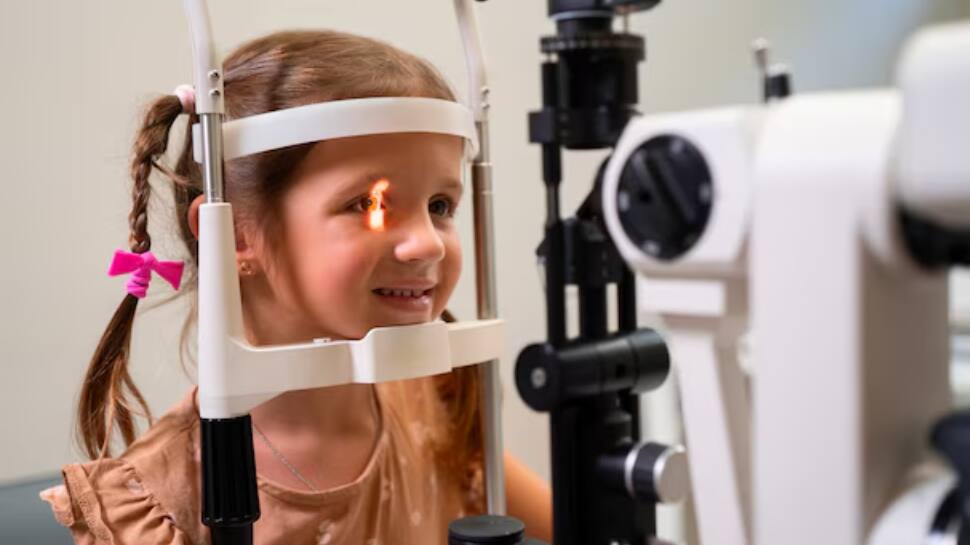
Childhood eye cancer, most commonly retinoblastoma, often presents with subtle early signs that parents may overlook or dismiss as nothing of significance. One of the earliest and most critical warning signs is a white reflection in the child’s eye, especially noticeable in photographs taken with flash. Persistent squinting, crossed eyes, or an eye that appears misaligned are other warning signs that should also never be ignored. In some cases, parents may notice redness, swelling, or watering of the eye that does not improve with routine treatment. 

Children cannot clearly express vision problems

Another concerning sign is a noticeable change in vision, which, when compromised, might lead children to bump into objects, struggle to focus, or show reduced interest in visual activities. Unfortunately, because these symptoms are painless and children cannot clearly express vision problems, the diagnosis is often delayed. This delay can significantly impact both vision preservation and survival outcomes. 

Add Zee News as a Preferred Source


Fairooz P Manjandavida, Specialist, Ocular Oncology, HORUS Specialty Eye Care, Bengaluru, says, “Early detection of childhood eye cancer can be life-saving. Regular eye screenings in infancy and early childhood, along with prompt evaluation of any unusual eye appearance or behaviour, are crucial. Implement newborn red reflex screening, dilated exams through age 5 (essential for 40% hereditary cases), and immediate ophthalmology referral for any anomaly. Parents should stay vigilant, if something about their child’s eyes seems unusual, seeking immediate specialist consultation can make all the difference.”

Unusual eye movements may also be a warning

Dr Manish Sahni, Consultant Surgical Oncologist, Kailash Hospital, Noida, says, “Eye cancer in children is rare but can be serious if not detected early. Parents often overlook the subtle warning signs. One of the most noticeable signs is a white reflection in the pupil (cat’s eye reflex). Other signs include redness or swelling in the eye, crossed eyes, poor vision, frequent squinting, or a child complaining of eye pain. Changes in eye alignment or unusual eye movements may also be a warning.”

Early detection makes treatment more effective and increases the chances of protecting the child’s vision. Being aware of early signs, maintaining regular eye exams, and promoting a healthy lifestyle can make a big difference. Early attention and preventive care are key to keeping a child’s eyes healthy and ensuring their overall well-being. 

Encourage children to take breaks from screens

Regular eye check-ups are essential, especially if there is a family history of eye problems, especially eye cancer (Retinoblastoma). Parents can also support eye health at home through simple preventive steps. A balanced diet rich in fruits, vegetables, leafy greens, and omega-3 fatty acids helps maintain eye health. Limiting processed foods and sugar reduces stress on the eyes. Encourage children to take breaks from screens, practice simple eye exercises, such as focusing on near and far objects, and spend time outdoors in natural light. 

While there’s no guaranteed way to prevent eye cancer, protecting the eyes from UV radiation with wrap-around sunglasses with 99% to 100% UVA and UVB absorption provides the best protection for the eyes and the surrounding skin. This might help reduce the risk of developing cancers of the skin around the eyes. 


(This article is based on information available in the public domain and on input provided by experts consulted.)


Access Denied

0
Access Denied


Access Denied

You don’t have permission to access “http://food.ndtv.com/news/watch-food-vlogger-tries-unique-bone-marrow-dosa-in-chennai-internet-reacts-10979362” on this server.

Reference #18.dd711102.1770755794.4ea19c5

https://errors.edgesuite.net/18.dd711102.1770755794.4ea19c5

Common mistakes people make after noticing vision problems and how to avoid them

0
Common mistakes people make after noticing vision problems and how to avoid them

When people first notice changes in their vision, their initial reactions often delay proper treatment. One of the most common mistakes is ignoring early symptoms such as blurred vision, glare, eye strain or difficulty reading. These may indicate cataracts, glaucoma or retinal disease, conditions that progress silently if not evaluated in time.

Another widespread error is visiting optical shops for eye check-ups. Opticians can check spectacle power, but they cannot diagnose medical conditions. Serious problems like diabetic retinopathy, glaucoma, macular disease or retinal tears require detailed examination, including dilation and specialised testing that only an ophthalmologist can perform. Relying solely on optical assessments often gives false reassurance and leads to late detection.

Dr Chetan Rayannavar, Consultant Ophthalmologist, Dr Agarwals Eye Hospital, Hubli, says, “Self-medication with over-the-counter drops, especially steroid drops, is another risky habit. These may reduce redness temporarily but can dangerously increase eye pressure, worsen infections or speed up cataract formation.”

Add Zee News as a Preferred Source


Avoiding dilated retinal examinations is another major mistake. This is particularly important for diabetics, hypertensive patients, and adults above 40, as many sight-threatening diseases are painless in the early stages.

The best way to protect vision is to seek prompt evaluation from a qualified ophthalmologist and maintain regular yearly check-ups. Preventing avoidable blindness is essential in reducing disability, an important reminder ahead of the International Day of Persons with Disabilities.

Dr Prarthana S. Gokarn, Consultant Ophthalmologist, Dr Agarwals Eye Hospital, Jayalakshmipuram, reveals common mistakes and how to avoid them.

Common Eye Care Mistakes & How to Avoid Them

1. Ignoring Symptoms: 

Waiting for weeks or months that they will go on its own. It is risky because Some conditions—like retinal detachments, glaucoma, or infections, worsen quickly.

How to avoid it:

  • If symptoms are sudden (flashes, sudden floaters, partial vision loss), seek urgent care.
  • If gradual (blurriness, headaches, trouble reading), schedule a routine eye exam soon.

2. Diagnosing by self with the Internet:  

Assuming you have dry eyes, astigmatism, or eye strain solely based on online information because different conditions share similar symptoms (eg, blurry vision can be refractive error or diabetes-related issues).

How to avoid it:

Use online information only to understand possibilities and not to replace professional evaluation.

3. Buying Random Reading Glasses Without Testing Vision

Grabbing cheap over-the-counter readers to “fix” the problem because it May mask underlying problems

How to avoid it: always better to consult ophthalmologist for the correct treatment .

4. Overusing Screens Without Taking Breaks

Assuming vision changes are “just screen time” and continuing long hours without adjustment because chronic digital eye strain can worsen discomfort, dryness, and blurred vision.

How to avoid it:

  • Follow the 20-20-20 rule: Every 20 minutes, look 20 feet away for 20 seconds.
  • Adjust brightness and posture; ensure proper indoor lighting.

5. Wearing Old or Incorrect Prescription Glasses

Continuing to use outdated eyewear because “it’s good enough.” Since it can cause headaches, squinting, and fatigue and  put extra strain on your eyes.

How to avoid it:

  • Update prescriptions every 1–2 years or if vision feels off.
  • Don’t force clarity by squinting—get rechecked instead.

6. Using Eye Drops Incorrectly

Relying on redness-reducing drops or random lubricants  since redness reducers can cause rebound redness. Not all drops are suitable for chronic dryness.

How to avoid it:

  • Use preservative-free lubricating drops if dryness is suspected.
  • Avoid “get the red out” products unless advised.

7. Avoiding Eye Exams 

Avoiding Eye exams due to cost or fear because exams feel time-consuming, expensive, or stressful. Eye conditions often worsen silently (eg, glaucoma). Prevention saves more money and vision long-term.

How to avoid it:

  • Look for community clinics, discount exam programs, or insurance options.
  • Most eye exams are painless and quick.

8. Misinterpreting Vision Changes as “Normal Aging”

Mistake: Assuming everything is just age-related presbyopia.

Why it’s risky:

Serious issues can occur at any age.

How to avoid it:

Any significant or sudden change should be examined, regardless of age.

9. Ignoring Symptoms in Only One Eye

Mistake: Thinking vision is fine because one eye compensates for the other because problem may be advanced by the time they’re noticeable.

How to avoid it:

Test each eye separately occasionally (cover one eye at a time).

10. Continuing Contact Lens Use Despite Discomfort

Mistake: Wearing lenses too long or sleeping in them after discomfort starts because it increases risk of infections, corneal ulcers, and scarring.

How to avoid it:

  • Remove lenses at first sign of irritation.
  • Replace them on schedule.
  • Never sleep in them unless designed for overnight use.

If you’ve just noticed vision changes, here’s what you can do right away:

1. Book a comprehensive eye exam within a reasonable timeframe.

2. Reduce screen strain with the 20–20–20 rule.

3. Avoid self-diagnosis or self-treatment.

4. Monitor symptoms and note any changes.


(This article is based on information available in the public domain and on input provided by experts consulted.)


USA win toss, opt to field against Pakistan in T20 World Cup clash

0
USA win toss, opt to field against Pakistan in T20 World Cup clash

Pakistan captain Salman Ali Agha (second from left) and USA’s Monank Patel at the toss for their ICC Men’s T20 World Cup match at the SSC Ground in Colombo on February 10, 2026. — PCB

The United States of America (USA) elected to bowl first after winning the toss against Pakistan in the 12th match of the ICC Men’s T20 World Cup 2026 at Sinhalese Sports Club Ground, Colombo, on Tuesday.

Pakistan and the USA have faced each other only once in T20 cricket.

In the ICC Men’s T20 World Cup 2024, the two sides clashed in a thrilling Group A match at Grand Prairie Cricket Stadium, Dallas, on June 6.

Pakistan posted 159/7 in 20 overs, with Babar Azam scoring 44 and Shadab Khan contributing 40.

USA replied with 159/3, anchored by a solid partnership including Monank Patel’s half-century.

The match was tied, forcing a Super Over, where the USA scored 18/1. Pakistan could only manage 13/1, handing the co-hosts a historic Super Over victory — one of the biggest upsets of the tournament.

Playing XIs

Pakistan: Sahibzada Farhan, Saim Ayub, Salman Ali Agha (c), Babar Azam, Usman Khan (wk), Shadab Khan, Mohammad Nawaz, Faheem Ashraf, Shaheen Afridi, Usman Tariq and Abrar Ahmed.

USA: Andries Gous (wk), Shayan Jahangir, Monank Patel (c), Milind Kumar, Sanjay Krishnamurthi, Shubham Ranjane, Harmeet Singh, Mohammad Mohsin, Shadley van Schalkwyk, Ehsan Adil and Saurabh Netravalkar.

Head-to-head

Pakistan and USA have come face-to-face just once in the shortest format.

Their solitary meeting came at the previous edition of the T20 World Cup in 2024, during which the USA stunned Pakistan after the Super Over.

  • Matches: 1
  • USA: 1
  • Pakistan: 0

Form Guide

Pakistan and USA enter the fixture with decent momentum in their favour as the Green Shirts have just one defeat in their last five completed T20Is, while USA have three triumphs in as many games.

The upcoming fixture marks the second game for both teams in the T20 World Cup 2026; Pakistan edged past the Netherlands by three wickets, while USA succumbed to a 29-run defeat at the hands of co-hosts and defending champions India.

Pakistan: W, W, W, W, L (most recent first)

USA: L, W, W, L, W

Pakistan’s negotiations with ICC were only at ensuring respect for Bangladesh, Mohsin Naqvi – SUCH TV

0
Pakistan’s negotiations with ICC were only at ensuring respect for Bangladesh, Mohsin Naqvi - SUCH TV

Pakistan Cricket Board (PCB) Chairman Mohsin Naqvi has said that Pakistan’s negotiations with the International Cricket Council (ICC) were solely aimed at ensuring fair treatment and respect for Bangladesh.

Speaking about the recent talks, Naqvi said Pakistan placed no conditions of its own and had no personal or institutional agenda. “Our only objective was to highlight the injustice faced by Bangladesh and to ensure that it receives due respect,” he said.

He added that Pakistan raised the issue purely in support of Bangladesh and that the demands put forward by the Bangladesh Cricket Board (BCB) were accepted following the discussions.

The comments came after high-level talks were held in Lahore two days ago between the ICC, PCB and BCB regarding Pakistan’s proposed boycott of its T20 World Cup match against India.

The negotiations were attended by ICC Deputy Chairman Imran Khwaja, PCB Chairman Mohsin Naqvi and BCB President Aminul Islam.

Following the meetings, the ICC issued a statement confirming that Bangladesh would not face any penalty for non-participation in the ICC Men’s T20 World Cup 2026. The ICC also announced that Bangladesh would be awarded hosting rights for an ICC event between 2028 and 2031.

Subsequently, both Sri Lanka and the Bangladesh Cricket Board requested Pakistan to reconsider its decision regarding the match against India. After consultations, the Government of Pakistan approved the national team’s participation in the fixture.


Kim Kardashian prepared to have child with Lewis Hamilton: ‘Baby using a surrogate’

0
Kim Kardashian prepared to have child with Lewis Hamilton:

Two of Kim Kardashian’s four children were carried by a surrogate due to her health issues

Reality TV star Kim Kardashian has reassured Lewis Hamilton about having family with him as their relationship ‘already gets serious.’

Kim and Lewis have been close friends for over a decade but, last week, the Kardashians star and the British racing driver surprised fans when the news broke they had taken their relationship to the next level and spent a romantic weekend together.

According to a report by the Heat World, the insiders have claimed the lovebirds have even discussed having a baby together.

Kim and Hamilton are said to be ‘inseparable’ couple now.

The source claims, ‘Kim’s long friendship with Lewis is what makes this so different for her. Lewis was upfront and said he didn’t want to risk that for something casual.

‘Lewis is desperate to be a dad and didn’t want to start something with Kim unless they were heading in that direction. He understood that she may not want more children, but Kim was really moved by how open and traditional he is. She reassured him she’s prepared to have a family with him.’

Two of the billionaire businesswoman’s four children were carried by a surrogate due to Kim’s health issues.

Given Kim’s past experience, seven-time F1 champion and she would almost certainly welcome their baby using a surrogate.

“She still has frozen eggs, so it’s something they’re seriously discussing. Lewis will retire by early next year and is keen to start the process of becoming a dad soon,” the spy continued.

Access Denied

0
Access Denied


Access Denied

You don’t have permission to access “http://www.ndtvprofit.com/markets/buy-sell-or-hold-bank-of-baroda-kalyan-jeweller-finolex-cables-ask-profit-10981910” on this server.

Reference #18.dd711102.1770733824.413e23f

https://errors.edgesuite.net/18.dd711102.1770733824.413e23f

Apple and Google agree to change app stores after ‘effective duopoly’ claim

0
Apple and Google agree to change app stores after 'effective duopoly' claim

The UK’s markets regulator says the proposed commitments “will boost the UK’s app economy”.

My child says an AI chatbot is their friend – what should I do?

0
My child says an AI chatbot is their friend – what should I do?

As AI becomes increasingly more entrenched into our everyday lives, a new survey has found that nearly a third of children using AI chatbots said that they would describe the technology as like one of their friends.

The poll for Vodafone, which analysed the experiences of 2,000 children aged between 11 and 16 and their parents, found that 31% who have used an AI chatbot agreed they would describe it as like a friend, with 24% reporting that they have turned to it for advice on difficult situations.

Furthermore, almost one in five (17%) reported that speaking to this technology felt safer than talking to a person.

AI is a big source of concern for many parents, so we spoke to Katie Freeman-Tayler, head of policy and research at Internet Matters, who provided some information about the benefits and risk of this technology, and shared some helpful tips on how to navigate this as a parent.

How do young children use chatbots and what are the benefits?

“When we spoke to children and young people as part of our Me, Myself and AI research last year, we found that the children who were regularly engaging with AI chatbots were using them for a range of reasons, such as for school work, advice and even for companionship,” says Freeman-Tayler.

“The positives that we saw, or were explained to us by children/young people, were mostly around learning. For example, the chatbots enabled them to practice a language that no one else at home spoke, to learn at their own pace and to work through concepts that they didn’t understand by putting information into language and examples that were easier for them to digest.

“They also reported that chatbots were helpful at providing step-by-step guidance for less sensitive topics, such as How do I learn how to French braid my hair?”

What are some potential risks of children using AI chatbots?

“We don’t necessarily know what the long-term impacts of AI chatbots are for children or adults yet, but using chatbots regularly could potentially impact young people’s critical thinking skills, given that children are still learning and developing,” notes Freeman-Tayler.

There are also concerns around how chatbots are used for companionship.

“Parents should be watching out for whether children are forming an emotional attachment to a chatbot, for example, are sharing personal information with it or relying on it for more serious advice rather than turning to a trusted adult,” highlights Freeman-Tayler.

“Our report found that vulnerable children, who may not have strong offline relationships or a trusted adult in their life, were much more likely to lean on chatbots for friendship, and were more likely to say that talking to a chatbot was like talking to a real person.”

In addition, there are also valid concerns around the accuracy and reliability of this technology.

“We found examples of chatbots disagreeing with themselves and giving inaccurate advice, which for children, who may not have developed critical thinking skills, can be quite dangerous,” says Freeman-Tayler.

Furthermore, a lot of AI chatbots aren’t built for children, but that doesn’t stop children using them.

“This might mean that children might be exposed to age inappropriate content or harmful content,” notes Freeman-Tayler.

The world of AI is still relatively new and confusing to everyone and can be a very daunting subject for many parents, so here are some tips on how to navigate AI chatbot’s usage and conversations with young children…

Ask questions

“Parents are children’s main source of information about online safety, and are often who they turn to when something goes wrong, so it’s important to have conversations with them and to ask them questions about their online life,” advises Freeman-Tayler.

Explore AI together

Supervised exploration can be beneficial for young children, so Internet Matters recommends using AI tools together so you can model safe behaviour, answer questions and set expectations early.

Explain how it works

“It’s important to ensure your child understands that they’re not talking to a real person by explaining the mechanics behind these machines,” says Freeman-Tayler.

“We know that parents often struggle with this themselves, so sites like ours, internetmatters.org, can be useful as we have lots of free resources, advice and conversation starters that parents can lean on.”

Build early critical thinking

Internet Matters also recommends asking simple questions like: “Does this make sense?” or “How can we check this?” to help your child build critical thinking skills.

Prioritise data and privacy safety

AI chatbots can collect personal information, so Internet Matters advises parents to adjust app privacy settings where possible and to teach their children about what personal data is and to remind them not to share private details.

Set clear boundaries

Internet Matters also recommends clearly setting out rules of where and when young children can use AI tools, and how they are allowed to use them, to help  to ensure that the tools are used in healthy, age-appropriate ways.

When dating apps get hacked, your private life goes public

0
When dating apps get hacked, your private life goes public

NEWYou can now listen to Fox News articles!

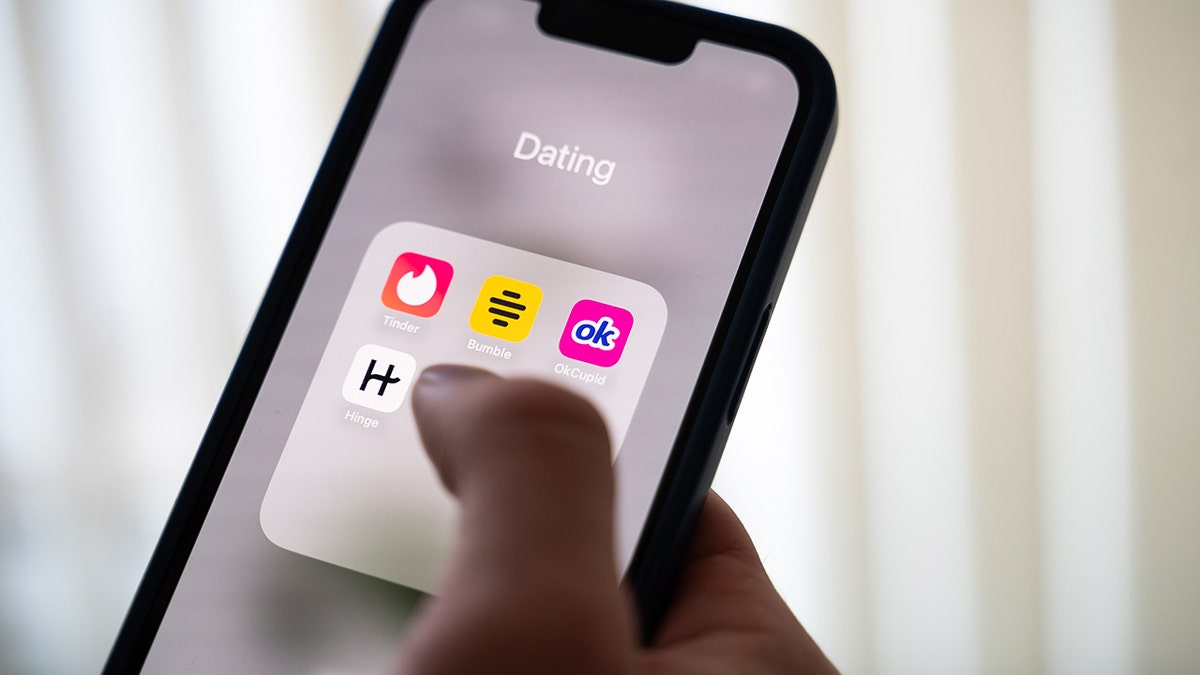
Dating apps are built on trust. You share personal details, photos, preferences and conversations on the assumption that they will remain private. But recent reports suggest that even some of the biggest names in online dating aren’t immune to cyberattacks, and can’t keep your private data “private.”

Dating apps Bumble and Match appear to have been caught up in a breach allegedly linked to the ShinyHunters hacking group, raising fresh concerns about how much of your private life could be exposed when these platforms are targeted.

Sign up for my FREE CyberGuy Report
Get my best tech tips, urgent security alerts and exclusive deals delivered straight to your inbox. Plus, you’ll get instant access to my Ultimate Scam Survival Guide – free when you join my CYBERGUY.COM newsletter.

THOUSANDS OF IPHONE APPS EXPOSE DATA INSIDE APPLE APP STORE

Bumble, Match hit by alleged hack linked to ShinyHunters group. (Yu Chun Christopher Wong/S3studio/Getty Images)

What happened with Bumble and Match

The ShinyHunters group recently claimed it had breached both Bumble and Match, adding the companies to its data leak site. For Bumble, the hackers say they stole thousands of internal documents, focusing on files marked restricted or confidential. According to reports, the data allegedly came from internal tools like Google Drive and Slack, not from user profiles.

Bumble later confirmed that one of its contractors’ accounts had been compromised in a phishing attack. The company says the attacker gained brief, unauthorized access to a small part of its network before being removed. Bumble maintains that user data was not affected. It says member databases, profiles, messages and the Bumble app itself were not accessed. 

“One of our contractor’s accounts was recently compromised in a phishing incident,” a Bumble spokesperson told CyberGuy. “The account had limited access privileges and was used to make a brief unauthorized access to a small portion of our network. Our InfoSec team quickly detected and eliminated the access, and the incident is contained. We have engaged external cybersecurity experts to investigate and have notified law enforcement. Importantly, there was no access to our member database, member accounts, the Bumble application, or member direct messages or profiles.”

Match confirmed a cybersecurity incident on January 28 and said it is notifying affected users. The company maintains that the incident impacted only a limited set of user data and did not expose passwords, financial information or private messages.

“We are aware of claims being made online related to a recently identified security incident,” a Match Group spokesperson said in a statement to CyberGuy. “Match Group takes the safety and security of our users seriously and acted quickly to terminate the unauthorized access. We continue to investigate with the assistance of external cybersecurity experts. There is no indication that user log-in credentials, financial information, or private communications were accessed. We believe the incident affects a limited amount of user data, and we are already in the process of notifying individuals, as appropriate.”

Why ShinyHunters keep showing up

ShinyHunters has been in the news repeatedly over the past few weeks after breaching several large organizations and allegedly targeting hundreds more. The group is known for phishing and vishing attacks, where attackers impersonate IT or support staff to trick employees into handing over access. Unlike traditional ransomware groups, ShinyHunters no longer focuses on encrypting systems. Instead, it concentrates on stealing data and threatening to leak it. This approach is faster, cheaper and still highly profitable. Other ransomware groups are starting to follow the same playbook.

That shift lowers the barrier to attacks. Even a single compromised employee or contractor account can expose sensitive internal systems, documents and conversations. Even when companies say user data wasn’t accessed, breaches like this still matter. Internal documents can reveal how platforms work, what tools they use and where weaknesses exist. That information can be used to plan future attacks or craft more convincing scams aimed at users.

Dating apps are especially sensitive targets because of the nature of the data involved. Names, photos, preferences and private conversations can be deeply personal. If attackers ever gain access to that kind of information, the fallout can include harassment, blackmail or identity theft. You should always remember that dating platforms, like all online services, are only as secure as their weakest link. Often, that link is phishing.

9 steps you can take to protect yourself on dating apps

When dating platforms get breached, you usually don’t get much warning. These steps help limit what attackers can do with your information if something goes wrong.

‘ARE YOU DEAD?’ APP TAPS INTO GLOBAL LONELINESS CRISIS

Person selecting a dating app on their phone.

Dating apps Bumble and Match face scrutiny after breach claims. (Alicia Windzio/picture alliance via Getty Images)

1) Use a strong, unique password for every dating app

If attackers steal data from one service, they almost always try the same credentials elsewhere. Using a unique password ensures that even if a dating app account is compromised, your email, social media or banking accounts remain protected. Avoid passwords tied to your name, birthday or location. A password manager generates and stores strong passwords so you don’t have to reuse them or write them down. Many managers also warn you if a password appears in a known breach or if you’re entering credentials on a suspicious site, which adds an extra layer of protection.

Next, see if your email has been exposed in past breaches. Our No. 1 password manager pick includes a built-in breach scanner that checks whether your email address or passwords have appeared in known leaks. If you discover a match, immediately change any reused passwords and secure those accounts with new, unique credentials.

Check out the best expert-reviewed password managers of 2026 at Cyberguy.com.

2) Enable two-factor authentication (2FA) wherever possible

Two-factor authentication (2FA) adds a second step to the login process, usually through an app or device you control. Even if someone gets your password through phishing or a breach, 2FA makes it much harder for them to access your account.

3) Be cautious of phishing messages

Cybercriminals often follow up breaches with fake emails or in-app messages pretending to offer help or security updates. Always double-check the sender and avoid clicking links. When in doubt, open the app or website directly rather than responding to the message. Using strong antivirus software adds another layer of protection by flagging malicious links and blocking known threats before they can do harm. This protection can also alert you to phishing emails and ransomware scams, keeping your personal information and digital assets safe.

Get my picks for the best 2026 antivirus protection winners for your Windows, Mac, Android and iOS devices at Cyberguy.com.

4) Limit the personal details you share

Dating apps encourage openness, but oversharing can backfire. Avoid quickly sharing your phone number, employer, home address, or social media profiles. If attackers ever gain access to messages or profiles, less exposed information means less risk of harassment or identity abuse. For added protection, identity theft protection services can help monitor for misuse of your personal information and alert you early if your data shows up in fraudulent activity. Identity Theft companies can monitor personal information like your Social Security number (SSN), phone number, and email address, and alert you if it is being sold on the dark web or being used to open an account. They can also assist you in freezing your bank and credit card accounts to prevent further unauthorized use by criminals.

See my tips and best picks on how to protect yourself from identity theft at Cyberguy.com.

5) Reduce your digital footprint with a data removal service

A lot of targeted scams start with personal information pulled from data broker sites. Data removal services help take down your phone number, address and other details from these databases, making it harder for attackers to target you after a breach. While no service can guarantee the complete removal of your data from the internet, a data removal service is really a smart choice. They aren’t cheap, and neither is your privacy. These services do all the work for you by actively monitoring and systematically erasing your personal information from hundreds of websites. It’s what gives me peace of mind and has proven to be the most effective way to erase your personal data from the internet. By limiting the information available, you reduce the risk of scammers cross-referencing data from breaches with information they might find on the dark web, making it harder for them to target you.

Check out my top picks for data removal services and get a free scan to find out if your personal information is already out on the web by visiting Cyberguy.com.

Get a free scan to find out if your personal information is already out on the web: Cyberguy.com.

6) Secure your email account first

Your email account controls password resets for most services. Protect it with a strong password and 2FA. Regularly review login activity and recovery settings so attackers can’t use your email to take over other accounts.

HOW RING WILL USE NEW ‘FIRE WATCH’ TOOL IN REAL TIME

Young Woman Using Dating App

Dating apps Bumble and Match appear to have been caught up in a breach allegedly linked to the ShinyHunters hacking group, Kurt “CyberGuy” Knutsson writes. (SrdjanPav/Getty Images)

7) Review app permissions and connected accounts

Dating apps often ask for more access than they truly need. That can include your contacts, photos, location, or linked social media accounts like Instagram or Spotify. If a platform or connected service is ever compromised, those permissions can expose more of your personal data than you expect. Take a few minutes to review what each dating app can access on your phone. Remove permissions that are not essential. You should also disconnect any third-party accounts you no longer use inside the app. Fewer connections mean fewer ways for attackers to reach you.

8) Watch for account changes after breach news

Not every breach leads to immediate account takeovers. In some cases, attackers quietly test access weeks later. That is why staying alert after breach reports matters. Watch for password reset emails you did not request, profile changes you did not make, or new messages you did not send. Unexpected logouts or security alerts are also red flags. If you notice anything unusual, change your password immediately and review your security settings.

9) Use built-in safety and privacy tools inside dating apps

Most major dating apps now include safety features that many users ignore. These tools are designed to limit exposure and give you more control over who can contact you. Use features like in-app messaging, video chat before meeting in person, profile visibility controls and easy blocking or reporting options. Keeping conversations inside the app for as long as possible reduces the risk of scams and limits how much personal information you expose.

 CLICK HERE TO GET THE FOX NEWS APP

Kurt’s key takeaway

Dating apps thrive on intimacy, but cyberattacks turn that intimacy into a massive risk. Even when companies say user data wasn’t directly accessed, breaches show how easily attackers can get a foothold through phishing and weak accounts. If you think you have been affected, lock down your accounts, share thoughtfully and remember that anything you put online is only as private as the systems protecting it.

Do you trust dating apps to keep your personal data safe, or have breaches changed how much you share? Let us know your thoughts by writing to us at Cyberguy.com.

Sign up for my FREE CyberGuy Report
Get my best tech tips, urgent security alerts and exclusive deals delivered straight to your inbox. Plus, you’ll get instant access to my Ultimate Scam Survival Guide – free when you join my CYBERGUY.COM newsletter.

Copyright 2026 CyberGuy.com. All rights reserved.