Noel Gallagher hits back at critics of songwriting award
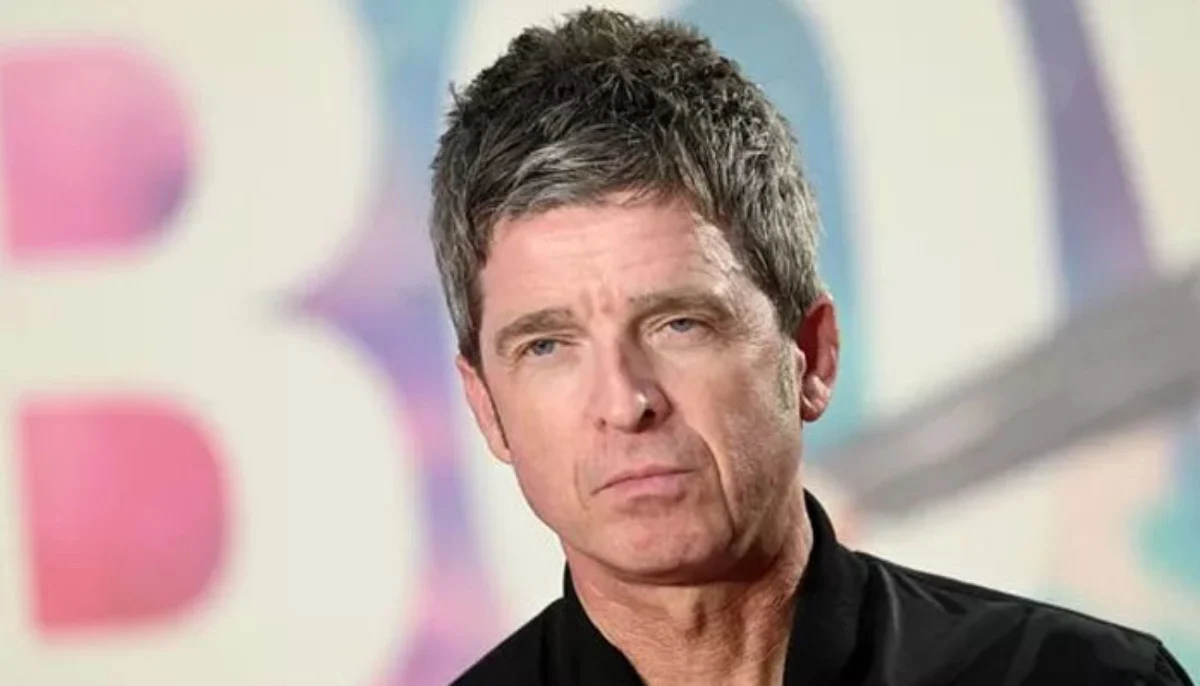
Noel Gallagher has given critics of his award a strong rebuttal.
Noel is set to take the Songwriter Of The Year BRIT Award home in the ceremony on February 28. However, the Oasis singer hasn’t written any new songs in 2025, so people think he doesn’t deserve the award.
He said, “I haven’t written a song for two years. I’m not sure how I’ve got away with that one but I’ll take it.”
“To be honest I think they were just desperate to get someone from Oasis up there because it’s Manchester. Our kid said he’s not going,” he added.
TalkSPORT host Andy Goldstein asked the singer what he thinks about the backlash over his win, he replied, “I think the Brits is all based on record sales, and I’m not sure there was another single songwriter that sold… I mean, we sold a million records last year.”
“Didn’t even get off the couch and I’m not sure there’s a songwriter that can match that. But you know, if anybody’s got a problem with it, meet me there. We’ll have it out on the red carpet,” he challenged.
“If any of those wet wipes songwriting teams, all 11 of them, want to write a song between the lot of them, want to have it out on the red carpet, I’m there,” he fired.
Stacey Tang, Chair of the 2026 BRIT Awards Committee and Co-President of RCA Records at Sony Music UK, explained why Noel is the chosen honoree this year, saying, “His songs have soundtracked memories for multiple generations and defined the spirit of British music globally.”
“Honouring Noel as Songwriter of the Year celebrates a remarkable body of work and a creative force that continues to connect and inspire artists and fans worldwide,” she added.
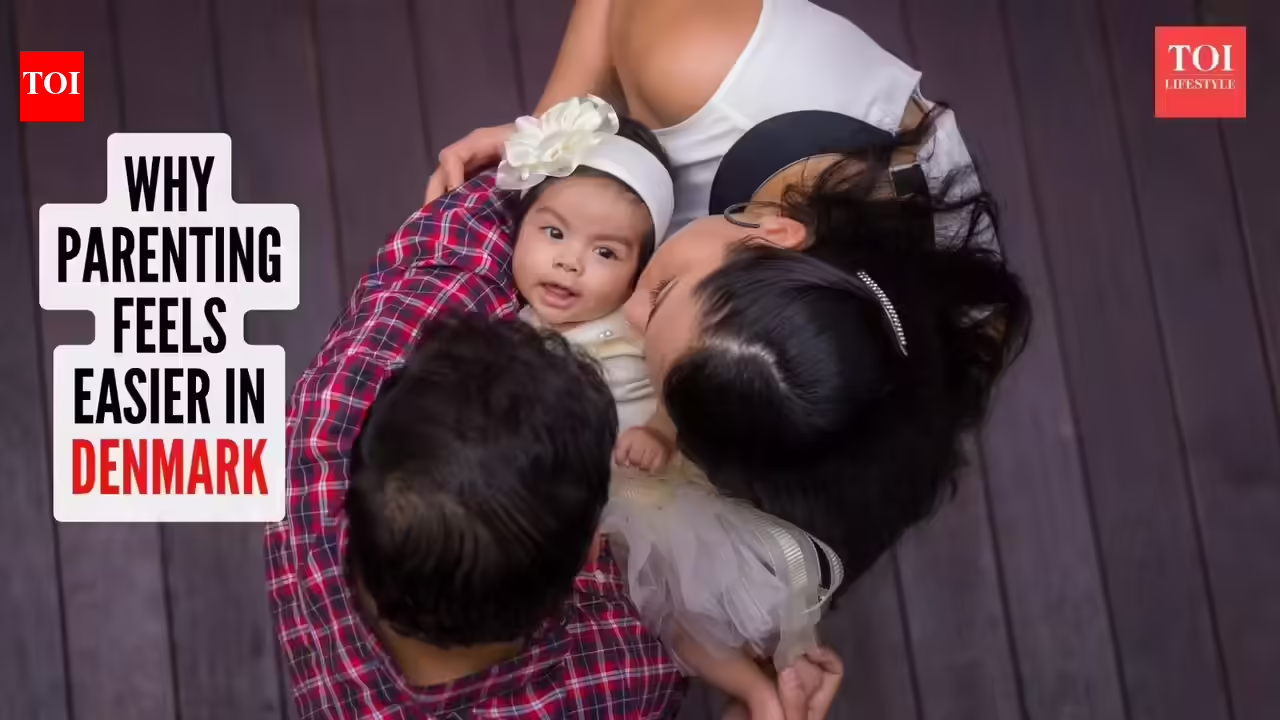
An American mother in Denmark finds parenting less stressful, attributing it to societal trust, child-centric design, and accessible childcare. Danish systems encourage early independence, with parents trusting caregivers and public spaces designed for families. This collective approach, unlike US “helicopter parenting,” fosters a sense of shared responsibility and support, making raising children feel calmer and less isolating.
An American parent raising a child in Denmark noticed a quiet but powerful shift. Parenting there feels lighter, calmer, and less isolating. In a piece for Business Insider, writer Olivia Liveng explains how Danish systems, social trust, and everyday design reduce stress for families. Living in Copenhagen with her Danish spouse and young son, she experiences parenting not as a solo task, but as a shared responsibility shaped by the society around her.
A move that reshaped motherhood
Olivia Liveng grew up in the US with two clear dreams: becoming a mother and living abroad. Both came true after she met her Danish husband while traveling. She later moved from New York City to Copenhagen, a city ranked first in the Happy City Index 2025.After the birth of her son, Aksel, three years ago, Denmark stopped being just a country she lived in. It became the place where she learned how deeply culture can influence parenting. Through daycare routines, public spaces, and daily interactions, she began to understand why Denmark is praised for family well-being.
Trust replaces constant supervision
In Denmark, children are encouraged to be independent early. Parents trust teachers, caregivers, and systems to make sound decisions.When Aksel was just a year old, his daycare took the class on a field trip. There were no permission slips and no advance emails. Later, updates appeared on the parent app Aula, showing photos of toddlers riding the Metro or exploring historic sites like Rosenborg Castle.For someone raised in the US, where even short school outings often require paperwork and reminders, this felt shocking. Olivia explains that this trust is possible partly because Denmark has a low-litigation culture. Safety is important, but fear of lawsuits does not dominate decisions. The result is less anxiety for parents and more freedom for children.
A society designed around children
Denmark’s child-first mindset shows up everywhere. Public spaces actively include families instead of treating them as an inconvenience.In Copenhagen, shopping malls have proper family rooms for feeding and changing babies, including in men’s bathrooms. Restaurants, even formal ones, provide highchairs and sometimes play areas. Parks and beaches are never far away. The city is designed so most people can reach green spaces within 15 minutes.This stands in contrast to many US cities, where parents often have to plan routes carefully due to poor stroller access or lack of elevators. In Denmark, ramps, wide paths, and safe crossings are standard. Parents do not need to explain their presence. The environment already expects children to be there.
Childcare as a public good, not a privilege
Another major relief comes from childcare. Signing up for public daycare was simple and centralized. Government subsidies make high-quality care affordable and accessible.In Denmark, childcare is treated as a basic social need. Families are not expected to justify why they need it. As a result, Denmark leads the European Union in the number of children attending formal childcare each week.This also changes work culture. Many parents, even in corporate jobs, pick up their children by 4 pm. Work adjusts around family life, not the other way around.
Letting children take real risks
Danish playgrounds often surprise newcomers. Parents jokingly describe them as coming “with a side of danger.” Children climb high structures, use tools, and even learn about fire under supervision.This approach initially felt uncomfortable to Olivia, who was used to the American “helicopter parenting” style. Over time, she saw that this was not neglect. It was confidence in children’s abilities and in trained educators.
Parenting as a shared effort
In the US, parenting can feel like defensive driving. Parents stay alert, anticipate problems, and constantly advocate for their child. Olivia explains that Denmark feels different.Here, parenting feels collective. Whether a child goes on an unplanned school outing or learns to ride a bike at a staffed playground, trust is the default. Parents rely on systems and community instead of carrying all the responsibility alone.Denmark is not perfect, and raising a child as an expat comes with challenges. Still, this trust-based approach offers something many parents crave: a sense of support that extends beyond the home.Disclaimer: This article is curated and adapted from a piece written by Olivia Liveng for Business Insider. It reflects her personal experiences as an American parent living in Denmark. Cultural experiences may vary, and this content does not intend to generalise parenting practices across all families or countries.
In northern climates, February has a particular heaviness. Even though we’ve passed the longest night of year, the days often feel darker, longer and more draining than December ever did. For society’s “night owls,” whose internal clocks naturally run later, this stretch of winter can be especially challenging.
As a biological anthropologist who studies sleep (and a night owl living in the North), I see this unfold every winter, and science offers a clear explanation for it.
The major reason can be found in our circadian system, the body’s internal 24-hour clock, which relies on morning light to stay aligned with the Earth’s day. After months of dim, delayed sunrises, that system is running low on the cues it needs to keep us alert and energized.
To understand this winter misalignment, it helps to look at our evolutionary history. Early human ancestors evolved near the equator, where sunrise and sunset are consistent throughout the year. In this stable environment, daylight serves as a reliable zeitgeber (German for “time giver”), synchronizing our internal clock to the external world.
But at higher latitudes, the light-dark cycle swings dramatically across seasons. Winter brings long nights, weak sunlight and more time indoors, and our internal clocks slowly drift later without that consistent morning light. Many people feel this misalignment as fatigue, irritability, low mood, difficulty waking or even difficulty falling asleep despite exhaustion.
These symptoms can intensify as winter progresses. Seasonal Affective Disorder, a seasonal pattern of depression, is more prevalent in northern regions.
February’s perfect storm
Our chronotype, or our biological preference for mornings (people known as “larks”) or evenings (night owls), can shape how strongly we feel these effects. It’s influenced by genetics, age and environment, and research has found that chronotype shifts later with increasing latitude. In other words, the farther north you live, the more likely you are to be a night owl.
This makes intuitive sense: when sunrise creeps toward 8 a.m., the body’s clock shifts later in response . The problem is that our social schedules don’t shift with it. School and work start times remain rigidly fixed, regardless of daylight hours.
In fact, our society is built around early chronotypes — it’s a lark-centred world — and these larks are often praised as disciplined or productive. In contrast, late chronotypes are often blamed for staying up late or struggling to wake on time.
But from an evolutionary perspective, chronotype variation may have been adaptive. The sentinel hypothesis proposes that having different chronotypes in a group staggers sleep and wake times across the night, thus helping early humans maintain vigilance against nighttime threats.
We all had our shift on the night watch — a built-in, rotating system of protection in our species. Yet in the modern world, the strengths of night owls (including increased openness and extraversion) are often overlooked.
What’s important to note is that late chronotypes aren’t choosing a different schedule. They are biologically tuned to a later rhythm (Alamy/PA)
What’s important to note is that late chronotypes aren’t choosing a different schedule. They are biologically tuned to a later rhythm. Forcing them into early mornings creates what researchers call social jet lag — the chronic mismatch between biological time and social time.
Social jet lag is strongly associated with increased caffeine use and alcohol use, higher rates of smoking and greater risk-taking behaviours. The chance of being overweight has been found to increase by 33 per cent for every hour of social jet lag.
February creates the perfect storm: while limited daylight affects everyone, late chronotypes face the added burden of social jet lag layered with this circadian misalignment. So what does this mean for health, and in particular, getting through the dark days of February?
Winter strategies for night owls
There are several practical, evidence-based strategies that can help align our circadian rhythms and reduce social jet lag during this last sprint of winter.
First, seek morning light, even if it’s weak. Morning light is the most powerful signal that synchronizes your circadian clock. If you can, get outside within the first hour of waking. If you can’t, use bright, indoor light strategically: bright light therapy in the first 30 minutes of waking can help shift the circadian clock earlier and improve mood.
In the afternoons and evenings, switch to using warm-toned bulbs instead. And avoid blue light from screens in the last hour before going to bed, as it’s a known suppressant of melatonin (the “darkness” hormone).
About the author
Erica Kilius is an Assistant Professor of Anthropology at University of Northern British Columbia.
For late chronotypes, it’s important to keep a consistent schedule. While sleeping in on weekends can help recoup sleep loss, it also unfortunately increases social jet lag. Slowly shifting your bedtime on weekends earlier by around 10-15 minutes can more closely align free- and work-day rhythms.
It’s also critical to work with your biological rhythms, not against them. Try to structure your workday strategically: hold off on cognitively demanding tasks until late morning or early afternoon, when your circadian rhythm (and thus your alertness) is at its peak, and reserve early mornings for simpler tasks.
Lastly, emerging findings suggest that saunas may play a beneficial role in sleep health. Something to consider on cold, snowy days.
February may feel long, but it’s also the turning point; the slow return of light is already underway.
For those who naturally run on later schedules, remember that your chronotype is not a character flaw. Late chronotypes are more common for us northerners, shaped by our genetics and the environment around us. The goal shouldn’t be to force ourselves into someone else’s rhythm, but to find ways to live in better alignment with our own biology and the world we inhabit.
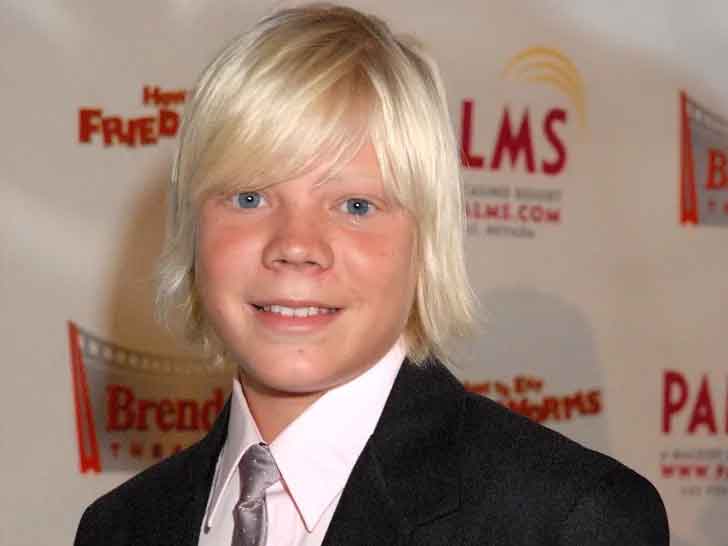
A glaring shortcoming has been highlighted in US healthcare system after the death of former child actor Blake Garrett at 33.
Best known for his role in “How to Eat Fried Worms,” the former child star passed away Sunday.
While his family was awaiting the autopsy report to determine the exact cause of death, Garrett’s mother, Carol Garrett, said Blake went to the emergency room last week in Oklahoma after experiencing intense pain and was later diagnosed with shingles.
Speaking to TMZ, she said Blake may have self-medicated to cope with the pain from the viral infection. Carol said that her son’s death could have been a tragic accident.
After her mother’s remarks surfaced online, social media expressed concern about how many people with similar conditions lose their lives due to the non availability of medicines.
Commenting on the actor’s death, a user wrote, “From what I’m reading sounds like he went to the ER with severe pain and was diagnosed with shingles. His mother thought he self medicated. I’m going to guess he was told to go home and take ibuprofen and deal with it, when ibuprofen won’t touch that type of pain. Likely bought some fake pain medicine off the street and ODd. Sad but that happens all too much with the opiate restrictions.”
Opiate restrictions in the US are laws and regulations aimed at curbing opioid misuse and overdose deaths, but they can sometimes limit access to pain-relieving medicines for those who need them.
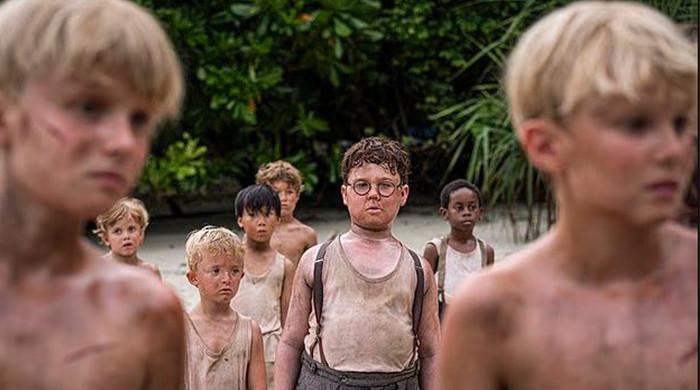
The BBC’s new adaptation of Lord of the Flies has sparked a wave of strong reactions with many fans hailing it as “a masterpiece” while others criticizing its bold cinematography choices.
Adapted by Adolescence co-creator Jack Thorne, the four-part series reimagines William Golding’s 1954 novel about schoolboys stranded on an island after a plane crash.
Daily Mail reported that viewers flooded social media with praise for the performances, calling the acting “absolutely impeccable” and “exceptional.”
One fan wrote, “Haunted me when we read it at school in the 70s, this series is stunning, beautifully shot and absolutely impeccable acting…”
Another added, “…this is what the BBC does brilliantly.”
Many admitted they watched all four episodes in one sitting, describing the adaptation as “the best drama they have seen on the BBC for years.”
The series’ pacing and emotional depth were highlighted as standout qualities.
Not all feedback was glowing.
Some viewers complained about the use of a fisheye lens, which created distorted, surreal visuals.
Critics on X (formerly Twitter) called the filmmaking style “horrific” and “unwatchable,” with one remarking, “Look at me screams the cinematographer—takes you out of the film.”
Others felt the vivid color grading and lens choices distracted from the story.
Despite the backlash, the adaptation has clearly struck a chord with audiences, reigniting the haunting themes of Golding’s novel for a new generation.
For many, the BBC’s bold approach has produced a series that is both unsettling and unforgettable.
Since the start of 2026, substantial funds have moved out of silver exchange-traded funds (ETFs), while gold ETFs have remained relatively stable
So far this year, gold has climbed around 15%, while silver’s gains have remained limited to about 10%
A noticeable shift is unfolding in the precious metals market in 2026, as investor attention moves away from silver’s high-volatility rally towards the relative stability of gold. After capturing strong interest last year with an exceptional surge, silver’s momentum is now showing signs of slowing, while gold, often dismissed by some prominent investors as a “useless asset”, has re-emerged as a preferred choice amid growing uncertainty.
Silver recorded a remarkable run in 2025, rising nearly 170% and attracting significant investor enthusiasm. The metal continued to perform strongly in the early months of 2026, but that pace has gradually eased. So far this year, gold has climbed around 15%, while silver’s gains have remained limited to about 10%, reflecting a clear change in market direction.
Market experts believe the shift is less about utility and more about investor psychology. Silver continues to have strong industrial demand, being widely used in electronics, medical equipment, water purification systems and other sectors. Gold, in contrast, has relatively limited practical applications. However, during periods of global uncertainty, investors tend to gravitate towards assets perceived as safe, and gold continues to hold that status.
The rapid price movements in silver have also become a point of concern. Analysts say that silver has turned significantly more volatile, with frequent daily swings making investors cautious. As a result, experts are advising a more selective and disciplined approach to investing in the metal. Gold, on the other hand, has remained comparatively stable, strengthening its appeal among those seeking security over aggressive returns.
For investors weighing their options, market watchers suggest gold may be the more suitable choice for the majority, given its stability and consistent demand. Silver, they note, is better suited to those who can tolerate sharp fluctuations. Many analysts believe silver has already priced in much of the positive news, while gold may still have room for further growth.
Central bank activity is also playing a crucial role in supporting gold’s strength. China’s central bank, along with several others, has been steadily increasing its gold purchases over recent months, signalling sustained official demand. Experts believe this long-term accumulation strategy will continue to provide a strong foundation for gold prices.
Investment trends are reinforcing the same narrative. Since the start of 2026, substantial funds have moved out of silver exchange-traded funds (ETFs), while gold ETFs have remained relatively stable. The gold-silver ratio has also declined, indicating that silver’s outsized gains may have largely run their course. On the technical front, silver is currently trading below key levels, suggesting short-term pressure, even though its long-term outlook remains positive. Gold, meanwhile, after a brief correction, is holding firm at a strong support zone, leading analysts to expect the possibility of another rally.
Global macroeconomic and geopolitical factors are further shaping the trend. Developments such as US-Iran diplomatic talks, expectations of interest rate cuts and the persistence of negative real interest rates are all contributing to stronger demand for gold. In addition, central banks across the world are continuing to diversify their reserves, adding to the metal’s appeal.
Newsbusiness Gold vs Silver: Where Are The Smart Investors Heading In 2026?
Disclaimer: Comments reflect users’ views, not News18’s. Please keep discussions respectful and constructive. Abusive, defamatory, or illegal comments will be removed. News18 may disable any comment at its discretion. By posting, you agree to our Terms of Use and Privacy Policy.
Rapper 50 Cent has come under fire for calling Cardi B a “b**ch.”
The rapper took to Instagram on February 9 to troll Stefon Diggs, who was dating Cardi, amid rumors that the couple have broken up.
He also made fun of Diggs’ team, the New England Patriots, losing the 2026 Super Bowl to the Seattle Seahawks.
“Can you imagine waking up this morning and you done lost this b- -h and the Super Bowl. I would tell everybody get away from me, have a drink and go back to sleep. LOL @bransoncognac,” 50 Cent wore in the caption of a photo of Cardi B and Diggs.
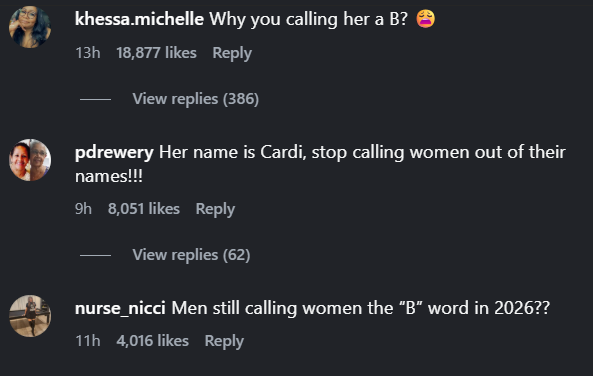
People in the comments were NOT ok with his use of the slur to describe the Bodak Yellow rapper.
“Her name is CARDI – stand down 50 cent we will come for you for our girl,” wrote one user, with another asking, “Why you calling her a B?”
Another bashed, “Her name is Cardi, stop calling women out of their names!!!”
“Men still calling women the “B” word in 2026??,” asked another.
The rumors of the couple’s fall out began with an account on X claiming that they’d unfollowed each other on Instagram after the Super Bowl.
Secretary of the National Security Council, Ali Larijani, meets with the Minister of the Royal Office in the Sultanate of Oman, Sultan bin Mohammed al Numani, in Muscat, Oman, February 10, 2026. — Reuters
Iran’s Larijani discusses US talks during Oman visit.
Iran slams Israel for sabotaging regional diplomatic efforts.
Tehran and Washington resumed talks in Muscat after months.
Iran’s top security official met the Sultan of Oman in Muscat on Tuesday, days after a first round of talks there between officials from Washington and Tehran last Friday.
Ali Larijani, who heads the Supreme National Security Council, and Sultan Haitham bin Tariq “discussed the latest developments in the Iranian-American negotiations”, the official Oman News Agency said.
Larijani also met Omani Foreign Minister Badr Albusaidi, who mediated Friday’s indirect talks between US and Iranian officials, according to photos shared on Larijani’s official Telegram channel.
Larijani and Sultan Haitham also explored “ways to reach a balanced and just agreement between the two sides, and emphasised the importance of returning to the table of dialogue and negotiation”.
During his trip to Muscat, Larijani also met Mohammad Abdulsalam, the spokesperson for Yemen’s Tehran-backed Houthi rebels.
Larijani will head to Qatar next, according to Iran’s foreign ministry spokesperson Esmaeil Baqaei.
The trip comes after Iran and the United States resumed negotiations in Oman on Friday for the first time since the 12-day Iran-Israel war last June, which was briefly joined by the US military.
Meanwhile, Iran warned Tuesday of “destructive” influence on diplomacy ahead of Israeli Prime Minister Benjamin Netanyahu’s visit to Washington for talks expected to focus on US negotiations with Tehran.
“Our negotiating party is America. It is up to America to decide to act independently of the pressures and destructive influences that are detrimental to the region,” said Iranian foreign ministry spokesman Esmail Baqaei in a weekly press briefing.
“The Zionist regime has repeatedly, as a saboteur, shown that it opposes any diplomatic process in our region that leads to peace.”
New Delhi: The Government of India has announced plans to sell a 3 percent stake in Bharat Heavy Electricals Ltd (BHEL) through an Offer for Sale (OFS) as part of its ongoing disinvestment programme. The stake sale could increase to 5 percent if the oversubscription option is exercised, according to official information shared by the Department of Investment and Public Asset Management (DIPAM).
Under the base offer, the government will offload over 10.44 crore equity shares, while an additional 2 percent stake may be sold through the green-shoe option if investor demand remains strong.
The floor price for the OFS has been set at Rs 254 per share, which is lower than the prevailing market price, a strategy often used to attract wider investor participation.
Add Zee News as a Preferred Source
The two-day OFS process will open first for institutional investors, followed by retail investors and employees on the next day, with a portion of shares reserved for both categories.
This move is part of the government’s broader strategy to raise funds and increase public shareholding in public sector undertakings (PSUs) through market-based divestment.
BHEL, a central public sector enterprise under the Ministry of Heavy Industries, is one of India’s largest engineering and manufacturing companies in the power and industrial equipment sector.