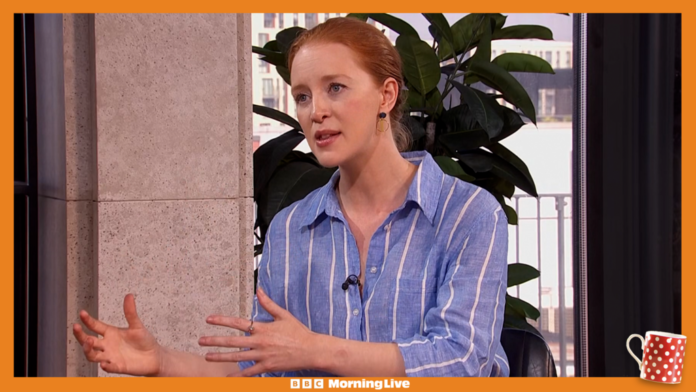
How do you escape an overdraft? Finance expert Ioan Bain explains
S&P 500 declines with chip stocks weak after OpenAI IPO delay report: Live updates
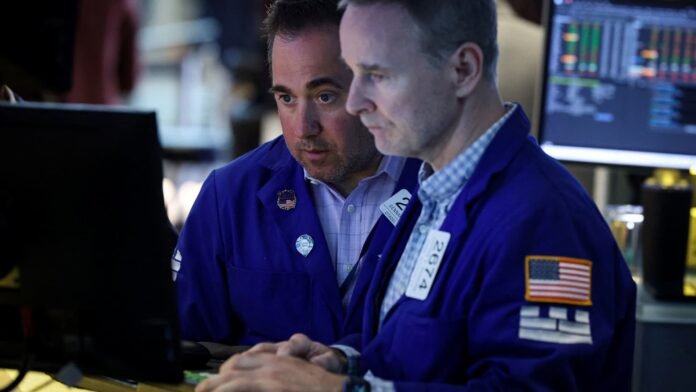
Traders work on the floor at the New York Stock Exchange (NYSE) in New York City, U.S., June 24, 2026.
Brendan McDermid | Reuters
Stocks moved lower on Friday as OpenAI is reportedly considering delaying its IPO and as a sell-off in tech gathered pace amid mounting concerns over the rising cost of artificial intelligence infrastructure.
The S&P 500 was down 0.7%, while the Nasdaq Composite lost 1.1%. The Dow Jones Industrial Average fell 237 points, or 0.5%.
Chip stocks were weaker after a New York Times report that OpenAI is considering delaying its IPO to next year because of SpaceX‘s poor performance following its debut and overall volatility in AI-related shares.
The report raised concerns about “sustainability of their infrastructure spending given the delay in funding from the capital markets,” wrote JPMorgan traders in a note.
The OpenAI IPO delay “could slow the pace of infrastructure spending,” said Adam Crisafulli of Vital Knowledge.
Shares of Micron Technology declined 5%, while Advanced Micro Devices and Intel shed 4% and 3%, respectively. Additionally, software stock Oracle dropped more than 1%.
The sell-off was particularly severe in Asia. SoftBank Group, which is a key backer of OpenAI, led losses across the region on Friday, plunging more than 12%. South Korean equities finished sharply lower, with the Kospi declining 5.81% to 8,411.21 and the Kosdaq shedding 4.10% to 851.37, as the broad-based technology selloff swept across the region.
Japan’s Nikkei 225 fell 4.15% to 69,360.88, while the broader Topix lost 1.32% to 3,963.36. Australia’s S&P/ASX 200 bucked the regional downturn to edge up 0.18%, closing at 8,764.20. Hong Kong’s Hang Seng index closed 1.76% lower, while the mainland’s CSI 300 lost 3% to close at 4,869.64.
European stocks also fell on Friday, as a global sell-off in technology stocks sent major bourses into the red. The pan-European Stoxx 600 dropped 1%.
“This is a market that we think is quite set up to test conviction. We have this flavor of market leadership in specifically semiconductors and memory chip leaders,” said Julia Hermann, global market strategist New York Life Investment Management, on CNBC’s “Closing Bell” on Thursday afternoon. “This is a structurally more volatile flavor of tech than we saw in the Magnificent Seven for the past several years.”
Hermann added: “Then you pair that with an astonishing repricing in Fed expectations — not just the what, but the why of why the Fed might be hiking next — and you have this environment, which is candidly a recipe for volatility.”
2026 NBA offseason trade grades: LaMelo Ball, Isaiah Stewart deals
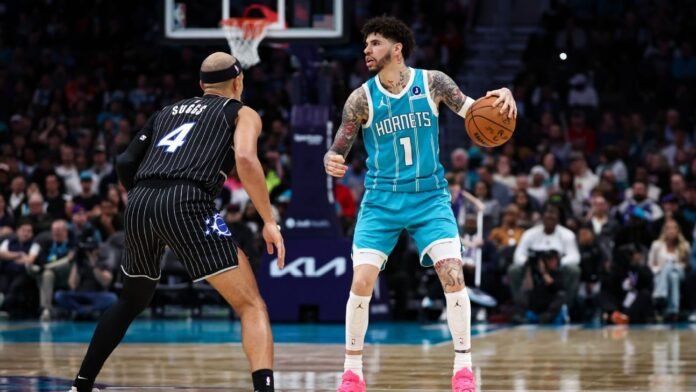
The NBA offseason is here, with Aaron Wiggins‘ trade to the Atlanta Hawks on June 22 the first move of a frenzied few weeks ahead.
The big news came late Monday night, a day before the NBA draft, when Giannis Antetokounmpo was traded by the Milwaukee Bucks to the Miami Heat in a blockbuster. There was another big trade the morning after the draft, as the Charlotte Hornets shipped LaMelo Ball to the Minnesota Timberwolves.
Will any other stars be dealt? I’m grading every trade this offseason, including draft deals, breaking down the ramifications for all teams and players involved.
To determine each grade, I’m looking at multiple factors, including the on-court impact and ages of involved players, the cost in terms of draft picks and future financial implications, and the context of the team’s short- and long-term outlooks. How risky or certain is the move? And how much does it help or hurt the team’s chance to win the championship, next season or beyond?
Let’s get into the latest moves:
Quick links:
Latest buzz | FA signing grades | Trade machine
Depth charts | Offseason guides | Draft coverage



Minnesota Timberwolves get: G LaMelo Ball, F Josh Green
Charlotte Hornets get: F Naz Reid, 2033 unprotected first-round pick, three first-round pick swaps (2028, 2029, 2030), three second-round picks (2029, 2032, 2033)
Grade for Minnesota: D+
What this means for the Timberwolves: The Timberwolves had to make a choice last summer. Julius Randle, Naz Reid and Nickeil Alexander-Walker were potential free agents, and for all intents and purposes, the Western Conference finalists could keep only two. So Minnesota opted for size, re-signing power forwards Randle and Reid and letting the smaller Alexander-Walker leave for Atlanta.
Fast-forward a year, and it’s clear the Timberwolves would like a mulligan on that decision: Alexander-Walker is the Most Improved Player winner, while both Randle and Reid are off the team entirely, after two blockbuster trades.
ESPN’s Shams Charania reported Monday that Minnesota was sending Randle to Brooklyn in a three-team deal, and that transaction folded in a fourth team Thursday, with an addition that essentially swaps Ball for Reid and future picks.
Minnesota already had little draft capital remaining, as a result of trading for Rudy Gobert and Rob Dillingham in previous summers. The Timberwolves now don’t control their own first-round pick in 2027, 2028, 2029, 2030, 2031 or 2033, and their 2032 pick is frozen due to second apron rules.
In other words, this is the last big swing the team can realistically take to build around Anthony Edwards, and to push past the Thunder and Spurs and other Western Conference contenders to actually reach the Finals, rather than stall out a round or two short. Is it enough?
Let’s start with a positive frame. Despite the occasional foolish turnover or ill-advised off-balance 3-pointer, Ball is a tremendous offensive engine. He’s a solid 3-point shooter on immense volume, an excellent passer and knows how to navigate a pick-and-roll. (He ranked second in the league in total pick volume last season, behind only Jalen Brunson, per GeniusIQ.)
Over the past two seasons, he ranked in the 99th percentile in on/off differential on offense, per Cleaning the Glass, as Charlotte’s offense hummed with him on the floor and cratered without him.
According to both estimated plus-minus and xRAPM, which incorporate that on/off data, Ball ranks as one of the five best offensive players in the sport, in terms of per-possession impact. That’s a meaningful addition to a team that has lacked playmaking ability ever since veteran point guard Mike Conley began to show his age.
With Edwards and Ball — the Nos. 1 and 3 picks in the 2020 draft — Minnesota now boasts one of the NBA’s best backcourts. Add in Ayo Dosunmu, who’s staying in Minnesota after signing a five-year, $112 million deal, and the Timberwolves have transformed their guard rotation from Edwards and question marks to an undeniable strength.
But now comes the negative side, with two overwhelming concerns. The first is Ball’s availability, on which Minnesota is essentially staking its future.
Here are Ball’s games played over the past four seasons, since he was an All-Star in Year 2: 36, 22, 47, 72. In that light, last season’s 72 games played looks like an outlier — and even then, the Hornets limited his minutes to just 28 per game to keep him fresh. It’s possible Ball has turned the corner and will be healthier going forward, but that’s a large gamble.
The second main drawback is what this trade does for Minnesota’s roster balance. For as deep and dynamic as the backcourt now looks, the frontcourt appears equally barren, with two of Minnesota’s three big men from last season leaving in the same trade.
The Timberwolves’ depth chart now features Jaden McDaniels at small forward, Gobert at center and 19-year-old Joan Beringer at backup center — but a big empty hole where the power forward should be. That’s a major issue in a league in which size is once again becoming more important, and it’s unclear if the Timberwolves have the resources to address it.
It’s possible McDaniels could move up a position, but his greatest strength is his ability to stymie opposing guards. In the playoffs, he most frequently guarded Jamal Murray and De’Aaron Fox, according to GeniusIQ tracking; in the regular season, his most common matchups included bigger wings such as Kevin Durant and Kawhi Leonard, but more lead guards such as Murray, Shai Gilgeous-Alexander and Stephen Curry.
The Timberwolves could also try trading Donte DiVincenzo, who’s out indefinitely after tearing his Achilles in the playoffs, for more size. But without attractive draft picks, it could be difficult to incentivize a partner team in that hypothetical deal.
Otherwise, Minnesota has only about $10 million to fill its last three roster spots — after it signs second-round pick Isaiah Evans — before reaching the second apron, where it’s hard-capped as a result of aggregating players in this trade. That’s nowhere near enough room to add the caliber of players it needs to round out a championship-worthy rotation.
For a while now, the Timberwolves have sought to use their scant remaining resources to add star power next to Edwards. And compared to missing on Durant and Giannis Antetokounmpo, Ball seems like a lesser prize. He’s still just 24 years old, and if he remains healthy, his contract is fair value for a player with his offensive potential ($130.7 million over the next three seasons, or about 25% of the cap).
But in taking their final big swing on an injury-prone, defensively limited guard who fills one big hole but opens up another just as large, the Timberwolves might have locked themselves into an unwinnable situation. And now they have less flexibility than before, if they want another mulligan next summer.
Grade for Charlotte: B-
What this means for the Hornets: Minnesota isn’t the only team breaking up a lineup that worked in the search for something greater: By trading Ball, Charlotte is removing the engine that catalyzed what was by far the NBA’s best high-volume lineup last season. In 509 minutes, Ball, Kon Knueppel, Brandon Miller, Miles Bridges and Moussa Diabate outscored their opponents by 26.4 points per 100 possessions, with an eye-popping 134.9 offensive rating.
That lineup surged after the All-Star break, as the Hornets became every NBA nerd’s favorite sleeper contender. Charlotte ended up missing the playoffs due to a play-in loss but finished the regular season with the league’s eighth-best net rating (plus-4.9) — two spots better, incidentally, than the Timberwolves.
Now the Hornets are making a significant change, rather than trusting a young group to continue growing together.
Taken on its own, this trade will make the Hornets worse next season, because despite their other exciting young talent, Ball was still their most important player. Their offense scored 123.2 points per 100 possessions with Ball on the court last season, per NBA Advanced Stats. That was better than the Nuggets’ league-best rating. But the offense scored just 110.6 points per 100 possessions without Ball, which was equal to the Kings’ 26th-ranked unit.
In return, the Hornets primarily gained optionality. Reid is a solid two-way player, if somewhat overpaid with four years and $103.4 million remaining on his contract. Between Reid, No. 14 pick Hannes Steinbach and incumbents Diabate and Ryan Kalkbrenner, the Hornets now boast a fascinating big man rotation, with a blend of skill sets that coach Charles Lee can spend the season exploring.
But the bigger draw for Charlotte is the money and picks involved. In addition to shedding Ball’s contract in this deal, the Hornets created a $40.7 million trade exception, which is the largest in NBA history, according to ESPN’s Bobby Marks.
They also added an unprotected first-round pick in 2033, which is now their most valuable future draft asset. They hold several other teams’ first-round picks in 2027 and 2029, but those have some level of protection.
And while pick swaps have historically been less important than advertised because they don’t often convey, they should be more valuable in the new draft system, where every lottery pick is drawn rather than just the top four. (One of the swaps will be a “swap of swaps,” however, because Minnesota already owed a swap to a different team in 2030, and the Timberwolves might not even have a pick to swap in 2029, because they owe a top-five-protected pick to Utah.)
Is that future value sufficient to warrant slowing an up-and-coming contender’s momentum, after the franchise’s most exciting season in more than a decade? That’s a trickier case to sell, and it requires trusting the front office: Nobody knows Ball better than the Hornets, so if they’re choosing to sell high on the star guard after his healthiest season in years, it’s worth wondering whether they know something the Timberwolves don’t.
In the meantime, Charlotte can use Knueppel on the ball more, as the rising sophomore continues to develop at the NBA level. They can re-sign free agent Coby White to play on the ball, even if he’s underqualified as a lead playmaker. (Editor’s note: Shortly after this grade was posted, Charania reported that White intends to sign a three-year, $74 million with the Hornets.) And they can search for a different point guard of the future who’s more reliable than Ball, making use of all their extra flexibility to target the right player at the deepest position in the league.
That route limits their potential to continue climbing up the standings next season, but it’s a bet that might pay off over the long term.


Memphis Grizzlies get: Isaiah Stewart
Detroit Pistons get: Three second-round picks
Grade for Memphis: B+
What this means for the Grizzlies: Spiritually, Stewart might have always been destined to become a Grizzly. Few players in the current NBA embody the “grit ‘n’ grind” ethos more than the 25-year-old, who has never been afraid to get physical on the court.
In addition to providing that toughness for a fanbase bound to appreciate it, Stewart will serve two key roles for his new team. First, he’s an elite rim protector: Stewart allowed opponents to shoot just 44% at the basket last season, per NBA Advanced Stats, which led all players with at least 100 shots defended. The previous season, he ranked second behind Chet Holmgren.
And second, Stewart will provide center insurance behind 7-foot-3 Zach Edey, who pairs immense potential with immense injury risk. Edey played just 11 games last season and has had multiple ankle surgeries in the past 12 months — an especially worrisome sign for a center of his size.
By the end of last season, with Edey and Santi Aldama injured and Jaren Jackson Jr. traded, the Grizzlies had effectively run out of big men and were playing entire games down the stretch without anyone taller than 6-foot-9.
Stewart himself is only 6-foot-8, but he plays bigger and operates mainly as a center. His 3-point shot has never fully developed (33% last season on 2.1 attempts per game), which makes it difficult for him to play with a non-shooting big. But next to Aldama or No. 3 pick Cameron Boozer — or even former Utah lottery pick Taylor Hendricks, who showed flashes last season after joining Memphis in the Jackson trade — Stewart would function as a perfectly competent backup center, or as a fill-in starter when Edey misses time.
Stewart will make $15 million in 2026-27 and has another $15 million via a team option for 2027-28. That eight-figure sum might be too much for Detroit to bear — more on that below — but Memphis has plenty of room to absorb Stewart’s salary while still retaining flexibility for other moves.
Given that the Grizzlies initially acquired three second-round picks from Detroit during the first round of the draft on Tuesday to move back from the No. 17 pick to No. 21, they effectively added Stewart in exchange for moving back four slots after the lottery. That’s good value for a team in their position.
Grade for Detroit: B
What this means for the Pistons: Like with several other moves from contenders this month, the Pistons’ motivation to trade Stewart is primarily financial. The salaries for Detroit’s young core are growing more expensive: Cade Cunningham is now playing on a max extension, Jalen Duren is a restricted free agent this summer and Ausar Thompson is eligible for an extension.
Trading Stewart’s $15 million salary without taking back any money in return bumps Detroit’s room below the luxury tax to $75 million, according to ESPN’s Bobby Marks. The Pistons could also operate as a cap space team with a few additional maneuvers, such as shedding Duncan Robinson, who has only $2 million of his $16 million salary guaranteed.
So it’s almost unfair to give the Pistons a grade for this trade yet, as it’s clearly the first domino in a series of moves designed to give the 60-win team a better chance at advancing further than the conference semifinals next season. It remains to be seen how they use their extra wiggle room.
But the Pistons are aiming, above all, for more financial flexibility: to re-sign Duren (who almost has to return at this point, despite his playoff struggles, given that the Pistons traded his backup), re-sign Tobias Harris and add more firepower next to Cunningham.
And while Stewart matched Detroit’s ethos just as aptly as he will in Memphis, the Pistons might not miss him as much on the court. Analytics darling Paul Reed is overqualified as a third-string center — either he or Oklahoma City’s Jaylin Williams is the best third-stringer in the league — and is signed to a nonguaranteed $5.6 million deal for 2026-27. Promoting him to second string would save Detroit nearly $10 million in the tradeoff.
Ultimately, taken on its own, this trade makes the Pistons worse, as they lost a positive contributor without adding anyone in return. But Detroit’s front office deserves the benefit of the doubt — that it has a plan in mind for what more impactful domino should fall next.


Minnesota Timberwolves get: No. 33 pick (via Nets), Mouhamadou Gueye
Chicago Bulls get: Nic Claxton
Brooklyn Nets get: Julius Randle, No. 28 pick (via Timberwolves)
Grade for Minnesota: B
What this means for the Timberwolves: Two years after they acquired Randle and Donte DiVincenzo in exchange for Karl-Anthony Towns, Towns is an NBA champion while DiVincenzo is out with a torn Achilles and Randle is the subject of a salary dump. If it needed any further clarification, Minnesota definitely lost that blockbuster trade.
But focusing on how the Timberwolves landed Randle two years ago is a matter of the sunk cost fallacy, so let’s focus on the present. Minnesota’s side of this three-team trade is almost entirely motivated by finances. Randle is owed $33.3 million in 2026-27 and $35.8 million on a player option in 2027-28, as part of an extension he signed last summer.
By trading Randle in a deal involving the two teams with the most cap space in the league, the Timberwolves were able to shed that hefty salary without taking any guaranteed money back in return. They also had to drop just five spots in the draft to do so, even if the difference in “they traded a first-round pick for a second-round pick” overstates that gap.
The Timberwolves’ new financial situation places them $42 million below the luxury tax line and $50 million below the first apron. It also gives them access to multiple exceptions they can use to sign players this offseason, as well as a $33.3 million trade exception they could use for a highly paid veteran who fits their roster better.
Step one with all of that extra space was re-signing Ayo Dosunmu, an unrestricted free agent after a positive post-deadline stint with the Timberwolves. Further upgrades are sure to come thereafter, because without Randle or the injured DiVincenzo, the Timberwolves’ roster is still very incomplete.
Replacing Randle shouldn’t be an insurmountable challenge. His departure opens up a starting slot for sixth man extraordinaire Naz Reid, with whom Rudy Gobert has a proven partnership — the duo has a plus-9.1 net rating in more than 2,700 minutes together over the past three regular seasons, per databallr.
And while Randle averaged 20 points and 4.9 assists per game over two seasons in Minnesota, his notorious playoff struggles limited his team’s upside. For the Timberwolves to make a run at their first Finals berth — and to get past the Thunder and Spurs in the process — they couldn’t rely on Randle as their No. 2 option behind Anthony Edwards.
But the real problem is what happens once Reid moves to the starting lineup, because the Timberwolves were already relying on a tight playoff rotation, with little depth beyond their top seven or eight players. They’d better make good use of their extra money to round out a more supportive roster, because they’re now down two good players from last year’s group without adding any suitable replacements — yet.
Grade for Brooklyn: C+
What this means for the Nets: Welcome back to New York, Julius Randle. The three-time All-Star’s first stint in the city, with the Knicks, saw him play alongside a high-scoring veteran forward with trade value (Marcus Morris) and a bunch of young ball handlers (RJ Barrett, Immanuel Quickley, Frank Ntilikina and Dennis Smith Jr., among others), and he looks poised to repeat that experience, with Michael Porter Jr. as the forward with trade value and all of the Nets’ 2025 draftees as the young guards.
In a league that no longer rewards tanking as it once did, thanks to new lottery rules, Randle carries extra value as a floor-raiser — and the Nets, who don’t even control their 2027 first-round pick, had might as well try to win some more games next season after losing 50-plus in each of the last three seasons.
In that respect, Randle’s greatest ability is his availability. He has played in at least 69 games (or the equivalent in COVID-shortened seasons) in 10 of the past 11 seasons, ranking seventh in total games and eighth in total minutes in that span.
Randle’s steady 20 PPG production should boost the Nets’ 30th-ranked offense. And while he has never been the most efficient shooter, he’s an underrated passer, which could relieve some pressure from the overtaxed group of young guards who struggled last season.
It’s fair to wonder, though, what Randle’s acquisition amounts to for Brooklyn, which will end up cutting out a major chunk of its cap space this summer to add a player without much value — at least, on his current contract — throughout the league. The Nets are still unlikely to be a playoff team next season, barring further meaningful upgrades, and the 31-year-old Randle will likely be well past his prime by the time the Nets are ready to contend.
Moving up five spots in the draft doesn’t seem like a large enough difference to justify this trade on an opportunistic basis, either.
The Nets should be more interesting next season as a result of this trade. Randle and Porter form a fascinating forward combination. Day’Ron Sharpe deserves extra playing time, and should slot in as the Nets’ starting center with Claxton gone. Multiple first-round picks will join the five first-rounders who already played for Brooklyn last season.
But does this trade make the Nets better, over the long run? It’s hard to answer yes with much confidence.
Grade for Chicago: B-
What this means for the Bulls: Trading for Claxton is the first move of new executive vice president of basketball operations Bryson Graham’s tenure, and it makes use of the Bulls’ copious cap space to add an experienced center essentially for free. (Gueye played two games for Chicago last season, and is on a nonguaranteed deal for 2026-27.)
Claxton has two years left on a contract that declines year over year. He is owed $23.3 million in 2026-27 and $21.1 million in 2027-28, which ranks in the middle of the pack among starting centers. That fits Claxton’s status as a middle-of-the-pack center.
Or, at least the Bulls hope he’s still at that level. At his best, Claxton’s calling card is his defense, but his metrics on that end have declined precipitously over the last few seasons, as he’s largely toiled away in obscurity for an out-of-contention Nets squad.
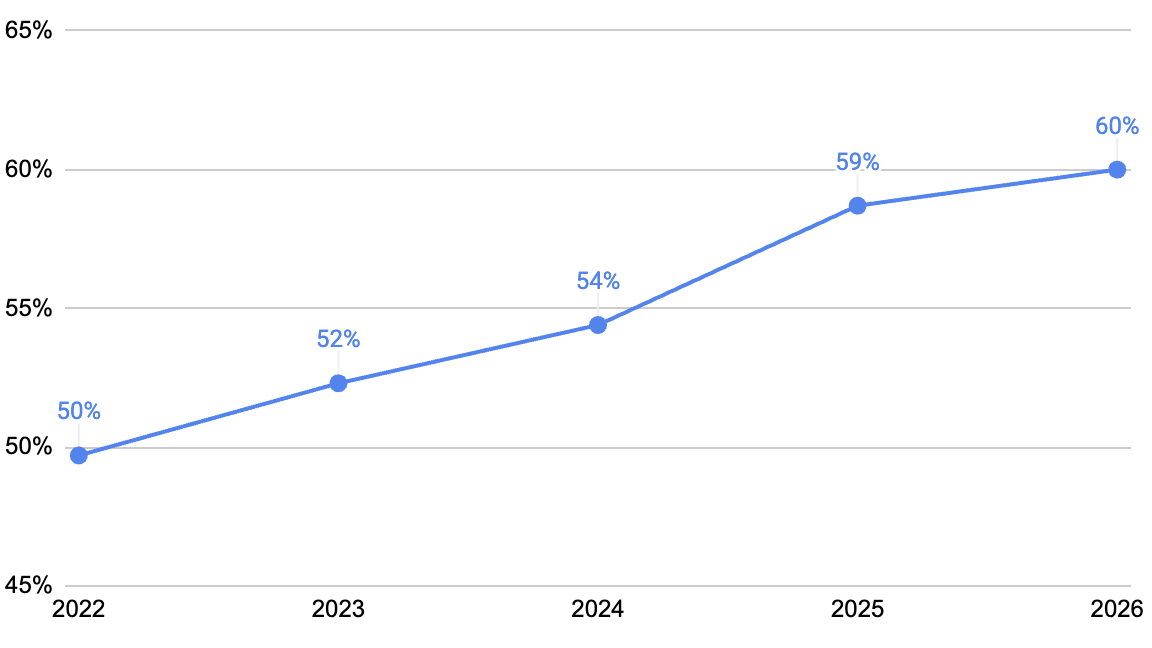
Claxton averaged 2.5 blocks per game in 2022-23, when he received down-ballot Defensive Player of the Year votes. But he’s tallied fewer blocks in every season since, down to 1.1 per game last season. At the same time, Claxton has allowed a higher field goal percentage at the rim every year.
Opposing FG% at Rim Against Nicolas Claxton
The Bulls’ hope is surely that Claxton felt the effects of not playing an important game for years on end, and that he can reverse his decline in a new environment. (Given the Bulls’ rebuild, however, it might be some time before Claxton plays an important game in Chicago, too.)
At 27 years old, Claxton is still theoretically in his prime, and he’ll have the runway to grow alongside 21-year-old forward Matas Buzelis and whoever the Bulls select with the No. 4 pick on Tuesday. If North Carolina forward Caleb Wilson lands in Chicago, as ESPN’s Jeremy Woo projects, then the Bulls would have a supersized, super-athletic frontcourt for their future — befitting Graham’s “SLAP” philosophy, emphasizing size, length, athleticism and physicality.
“SLAP” applies to Claxton, who has also been one of the NBA’s best switching bigs in previous years. But he’s a more limited player on the other end: He has never made more than five 3-pointers in a season, and he’s a career 56% free throw shooter. He’ll enjoy setting screens and rolling to the rim for Josh Giddey lobs, but likely not much else — though his 3.7 assists per game last season represented a major career high, and hint at untapped playmaking potential.
The larger question about Claxton in Chicago is whether the Bulls would have been better off using their cap space to trade for negative-value contracts and acquire extra draft picks in the process. They are also no longer a threat to offer a large contract to Jalen Duren or Walker Kessler — two younger, better centers than Claxton — in restricted free agency.
Claxton might have come essentially for free, in terms of assets, but his arrival still comes with a meaningful opportunity cost.
Still, the Bulls have $31 million in remaining cap space even after adding Claxton, which gives them enough flexibility to take on a bad contract and an associated pick if they desire. And they didn’t have any true centers on the roster after they traded Nikola Vucevic last season, so Claxton — ironically, a polar opposite player stylistically from Vucevic — fills a massive hole.
Taking on his contract into their cap space means it’s fair to treat the Bulls’ end of this three-team deal as if they were signing Claxton to a two-year, $44 million contract. That would be decent but not overwhelming value, and their grade here reflects that tradeoff.


Miami Heat get: F Giannis Antetokounmpo, F Bobby Portis
Milwaukee Bucks get: G Tyler Herro, C Kel’el Ware, F Jaime Jaquez Jr., G Kasparas Jakučionis , 2026 first-round pick (No. 13), 2031 first-round pick, 2033 first-round pick, 2030 pick swap, 2033 second-round pick
Grade for Miami: B-
What this means for the Heat: The Miami Heat have a reputation as a destination for the stars — but it has been quite a while since they actually landed one. The last time any Heat player finished higher than 10th in MVP voting was 2013-14, when LeBron James was the runner-up.
Since then, Miami’s biggest acquisitions are Jimmy Butler III and lower-level stars such as Goran Dragic, post-prime Kyle Lowry and Terry Rozier (the less said about that transaction, the better). The Heat were routinely in rumors surrounding superstars but didn’t turn those hypotheticals into reality.
That inability to close showed on the court. The Heat have reached 50 wins only once in 12 seasons since James left after the 2014 Finals, and they’ve been stuck in play-in territory four seasons in a row. Two Finals appearances in that span — including one marvelous run as the No. 8 seed — helped mask Miami’s mediocrity, but this is a team that has been searching for a higher level for a while.
Grade for Milwaukee: B+
What this means for the Bucks: Antetokounmpo’s departure closes the book on what is inarguably the greatest individual career in Milwaukee Bucks history. The former No. 15 pick is the franchise’s leader in almost every major statistic: games, minutes, points, rebounds, assists, blocks, field goals and free throws. He has 56 triple-doubles for Milwaukee; no other Buck is even in double digits. He’s a 10-time All-Star, two-time MVP and one-time Finals MVP, after scoring 50 points to close out the Bucks’ first title in 50 years.
But it was long past time for both him and the team to move on. After years of unfortunate injuries (Khris Middleton in 2022), ill-fated transactions (the Damian Lillard trade) and wasted drafts (the last Bucks pick to make a real impact for the team was Donte DiVincenzo, who was drafted eight years ago), the Bucks were no longer a legitimate contender, even with Antetokounmpo still receiving MVP votes.
Over the past four seasons, 15 teams won at least one first-round series. The Bucks weren’t one of them.
Read the full grade for the Antetokounmpo trade, plus league winners and losers.


Atlanta Hawks get: G Aaron Wiggins
Oklahoma City Thunder get: Two second-round picks (2030, 2032)
Grade for Atlanta: B+
What this means for the Hawks: Wiggins’ acquisition continues a solid start to the offseason for Atlanta, which first extended CJ McCollum on a low-risk deal over the weekend. Wiggins also comes with low risk: He’s on a good contract — $9 million in 2026-27, $8.2 million in 2027-28 and $8.2 million on a team option in 2028-29 — and the Hawks had to surrender only two far-off second-round picks to land him.
In Oklahoma City, Wiggins had fallen to the edges of the NBA’s deepest rotation, but he should have a much greater impact in Atlanta. The Hawks have a splendid starting lineup but were frightfully thin by the end of last season; in their six-game playoff loss to New York, Jonathan Kuminga was their only bench player to average more than five points per game or make more than eight total shots all series.
Wiggins can do better than that: He has averaged 17 points per 36 minutes over the past three seasons while making 39% of his 3-pointers. That scoring ability should make him one of the first players off Quin Snyder’s bench — though it does raise further questions about 2024 No. 1 pick Zaccharie Risacher‘s place in Atlanta’s rotation, if Wiggins earns more minutes on the wing.
The only factor dropping Atlanta’s grade on this deal from an A to a B+ is uncertainty around Wiggins’ true level. His numbers declined across the board in 2025-26 compared to the previous two seasons, most notably a true shooting percentage that was well above league average in 2023-24 (66%) and 2024-25 (60%) but fell below in 2025-26 (54%).
But even middling production would make Wiggins a relatively valuable contributor in Atlanta, given the inferior options he’s replacing.
Grade for Oklahoma City: B
What this means for the Thunder: Wiggins is a solid player, but he’d become a luxury in Oklahoma City, where he was the 12th or 13th man in the rotation. While he helped raise the Thunder’s floor in the regular season, serving as an effective fill-in when the players ahead of him were injured, he played just 75 minutes in the 2025-26 postseason.
When Wiggins received opportunities to prove he belonged in the Thunder’s conference finals clash against San Antonio, the Spurs played him off the floor.
Still, Oklahoma City’s decision to trade him is almost entirely motivated by finances, rather than his own play. In addition to removing the $9 million he’s owed next season from their books, the Thunder will save a projected $61 million in luxury tax penalties with this trade, according to ESPN’s Bobby Marks.
And because Wiggins is on an attractive contract, Thunder GM Sam Presti was able to acquire picks — even less valuable second-rounders — while shedding Wiggins’ salary, rather than including picks to entice another team to trade for him.
Expect additional moves of this nature as the offseason continues and Oklahoma City seeks to further reduce its exorbitant tax bill, which stands at a projected $152 million.
Duchess Sophie sends her ‘babies’ off to their new home

Duchess Sophie has helped plant the seeds for a greener future after bringing her award-winning garden from the Royal Windsor Flower Show into the hands of local schoolchildren.
The Duchess of Edinburgh visited Queen Anne First School to celebrate the relocation of The Plants with Purpose Garden, a special show garden she co-designed with Alan Williams of Landform Consultants for this year’s Royal Windsor Flower Show.
Rather than disappearing after the event, the garden has been given a lasting legacy, finding permanent homes at both Queen Anne First School and Cranbourne Primary School, where it will inspire pupils to learn about nature, biodiversity and sustainable gardening for years to come.
During the visit, Sophie joined pupils, teachers and volunteers from the Royal Windsor Rose and Horticultural Society to help plant the relocated garden and helping the children.
The Duchess also weighed freshly harvested potatoes grown by the pupils, explored the school’s gardens and paid a visit to the much-loved “Queen Anne Wheelbarrow,” celebrating the students’ enthusiasm for growing their own food.
Queen Anne First School is one of the pilot schools taking part in the new Royal Windsor Rose and Horticultural Society Nature Studies Programme, delivered in partnership with Little Muddy Boots.
The initiative aims to encourage children to connect with the natural world through practical outdoor learning, helping them develop environmental awareness, gardening skills and an appreciation for wildlife.
Sophie has long been a passionate advocate for conservation, gardening and environmental education, making the project a natural extension of her work.
Why does alcohol hit harder in the hot weather?

A cold beer or chilled glass of wine might sound like the perfect way to unwind after a hot, sweaty day, but warnings have been issued urging people to take extra care when drinking alcohol during the heatwave this week.
If you’ve ever found yourself feeling light-headed after just one or two drinks, becoming tipsy faster than usual, or waking up with a particularly nasty hangover after drinking in the sun, there’s a reason why.
High temperatures put extra strain on your body, and alcohol can make those effects even worse.
Here’s some reasons why alcohol can affect you more in the heat – and what you can do to stay safe while enjoying the sunshine.
Accelerates dehydration

“People often get caught out in the heat because they will go for cold alcoholic drinks and are often tripped into thinking that because these beverages feel refreshing that they must be hydrating,” says Dr Amel Imam (Dr Mel), NHS GP and medical director at Pharmulous.
“However, your body needs lots of water, or something that contains a high water content in order to function properly.
“Alcohol is a diuretic, and diuretics help relieve the body of fluid. Therefore, if you compile that with the heat, when we are sweating lots, that poses a higher risk of dehydration, particularly in more vulnerable groups.”
The stronger the alcohol concentration, the worse the effects can be, she adds.

“Hangovers also often feel worse because people aren’t drinking enough water so then feel the effects of dehydration, such as headaches, and feel particularly groggy,” says Imam.
Blood vessels widen
“When it’s really hot, your body tends to let your blood vessels widen to try and keep you cool, but alcohol also does the same thing which can increase your risk of feeling light-headed or faint,” says Dr Opel Baker, GP at Mayfield Clinic in Brighton.
Impacts your judgment and awareness
“Drinking alcohol can also impair your judgment and the big issue is that it makes people less likely to recognise the signs of heat illnesses or dehydration,” says Baker.
Alcohol can also impact your perception of risk.

“Alcohol disinhibits you in many ways, in terms of what you would do normally versus what you do under the influence of alcohol,” says Baker.
“So, if you drinking near a body of water like a river, for example, you might do something more risky than you normal would because you can’t assess risk effectively and therefore might put yourself in danger.”
Are some groups more vulnerable than others?
“I think that it’s particularly important to note that some groups are more vulnerable than others, such as the older population,” says Imam.
People on certain medication also need to be careful.
“If you’re on heart medication, for example, you may already be on a type of diuretic, or one that supports lowering blood pressure, therefore drinking lots of alcohol can pose a higher risk of dehydration and heat-related illnesses,” says Imam.
Here are some tips to help you stay safe if you are planning on drinking alcohol in the heat this summer…
Be mindful
“It’s not that you can’t drink alcohol in the heat at all, but it’s important to be aware of these risks and be mindful of your consumption,” says Imam. “Enjoy yourself, but try to be as safe as possible.”
Eat before you start drinking
“If you know that you’re going to be drinking, never go out and drink on an empty stomach. Make sure you eat something beforehand,” recommends Baker.
Try zebra striping

“There is something called zebra striping, where people will drink a soft drink or water between alcoholic drinks,” says Baker. “It’s quite a good way of reducing the amount of alcohol that you’re having, and helps keep you hydrated.”
Dress for the weather
“Make sure that you’re wearing loose-fitting clothing made from natural breathable materials like cotton,” recommends Baker. “Also, don’t forget about things like sunscreen and a hat to protect you from the sun.”
Drink plenty of water

“Try to aim for two to three litres of water per day to keep on top of your hydration needs,” advises Imam.
Try to stay cool
“Try to stay in the shade and keep your temperature down as much as possible,” advises Imam.
Know your limits
“Don’t drink more than you can handle and don’t drink more than you normally would,” advises Baker. “It might potentially be a good idea to drink less than you normally would, knowing that the weather is against you.”
Timothée Chalamet new deal shatters his ‘Indie hero’ image
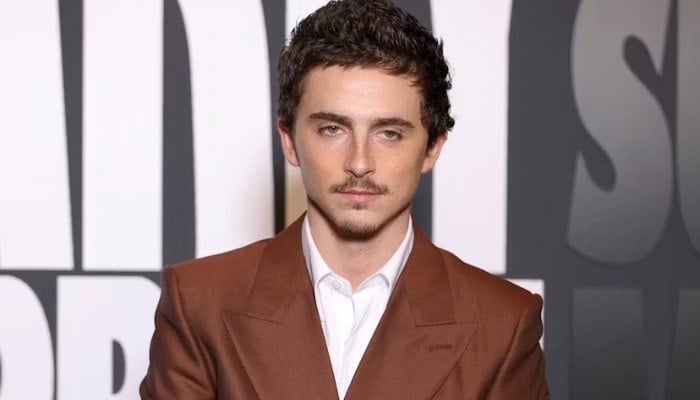
Timothée Chalamet’s latest business move is making almost as many headlines as his movies.
The Oscar-nominated actor has found himself at the center of online debate after reportedly landing a $1 million deal with prediction-market platform Kalshi.
While some longtime fans questioned whether the partnership fits the thoughtful, indie-star image they admired, insiders insist nothing about Chalamet has actually changed.
“Timothée didn’t change,” a source told Rob Shutter. “People are finally seeing who he’s always been.”
According to those close to the actor, fans built an idealized version of Chalamet that never reflected reality.
“Fans wanted him to be a tortured artist who didn’t care about fame, money, or celebrity,” an insider said. “That was never Timothée.”
Instead, sources describe him as someone who has always embraced both the craft of acting and the rewards that come with Hollywood success.
“He loves acting, but he also loves attention, big paychecks, courtside seats, and beautiful women,” said a source. “He’s always wanted to be a movie star, not a monk.”
His high-profile relationship with Kylie Jenner, brand partnerships and increasingly public lifestyle have only amplified that perception shift.
“People convinced themselves he was above fame,” another insider said. “He never claimed that. He wanted success from day one.”
Whether fans see the Kalshi partnership as surprising or simply overdue, insiders believe it marks a change in perception¬–not personality.
“The audience is finally catching up,” said a source. “He’s exactly who he’s always been.”
Swedish minister brought her 3-month-old baby to EU meeting; viral video highlights the country’s generous parental leave system
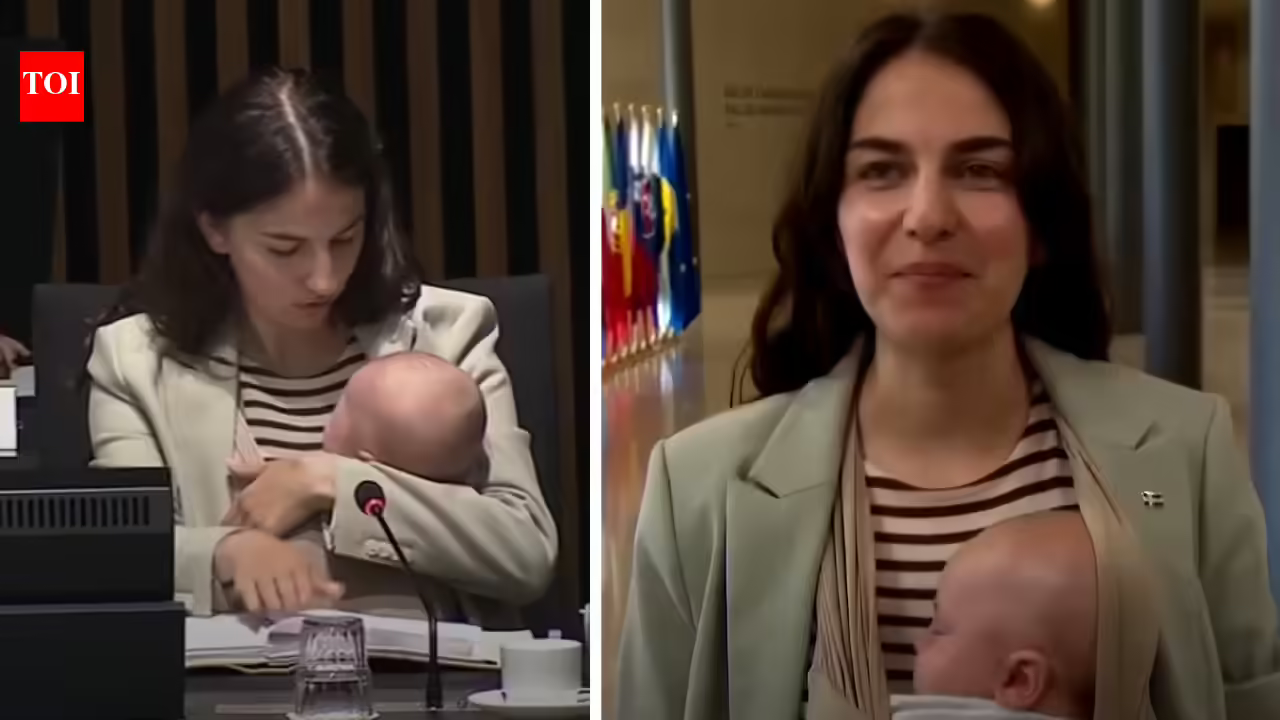
When ministers from across Europe gathered in Luxembourg on Thursday to discuss climate policies, one moment quickly stole the spotlight. Swedish climate minister Romina Pourmokhtari brought her 3-year-old son, Adam, to the EU council meeting to highlight the benefits of parental leave policies that don’t force women to choose between work and family responsibilities. And that Sweden’s parental leave system makes that possible.“I wanted to showcase being an example of not having to make that choice, which, of course, also requires having a partner that’s not a dinosaur—someone who’s quite modern and up for it to tag along,” she told Reuters.
15 Jun 2026 | 12:57
Is spending lakhs on a child’s birthday party reasonable or insane?
The EU Council confirmed it was the first time a baby had attended a meeting of EU ministers. Photographs of the 30-year-old minister sitting at the negotiating table with her baby quickly went viral across social media and sparked a conversation that goes far beyond one mother and her infant.
A baby at the negotiation table
Pourmokhtari, 30, was the youngest government minister in Sweden’s history when she took office in 2022. She has just returned from parental leave, while her husband is on leave until Sweden’s election in September and travelled with her to Luxembourg to care for Adam. The message was not simply about bringing a child to work. It was about showing what becomes possible when parenting responsibilities are shared.In many countries, including India, the conversation around working mothers often focuses entirely on women: How will she manage? Who will take care of the baby? Should she return to work? Rarely does society ask the same questions of fathers.
How Sweden’s parental leave system works?
Sweden has one of the most generous parental leave systems in the world. Parents receive around 16 months of paid leave in total. Of this, 90 days are reserved exclusively for each parent and cannot be transferred to the other. If either parent, most often the father, doesn’t use their allotted share, those days are forfeited entirely. These non-transferable days, popularly called “daddy months,” were introduced specifically to encourage fathers to spend more time with their newborns and to shift the cultural expectation that childcare falls primarily on mothers.The policy has worked. Swedish fathers routinely take months off, and active fatherhood in the early years has become the norm rather than the exception. Pourmokhtari credits this structure, combined with support from her team, with making it “much less controversial” for her husband to step back from work while she returned to hers.
Why this matters beyond Sweden?

For most parents around the world, particularly mothers, Pourmokhtari’s act in Luxembourg will sound something not normal. The pressure that working parents, and especially working mothers, face is rarely about ambition or ability. It’s about structure. In the absence of adequate parental leave, flexible policies, and affordable childcare, families are left to manage an impossible equation on their own. Someone has to give, and in most countries, that someone is almost always the mother.What Sweden has done differently is remove the forced choice at a policy level. The “daddy months” are a smart choice. The downstream effects of this are significant. Children benefit from bonding with both parents early. Mothers are not automatically derailed from their careers at the moment they give birth. And fathers, having spent real time as the primary caregiver, tend to remain more involved as children grow older.Pourmokhtari herself was careful to point out that longer leave periods alone are not enough. She urged governments to also look at flexible rules around how parents share leave, and at making childcare genuinely affordable.The image of a baby at an EU negotiating table is easy to smile at. But what it quietly asks of every government watching is a harder question: what would it take for parents in your country to not have to choose?
World Cup ticket scams target desperate fans
NEWYou can now listen to Fox News articles!
You finally find World Cup seats that fit your budget. The site looks polished. The ticket has a QR code. The seller says someone else wants them, so you need to move fast. That is exactly the moment scammers are counting on.
The 2026 FIFA World Cup runs through July 19, 2026, across the United States, Canada and Mexico. With the tournament underway, fans are still hunting for last-minute seats. Meanwhile, fraudsters are using fake ticket listings, spoofed FIFA websites, social media posts and artificial intelligence-made scams to steal money and personal information.
This scam hits differently because the purchase feels emotional. Maybe you are planning a once-in-a-lifetime trip. Perhaps the tickets are a surprise for your child or grandchild. Or maybe you are trying to turn a match into a memory your family talks about for years. That is why knowing where these scams show up, and how they pressure fans, can save you from a painful and expensive mistake.
HOW 1 MAN GOT SCAMMED IN SECONDS USING GOOGLE
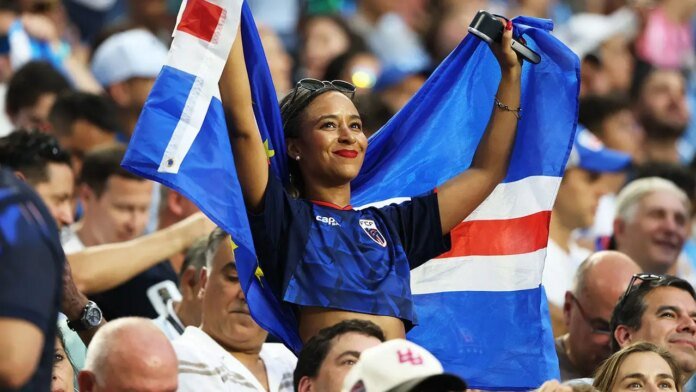
A Cape Verde fan attends the 2026 FIFA World Cup Group H match between Uruguay and Cape Verde at Miami Stadium in Miami on June 21, 2026. (Craig Williamson/SNS Group)
Sign up for my FREE CyberGuy Report
- Get my best tech tips, urgent security alerts and exclusive deals delivered straight to your inbox.
- For simple, real-world ways to spot scams early and stay protected, visit CyberGuy.com – trusted by millions who watch CyberGuy on TV daily.
- Plus, you’ll get instant access to my Ultimate Scam Survival Guide free when you join.
World Cup ticket scams are surging during the tournament
The tournament’s timing, ticket demand and last-minute pressure are giving scammers exactly what they need. World Cup tickets are expensive. Demand is intense. Many fans waited until the tournament started to look for seats. That creates the perfect opening for criminals.
Scammers love urgency. A sold-out match makes people panic. A lower price can feel like luck. A countdown timer can make you ignore the little things that feel off.
MICROSOFT TYPOSQUATTING SCAM SWAPS LETTERS TO STEAL LOGINS
The FBI has already warned that cybercriminals are creating fake FIFA websites. These sites copy FIFA branding, official-looking pages and ticket language. Some fake domains look close enough to fool a fan checking from a phone.
The FBI also said scammers may use these fake sites to collect names, home addresses, phone numbers, email addresses and banking information. That is important because this scam can go beyond one bad ticket purchase. Once criminals have that personal information, they can try to open accounts in your name. They can also target you with more believable scams later.

The real FIFA ticketing page is the safest place to start, since scammers are creating spoofed sites that look official. (Elisa Schu/Picture Alliance via Getty Images)
Fake FIFA websites can steal more than ticket money
A fake ticket site can look official while quietly collecting your payment details and personal information. The safest move is also the easiest one to overlook. Type FIFA.com directly into your browser. Then go to the official ticketing page from there.
SPOT FAKE ONLINE STORES, AVOID FACEBOOK SUBSCRIPTION SCAMS
Do not rely on a search ad. Do not trust a link in a text. Be careful with links in Facebook groups, WhatsApp chats or emails that claim to offer verified seats. Scammers can buy ads. They can clone logos. They can copy the feel of an official checkout page. A fake page may even have clean writing and a professional design.
That means the old scam clues may not show up. You may not see misspelled words or strange graphics. The fake page may look good enough to pass a quick glance. Before you enter payment details, slow down and look at the address bar. The official FIFA site should use FIFA.com. If the domain includes extra words, odd spellings or a different ending, back out.
FBI lists fake FIFA domains to watch for
The FBI named examples of spoofed FIFA domains so fans can see how small changes can make a fake page look official.
GOOGLE SEARCH LED TO A COSTLY SCAM CALL
The FBI says more fake websites may appear leading up to and throughout the 2026 World Cup. These examples have already been identified:
- www.fifa[.]cab
- www.fifa[.]pink
- www.fifa[.]blue
- www.fifa[.]pub
- FIFA[.]city
- Fifa[.]bio
- fifa[.]beer
- fifa[.]click
- fifa[.]cam
- fifa[.]ceo
- fifa[.]help
- filfa[.]org
- fifa-online[.]com
- https://fifa-2026[.]xyz
- jobs-fifa[.]com
- fifa-hr[.]com
- fifa-careerhub[.]com
- fifaworldcup-careers[.]com
- fifa-hiring[.]com
- fifahiring[.]com
- fifa-ticket[.]live
- fifastore.us[.]com
- fifaworldcup26[.]sale
- fifaworldcup26.xcover-staging[.]com
- worldcup2026-tickets.com[.]mx
- worldcup26ticket[.]com
- 2026fifaworldcuptickets[.]online
- fwc2026[.]net
- fwc2026.web[.]app
- www.fifa2026p[.]com
- fifa2026fworldcup[.]com
- wvvw-fifa[.]com
- ww-fifa[.]com
- fifa-com[.]com
- www.fifa-com[.]services
- quiniela-fifa-2026.pages[.]dev
Notice the patterns. Some domains use strange endings. Others add words like “ticket,” “career,” “hiring” or “World Cup.” A few rely on tiny spelling tricks, such as changing “www” to “wvvw.” The FBI calls this typo squatting. That means scammers count on people making small typing mistakes or clicking links too quickly.
AI ticket scams make fake listings look legitimate
Artificial intelligence is helping scammers make fake ticket pages, emails and seller messages feel more believable. Fake pages can now have polished copy, realistic customer service language and smooth checkout prompts.
Scammers can also create fake confirmation emails that look like they came from a real ticketing company. They can generate ticket screenshots, QR codes and fake order pages in minutes. That means a nice-looking QR code proves very little. So does a screenshot of a ticket.
A scammer can copy a real-looking image, edit it and send it to several buyers. By the time fans find out, the seller may be gone. The real test is whether the ticket transfers through the official channel. For World Cup tickets, that means using FIFA’s official ticketing system or official resale marketplace.
QR CODE EMAIL SCAM TARGETS EMPLOYEE REVIEWS
If a seller refuses to transfer the ticket through the proper platform, walk away. A screenshot should make you more suspicious, not more comfortable.
World Cup resale problems are already hitting fans
Even fans who use known resale platforms can end up with refunds instead of seats. Bina Ramroop reportedly bought World Cup tickets through StubHub for her grandson’s 13th birthday. She paid $485 per ticket for Spain versus Cape Verde in Atlanta. When she arrived, the tickets would not transfer into the FIFA ticketing app. StubHub offered a refund. However, she wanted the experience, not the money back.
Another fan, Pape Ndaw, reportedly bought tickets in December for about $550 each. Two days before a June 14 match near Dallas, he received a message saying the seller could not deliver. He later found last-minute seats going for more than $1,500 each.
BOOKING.COM DATA BREACH EXPOSES TRAVELER DATA TO SCAMS
Then there was Patrick O’Neil’s family. They traveled to Atlanta after buying five tickets through StubHub. Two tickets transferred. Three never arrived. Some family members went in, while the others watched nearby.
These examples show the ugly part of the resale market. Even a known platform may leave you with a refund instead of a seat. That may not help after you have paid for flights, hotels and time off.
Social media World Cup ticket deals carry big risks
Ticket offers on Facebook Marketplace, X, Reddit, Telegram and WhatsApp can look more trustworthy than they really are. A scammer may use a real-looking profile photo, a friendly message and a believable excuse.
They might say a family member got sick. They could claim their group has extra seats. Or they may tell you they “just want a real fan to go.” That story could be true. However, it could also be bait.
The biggest warning sign is when the seller pushes you away from a protected checkout system. If they ask for Zelle, Venmo, Cash App, wire transfer, gift cards or crypto, your risk jumps fast. Those payments can be hard to reverse. In some cases, you may have no easy way to get your money back.
Also, watch for pressure. A legitimate seller may want to move quickly, but a scammer wants you to stop thinking, so you send money before checking the ticket, the transfer method or the website.
IDENTITY THEFT RARELY ANNOUNCES ITSELF: 6 SIGNS YOU MISSED
How to spot a World Cup ticket scam
These warning signs can help you pause before a fake seller turns your excitement into a costly mistake.
1) Check the website address before you click
Look closely at the domain. The FBI says scammers use typo squatting, which means they rely on small spelling changes or fake web endings to trick people. For example, a fake site may use an extra letter, a strange ending or words like “ticket,” “career,” or “World Cup” to look official. The real FIFA website should be entered directly as www.fifa.com. If the link looks different, back out before entering your name, payment details or login information.
2) Watch the ticket transfer method
A real ticket should transfer through the official ticketing system. A screenshot, PDF or QR code image should not be enough. If the seller refuses to use the official transfer process, end the conversation.
HOW CYBERSCAMS ARE DRAINING AMERICANS WALLETS BY THE BILLIONS
3) Avoid risky payment requests
Be careful if a seller asks for peer-to-peer payment apps, crypto, gift cards or a wire transfer. A credit card often gives you stronger fraud protections. Also, keep the transaction inside a trusted platform whenever possible.
4) Question the bargain price
A seat far below the going rate may be bait. Scammers know fans are searching for one lucky break. Compare the price with official listings and trusted resale options. If the gap feels huge, treat it as a warning sign.
5) Slow down when the seller adds pressure
Scammers love phrases like “last chance,” “someone else wants them” or “pay now.” Take a breath before you pay. A few extra minutes can save your money, your trip and your personal information.
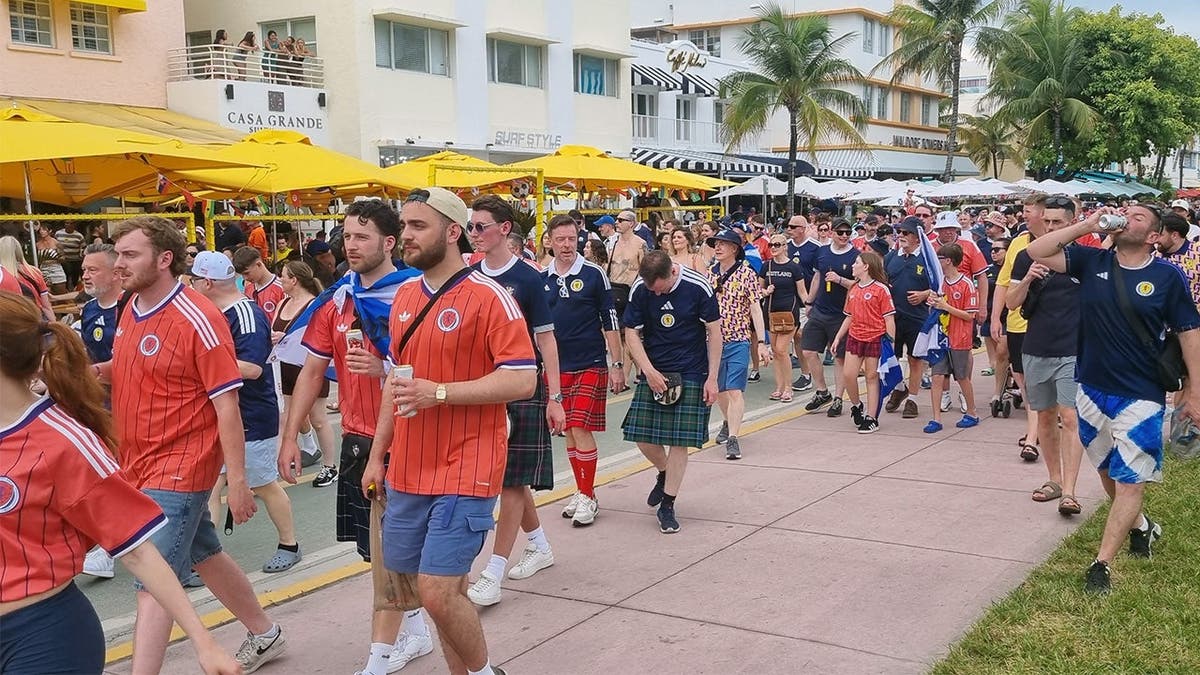
Scottish fans took over Ocean Avenue in Miami’s South Beach. (Photo by Ryan McDougall/PA Images via Getty Images)
What to do before buying World Cup tickets
A few checks before checkout can help you avoid fake tickets, bad transfers and stolen account details.
1) Start with FIFA’s official ticketing page
Go directly to FIFA’s official site and navigate from there. Avoid sponsored search results for tickets. The FBI has warned that paid imitators can try to pull fans away from the legitimate site.
2) Bookmark the real FIFA site
After you reach the real FIFA website, save it as a bookmark or favorite. That gives you a safer way back later. Also, be careful with FIFA subdomains. The FBI says fans should navigate to subdomains, such as plus.fifa.com, directly from the official FIFA homepage instead of typing them from memory.
3) Be careful with ads
Exercise caution when clicking ads for tickets, hospitality, merchandise or jobs. Before you click an ad, check the URL. Some malicious ads may display one website but send you somewhere else.
4) Use safer payment options
Use a credit card when possible. It may give you more options if something goes wrong. Do not send money to a stranger through Zelle, Venmo, Cash App, wire transfer, gift cards or crypto.
5) Protect your accounts before checkout
Use a password manager so fake sites do not trick you into reusing passwords. Turn on two-factor authentication (2FA) for your email, FIFA account and payment accounts. That adds another layer if scammers get your password.
6) Keep proof before you travel
Save emails, receipts, transfer confirmations and seller messages. Before you leave for the stadium, confirm that the ticket appears in the official ticketing app or platform. Do not wait until you are standing at the gate.
What to do if a World Cup ticket scam hits you
Fast action can limit the financial damage and reduce the risk of identity theft.
1) Contact your bank or credit card company
Explain what happened and ask what options you have to dispute the charge or block further payments.
5 MYTHS ABOUT IDENTITY THEFT THAT PUT YOUR DATA AT RISK
2) Change your passwords
Change the password for any account tied to the transaction. Start with your email because scammers often use it to reset other logins. Use a password manager to create strong, unique passwords for your FIFA account, email, banking apps and any account where you reused the same password.
3) Turn on two-factor authentication
Turn on two-factor authentication (2FA) if you have not already. Start with your email, banking apps and any account tied to the fake ticket purchase.
4) Save the evidence
Keep screenshots, emails, seller profiles, payment receipts and website addresses.
5) Check your device
Run strong antivirus software if you clicked a suspicious link or downloaded anything from a fake ticket site. A scam page may try to steal more than payment details. Get my picks for the best 2026 antivirus protection winners for your Windows, Mac, Android and iOS devices at CyberGuy.com.
6) Reduce your personal information online
A data removal service can help reduce how much personal information scammers can find about you online. That can make future impersonation attempts harder. Check out my top picks for data removal services and get a free scan to find out if your personal information is already out on the web by visiting CyberGuy.com.
7) Report the scam to the FBI
Report the fake site or seller to the FBI’s Internet Crime Complaint Center at IC3.gov. Include the fake domain, a description of what happened, what information you entered and any payment details. If money changed hands, include the payment date, amount, payment type, account numbers involved and any receiving bank or crypto wallet details you have.
8) Freeze your credit if sensitive information was exposed
If you entered sensitive personal details, freeze your credit. Then watch for new accounts or hard inquiries you do not recognize.
Kurt’s key takeaways
World Cup ticket scams are getting harder to spot because fake sites now look clean, polished and believable. AI makes that problem worse. The safest route is still FIFA’s official ticketing system. If you buy anywhere else, understand the risk before you pay. A screenshot or QR code does not prove that a ticket will get you into the stadium. The transfer needs to happen through the official platform. Do not let urgency make the decision for you. Scammers want you to be rushed and emotional. If a deal feels too easy, take a breath and check the source. The few minutes you spend verifying the ticket could save your money, your trip and your personal information.
Would you risk buying a last-minute World Cup ticket from a stranger online if the deal looked almost too good to pass up? Let us know by writing to us at CyberGuy.com.
Sign up for my FREE CyberGuy Report
CLICK HERE TO DOWNLOAD THE FOX NEWS APP
- Get my best tech tips, urgent security alerts and exclusive deals delivered straight to your inbox.
- For simple, real-world ways to spot scams early and stay protected, visit CyberGuy.com – trusted by millions who watch CyberGuy on TV daily.
- Plus, you’ll get instant access to my Ultimate Scam Survival Guide free when you join.
Copyright 2026 CyberGuy.com. All rights reserved.
Hugh Jackman feels frozen out by Hollywood friends after Deborra-Lee Furness split
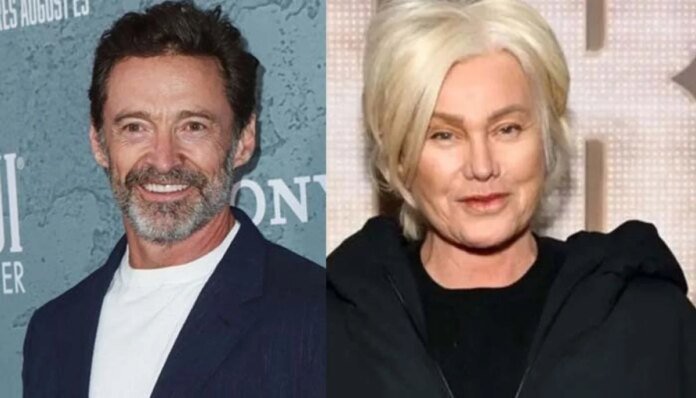
After his split from Deborra-Lee Furness, Hugh Jackman is said to be facing a cold shoulder from his longtime Hollywood pals.
Insiders have revealed that the Wolverine star believes his ex-wife has turned his friends against him.
“Hugh’s increasingly angry over the feeling that more and more people in Hollywood are quietly turning against him,” a source told Radar Online.
They went on to add, “He blames Deb for it 100 percent and says there’s been a steady drip of poison behind the scenes from her and her camp.”
This comes as Jackman felt ignored by his longtime friend Nicole Kidman at the Met Gala recently. Furthermore, he is also said to be upset by Naomi Watts and Russell Crowe for giving him the cold shoulder.
“What’s more, it’s not just Nicole who seems to be taking sides. Hugh is now convinced Naomi Watts and even Russell Crowe are ditching him for Deb,” an insider claimed.
As per the sources, Kidman is “firmly Team Deb.” The Babygirl actress reportedly believes that Furness was “deeply hurt” by Jackman’s actions. “Nicole isn’t interested in pretending otherwise just because Hugh showed up with a new woman on his arm,” the source said.
Adding, “A lot of people close to Deb feel Hugh did her wrong, and Nicole is one friend who has stayed incredibly protective.”
For those unaware, Hugh Jackman and Deborra-Lee Furness announced separation in 2023 and got divorced in June 2025. Their split was tied with Jackman’s relationship with Sutton Foster as sources claimed that the duo grew romantically closer while starring in The Music Man in 2022. Moreover, Furness also revealed that the breakdown of their 27-year marriage was a “traumatic journey of betrayal.”
Now, the actor claims that it is “incredibly unfair” that even his new-girlfriend Foster is being “frozen out and judged” by people who used to socialize with her.
“Hugh is demanding Deb stop stirring the pot. He says things have spiraled way beyond a normal breakup and turned into a coordinated effort to isolate them socially,” the source revealed, noting that he is “no longer prepared to just sit back and take it.”
5 easy steps to grow fresh leafy coriander from discarded roots: Simple guide for beginners

Fresh coriander has a special place in Indian kitchens. It adds bright green colour, aroma, and a final touch that makes simple food feel complete. Many of us buy it every week without thinking much about the cost or how quickly it finishes.But the good news is that it can also be grown easily at home to save repeated trips to the market, providing us with fresher leaves and making daily cooking a little easier.While we look forward to planting seeds in small pots, surprisingly, these herbs can be grown from their roots as well, which we often tend to throw away as garbage.For Mona, who has spent years growing vegetables and herbs at home, coriander is one of the easiest and most rewarding plants for beginners, and she revealed some easy tips to keep the coriander coming back to the kitchen to The Better India.Here are some easy tips to grow coriander leaves from discarded roots:

Representative Image
Choose between seeds and fresh roots
Coriander can be grown in two simple ways: from seeds or from the roots of a fresh market bunch. Seeds are the more traditional choice and usually give healthy growth over time. Mona says that root propagation is faster and works well when the roots are still fresh and intact.Usually, people grow it from seeds. Mona carefully chooses coriander roots that are fresh when she gets a new bunch from the market.With this method, since roots are already developed, they start producing new shoots quite early, within a few days.
Use a small pot with rich soil
Coriander does not need a large container, so it can easily grow on balconies and in small homes. A pot or grow bag with good drainage is usually a good choice. The soil should be loose, well-draining, and mixed with compost or vermicompost. Healthy soil helps the plant grow fuller, greener leaves. Drainage holes are important because coriander does not grow well in excess water for long periods.
Sow seeds or roots correctly
Coriander seeds can be lightly crushed before sowing, because each seed capsule contains two seeds. Scatter them evenly and cover them with a thin layer of soil or compost. Keep the soil moist, and seedlings usually appear within seven to 14 days.If using roots, choose a bunch with healthy and fresh roots. After using the leaves, leave about 3- 5 cms of coriander stem and plant them with the stems slightly above the soil line. Fresh roots can begin sending out new shoots within a few days when kept in a bright spot.
Give it sunlight and steady water
Coriander grows best in four to six hours of sunlight a day. Morning sun is gentler in hot weather, so that is often the better choice. Water regularly, but do not let the soil become soggy. The top layer should feel slightly dry before watering again. In warmer months, the plant may need water more often, especially in containers that dry out quickly.
Harvest often and feed lightly
Once the plant has enough leaves, start snipping the outer ones for cooking. Regular harvesting helps in fresh growth, and the plant keeps producing for a longer time.One important tip is to remember to avoid pulling out the whole plant unless it is finished. Adding a little compost every few weeks can also support healthy growth.