








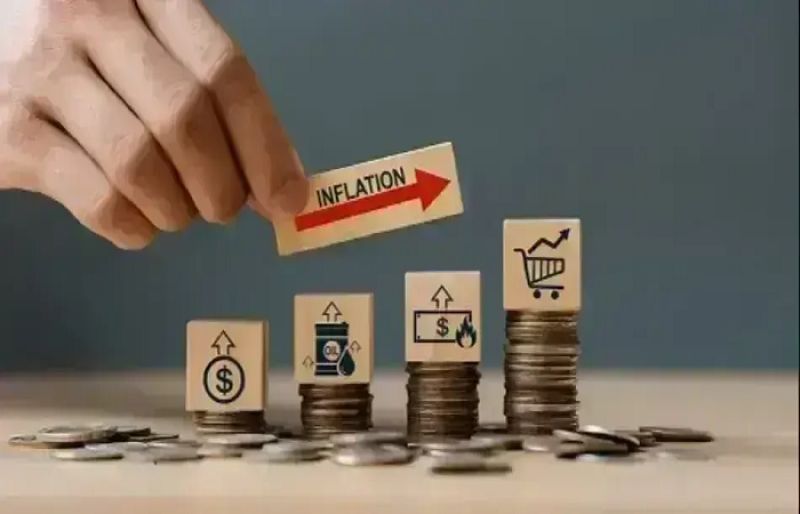
Pakistan’s inflation rose to 7% in February 2026, marking the highest level since October 2024, as electricity price hikes and rising global uncertainty pushed consumer costs upward.
According to the Pakistan Bureau of Statistics, the Consumer Price Index (CPI) increased 6.98% year-on-year, compared to 5.8% in January and 1.5% in February last year.
Electricity Tariffs Drive Surge
The biggest impact came from higher electricity prices after subsidy cuts and revised tariff structures.
Housing, water, electricity, gas & fuels index rose 9.65% annually
Electricity prices alone increased 10.03% month-on-month
These adjustments significantly burdened households already coping with high living costs.
Core Inflation & Interest Rates
Core inflation showed slight easing:
Urban core inflation: 7.1% (down from 7.2%)
Rural core inflation: Stable at 8.3%
The rise in CPI reduced real interest rates by around 120 basis points. The State Bank of Pakistan kept its policy rate unchanged at 10.5% last month.
Food Prices Mixed
Food inflation rose to 5.8%, up from 3.9% in January.
Major increases:
Tomatoes: +82%
Wheat: +42.6%
Wheat flour: +25.9%
Meat: +11.3%
Milk powder: +9.4%
Price declines:
Potatoes: -40%
Chicken: -21.8%
Gram pulse: -21.7%
Onions: -17%
Wholesale Pressure Rising
The Wholesale Price Index (WPI) increased to 1.0%, signaling growing producer-level cost pressures that could pass on to consumers in coming months.
External Risks Loom
Analysts warn that escalating Middle East tensions could:
Raise global oil prices
Increase Pakistan’s import bill
Pressure the rupee
Worsen inflation further
With millions of Pakistanis working in Gulf countries, any prolonged instability could also affect remittances — a key pillar of the economy.