









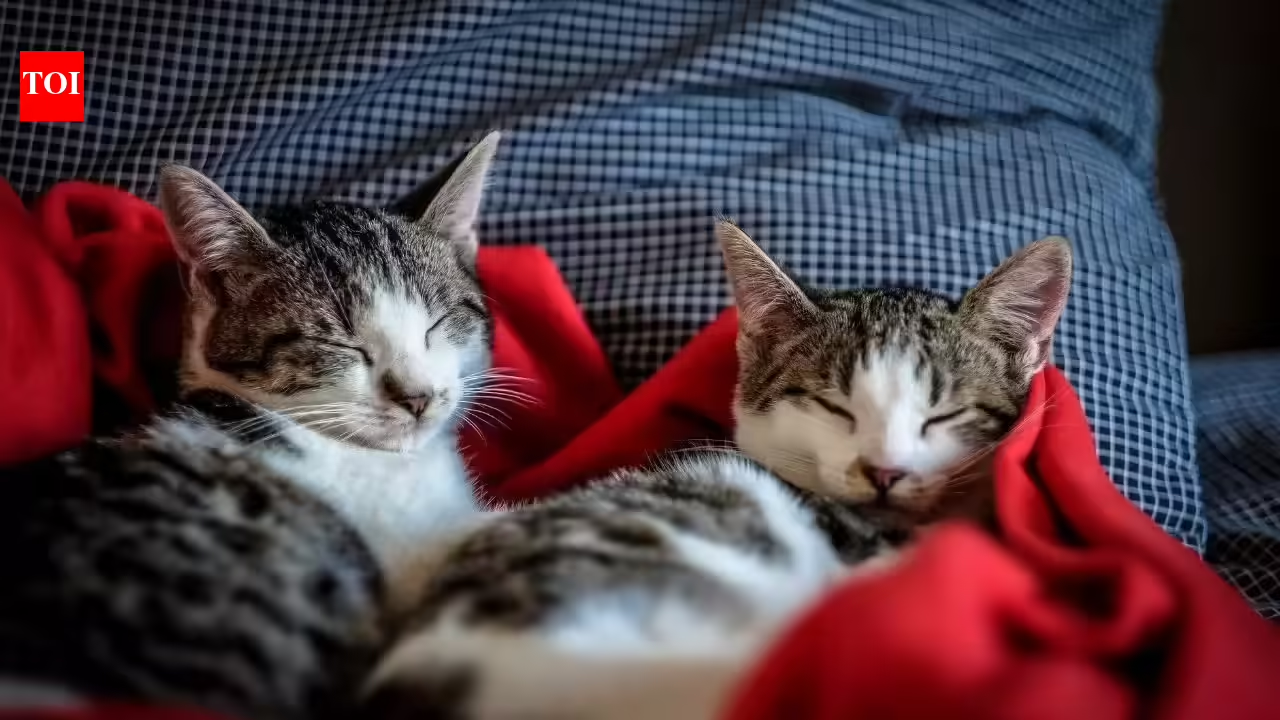
Cats are naturally attracted to the warmth of the sun, the warmth from radiators, or laps. While they have natural insulation from their fur coats, sensitivity to temperatures is high in domesticated cats. For the regular domesticated feline, a temperature of below 45°F or 7°C may become uncomfortable. For sensitive ones, the kittens, seniors, hairless breeds, or health-challenged ones, temperatures of 60°F or 15°C could become a chilling experience. Freezing temperatures below 32°F or 0°C are deadly for all domesticated feline species and could result in hypothermia or frostbite. To ensure the health and warmth of your domesticated feline pet in the cold weather of winter, you need the knowledge of the conditions that contribute to low tolerance of cold.
Why cats are sensitive to cold temperatures
Cats have a higher temperature than a human body. They range from 100.4°F to 102.5°F or 37.7 to 38.9°C Due to this reason, they feel the need to be in a warm place. For example, outdoor or short-haired cats or Egyptian Mau, which are from warmer regions, feel the need to be in a warm place if the temperature is low. Even the Maine Coon or Norwegian Forest Cats will eventually feel the need to be in a warm place if the temperature is low.
Temperature guidelines for cats
As per Futura, Le média qui explore le monde, understanding temperature thresholds is critical for cat owners:
- Above 25°C: Risk of overheating, seeking cooler areas
- 20°C – 25°C: Ideal comfort zone
- 10°C – 20°C: Manageable, but heat-seeking behavior appears
- 5°C – 10°C: Uncomfortable, needs shelter
- Below 5°C: Serious health risk, close monitoring needed
Outdoor stray or community cats may develop slightly thicker winter coats but are still vulnerable to frostbite and extreme cold.
Recognising your cat is cold
Cats often conceal discomfort until it becomes serious. Watch for the following warning signs. These include curling into a tight ball or covering their nose with their tail.
- Shivering or trembling
- Lethargy or loss of appetite
- Cold to the touch
- Flaccid or complete collapse at worst
Hypothermia can develop, without its victim realising it, in extremely cold conditions, and if left untreated, a fatality can occur. Fast action is necessary.
Keeping indoor cats warm
Creating warm, cosy environments for indoor cats is highly important:
- Provide heated or self-warming cat beds
- Use blankets or soft bedding in sunny spots
- Place the beds next to sources of heat, like radiators or fireplaces.
- Consider cat sweaters for short-haired, elderly or underweight cats
- Providing more warm spots makes sure your cat can choose where they want to stay comfortable.
Keeping cats safe during power outages or cold weather emergencies
Winter storms and power outages present numerous hazards for cats:
- Use electric heated mats powered by a battery or thermal self-warming beds
- Place extra blankets on top of sleeping areas
- Keep an emergency supply of food and water.
- If you have to evacuate, take your cat along to avoid hypothermia.
Even indoor cats are in danger when heating systems fail, so it pays to plan ahead.
Caring for outdoor and community cats
For outdoor or stray cats, additional precautions must be taken:
- Provide insulated, wind-free shelters with blankets
- Make food and water available, but not frozen
- Also, you should avoid letting them roam during extreme cold, mostly below 45°F or 7°C.
- A small, protected area that is warm can greatly reduce winter-related health risks for felines that venture outdoors.