
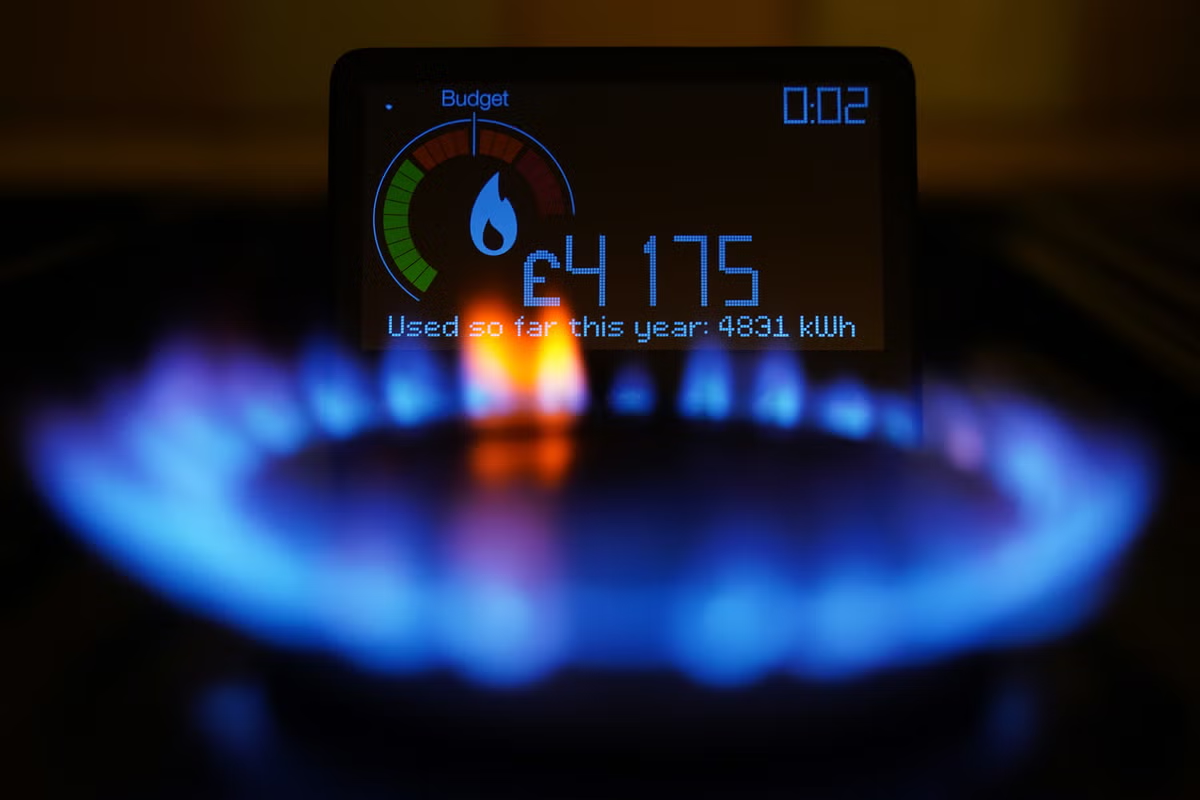
Household energy bills could jump by £332 a year in July as recent sharp increases in wholesale prices are set to feed through into Ofgem’s price cap, according to the latest forecasts.
Analysts Cornwall Insight said forecasts for the watchdog’s price cap from July to September had surged to £1,973 a year for a typical dual fuel households – an increase of £332 or 20% on April’s cap.
This marks a significant step up on its forecast from just over two weeks ago, when it had predicted a 10% increase from July.
The independent energy consultants are updating their forecasts every week while the US-Israel war with Iran escalates and the energy market is volatile.
Cornwall said household energy bills over the summer look set to be higher than it had anticipated prior to the escalation of conflict in the Middle East, which has sent wholesale gas and oil prices soaring.
Even if wholesale prices quickly returned to pre-conflict levels, some of the recent volatility will be baked into the next price cap, which covers July to September, it said.
However, the figure is likely to change and the size of the increase to the next price cap will depend on how long gas prices stayed elevated and how long the period of disruption continues.
Ofgem’s price cap is based on average wholesale prices over a three-month period.
A spokesman for the Government’s Department for Energy Security and Net Zero said Cornwall’s forecasts are “highly speculative”, adding: “Using wholesale price fluctuations to predict what will happen in the next few months is not reliable.
“Tackling the affordability crisis is the Government’s number one priority. That is why we are acting to bring bills down now and for the long term.”
The price most households pay for energy will fall by 7% from April 1, or £117 a year, driven by the Government’s promise to cut bills by an average of £150 by removing green subsidies.
However, gas prices have been climbing in recent weeks, and this could feed through into future electricity prices and how much it costs to heat people’s homes.
On Thursday, UK natural gas prices reached a three-year high after jumping by around 25% during the day. Prices had eased back a little on Friday.
The latest spike was driven by attacks on energy facilities in Iran and Qatar, stoking fears about longer-term damage and disruption to gas supplies.
Shell said one of its key gas plants was damaged in the strike on Qatar, which is used to make things like fuel for transport and ingredients for plastics and cosmetics.
Qatar’s state-backed energy company Qatar Energy has halted production of liquified natural gas (LNG) at its site since the beginning of March.
Meanwhile, the UK’s competition watchdog is looking into concerns that households relying on heating oil are facing sudden price increases on the back of the conflict.
Home heating oil, which is used by around 1.5 million households in the UK – primarily in Northern Ireland, is not covered by Ofgem’s price cap, which currently fixes prices until the end of June.
The Competition and Markets Authority (CMA) said on Friday that it had launched a market study into the supply of heating oil to see how it was impacting consumers and whether it needs to intervene.
