Cholesterol plays an important role in the body but can become dangerous when levels rise. Here’s how it affects heart health and how medicines help manage it
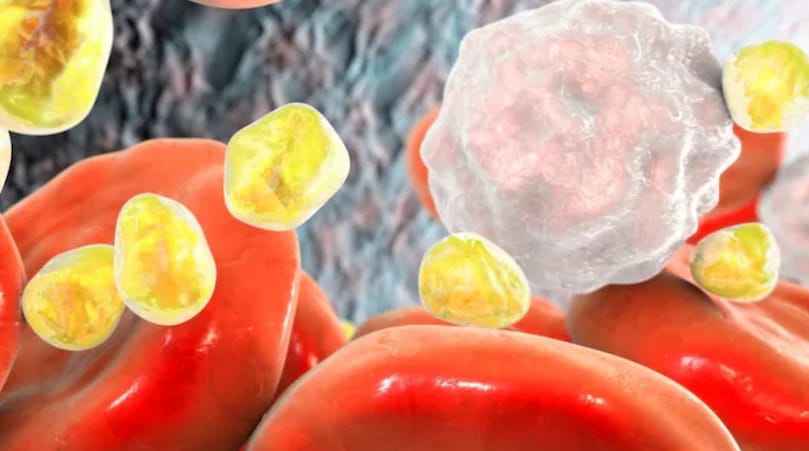
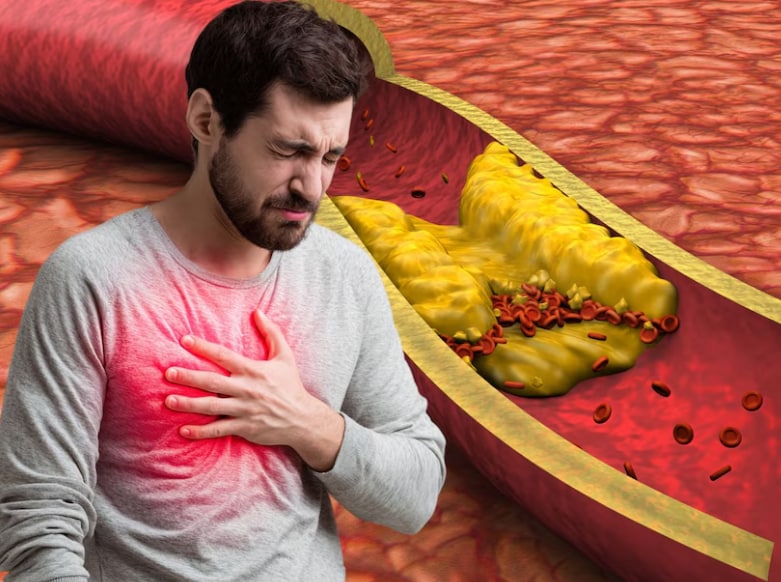
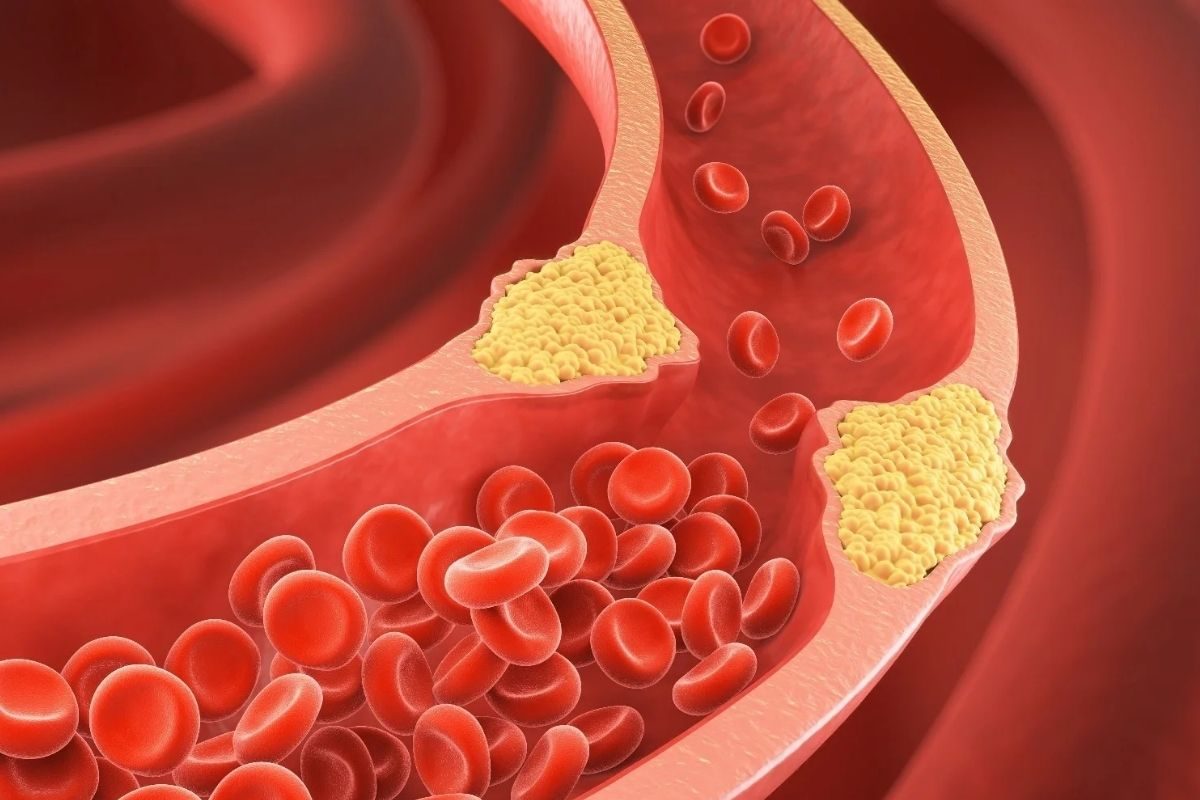
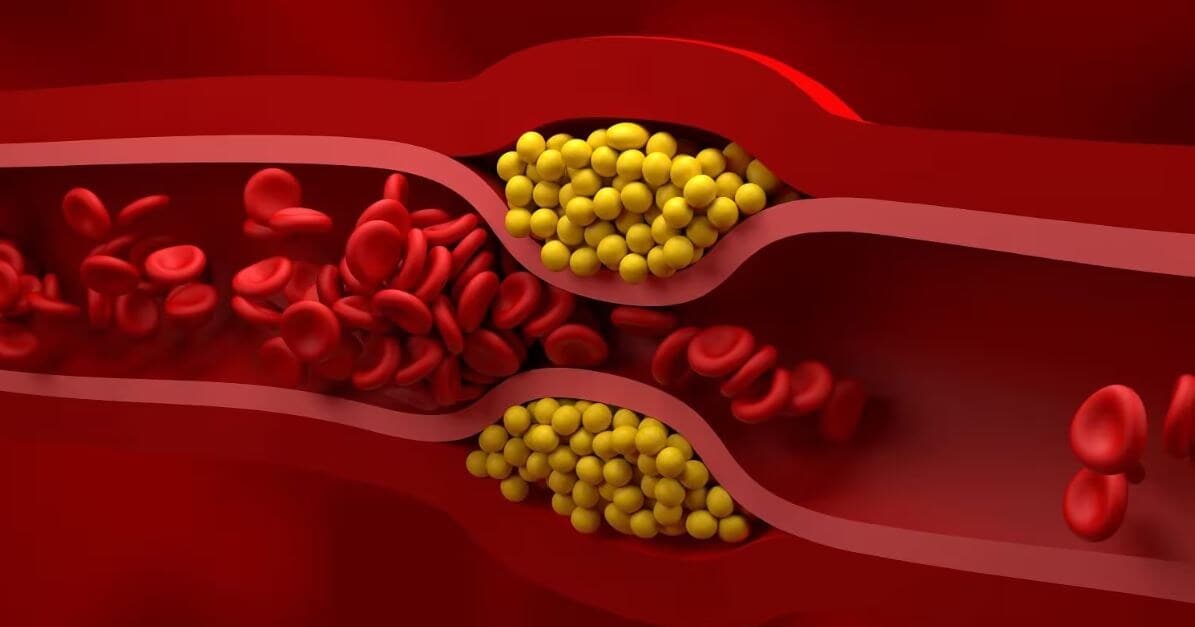
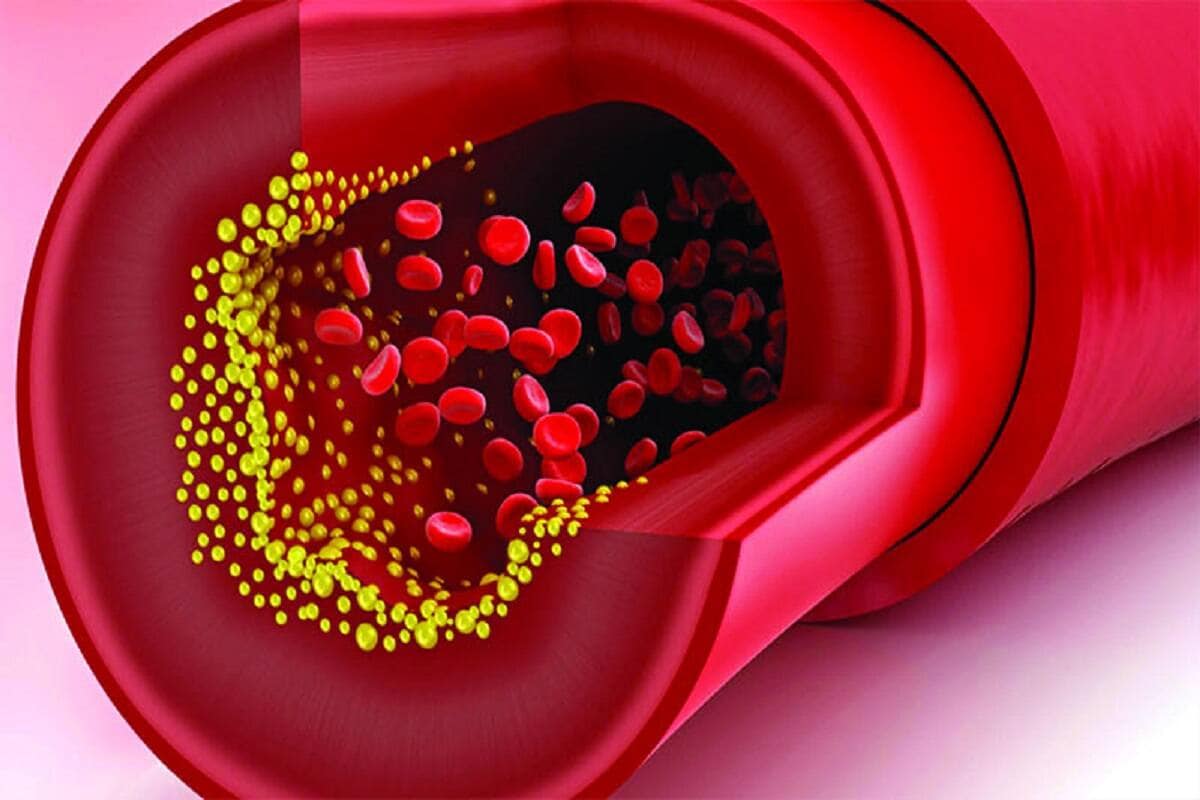
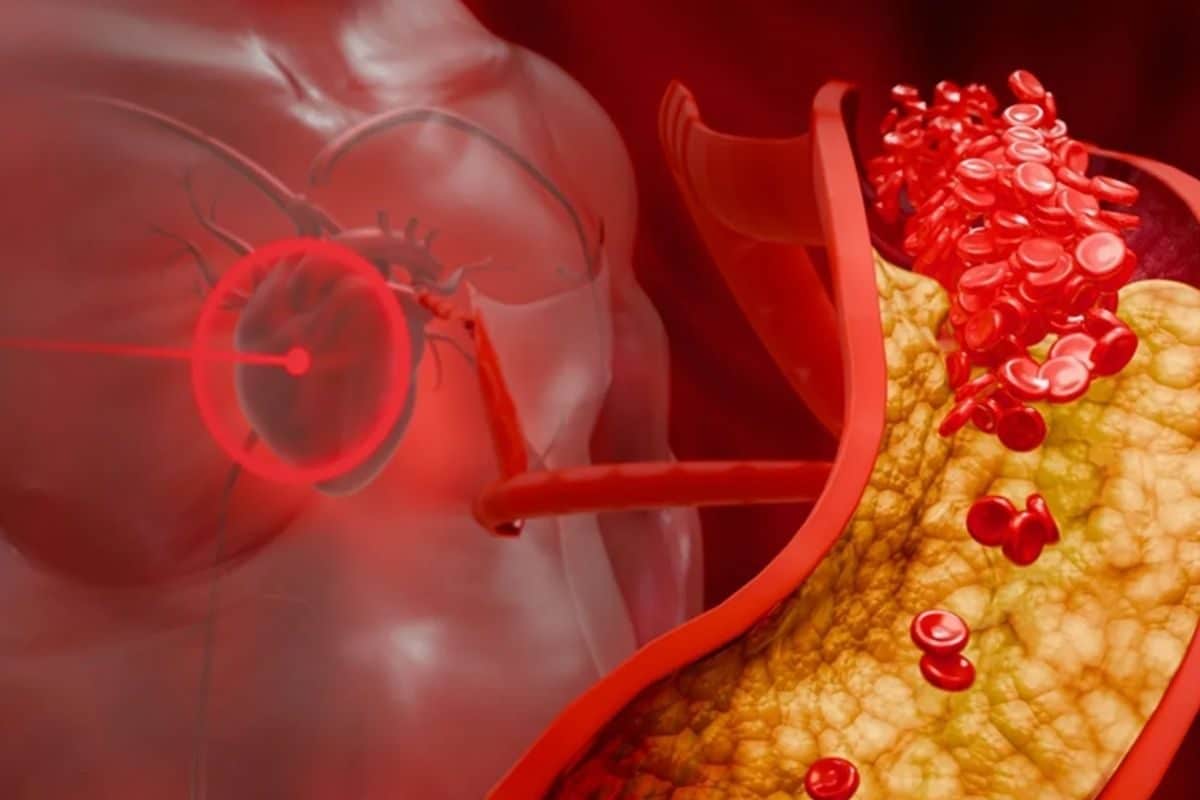
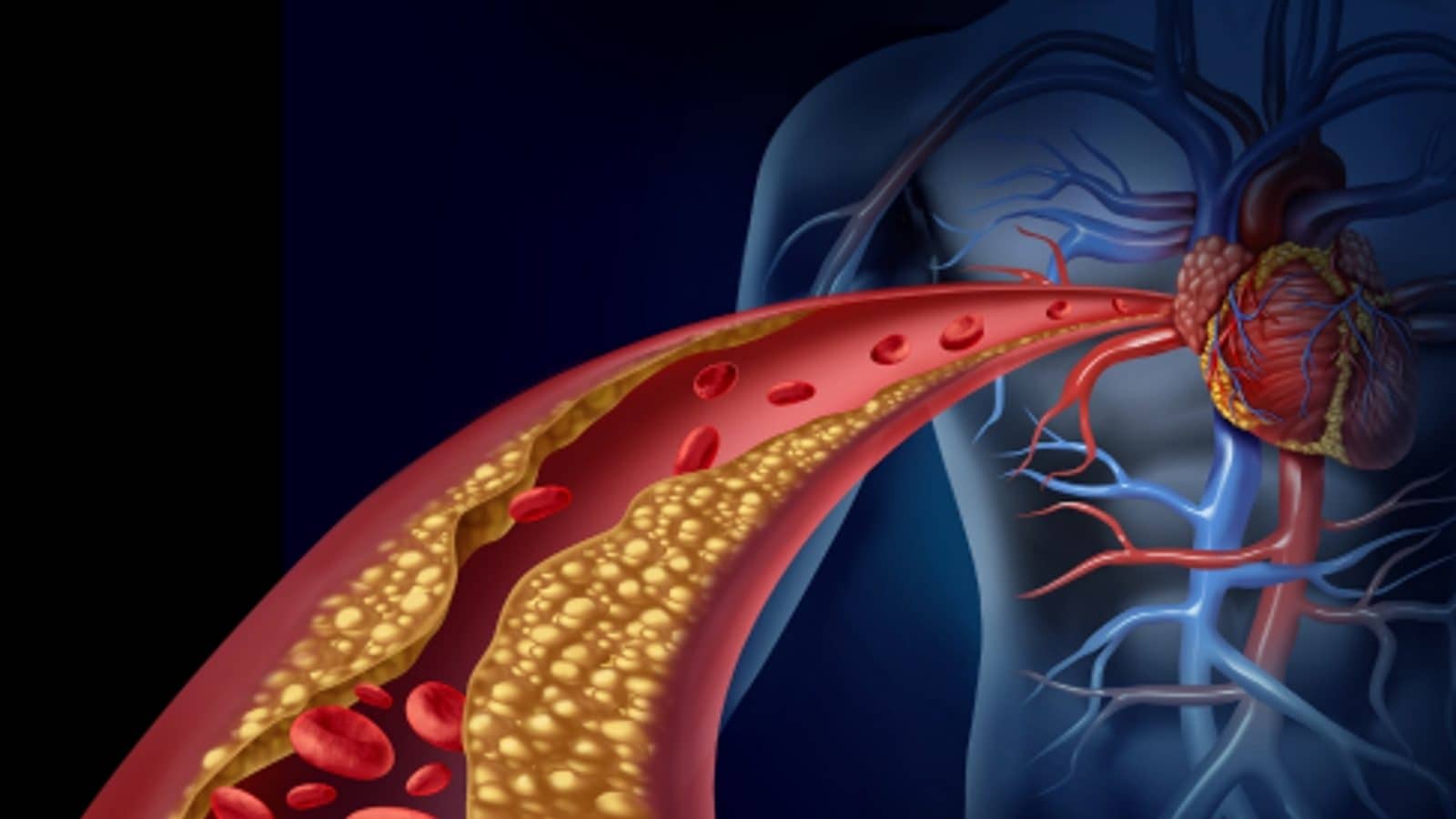
Cholesterol becomes a problem when its levels rise beyond healthy limits. There are two main types: LDL, often called “bad cholesterol,” and HDL, known as “good cholesterol.” LDL can build up along the walls of blood vessels over time, while HDL helps remove excess cholesterol and transport it back to the liver.The build-up of bad cholesterol in the arteries is known as atherosclerosis. Over time, fatty deposits narrow the blood vessels and restrict blood flow. Sometimes these deposits can rupture and form clots. If a clot blocks blood flow to the heart, it can cause a heart attack; if it blocks blood flow to the brain, it can trigger a stroke. Because this process often develops silently over many years, it is sometimes referred to as a “silent killer.”Several lifestyle factors can increase cholesterol levels. Diets high in junk food, deep-fried items, red meat and processed bakery products can raise LDL levels. Lack of physical activity, weight gain and smoking can also contribute. In some cases, high cholesterol may be hereditary, while in others it may develop gradually with age.When lifestyle changes are not enough to control cholesterol, doctors may prescribe medication. One of the most common types is statins, which work by reducing the liver’s production of cholesterol. Another newer treatment involves PCSK9 inhibitors, injectable drugs that help the body remove bad cholesterol from the bloodstream and can reduce LDL levels significantly.Recent research has also examined how cholesterol medications might affect other parts of the body. A study by researchers at the University of South Australia suggested that some people taking statins showed a slight increase in the size of the hippocampus — the area of the brain associated with memory and learning. However, scientists say more research is needed to fully understand these effects.Some people taking statins have also reported weight gain or a higher body fat percentage. In a few cases, men experienced a small decrease in testosterone levels, a hormone linked to energy, muscle strength and mood. Researchers also observed minor changes in lung function among people using PCSK9 inhibitors, though it is still unclear whether these changes are directly caused by the drugs.Despite these findings, doctors caution that people should not stop taking cholesterol medications without medical advice. For many patients, these treatments play a crucial role in reducing the risk of heart attacks and other serious cardiovascular conditions.
Stay Ahead, Read Faster
Scan the QR code to download the News18 app and enjoy a seamless news experience anytime, anywhere.
Busy lifestyles and changing food habits have led to a rise in cholesterol problems for many people. Some believe high cholesterol inevitably leads to a heart attack and begin taking medicines out of fear. But how much of what we think about cholesterol is actually true? Here’s what experts say about cholesterol and the medications used to control it.