








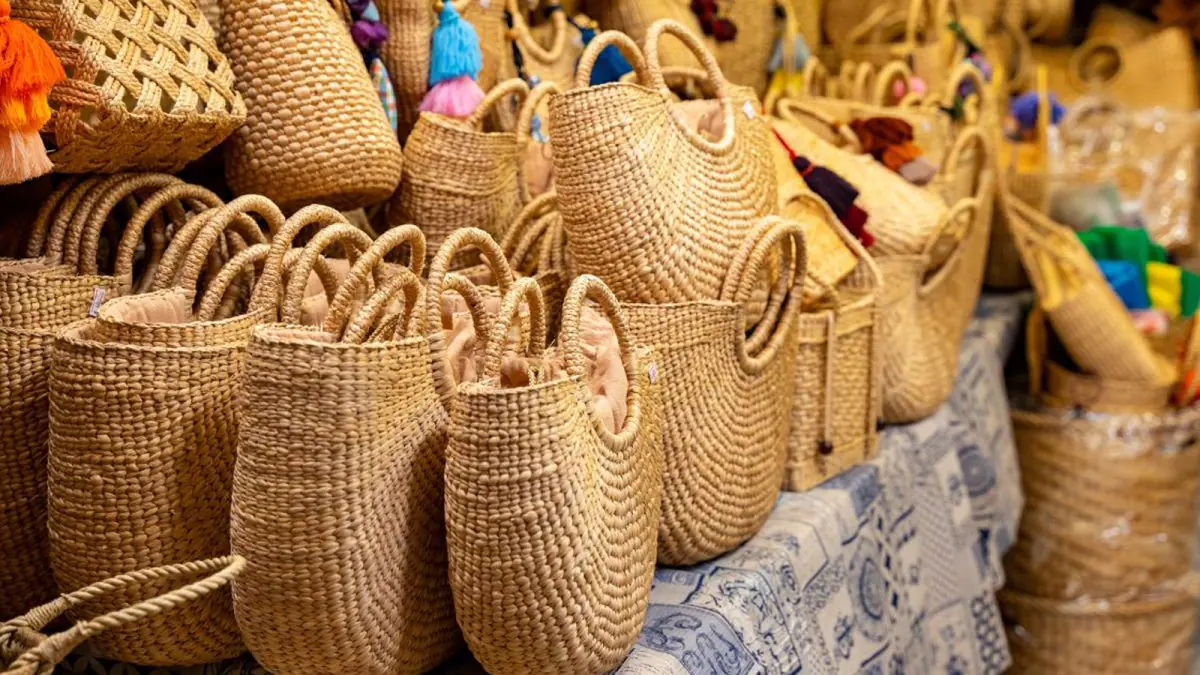
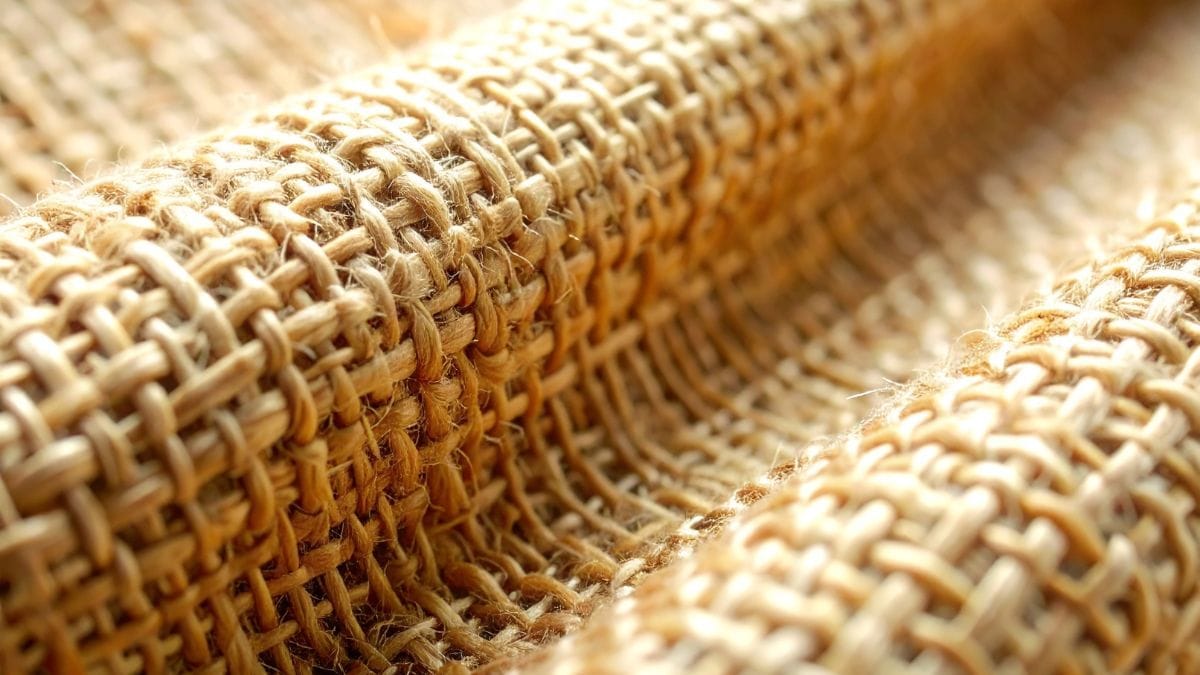
Jute is among the most widely used natural fibres, commonly utilised in the production of ropes, bags, carpets, and various industrial materials. Areas with a favourable riverine climate and fertile alluvial soil provide ideal conditions for large-scale jute cultivation and processing. Over time, one major Indian city gained global recognition for its leading role in jute manufacturing and trade.
Kolkata is widely known as the “Jute Capital of the World.” The city developed into a global hub for jute processing and manufacturing because of its strategic proximity to major jute-growing regions and its strong historical industrial base. For decades, it has remained the central hub of India’s jute industry.
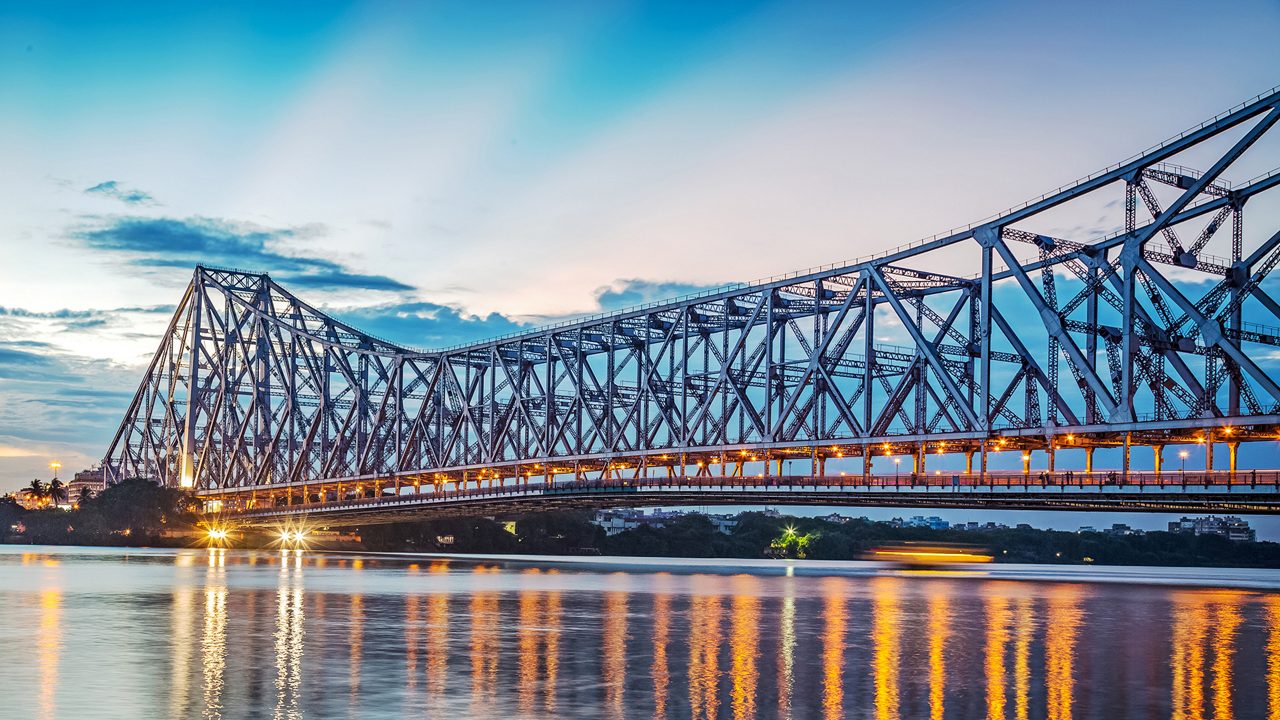
Kolkata, situated in West Bengal in eastern India, is located close to the fertile Ganges Delta. The region’s favourable climate supports large-scale jute cultivation, providing a steady supply of raw materials to nearby processing mills.
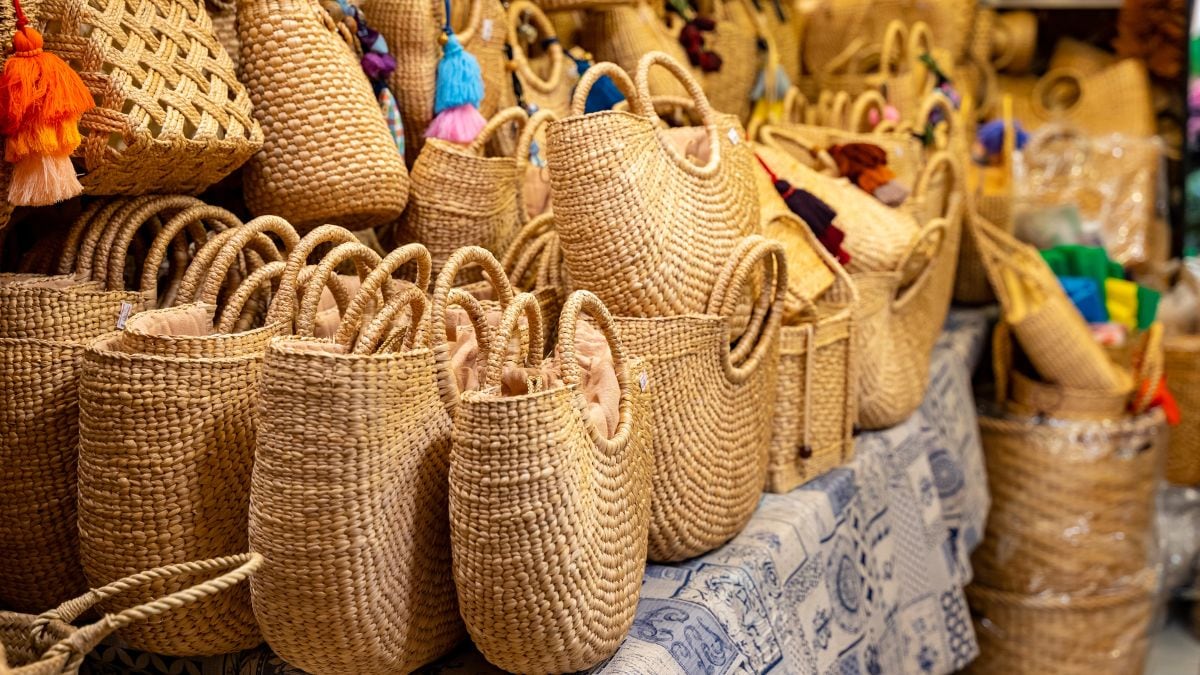
Kolkata earned the title “Jute Capital of the World” thanks to its dense network of jute mills, close proximity to jute-growing regions, and long-standing leadership in global jute manufacturing. Over the decades, the city emerged as a key export hub, supplying jute products to markets around the world.
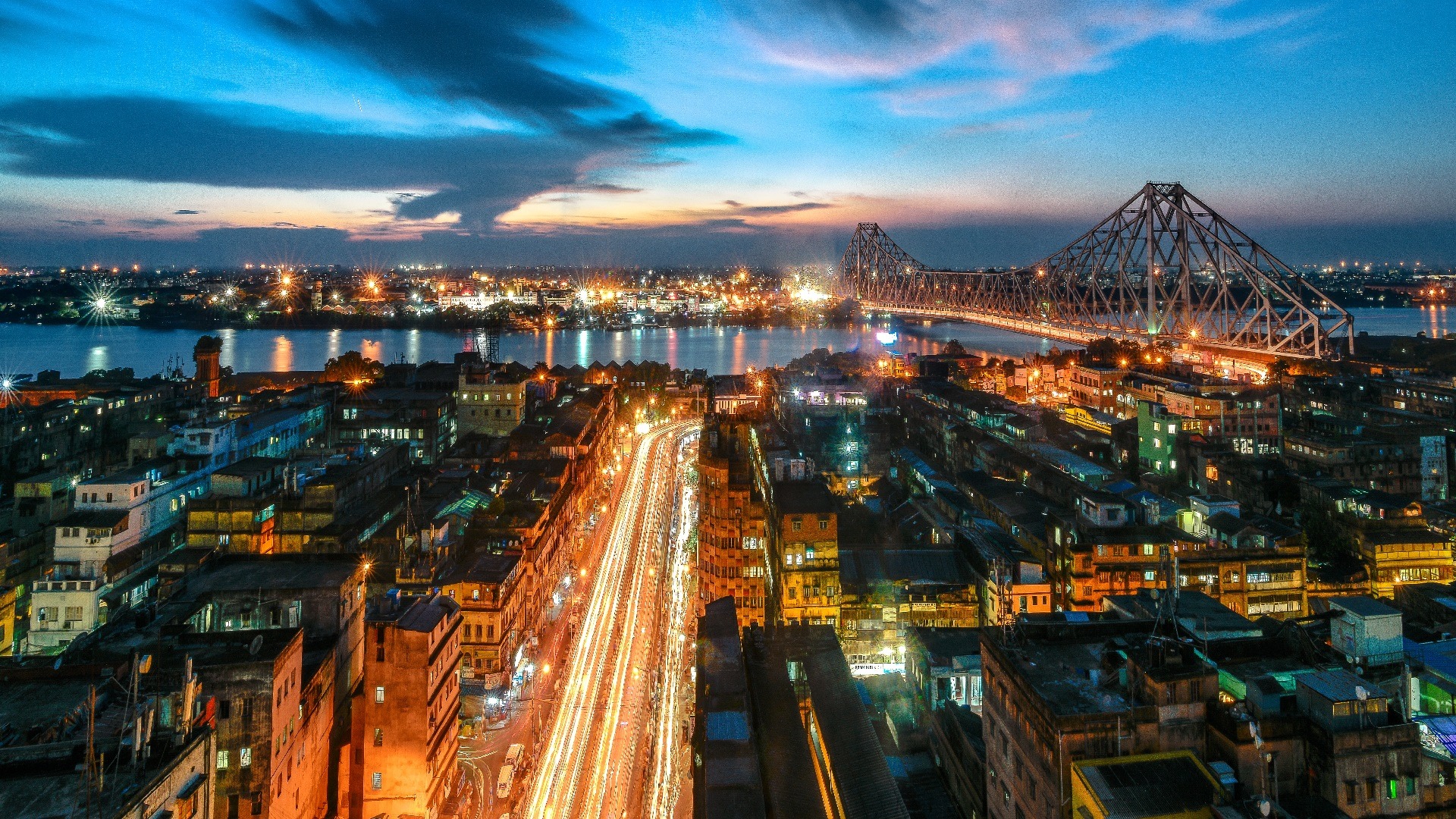
The humid climate, plentiful river water, and fertile alluvial plains of eastern India provide perfect conditions for jute cultivation. Historically, Kolkata’s river port and extensive transport networks allowed for efficient processing and smooth export of jute products.
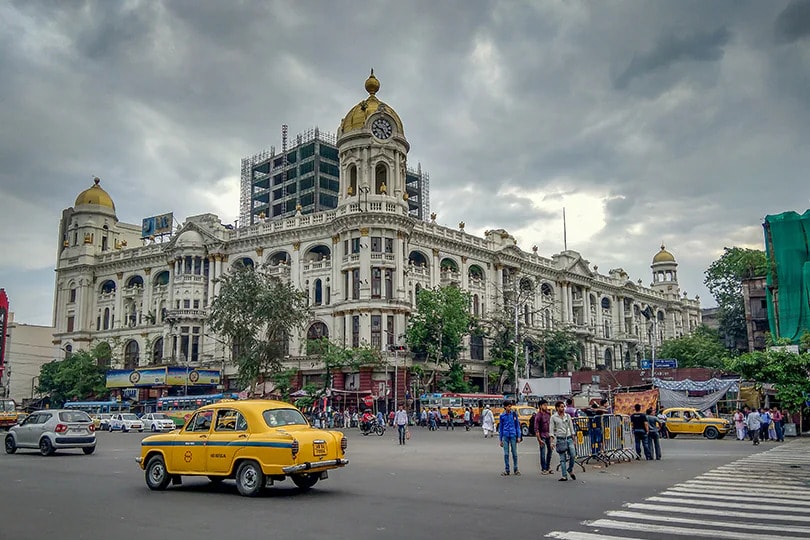
The jute mills surrounding Kolkata were instrumental in driving industrial development and creating employment opportunities. The industry fuelled manufacturing growth, boosted trade, and stimulated economic activity across eastern India.
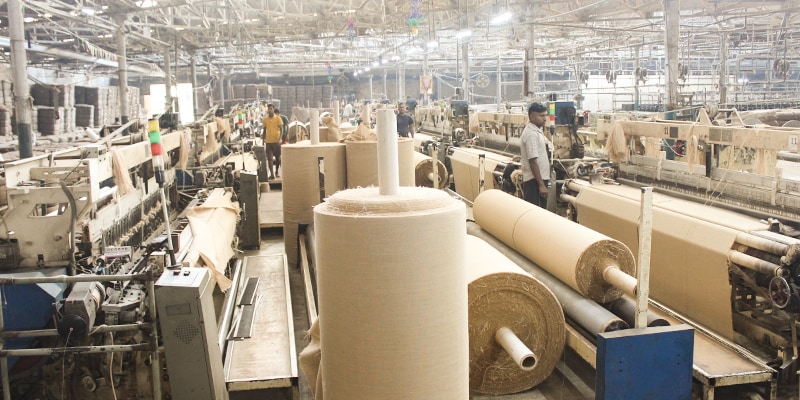
India ranks among the world’s top jute producers, with Kolkata serving as the main hub for processing and exporting the fiber. The city’s strong industrial base has cemented its reputation as a global centre for natural fiber production.