

Fussy eating is a pervasive challenge for families across the UK, with studies indicating it affects more than 80 per cent of households with young children.
The impact extends beyond the dinner table, with past research by healthcare company Abbott revealing that 60 per cent of parents feel frustrated by their child’s selective eating habits.
A significant third admit it causes them worry, while 27 per cent report feeling anxious and powerless as a result.
However, this common parental struggle can be proactively addressed, or even prevented entirely, according to behaviour change psychotherapist Alicia Eaton, author of Mind How Your Kids Eat.
“Many parents feel that fussy eating is becoming more common, and in many ways they’re right,” Eaton explains. “Families today are raising children in a food environment that’s more complex, more stimulating and more choice-driven than at any point in previous generations.” She adds that “too much choice leads to overwhelm, indecision and anxiety, which then has an effect on appetite.”
Eaton identifies several factors contributing to picky eating, including excessive snacking between meals, specific sensory preferences, and a natural caution towards unfamiliar foods, often compounded by mixed emotional signals surrounding food choices. Regardless of the underlying cause, mealtimes need not devolve into a battleground, she insists.
“Parents don’t need to force, bribe or battle their child into eating well – in fact, those approaches tend to make things worse,” Eaton states.
“What children need is a calm, predictable food environment that allows appetite to develop naturally, and curiosity around food to grow over time. If we focus less on ‘getting food into children’ and more on helping children feel comfortable around food, many so-called fussy eating behaviours never take hold in the first place.”
Eaton offers seven straightforward strategies to prevent fussy eating from taking root:
1. Create gentle gaps between snacks and meals
Allowing sufficient time for genuine hunger to build is crucial. Children who arrive at meals with a strong appetite are far more receptive to trying new foods. Eaton notes that constant access to snacks often means children aren’t truly hungry at mealtimes.
“When a child refuses dinner because they’re not truly hungry, parents may assume the child dislikes the meal, rather than recognising that appetite simply hasn’t had time to build.” She advises parents to help children distinguish between real hunger and feelings stemming from boredom, tiredness, or emotional causes.

“Before automatically reaching for the cookie jar, it’s best to ask a few questions,” she suggests. “True feelings of hunger tend to build gradually, and children can be reminded that these simply mean they’ll enjoy the next meal all the more.”
2. Keep food language neutral
Avoid labelling foods as ‘good’, ‘bad’, ‘naughty’, or ‘treats’. Neutral language reduces anxiety and resistance towards unfamiliar items. Children are exposed to discussions about allergies, processed foods, dieting, and health from a young age, absorbing emotional cues long before they understand the words.
“When adults approach meals with anxiety, negotiation or constant discussion about what’s ‘good’ or ‘bad’, likely to add weight or reduce it, children quickly learn that eating is something complicated and emotionally charged, rather than something relaxed and routine,” Eaton warns. “This atmosphere alone can contribute to resistance and caution around unfamiliar foods.”
3. Serve one family meal whenever possible
Routinely preparing multiple alternative meals should be avoided. When children observe everyone eating the same meal in a relaxed manner, familiarity and acceptance naturally develop over time. “Shared family eating experiences remain one of the most protective habits against long-term fussiness,” Eaton stresses.

4. Pay attention to sensory preferences
Children experience food differently. Some are visual, preferring colourful, organised plates; others respond to sound and texture, favouring crunchy foods. Some need to physically explore food by touching or dipping before tasting.
“When parents understand these differences and present foods in ways that match a child’s sensory preferences, they often find willingness to try foods increases naturally,” Eaton explains, noting that apparent stubbornness is often a sensory comfort issue, not defiance.
“When parents understand that a child’s eating preferences may be sensory rather than behavioural, mealtimes often become much easier,” she says. “Instead of asking ‘How do I make my child eat this?’, we begin asking ‘How can I present this food in a way that works for how my child experiences it?’ Small adjustments in presentation, texture or format can sometimes open the door to foods that were previously rejected.”

5. Let curiosity develop before expectation
Allow children to see, touch, or smell foods without any pressure to eat them. “Repeated low-pressure exposure often leads to tasting when the child feels ready,” Eaton advises.
6. Make mealtimes predictable and calm
A consistent time, venue, and routine for meals are invaluable. “A simple routine with the same mealtimes each day, sitting together where possible with minimal distractions, all help children to feel secure and more willing to engage with food,” Eaton says.
7. Practise relaxed eating
Children learn more from observation than instruction. When adults eat a variety of foods without excessive discussion, children gradually absorb this ease.
“Children who regularly see adults eating a variety of foods in a relaxed way are more likely to imitate those behaviours over time,” Eaton notes, highlighting that conversation at the table, rather than negotiation over bites, helps children associate meals with connection, not pressure. “Over months and years, this atmosphere makes a significant difference to how flexible children become with food,” she concludes.
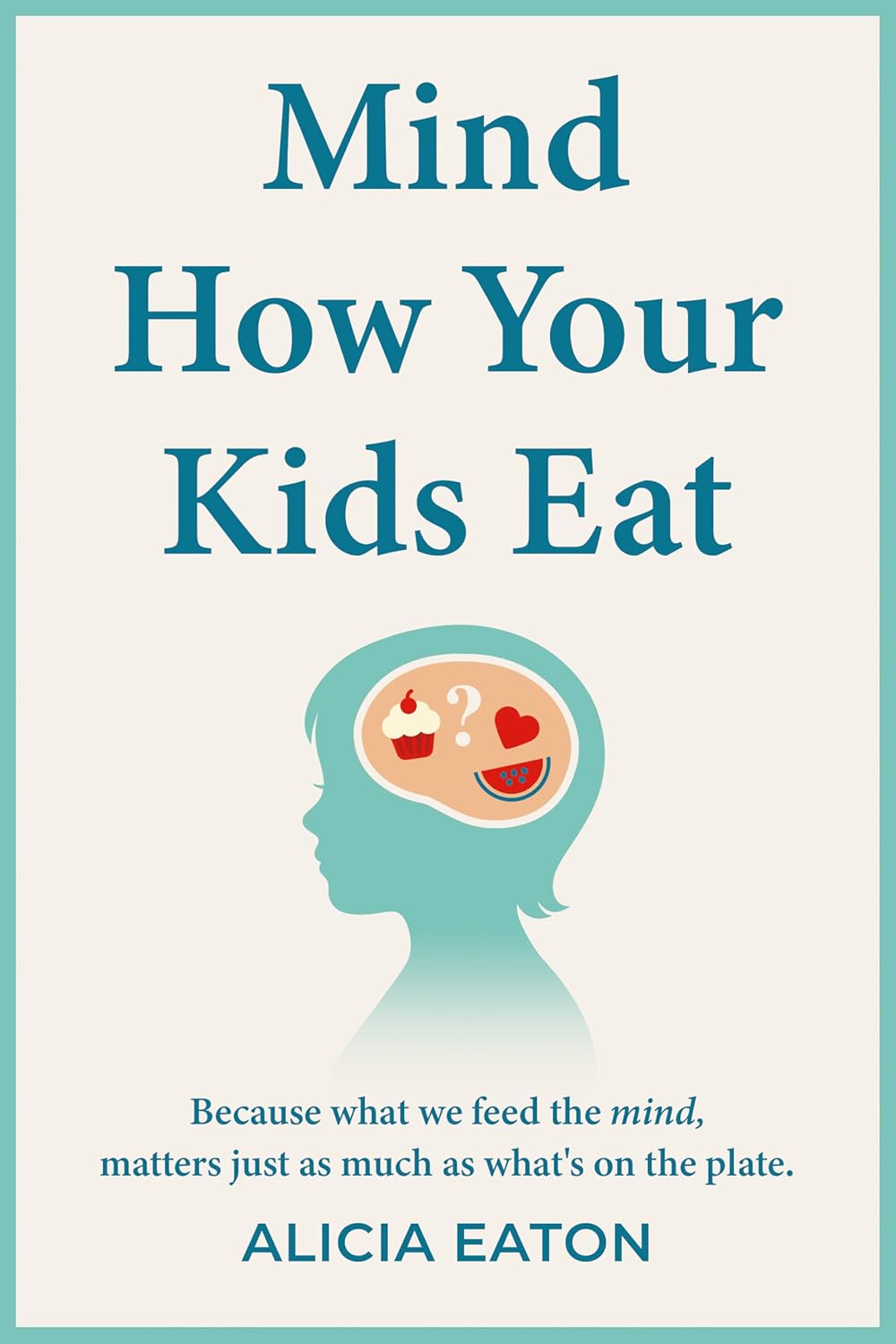
Mind How Your Kids Eat by Alicia Eaton is published by Troubador, priced £14.99. Available now.
